CEO of Minerals Commission Underscores Digital Transformation, Transparency, and Investor Confidence at Revenue Development Foundation Workshop
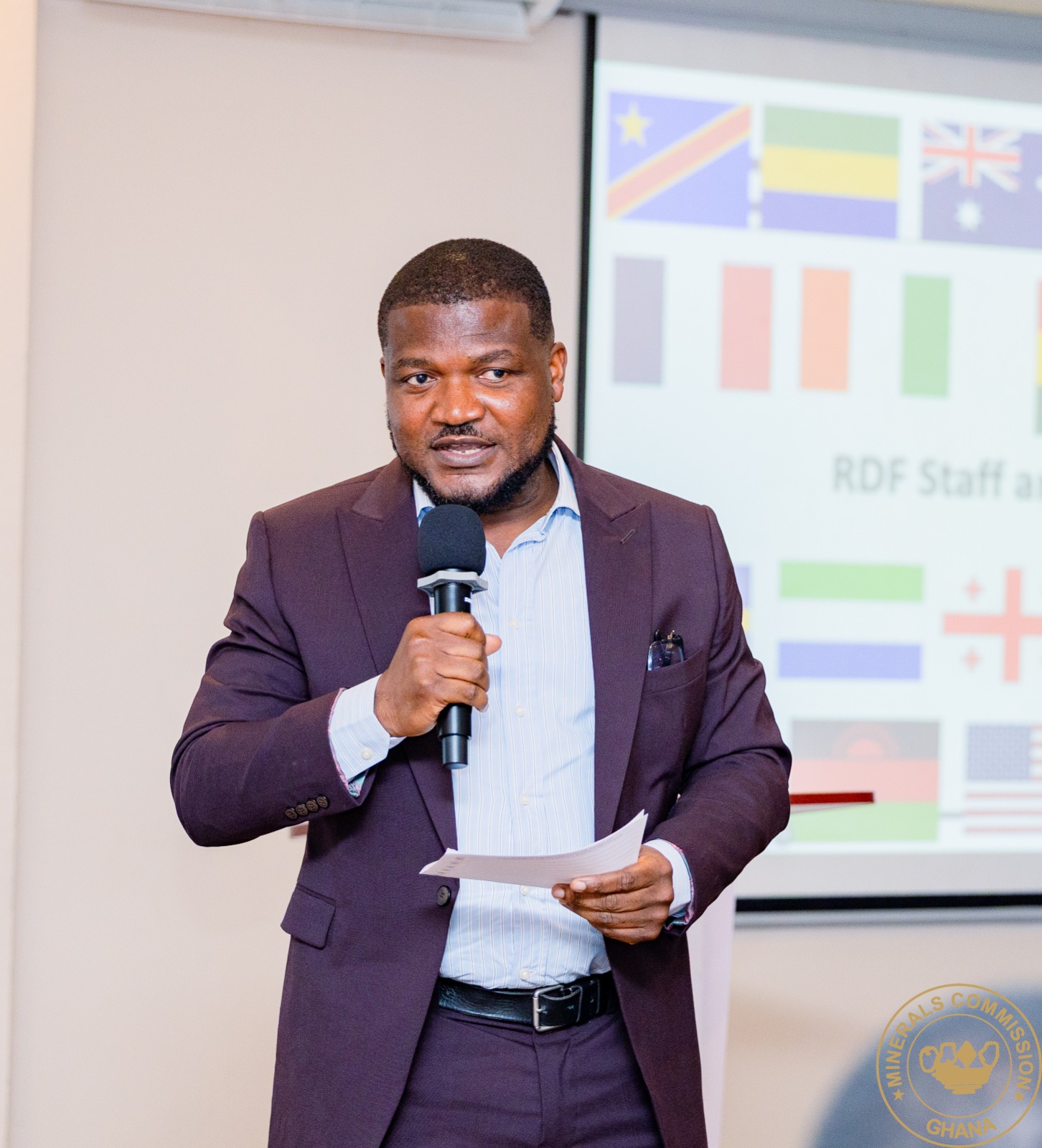
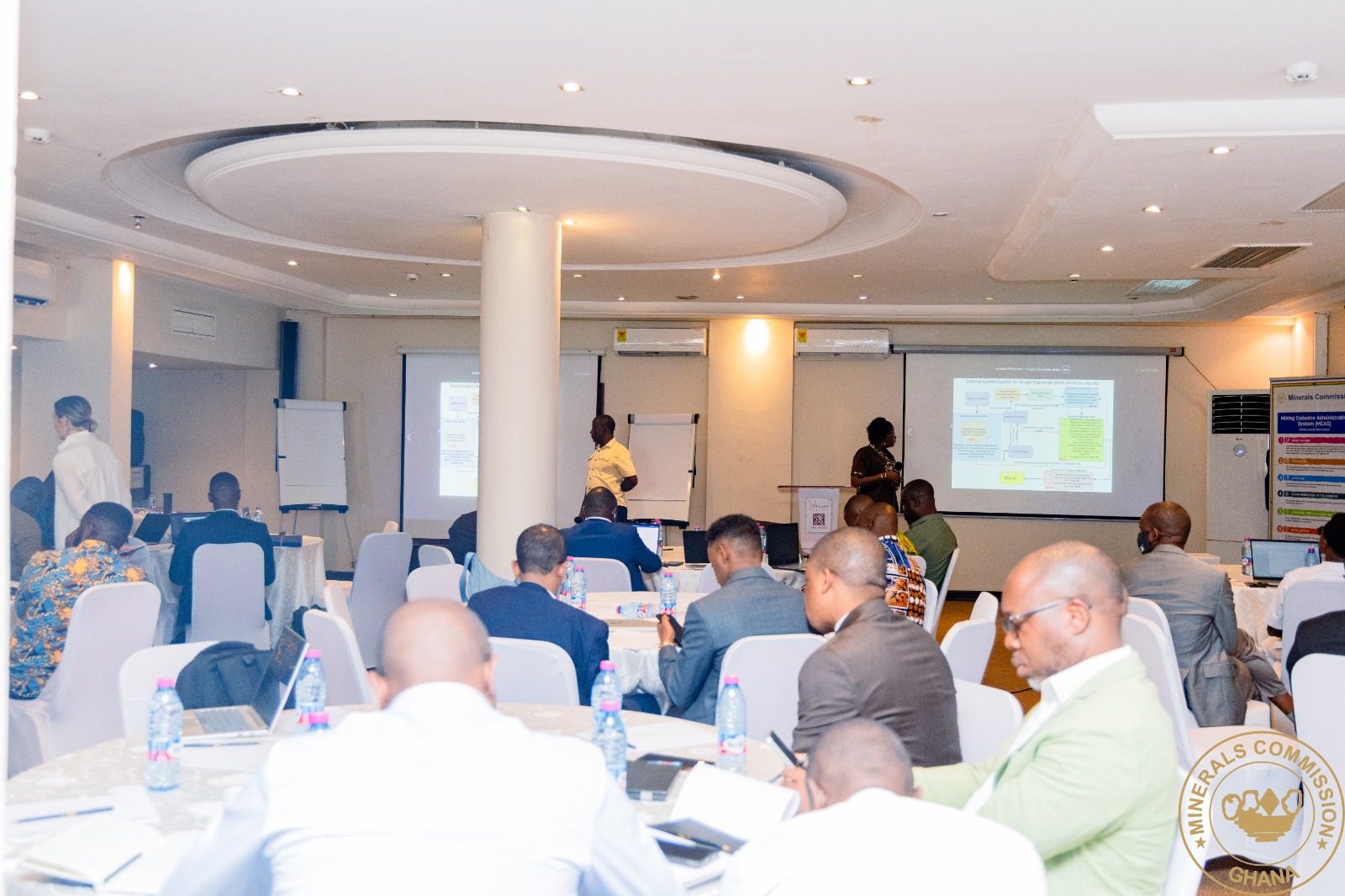
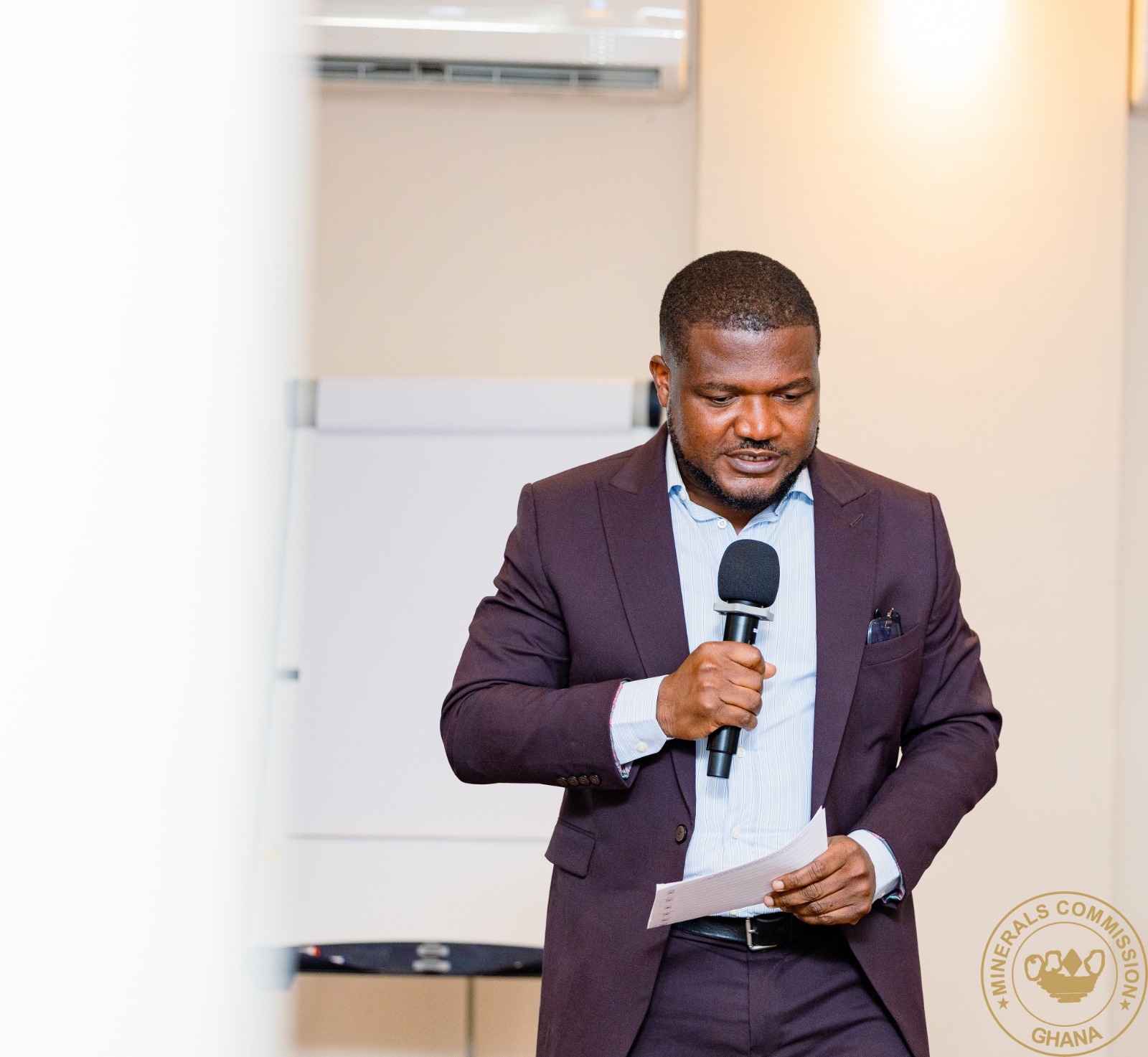
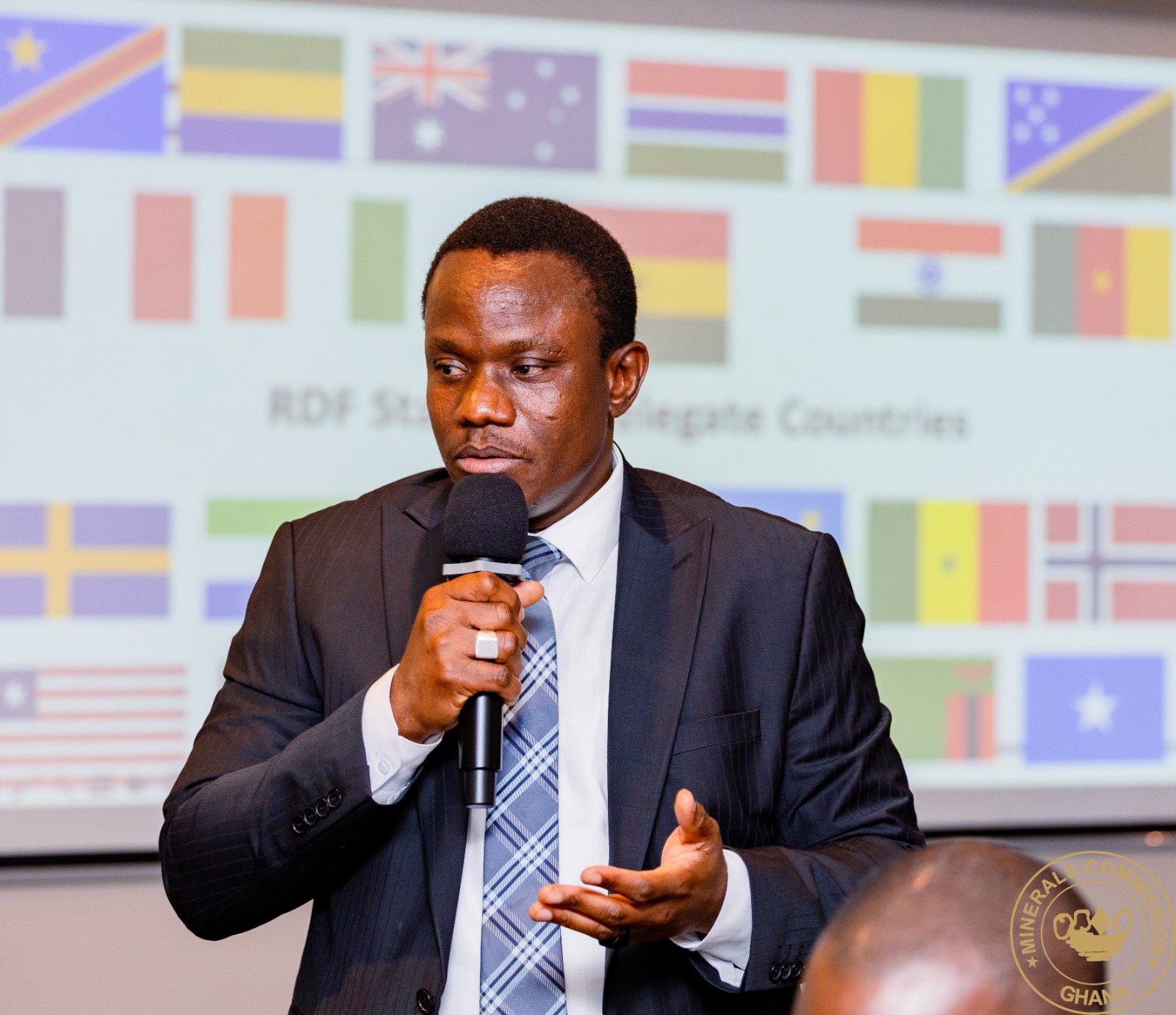
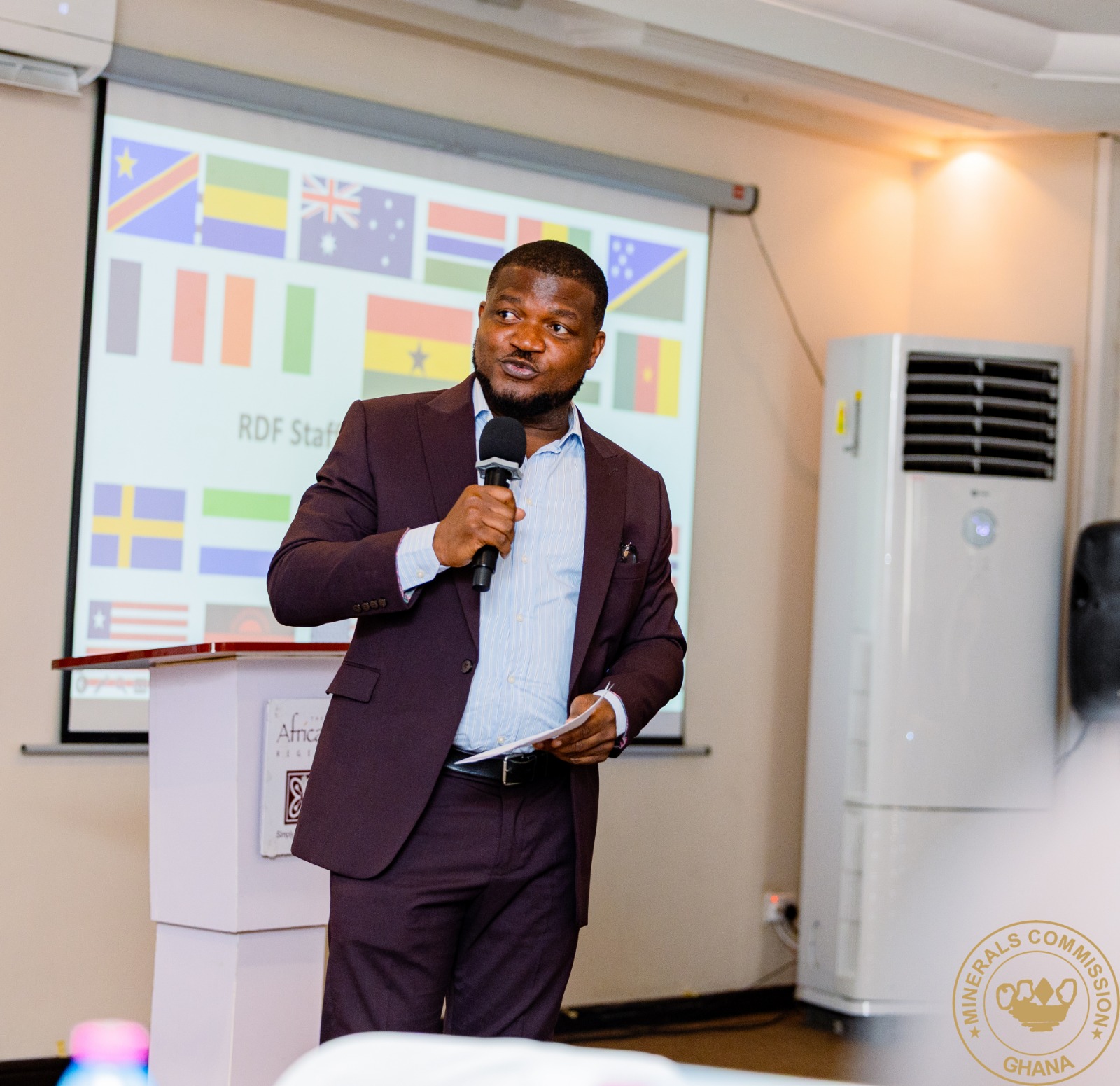
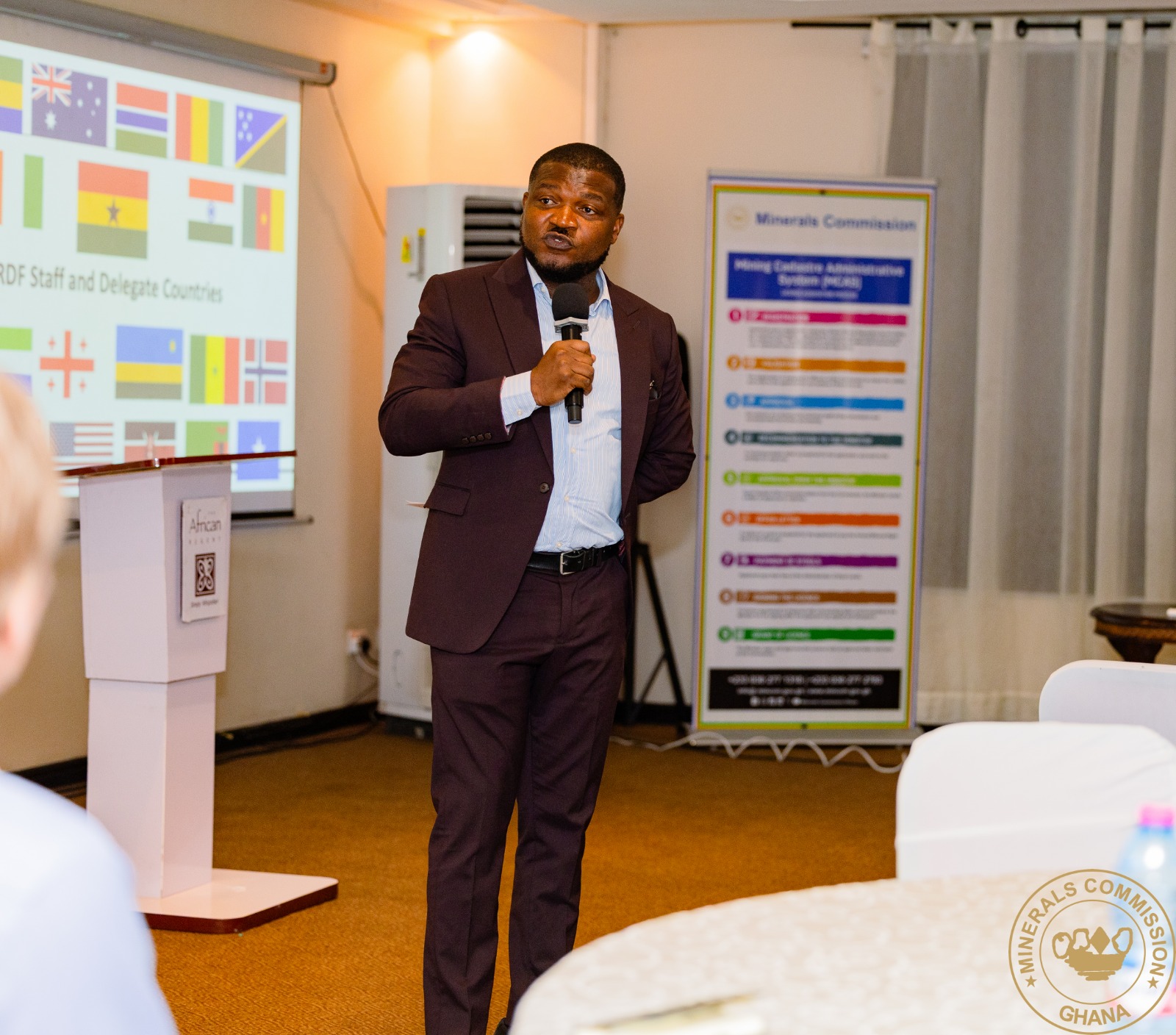
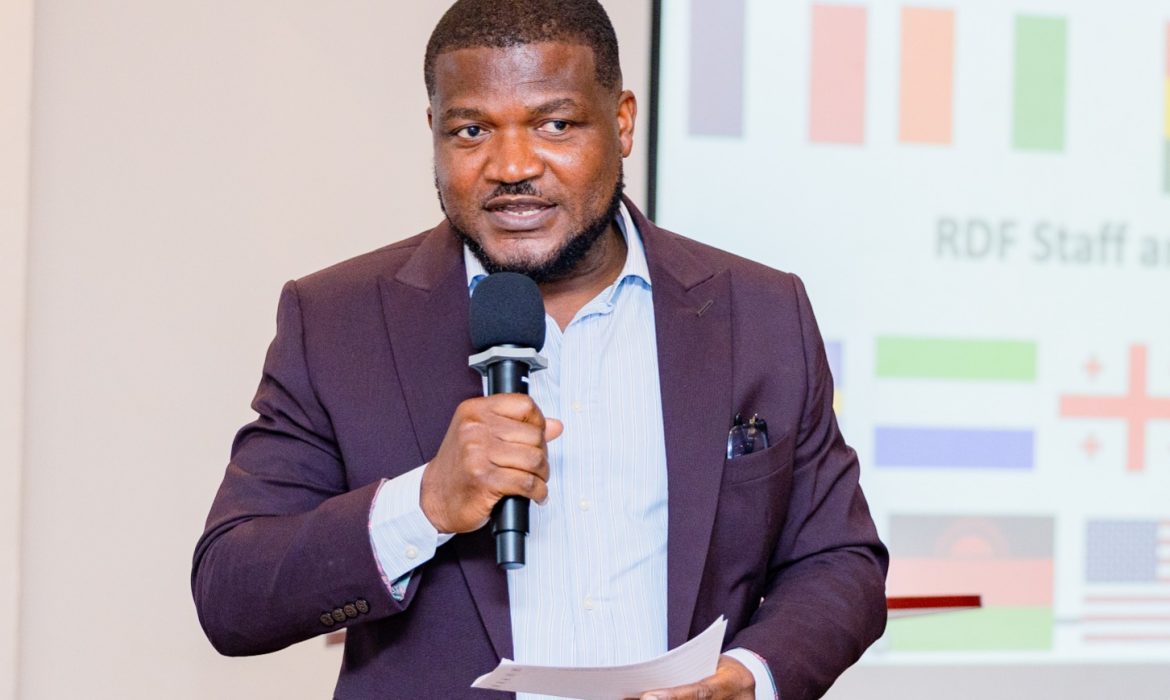
Tuesday, February 24, 2026 – The Chief Executive Officer of Minerals Commission, Mr. Isaac Tandoh has reaffirmed Ghana’s commitment to modernising its mineral administration systems and strengthening transparency within the sector during his opening remarks at the Revenue Development Foundation (RDF) 2026 Governance Systems Workshop for Staff and Delegate Countries held at the African Regent Hotel in Accra.
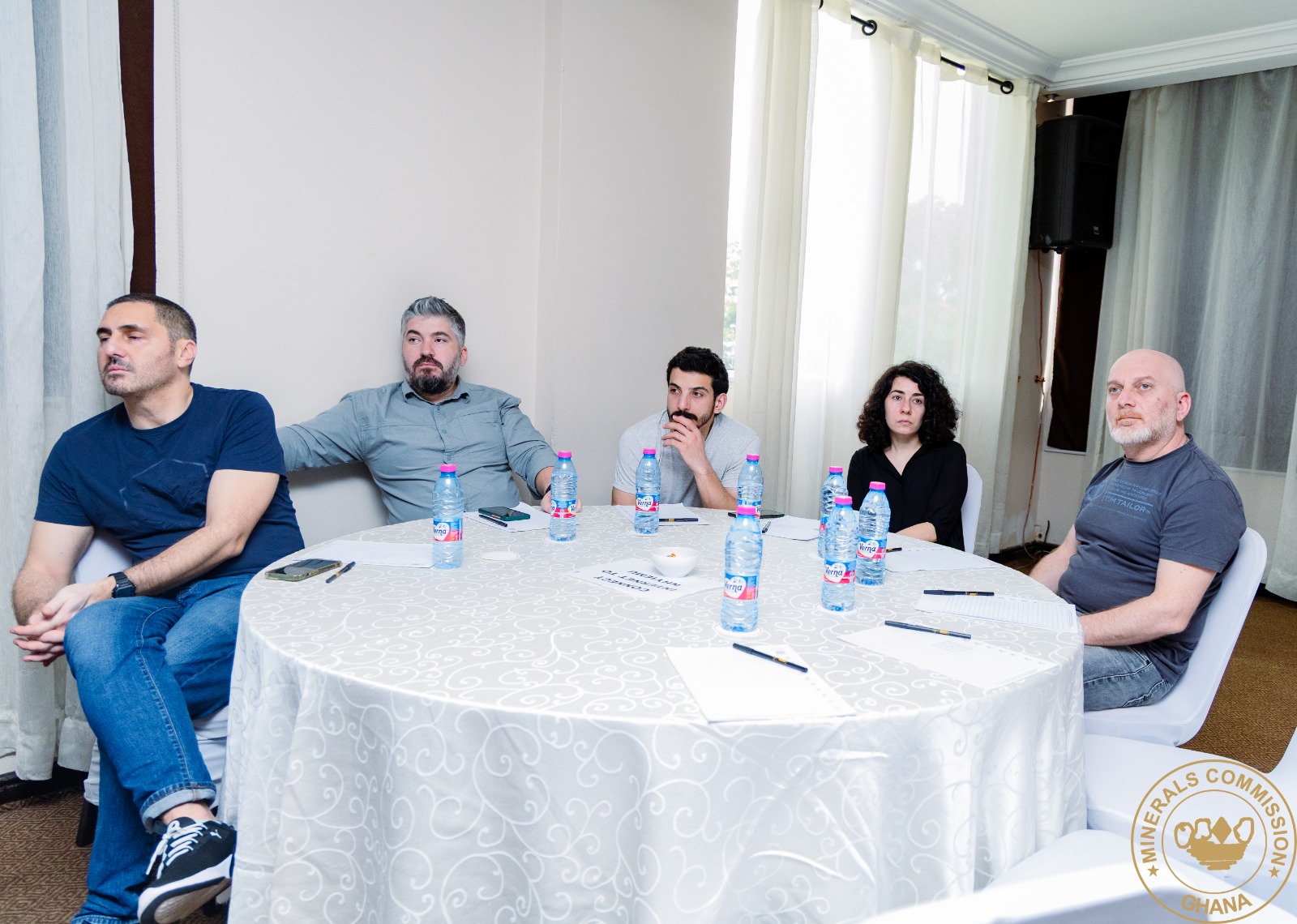
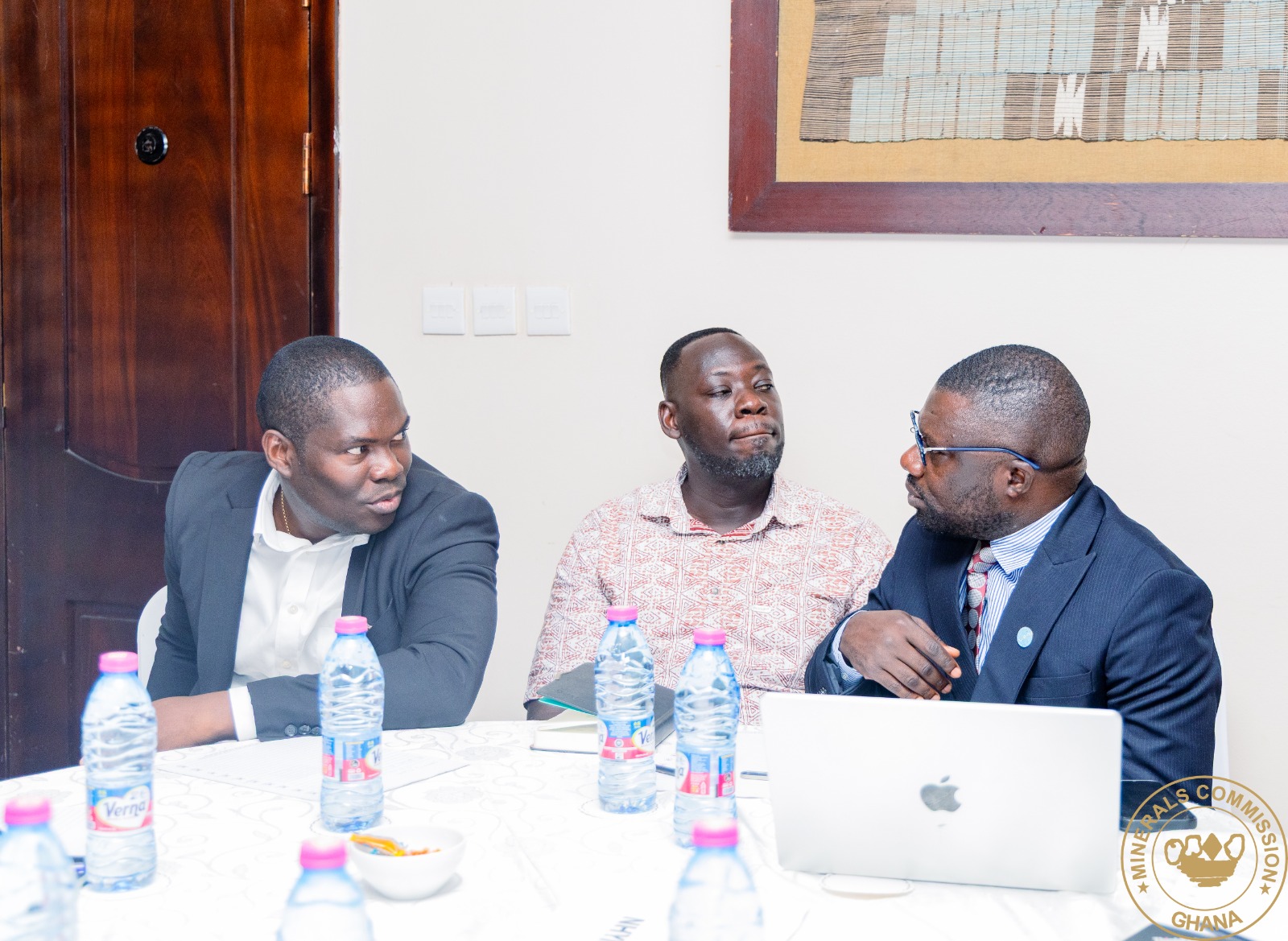
The workshop convened both local and international stakeholders to assess progress, exchange experiences, and enhance collaboration within the mineral revenue governance framework.
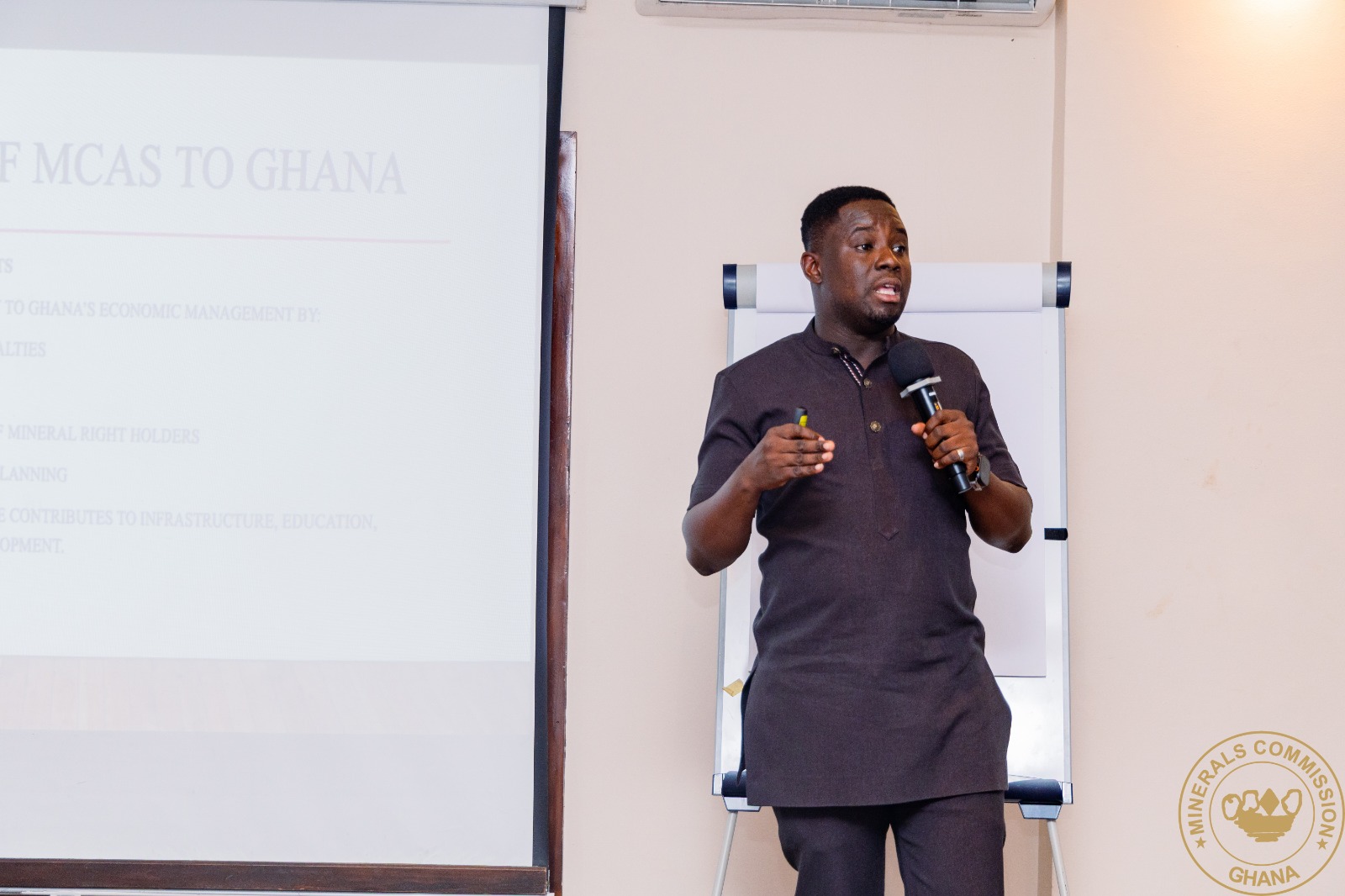
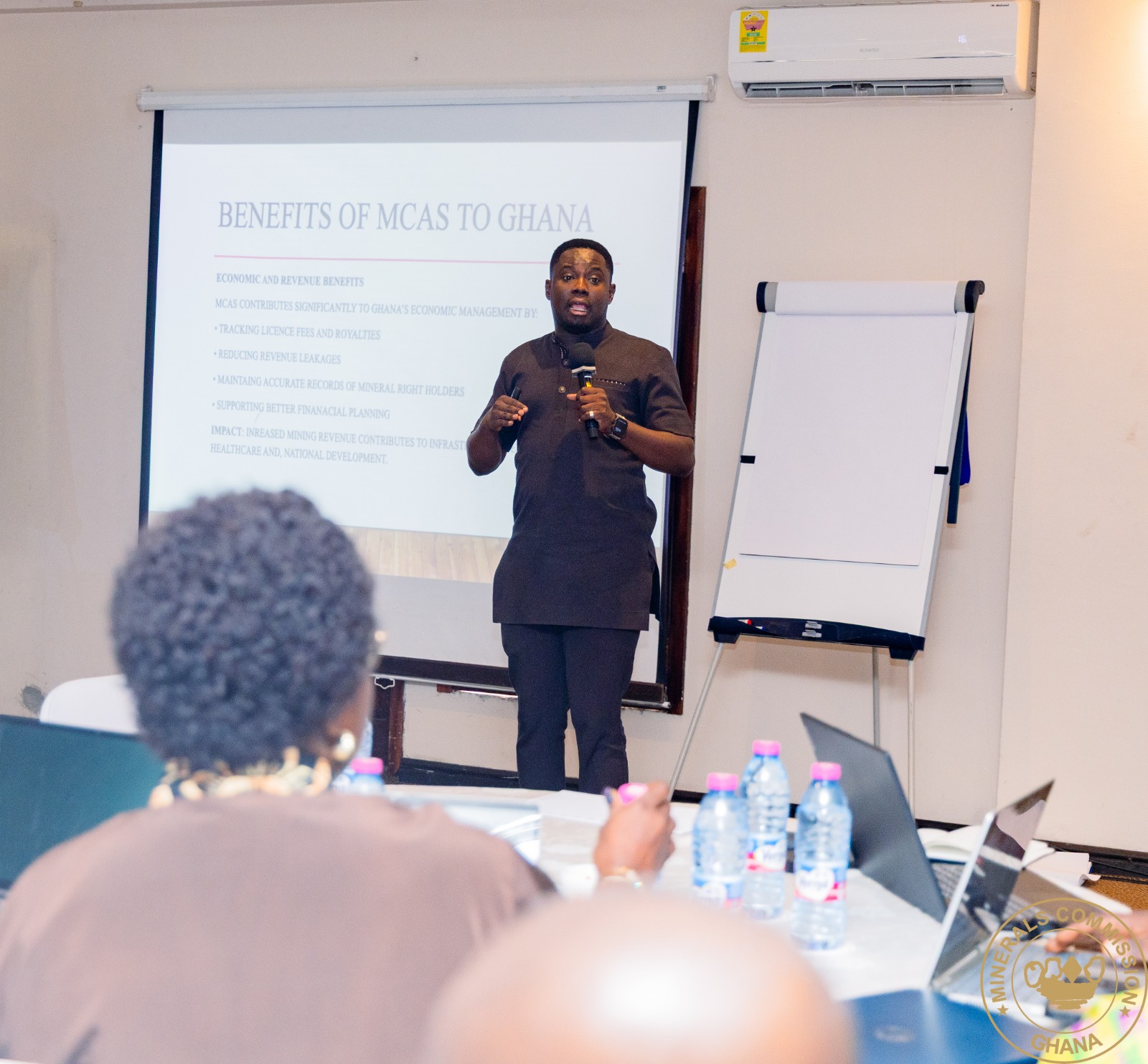
In his address, the CEO reflected on the Commission’s digital evolution, noting that the automated Mineral Cadastre Administration System (MCAS) went live in October 2021. He described this transition as a pivotal moment in Ghana’s mining sector regulation, establishing a foundation for improved licence processing, monitoring, and overall governance.
According to Mr. Tandoh, the digital system’s early achievements included identifying multiple and duplicate registrations within the licensing process. These irregularities have since been addressed, ensuring the accuracy and integrity of the national mineral rights database. The subsequent cleanup significantly reduced administrative bottlenecks and enhanced fairness in the licensing regime.
Mr. Tandoh highlighted that the deployment of digital tools has contributed to a notable increase in revenue for the Commission. Enhanced data accuracy, improved monitoring capabilities, and reduced discretionary decision-making have collectively strengthened Ghana’s capacity to capture appropriate mineral-related revenues.
Reinforcing the Commission’s dedication to equitable practices, the CEO emphasised adherence to a first-come, first-served approach in mineral rights allocation – a principle enabled by the digital cadastre. This transparency-focused policy aims to eliminate opportunities for manipulation while providing all applicants with a fair and predictable pathway to securing mineral concessions.
Offering an outlook on sector growth, Mr. Tandoh revealed that four new mining projects are currently at various stages of the approval process. These forthcoming projects underscore the growing attractiveness of Ghana’s mining environment and reflect positive investor response to the Commission’s modernisation agenda.
Mr. Tandoh stressed that no mineral rights processes will henceforth be conducted outside the digital system – a measure ensuring procedural consistency and protecting the Commission from undue external influences. This digital-first approach, he noted, has helped Ghana align more closely with global best practices in mineral governance.
The CEO also highlighted the importance of Ghana’s consistent implementation of the Ghana Extractive Industries Transparency Initiative (GHEITI). Through rigorous disclosure practices and adherence to international transparency standards, the Commission continues to build greater investor confidence while reinforcing Ghana’s global reputation as a responsible and stable mining destination.
In closing, Mr. Tandoh called on participating countries and partners to maintain their commitment to collaborative revenue governance. He emphasised that digital transformation, transparency, and accountability remain the foundational pillars upon which Ghana intends to build a resilient, future-focused mining industry.
—END—