Value Retention, Not Just Export Volumes, Must Define Ghana’s Mining Success
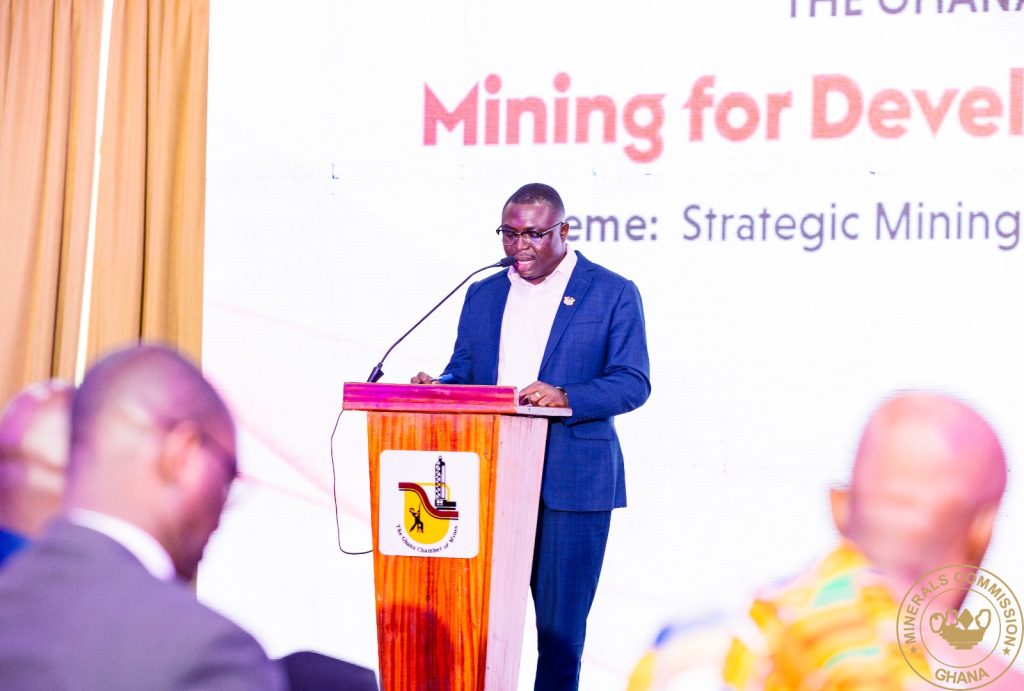
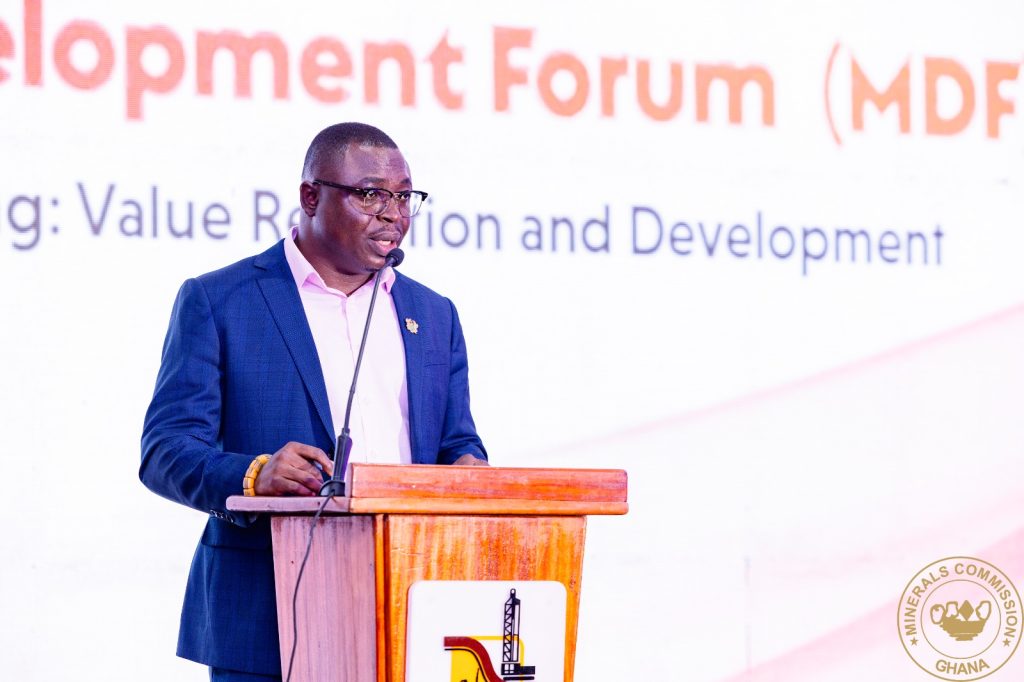
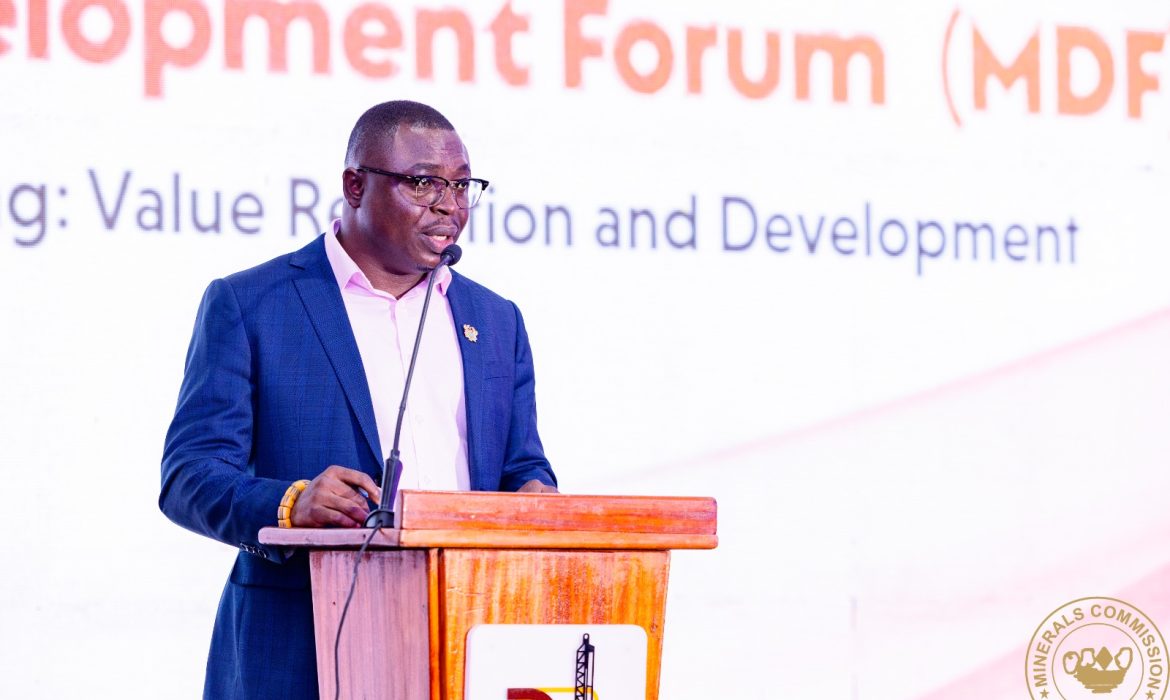
Ghana’s mining sector must redefine success beyond production volumes and export earnings, focusing instead on value creation, retention, and reinvestment within the national economy. This was the central message delivered by Mr. Emmanuel Kwamena Anyimah, Deputy CEO in charge of Support Services at the Minerals Commission. Speaking on behalf of the CEO, Mr. Isaac Tandoh, he addressed the Mining for Development Forum held at the Alisa Hotel on June 30, 2026.
Mr. Anyimah emphasized that while mining remains a cornerstone of Ghana’s macroeconomic framework through foreign exchange earnings and employment, the nation’s ultimate opportunity lies in industrializing around its natural resources. He pointed to the dividends of the Local Content and Local Participation Policies, which have enabled indigenous firms to expand operations, generate skilled jobs, and compete internationally.
Despite these gains, he cautioned that Ghana continues to face structural deficits, with high-value mining inputs, including heavy machinery, chemicals, and advanced technologies, still heavily reliant on imports, resulting in significant capital flight.
Outlining a transformative vision, Mr. Anyimah urged stakeholders to position Ghana as a regional hub for mineral processing, refining, mining technology, and equipment manufacturing. He called for targeted reinvestment in local research, innovation, and entrepreneurial infrastructure; leveraging national universities to pioneer mining-specific solutions; and expanding access to finance for indigenous suppliers to scale their operational competencies.
Mr. Anyimah noted that the state cannot deliver this vision in isolation. It demands robust, coordinated collaboration across government entities, regulatory bodies, financial institutions, academia, host communities, and traditional authorities.
“The true wealth of a mining nation is not measured only by the minerals it exports. It is measured by the industries it builds, the businesses it grows, the technologies it develops, the skilled workforce it produces, and the opportunities it creates for future generations,” Mr. Anyimah stated.
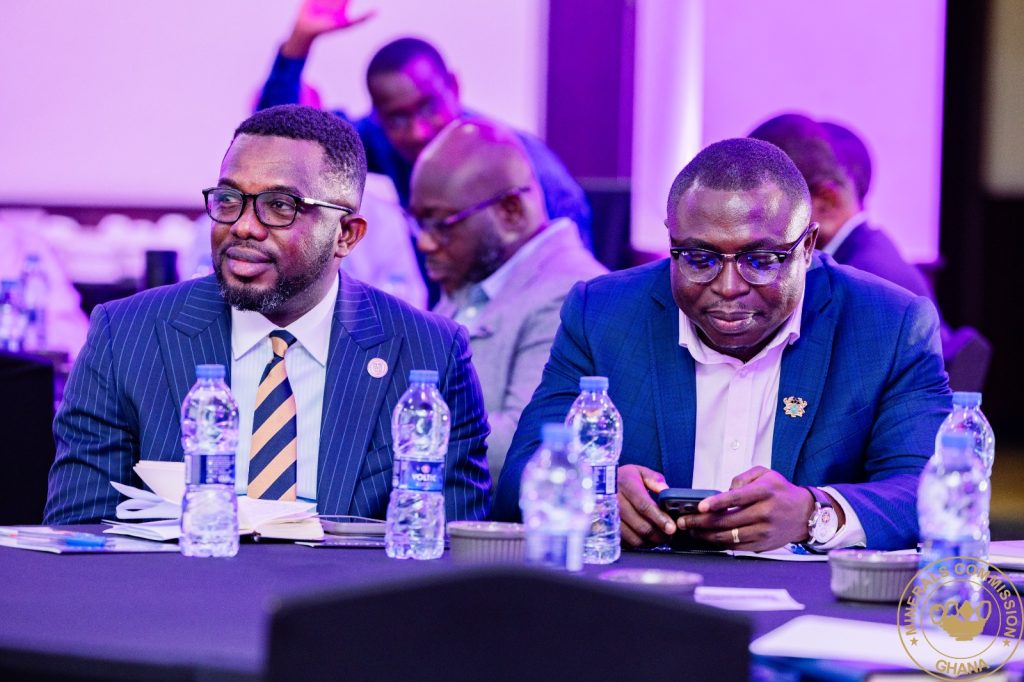
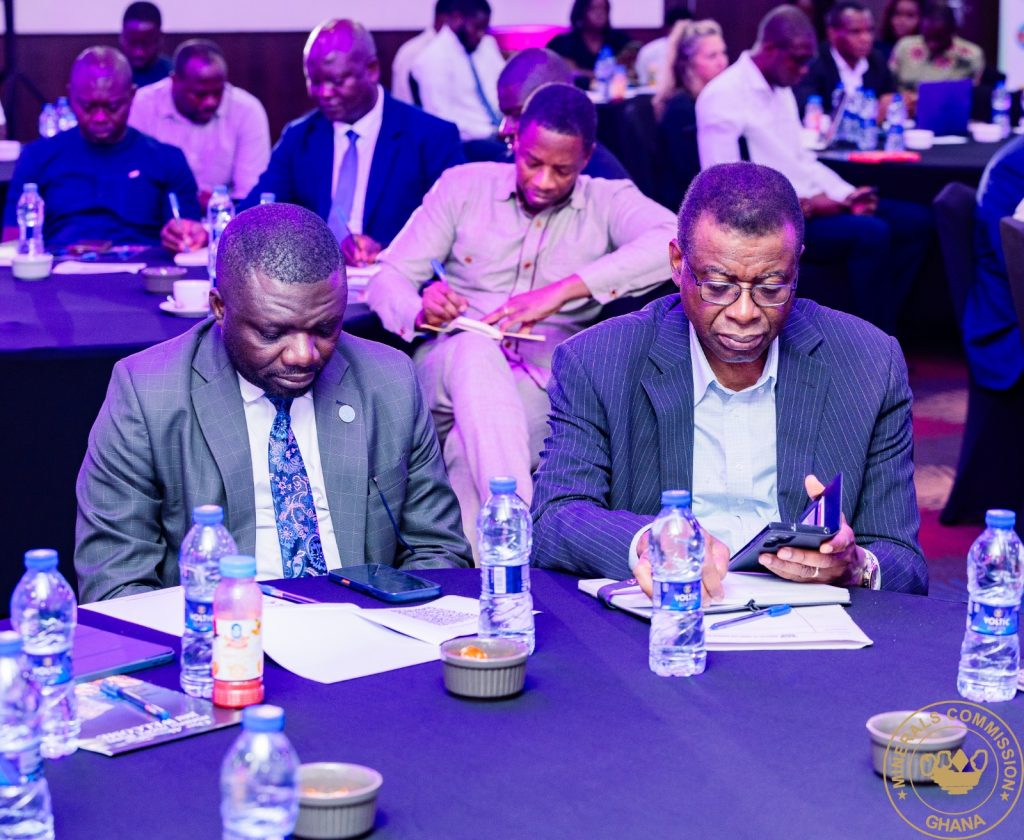
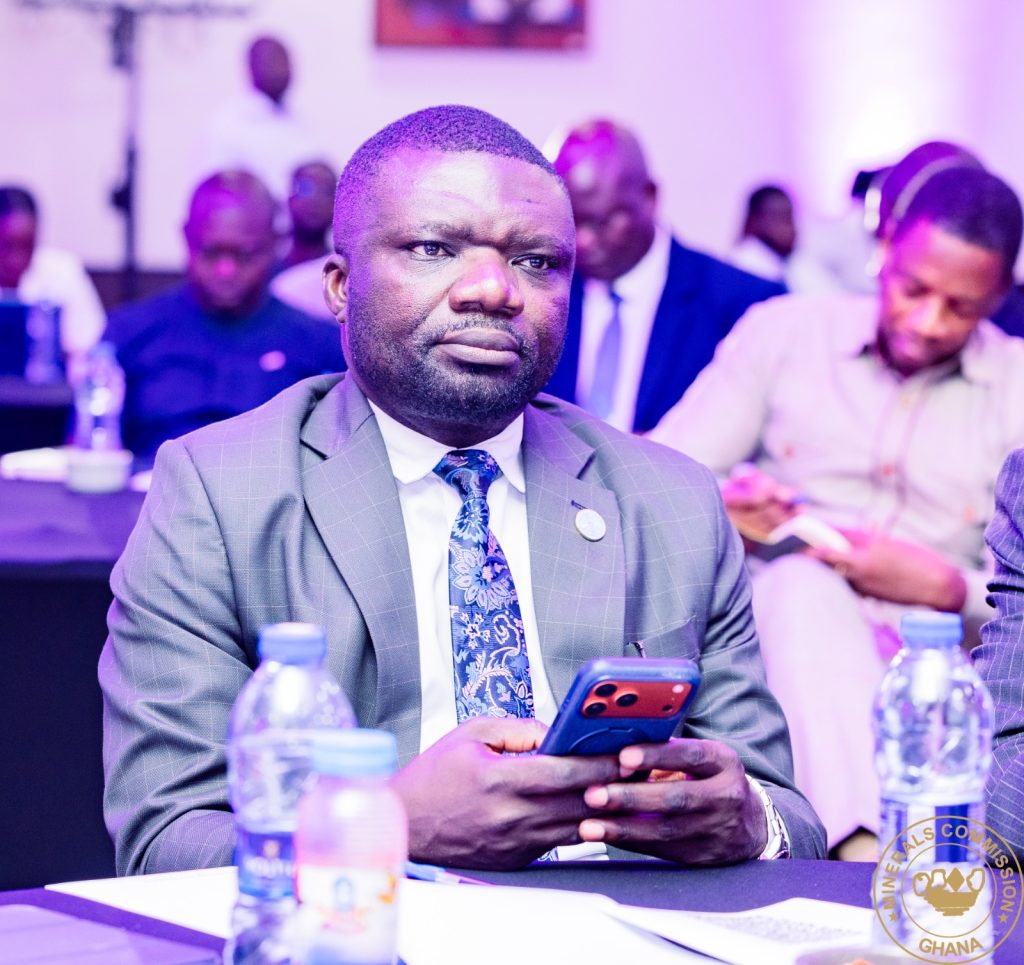
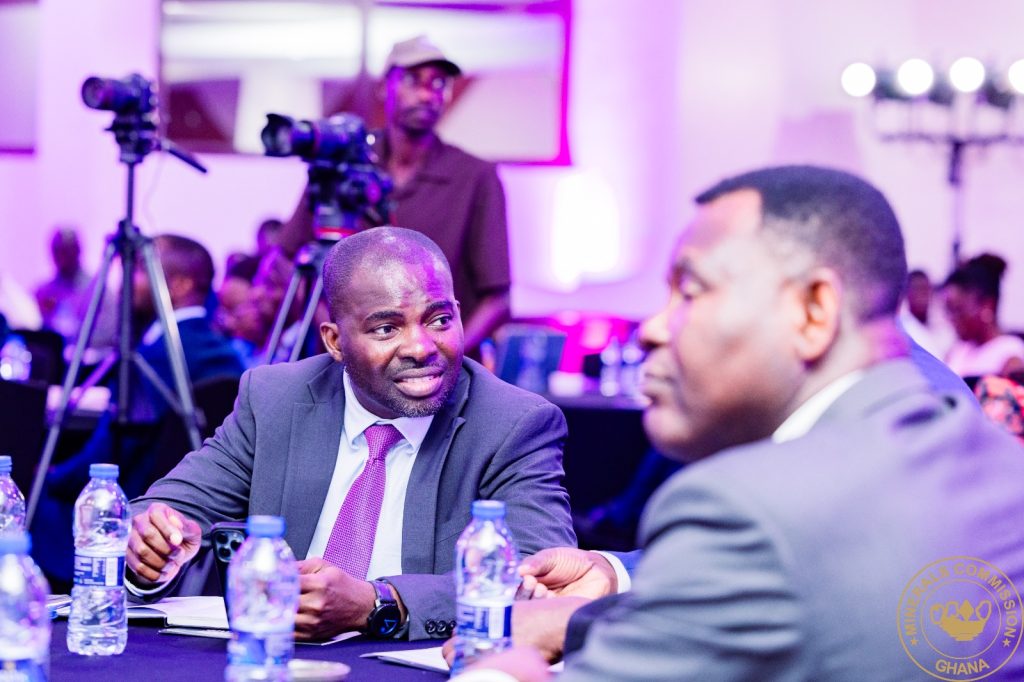
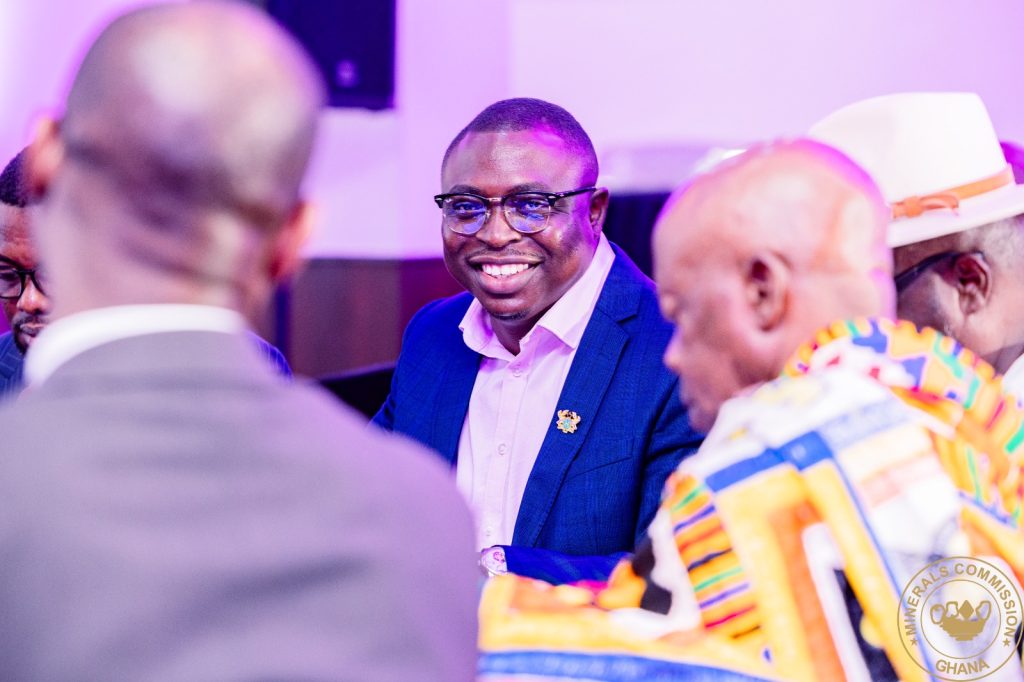
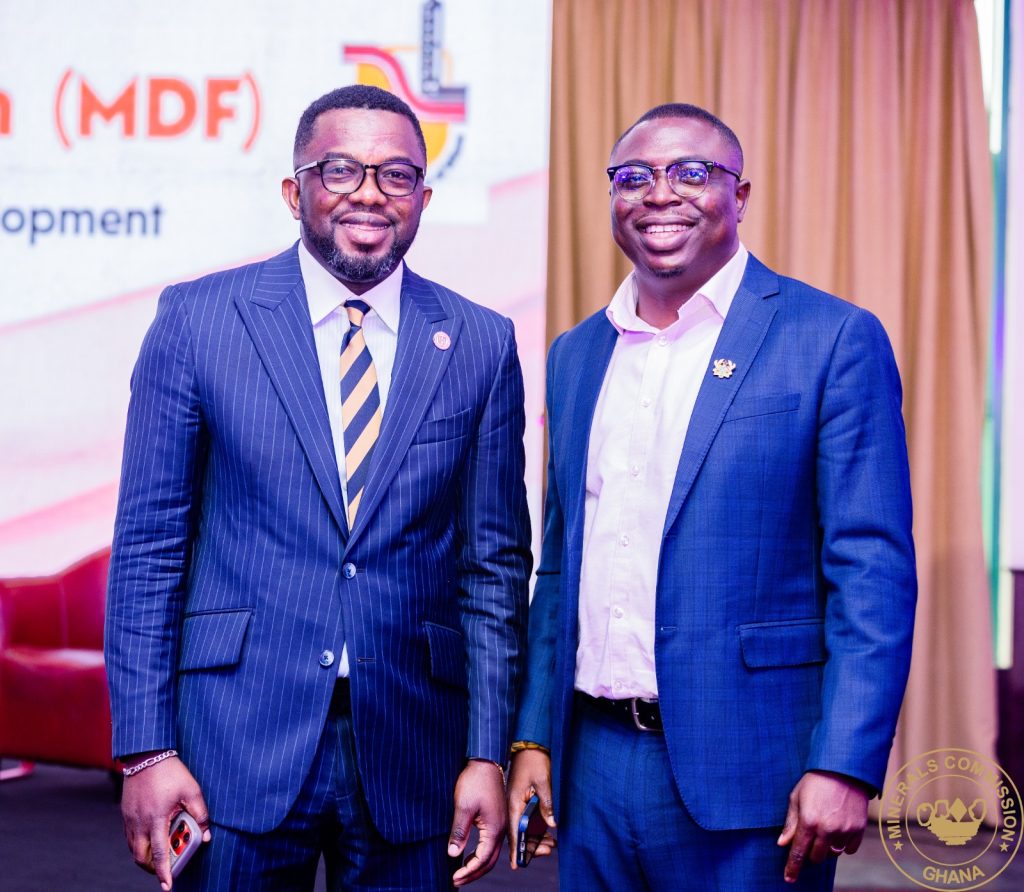
The forum, attended by leaders from the Ghana Chamber of Mines, the National House of Chiefs, government officials, and industry executives, underscored the need for such collaboration.
Concluding his remarks, Mr. Anyimah urged participants to prioritize practical, commercially viable solutions that strengthen local supplier development and mineral beneficiation. He reiterated that regulatory certainty and policy consistency are essential to safeguarding Ghana’s global competitiveness while laying a sustainable, multi-generational foundation for inclusive economic transformation.
End.