
+233 030 277 1318
+233 030 277 2783
info@mincom.gov.gh

Minerals House
#12 Switchback Road
Residential Area
Cantonment - Accra
GL- 060 -1131


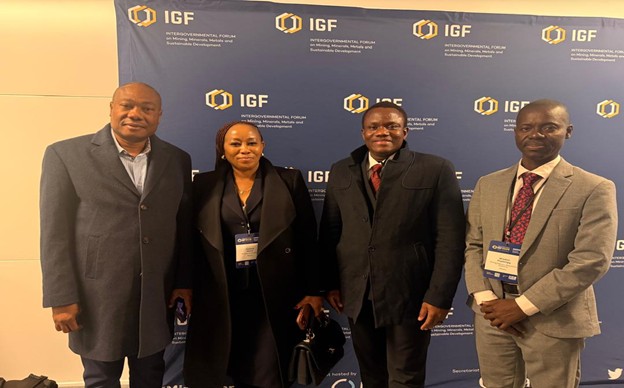
Ghana showcased its mining sector reforms and policy initiatives at the 21st Annual General Meeting (AGM) of the Intergovernmental Forum on Mining, Minerals, Metals and Sustainable Development (AGM), held from November 3–6, 2025, at the Palais des Nations in Geneva, Switzerland.
Organized under the theme, “Value Beyond Extraction: Rethinking Mining for a Resilient Future”, the four-day conference brought together member countries, policymakers, civil society organizations, and industry leaders to share knowledge, discuss emerging trends, and review technical sessions, including the induction of new Executive Committee members.
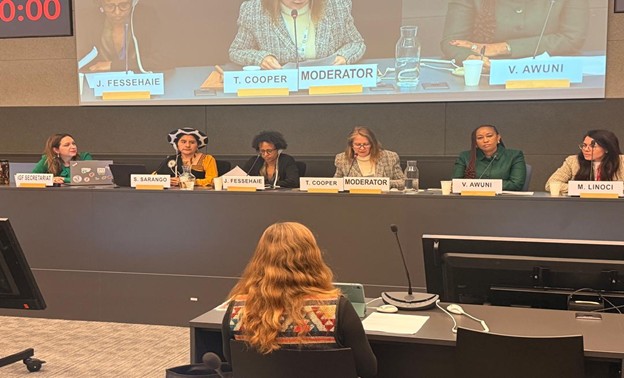
At the plenary session on Wednesday, November 5, Ms. Victoria Awuni, Deputy Chief Executive Officer for Policy Planning, Mineral Titles & Local Content at the Minerals Commission, spoke on “Value for All: Inclusive Strategies Across Mineral Value Chains.”
She emphasized that Ghana’s local content policies are designed to promote inclusivity while maximizing benefits for Small and Medium Enterprises (SMEs).
Awuni highlighted how local content and procurement frameworks drive inclusive employment, gender equality, and SME participation across the mining value chain.
She also cited the positive impact of corporate social responsibility (CSR) initiatives by mining companies, including ICT training, health, water, recreational facilities, and road construction.
Notable projects include the construction of ICT laboratories and the supply of computers for schools, as well as Newmont Ghana’s 10.2 km Afrisipa-Tekyire Bypass on the Sunyani-Kumasi Road and Goldfields Ghana’s 33 km Tarkwa-Damang road reconstruction.
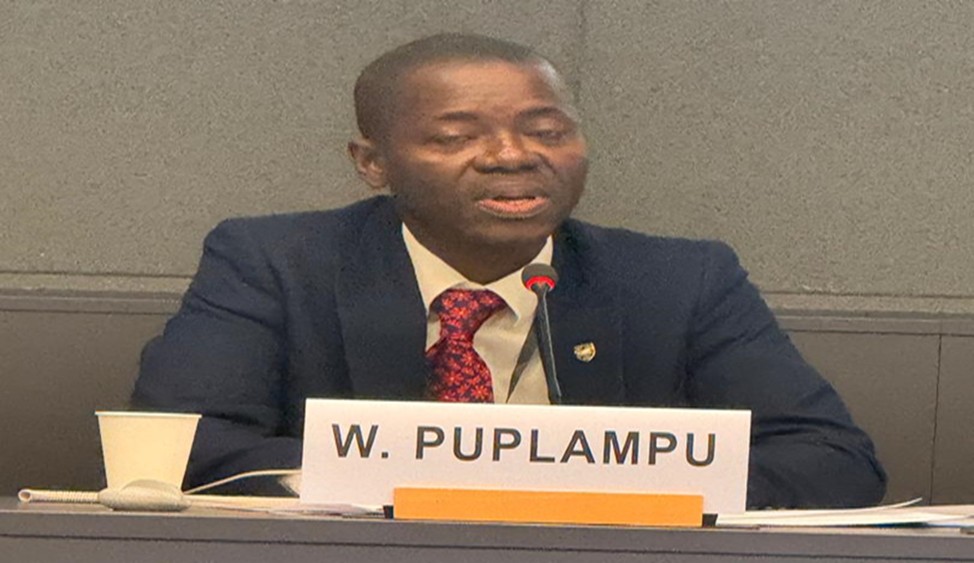
During the Commodity Session on Lithium, Mr. Wisdom B. Puplampu, Assistant Manager for Research and Statistics at the Minerals Commission, highlighted Ghana’s strategic potential in critical minerals.
He noted that the Ewoyaa Lithium Project presents opportunities for value retention and local beneficiation. Although the mining lease agreement with Atlantic Lithium’s subsidiary, Barari DV, is yet to be ratified by Parliament, the terms include a 10% royalty (up from 5%), 13% state participation (up from 10%), and 13% shareholding by the Minerals Income Investment Fund (MIIF).
Mr. Puplampu also highlighted that Atlantic Lithium is required to build a lithium processing facility, ensuring value addition and generating employment opportunities for Ghanaian youth. He emphasized that the new policy framework is designed to strengthen Ghana’s management of both traditional minerals (gold, bauxite, manganese, diamonds) and transition minerals like lithium.
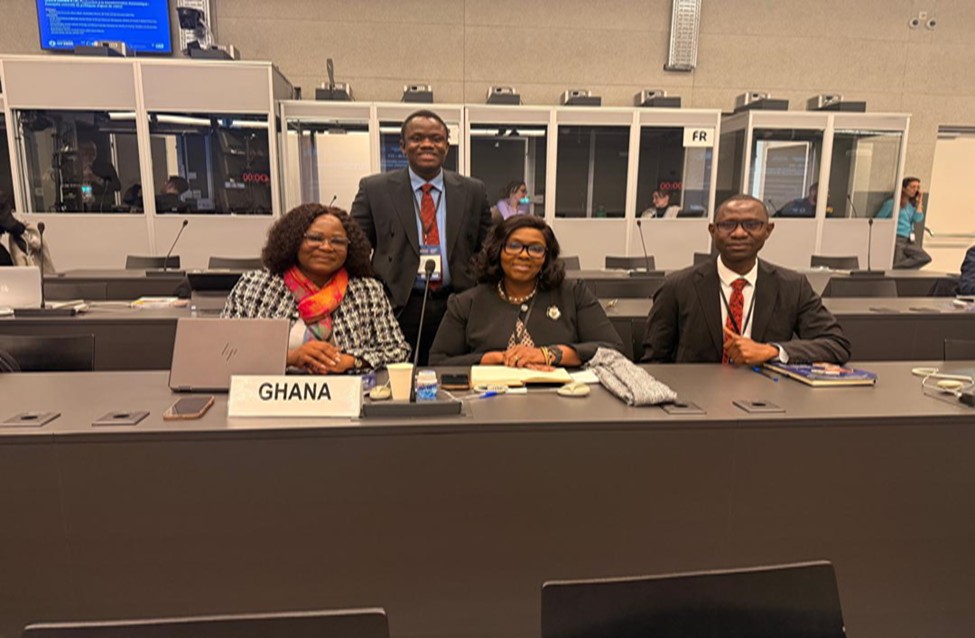
The Ghanaian delegation included: Mr. Martin Kwaku Ayisi (Technical Advisor, Ministry of Lands and Natural Resources); Mrs. Helen Akpene Awo Ziwu (Solicitor General, Office of the Attorney General & Ministry of Justice); Dr. Ahmed Tijani (Head of Corporate Affairs and IT, Minerals Commission); Mrs. Leona Serwah Johnson-Abassah (Chief State Attorney); Mr. Wisdom B. Puplampu (Assistant Manager, Research and Statistics, Minerals Commission); and Mr. Gabriel Gaanu (Manager, Mining Sector, Domestic Tax Division, Ghana Revenue Authority).
<<END OF STORY>>
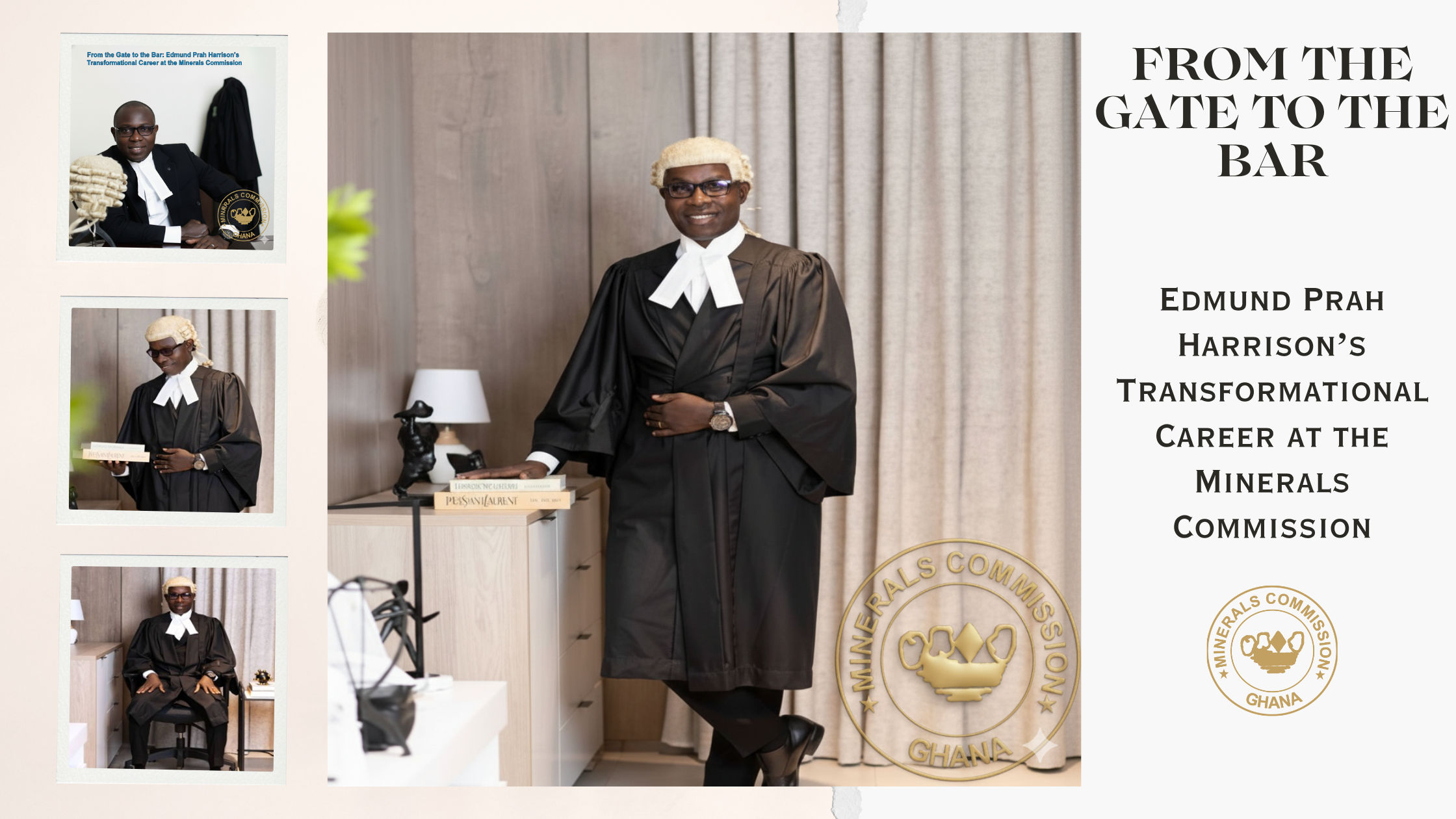
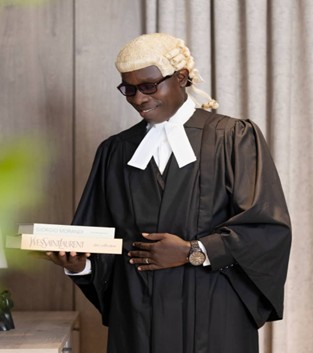
Growing up in a single-parent household, Edmund Prah Harrison Esq. faced financial hardship that nearly derailed his dream of becoming a top professional. Yet through perseverance, faith, and an unwavering commitment to personal growth, he transformed adversity into opportunity – charting a remarkable path within the Minerals Commission.
Edmund began his career at the Commission as a security personnel after completing Senior High School. Determined to advance, he acquired driving skills and pursued further education while working full-time. With discipline and resilience, he steadily progressed from driver to Assistant Administrative Officer, where he developed strong administrative and organizational capabilities.
It was during this phase that Edmund’s aspiration to pursue law took root. With unwavering focus, he completed his LLB programme and gained admission to the Ghana School of Law. Today, as a qualified lawyer, he brings a unique blend of practical experience, administrative insight, and legal acumen to support the Commission’s mandate.
Reflecting on his journey, Edmund emphasized that this transformation would not have been possible without the unwavering support and encouragement of the Board, Management, and Staff of the Commission. “Their belief in my potential, investment in capacity building, and commitment to nurturing talent created the enabling environment for my growth,” he noted. He also expressed deep gratitude for the opportunities, mentorship, and trust extended to him throughout his career.
Edmund’s story is a testament to the power of determination, continuous learning, and institutional support. He remains committed to serving the Commission with integrity, excellence, and a grounded perspective – ready to tackle complex legal challenges and contribute meaningfully to the Commission’s growth and development.
To God be the glory.
END.




The outing Chief Executive Officer of the Minerals Commission, Mr. Martin Ayisi, on Monday, September 1, 2025, engaged members of the Ghana Journalists Association (GJA) from the various regions in a spirited conversation about the government’s proposed amendment of the Minerals and Mining Act, 2006 (Act 703).
The discussion, which comes at a pivotal moment for Ghana’s extractive industry, outlined far-reaching reforms intended to modernize mining regulation, address long-standing inefficiencies, and ensure that communities derive greater benefits from the country’s mineral wealth.
In his keynote remarks, Mr. Ayisi was candid about the motivation behind the reforms. “The Minerals and Mining Act and its regulations have guided our industry for over thirteen years. But along the way, we have faced real implementation challenges. Change is not always about failure—it is also about positioning ourselves to achieve better outcomes,” he said.
He noted that advocacy from civil society organisations, think tanks, and the media had amplified concerns about the poor state of mining communities and the limited national gains despite Ghana’s mineral abundance. For him, the moment had come to “pivot strategically and overhaul the framework”.
The Commission’s boss stressed that Ghana’s mining policies cannot be divorced from wider regional and global realities. He urged caution against oversimplified comparisons with other jurisdictions. “When critics cite Burkina Faso or elsewhere, we must ask: what are their standards? In Ghana, for example, we insist on certified mine managers—a basic requirement that may not apply in other countries. We must avoid a race to the bottom,” he explained.
He also warned that insecurity in neighboring states often spills across borders, reinforcing the need for Ghana’s policies to reflect both domestic priorities and regional dynamics.
Mr. Ayisi took the journalists through key reforms at the heart of the amendment bill, including:
1. Abolition of Development Agreements (DAs) – These special agreements, which shielded companies from certain taxes and levies, will be scrapped. According to him, they prevented the state from benefiting during record commodity booms such as the current $3,000/oz gold price era. “The asymmetry is unacceptable” he said, recalling how stabilisation clauses blocked Ghana’s attempts to capture windfall profits.
2. Shorter Mining Leases – Lease durations will be cut from 30 years to a maximum of 15 years, reflecting the reality that most mines exhaust in under a decade. “30 years leases are excessive and out of step with economic and geological data” he argued.
3. Overhaul of Stabilisation Clauses – Broad investor protections will be abolished, though limited stability clauses may still apply to large-scale, capital-intensive projects such as refineries or major infrastructure.
4. Capping Prospecting Licences – Ghana will end indefinite licence renewals that encourage land hoarding. New limits, likely between 7–9 years, will align the country with global best practices.
5. Mandatory Community Development Agreements (CDAs) – For the first time, companies will be legally required to commit a percentage of revenue—not profit—to host communities. Mr. Ayisi illustrated this with a striking example: “If Newmont Ahafo had committed just 1% of last year’s $1.8 billion revenue, $18 million would have gone directly into local development.”
6. Parliamentary Oversight – He also reaffirmed Ghana’s unique stance of subjecting mining lease cancellations to parliamentary ratification, a safeguard that underscores transparency.
Beyond technical reforms, Mr. Ayisi stressed that the new Act will deliberately mainstream gender considerations and open doors for persons with disabilities to participate meaningfully in mining. “This industry must not only be profitable; it must be inclusive and socially just” he declared.
Adding further depth, Mr. Benjamin Aryee, former CEO of the Commission and Advisor to the Minister, presented a review of the 2014 Mining Policy. His remarks tied the proposed reforms to larger global shifts.
He underscored the importance of Ghana’s Green and Critical Minerals Policy, which aligns the country with surging global demand for transition minerals like lithium. He also emphasized the growing influence of ESG (Environment, Social, and Governance) standards, the impacts of climate change, and the government’s moves to create a new medium-scale mining category alongside cooperative mining initiatives.
“Global trends demand nothing short of a paradigm shift” Mr. Aryee said. He further added “Climate change, the race for critical minerals, and lessons from a decade of implementation compel us to rethink how Ghana manages its mineral endowment”.
Together, the presentations painted a picture of a bold, forward-looking mining sector one that seeks not just foreign investment but also fairness, accountability, and sustainability.
For Ghana, a country long dependent on gold, bauxite, manganese, and more recently, green minerals, the proposed amendments could mark the most significant regulatory shake-up in nearly two decades.
And if the words of Mr. Ayisi and Mr. Aryee are anything to go by, the reforms are not just about fixing old problems. They are about preparing Ghana’s mining sector for the next era of opportunity, one rooted in resilience, inclusivity, and sustainable national growth.
The President of the Ghana Journalists Association (GJA), Mr. Albert Kwabena Dwumfuor on his part, stressed that responsible regulation is the only way to safeguard communities and protect the nation’s resources.
Speaking at the stakeholder engagement with the Minerals Commission on the proposed amendment of the Minerals and Mining Act, the GJA President commended the Commission’s outgoing Chief Executive Officer, Mr. Martin Ayisi, for his commitment to transforming the industry.
The GJA President recalled that last year he had submitted a report to the Presidency highlighting the urgent need for reforms in the sector. He noted that illegal mining, popularly known as galamsey, has become nothing short of a national emergency, wreaking havoc on water bodies, destroying farmlands, and threatening livelihoods.
The Association, he said, sees its role not just as observers but as partners in ensuring accountability. By informing and educating the public, journalists can help citizens understand the implications of mining reforms and push for their full enforcement.
While acknowledging that reforms may have come later than expected, the GJA President stressed that “it is never too late to make the right changes.” He called for consistency, transparency, and active involvement of all stakeholders, including civil society and local communities, in shaping Ghana’s mining future.
The GJA, he assured, will continue to use its platforms to keep the national conversation alive, track progress, and ensure that Ghana’s mineral wealth benefits the wider population rather than a privileged few.
END.
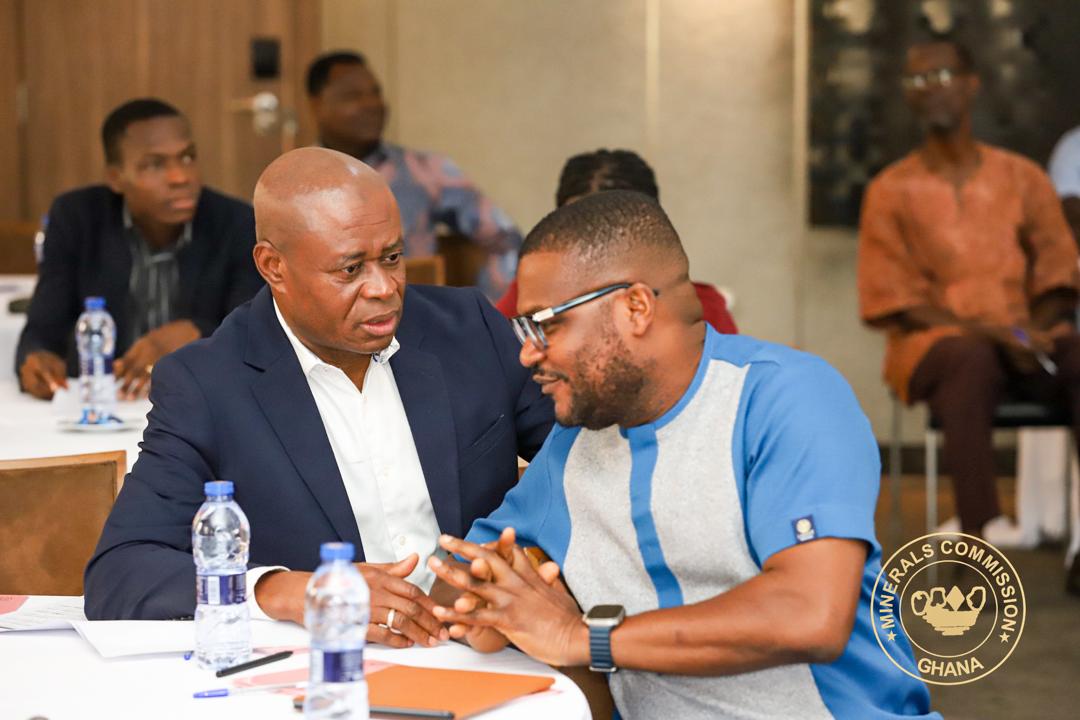
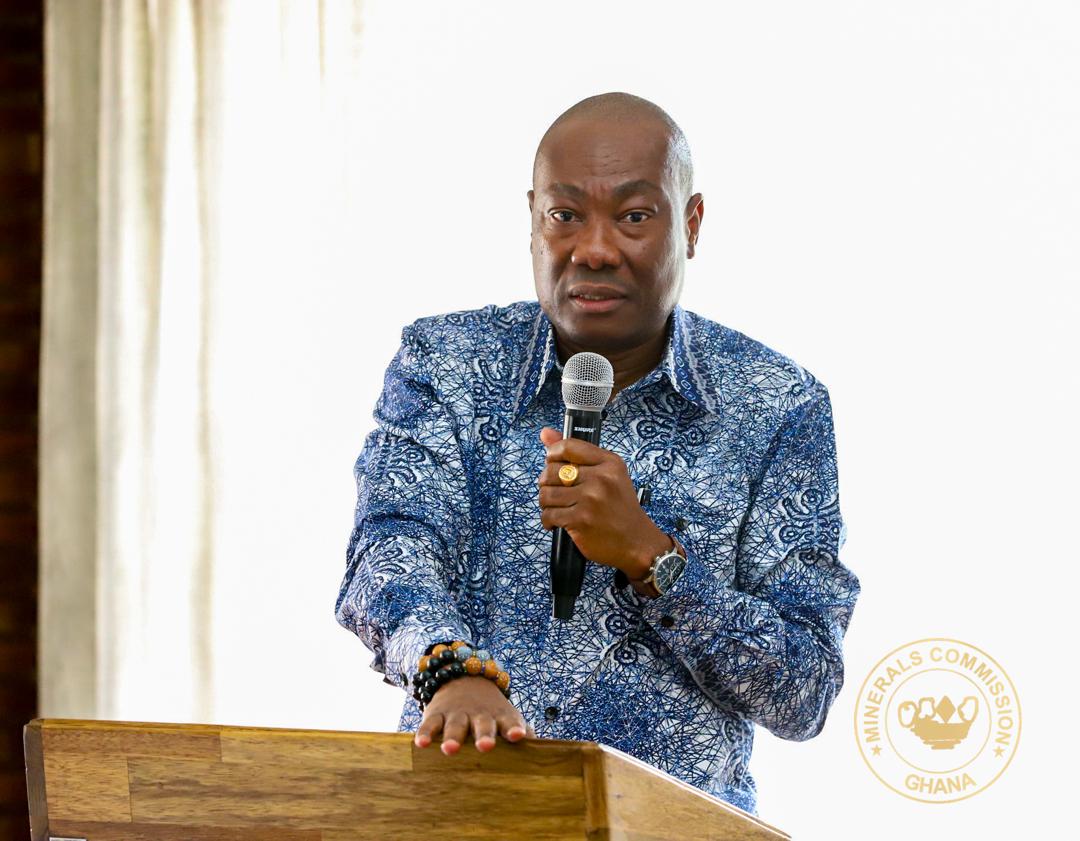
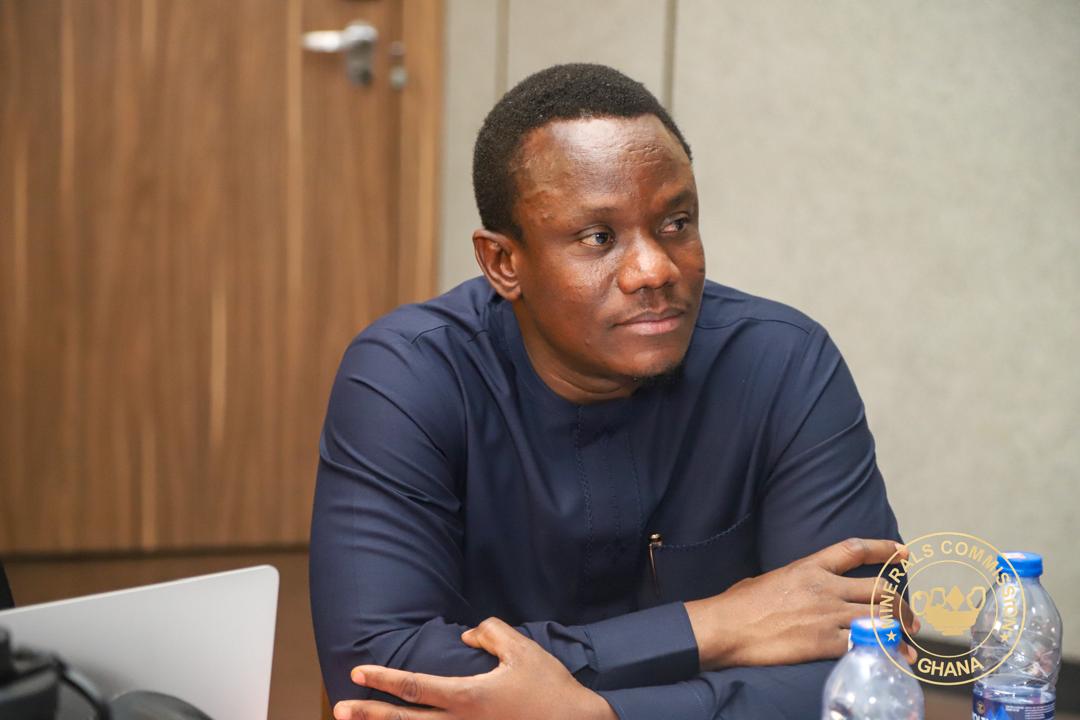
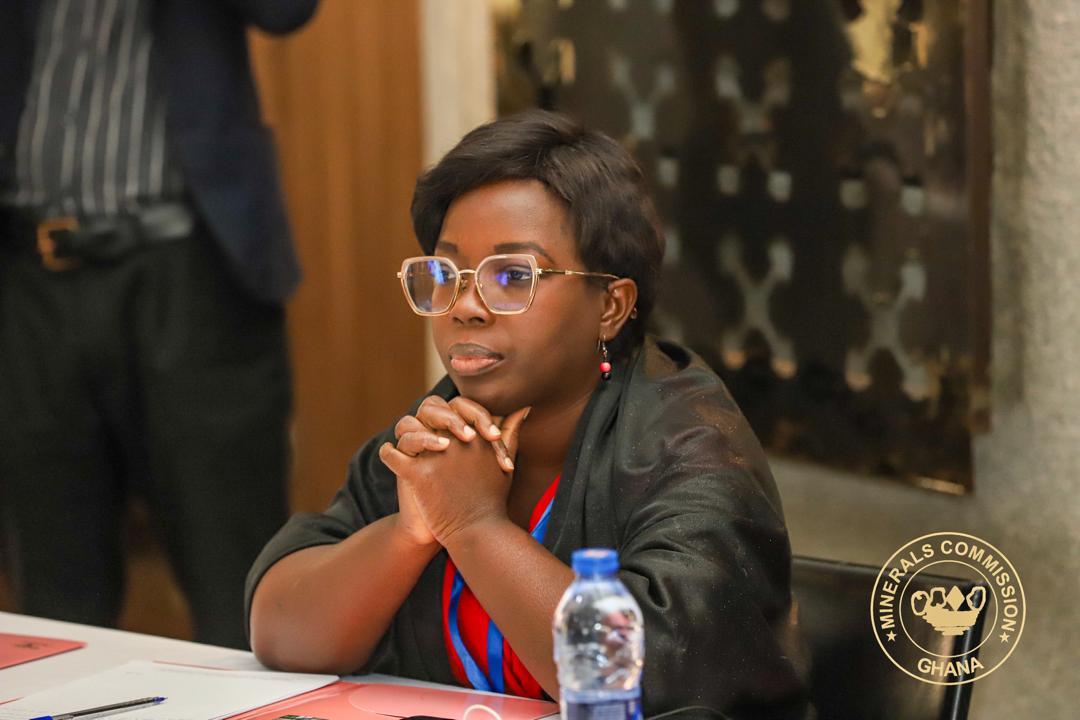
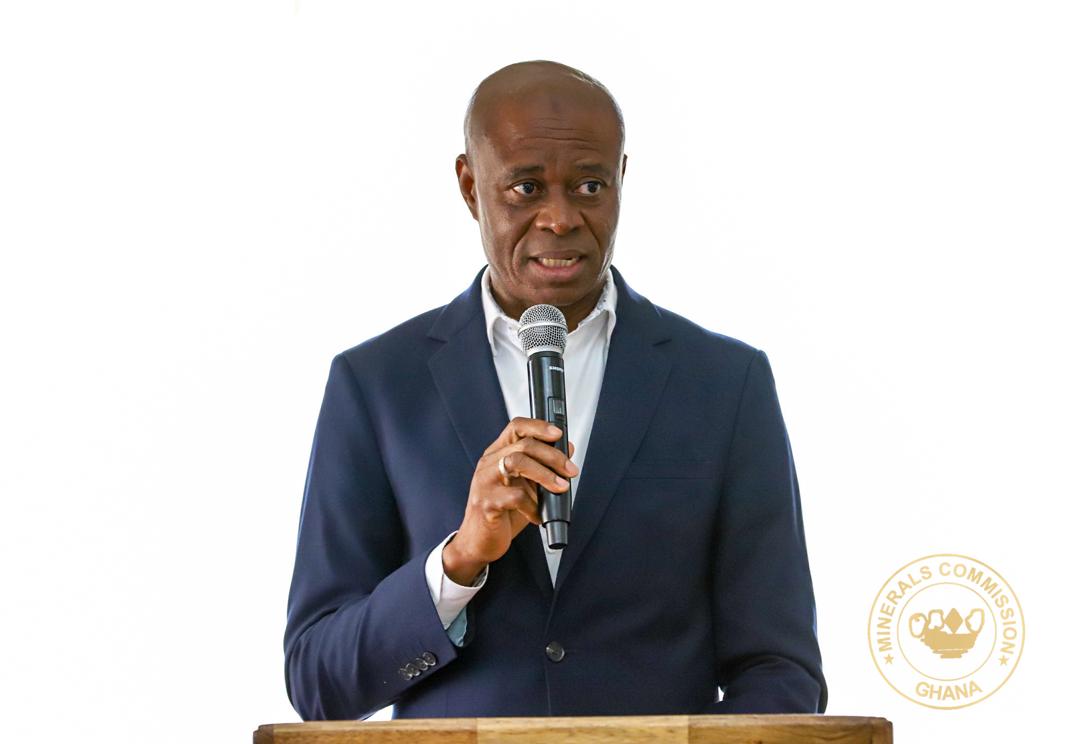
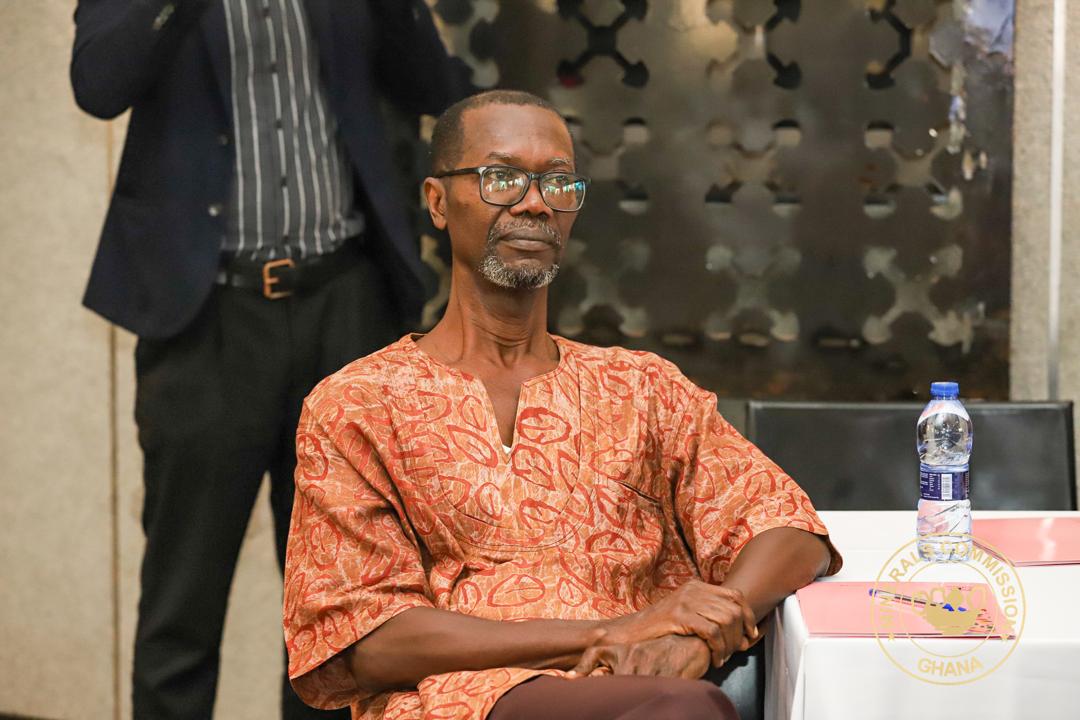
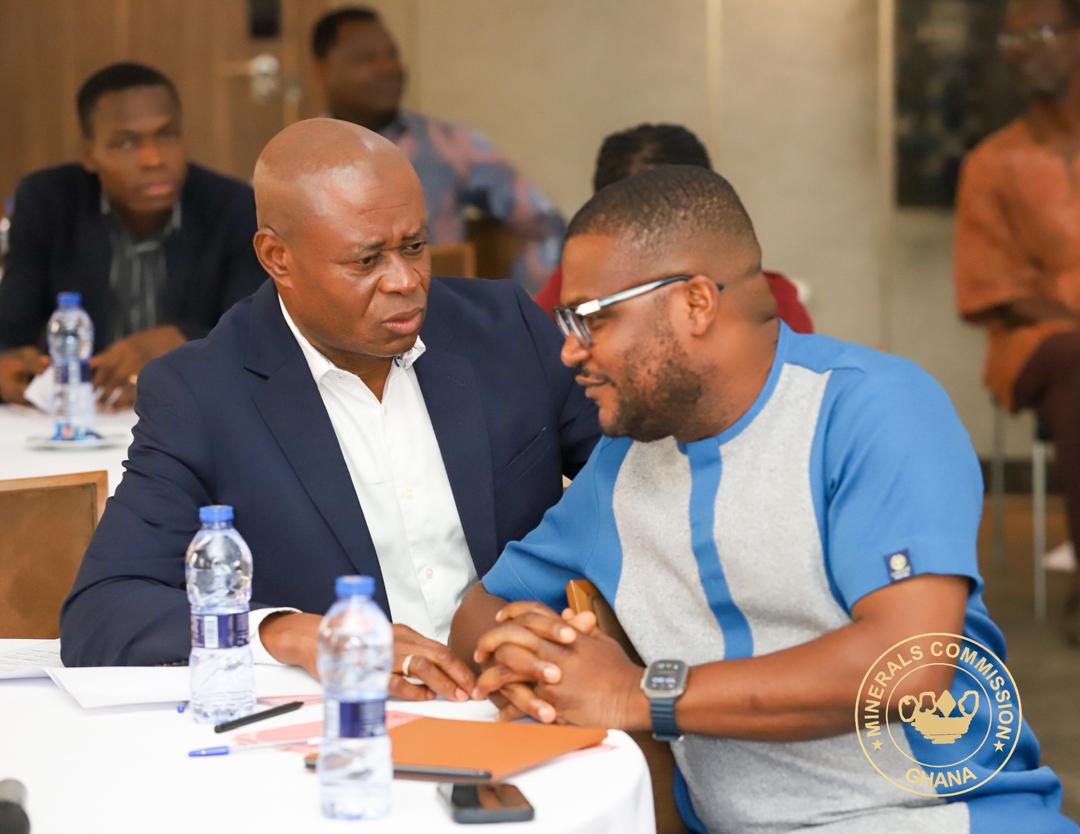
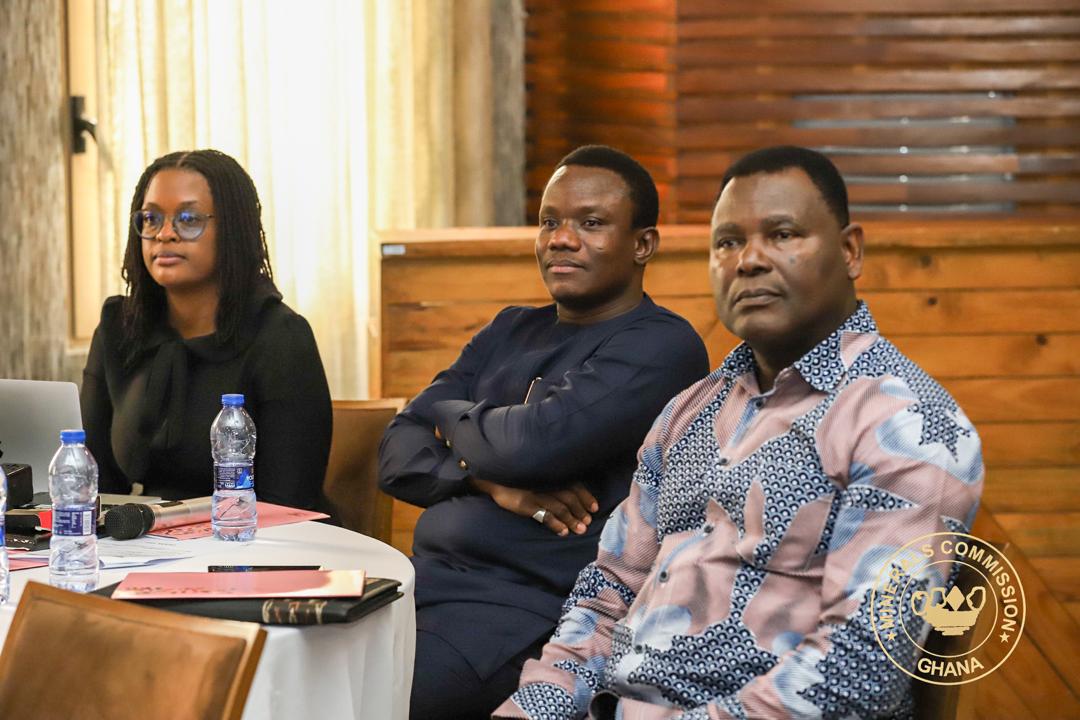
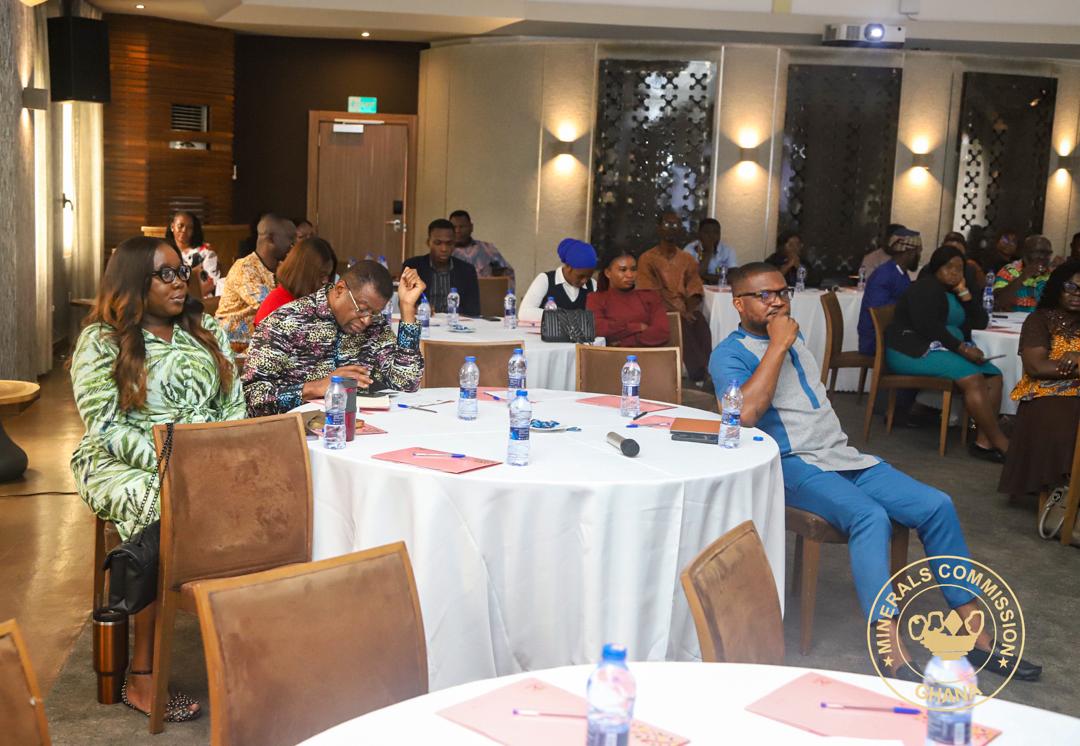

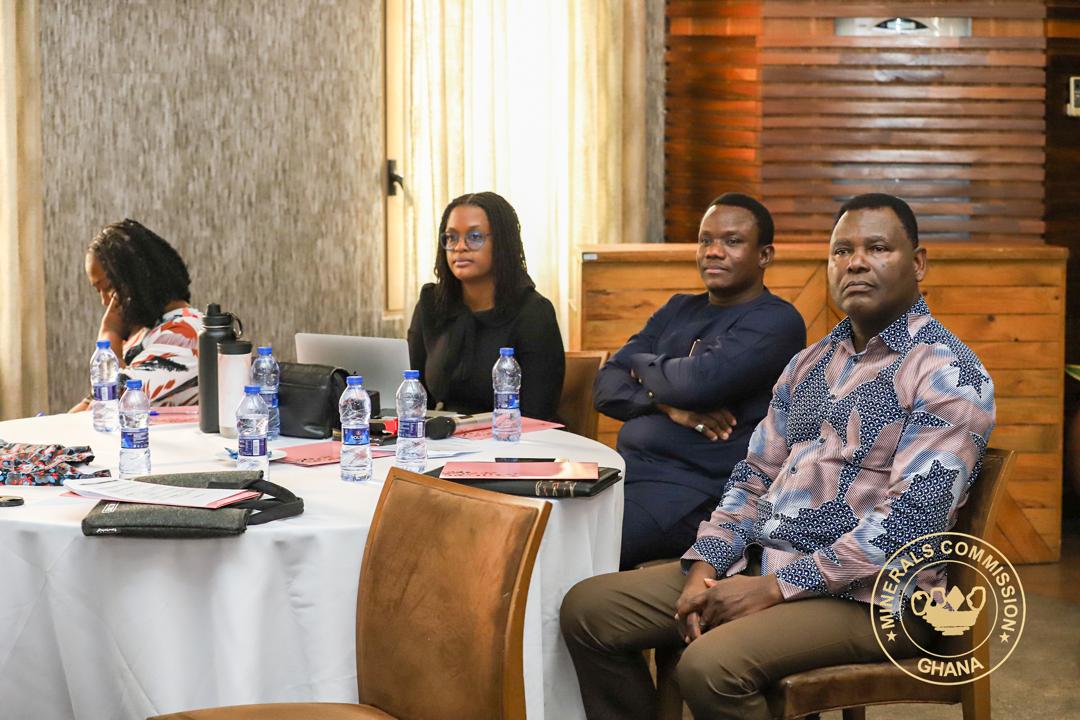
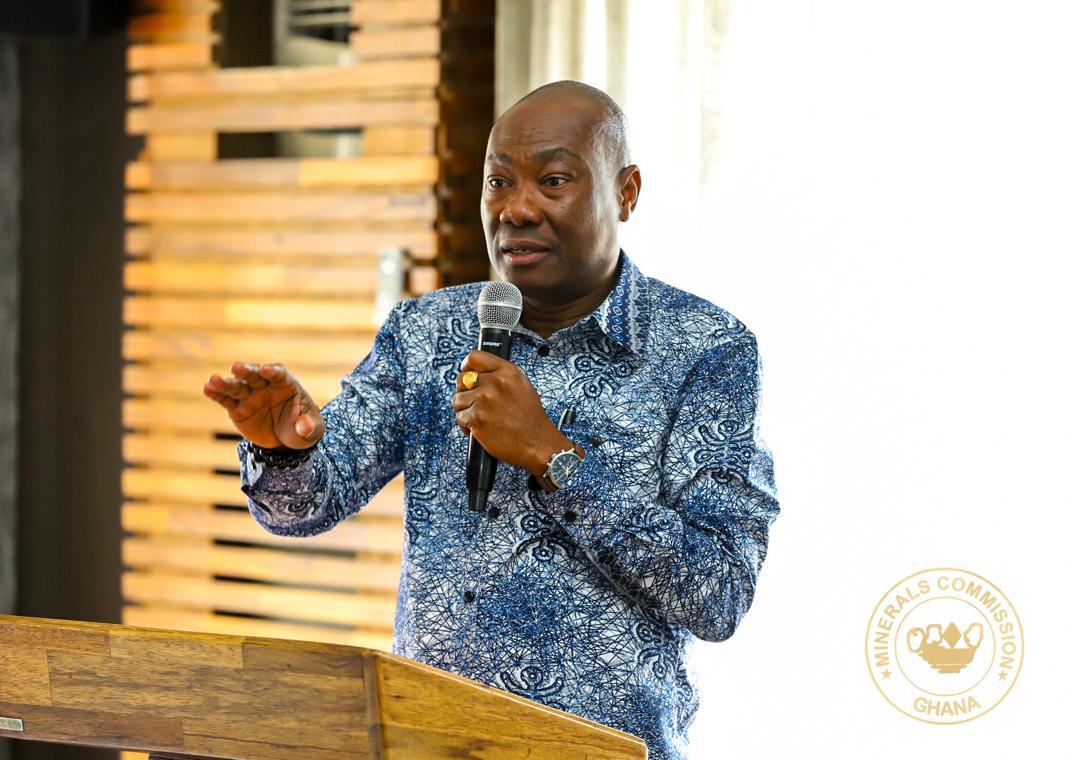
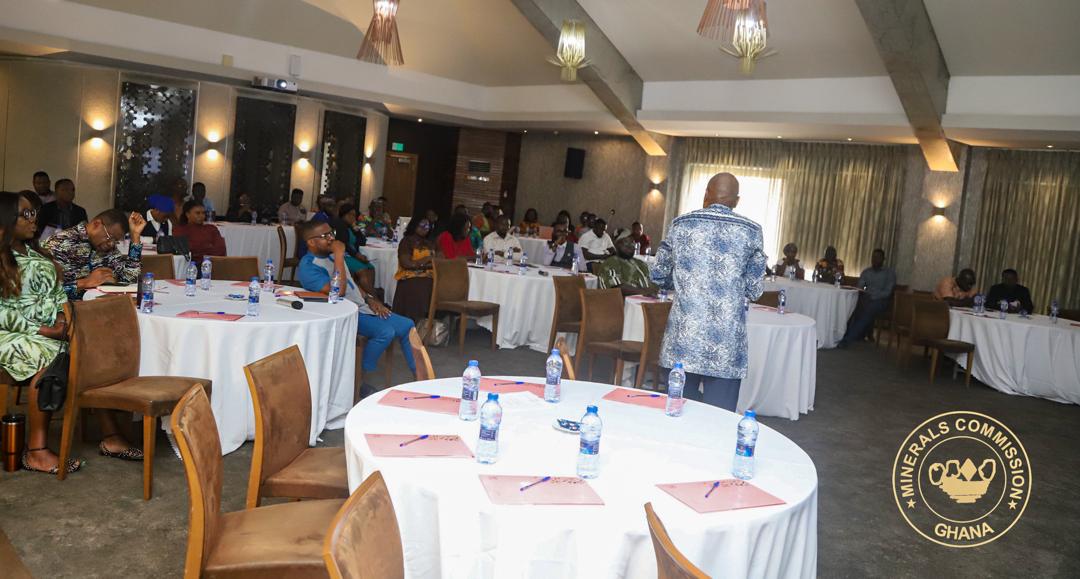
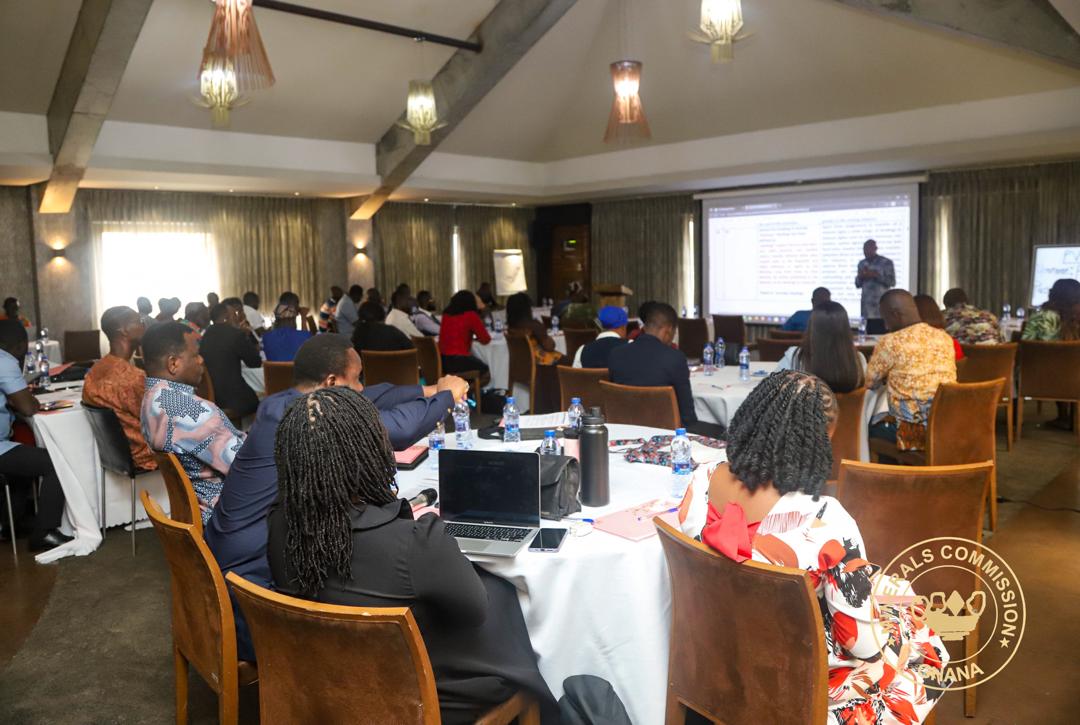
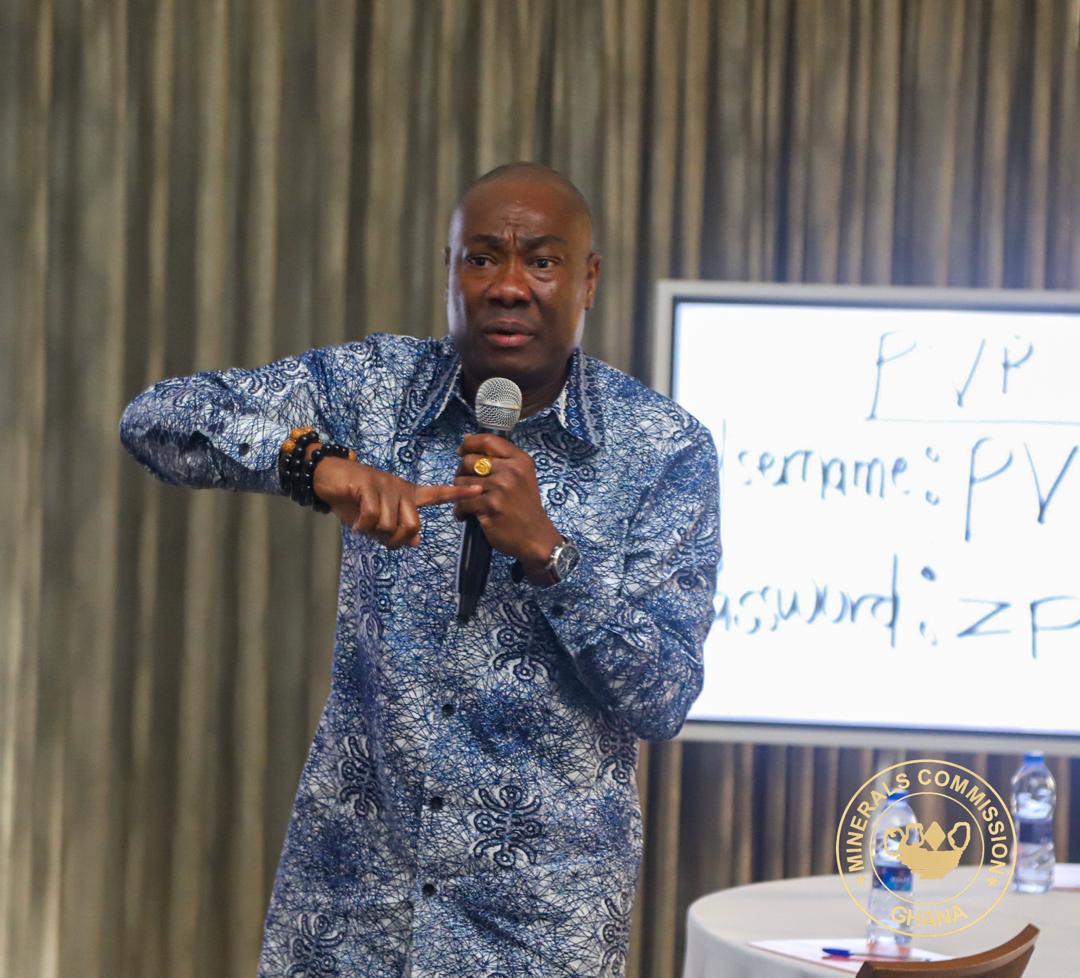
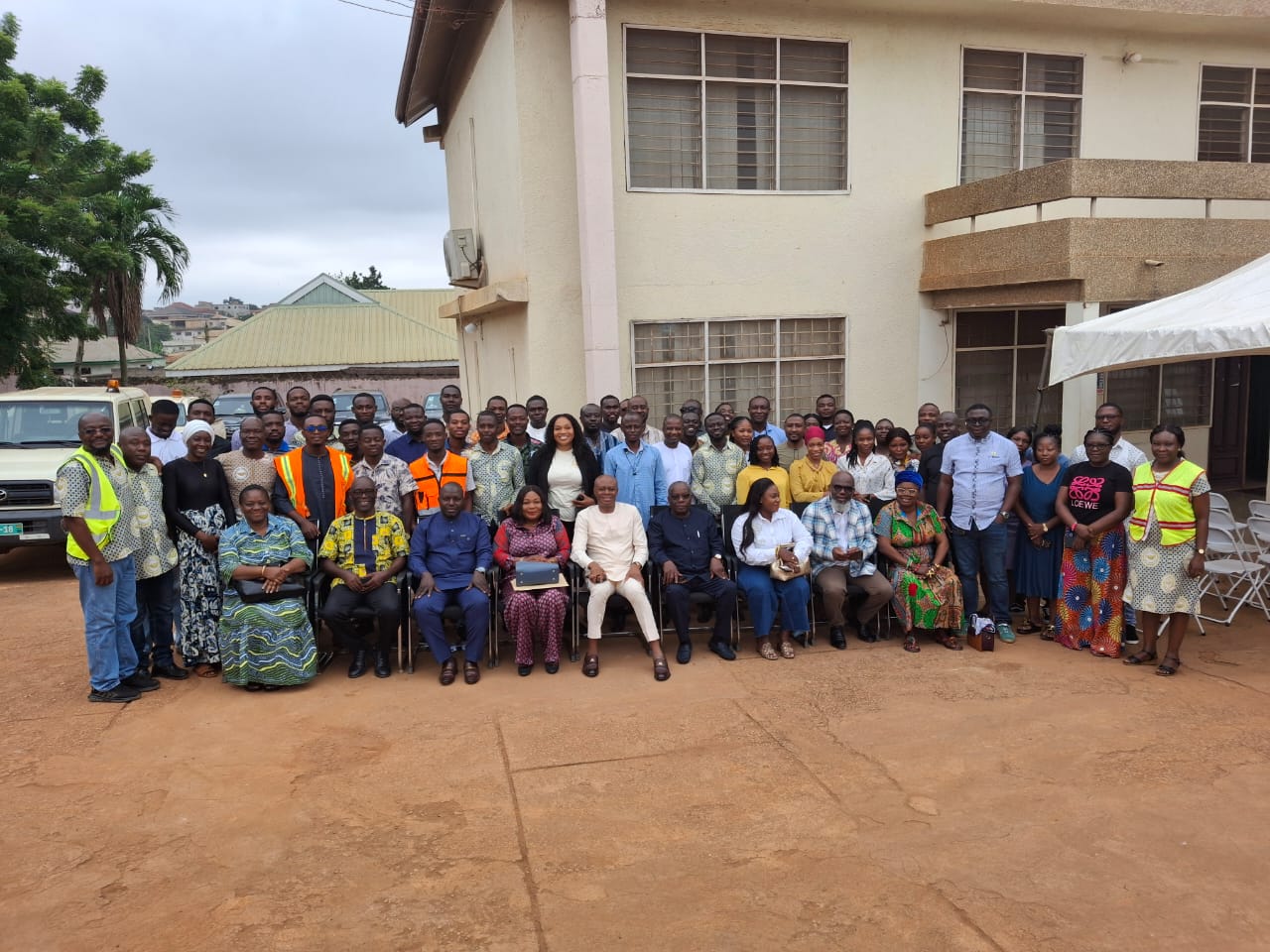
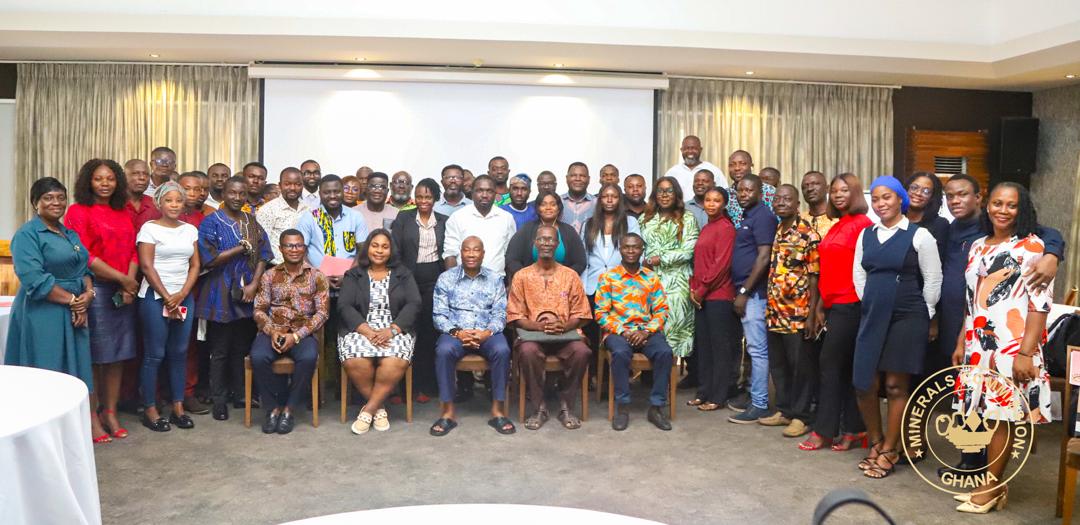
The Minerals Commission Board, under the leadership of Chairman, Ambassador William Ntow Boahene (Esq.), has successfully concluded a strategic working visit to the Kumasi Regional Office as part of its nationwide regional tour. The visit, which follows similar engagements in Tamale and Bole, underscores the Commission’s commitment to decentralisation, operational efficiency, and staff welfare across all mining regions. This event was held on August 22, 2025.
Mr. Paul Dawson, Kumasi Regional Office Manager, together with his dedicated team, extended a warm and cordial welcome to the visiting Board delegation. The reception reflected the team’s enthusiasm and readiness to engage with the Board, setting a positive tone for the day’s activities. Their hospitality underscored the strong spirit of collaboration and professionalism that defines the Kumasi office, reinforcing the Commission’s commitment to fostering unity and shared purpose across its regional operations.
Ambassador Boahene, Chairman of the Board, formally introduced the board members and outlined the purpose of the visit. He emphasized the importance of fostering collaboration between the Board, management, and staff to drive the Commission’s growth and fulfill its mandate. The staff durbar was convened as a platform to engage openly, address concerns, and gather feedback on issues affecting staff welfare.
Present at the meeting were staff from the Head Office, namely: Mr. Emmanuel Kwamena Enyimah, Deputy CEO, Support Services, Mrs. Irene Demanya, Director of Legal and Solicitor Secretary, Emmanuel Nketia Frimpong, Deputy Manager, Estate, Madam Phyllis Adibi, Assistant Manager, Administration, Legal, Emmanuel K. Agyare, Senior Officer, Corporate Affairs and Ms. Amira Dari Iddisah, Assistant Officer, Administration, Legal.
In his remarks, Hon. Yusif Sulemana (MP), Deputy Minister for Lands and Natural Resources and Board member, delivered a compelling call to action, urging staff to remain loyal and committed to their duties in advancing the Commission’s mandate. He emphasized that the future of Ghana’s mining sector hinges on the dedication of its workforce and the strategic expansion of technical capacity across regional offices.
Hon. Sulemana underscored the importance of organizing Cooperative Mining in a structured and sustainable manner. He announced that ongoing stakeholder engagements are underway to allocate designated lands for this initiative, ensuring that artisanal and small-scale miners operate within regulated frameworks that promote environmental stewardship and community development.
Addressing the persistent challenge of illegal mining, the Board reaffirmed the government’s unwavering commitment to eradicating the menace. They also noted that efforts to reclaim degraded forest reserves and enforce compliance are being intensified, with a multi-agency approach driving results on the ground.
The Board further advocated for a comprehensive overhaul of the licensing regime, stressing the need for timely processing and transparency to reduce bottlenecks in the small-scale mining sector. According to the Board, streamlining these processes will not only curb illegal activities but also enhance investor confidence and operational efficiency. These remarks reflect a forward-looking agenda that blends policy reform, institutional accountability, and inclusive growth—positioning the Minerals Commission as a catalyst for sustainable development in Ghana’s extractive sector.
The Board members expressed deep appreciation for the dedication and professionalism of staff across the Commission. Their collective efforts were recognized as instrumental in advancing Ghana’s mining sector and supporting national development. Hon. Prof. Hamza Adam (MP), urged staff to maintain their steadfast commitment to excellence, emphasizing that sustained performance is key to achieving the Commission’s strategic objectives.
Prof. Gordon Foli highlighted the broader economic significance of the Commission’s work, commending staff for their pivotal role in driving growth and stability within the extractive industry. Nana Adwoa Foriwaa, called for responsible and transparent mineral resource management, underscoring the need to insulate the sector from political interference. She lauded the government’s ongoing initiatives aimed at promoting sustainable development and environmental stewardship.
The staff durbar provided a platform for open dialogue, where key operational concerns were raised, including:
In response to the concerns raised by the staff, the Board members stated that they had initiated dialogue with the National Quarry Association to address the pressing issue of concession encroachment. The Board addressed concerns regarding the retention of NSPs, noting that while their contributions are valued, it is not financially feasible to absorb all personnel upon completion of their service.
To ensure a more strategic approach to staffing and resource allocation it was recommended that a comprehensive needs assessment be conducted and submitted to the Head Office for review by management and the Board. The Regional Manager and Head of Administration were tasked to prepare and submit the required documentation to facilitate further discussions and informed decision-making. It was further proposed that, where feasible, each regional office be treated as a cost centre—an approach believed to enhance financial accountability and improve revenue generation.
Ambassador Boahene further announced that the Board is currently reviewing the Commission’s organogram as part of efforts to advance decentralisation. Upon implementation, regional and district offices will be empowered with greater autonomy and operational capacity. The Board Chairman reiterated that the government’s reset agenda must be reflected in the Commission’s strategic direction and day-to-day operations, ensuring alignment with national development priorities.
Nana Yaa Gyandoh I, emphasized the importance of providing a detailed breakdown of staff strength, including gender and other demographics, to inform strategic planning and resource allocation. She expressed concern over the backlog in processing small-scale mining licenses, noting that this challenge continues to hinder operational efficiency. Nana Gyandoh also addressed allegations of bribery and corruption involving staff, stressing that such practices must be decisively curtailed. “We must set the standard right,” she stated, calling for integrity and accountability across all levels of the Commission.
In closing, Hon. Emelia Ankomah (MP) extended her appreciation to the staff for their dedication and reaffirmed the Board’s full support and commitment to addressing the issues raised. She also pledged continued collaboration with management and staff to ensure progress and uphold the Commission’s mandate.
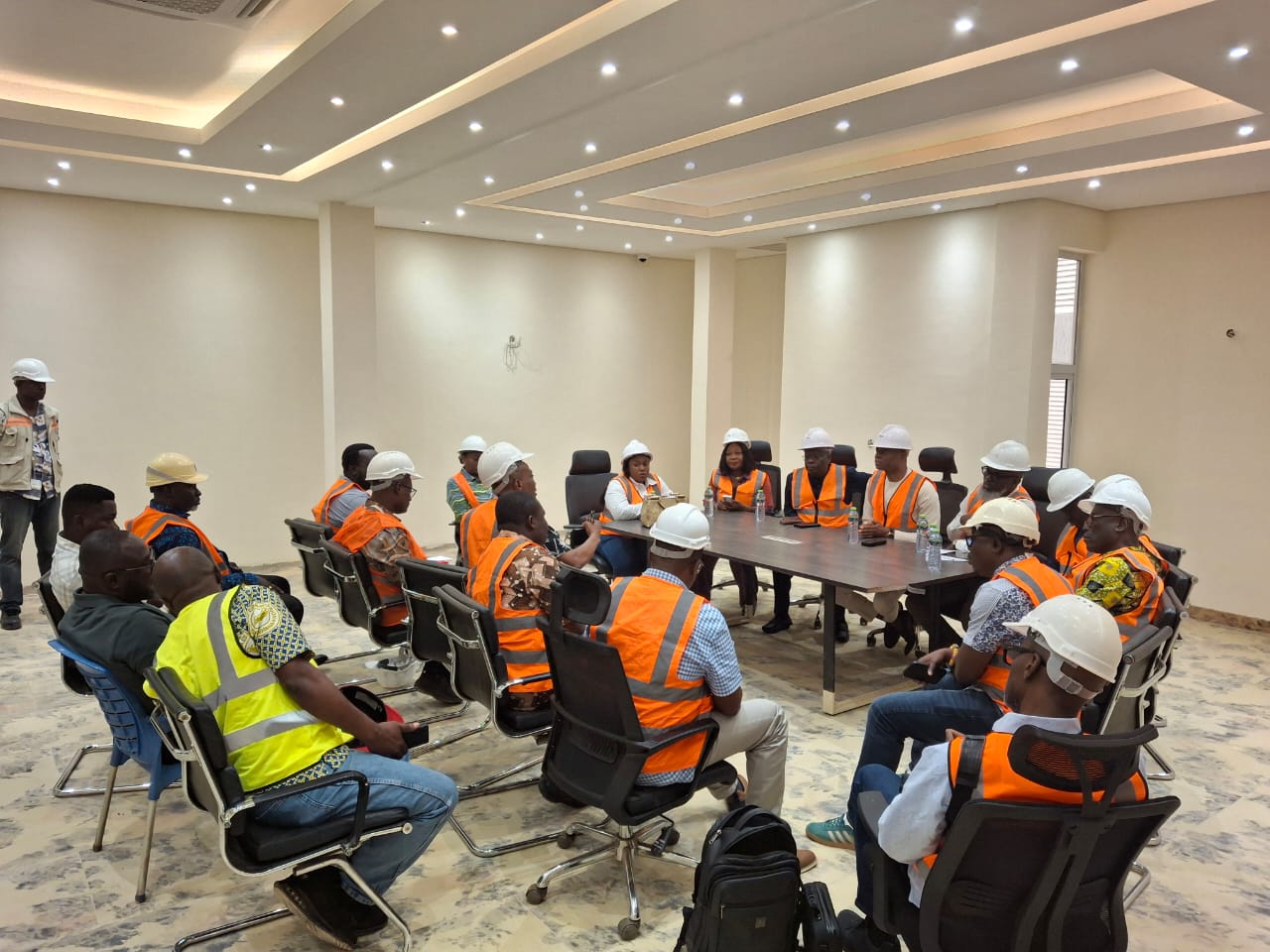
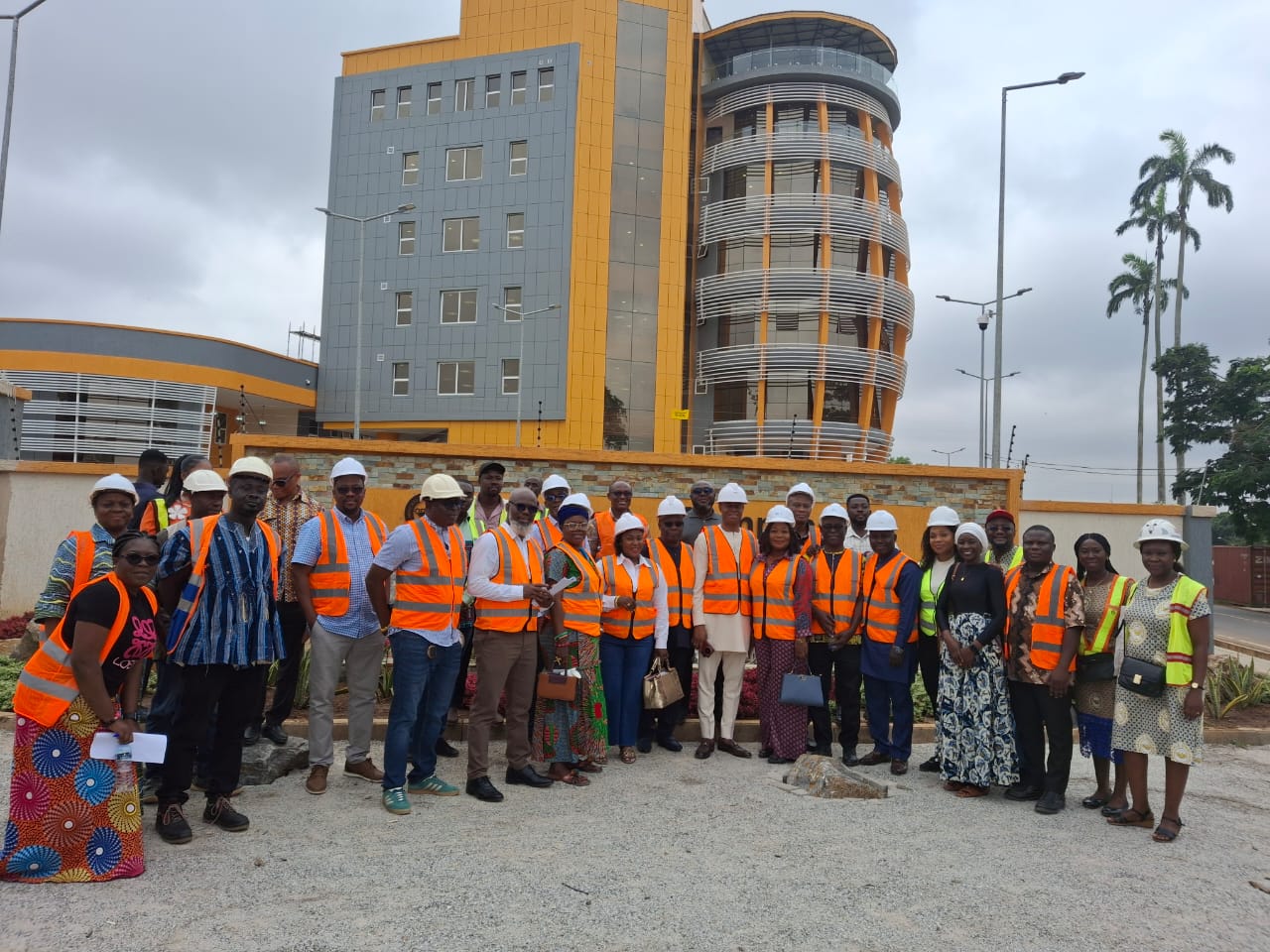
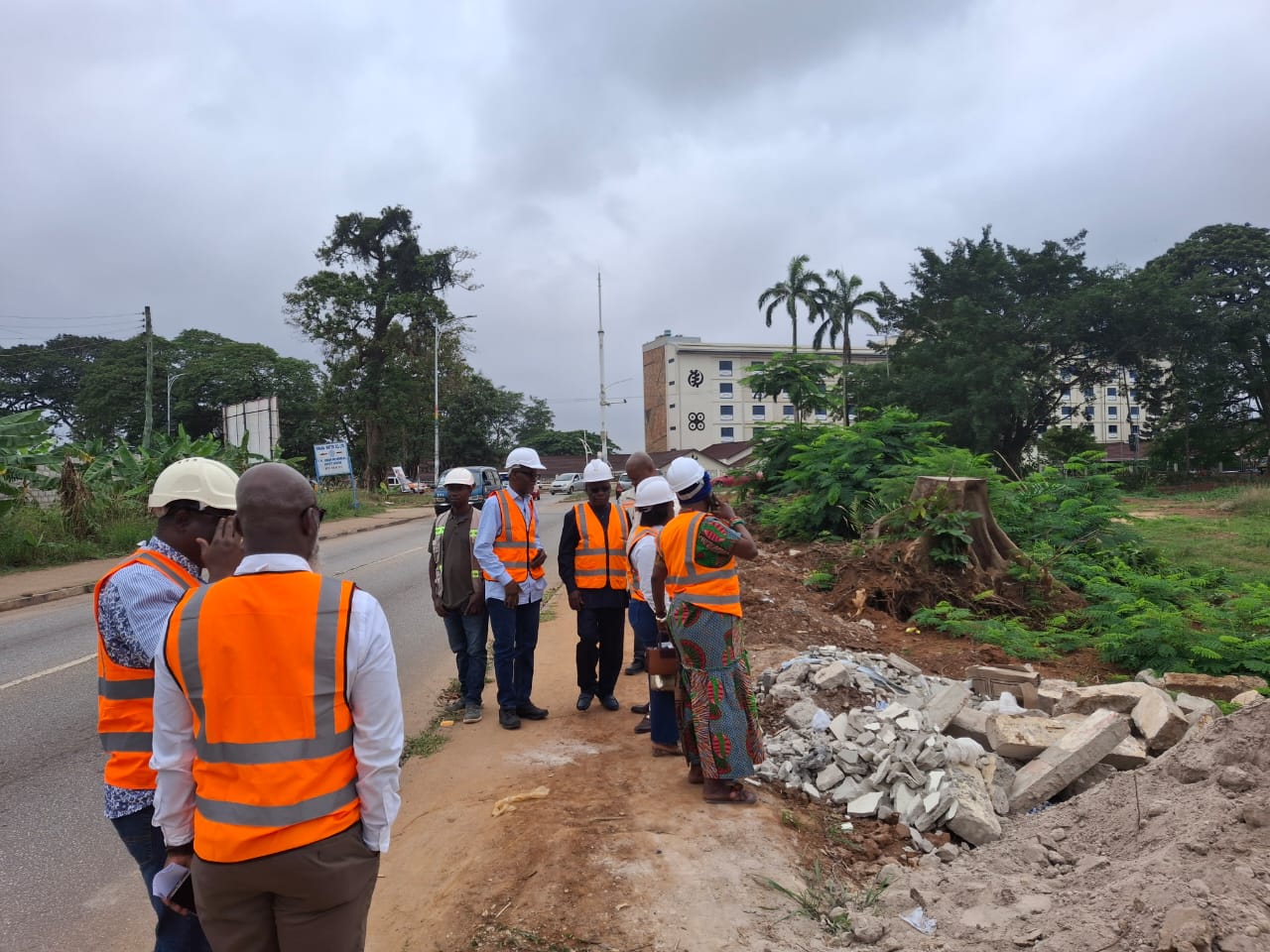
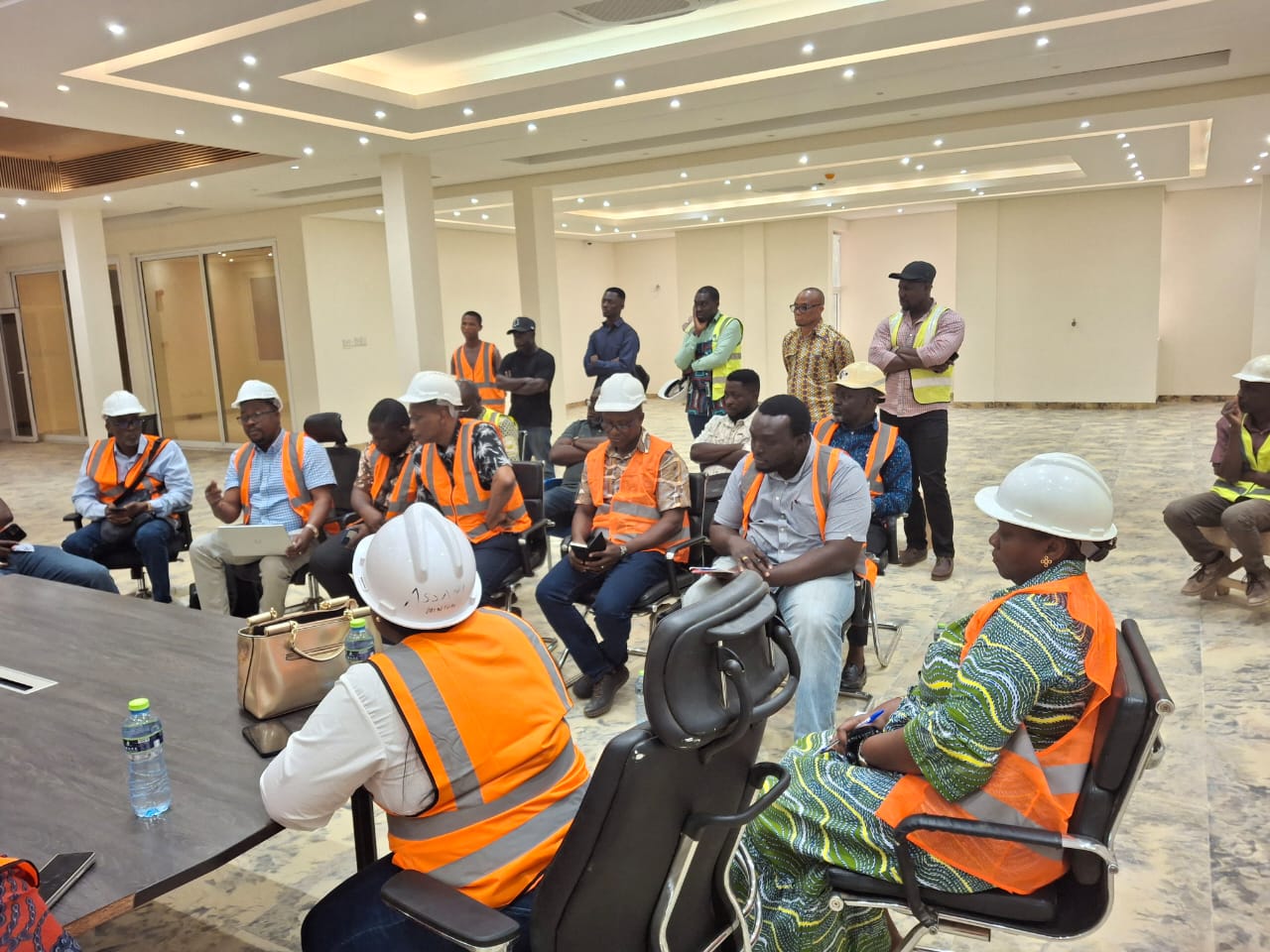
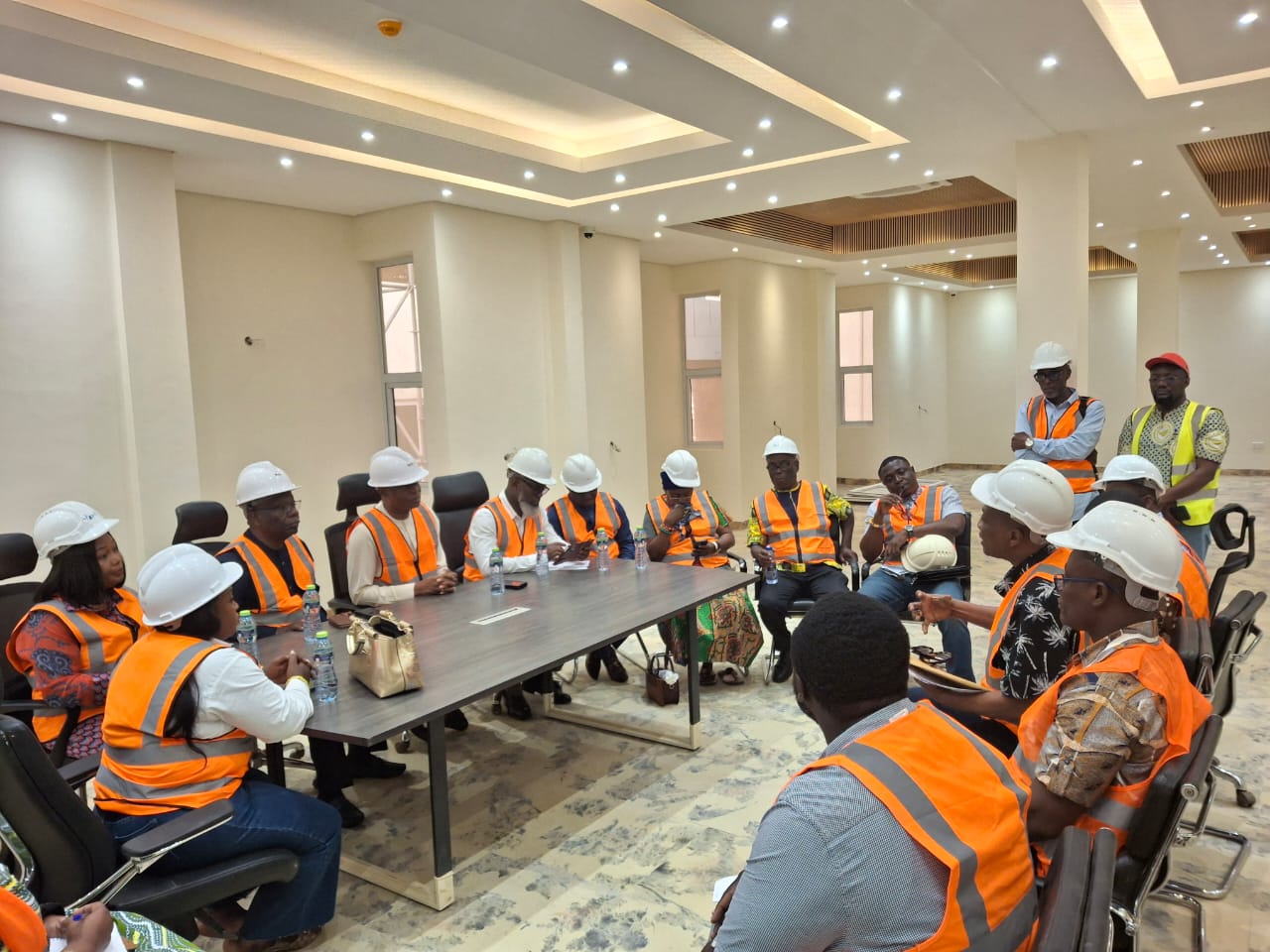
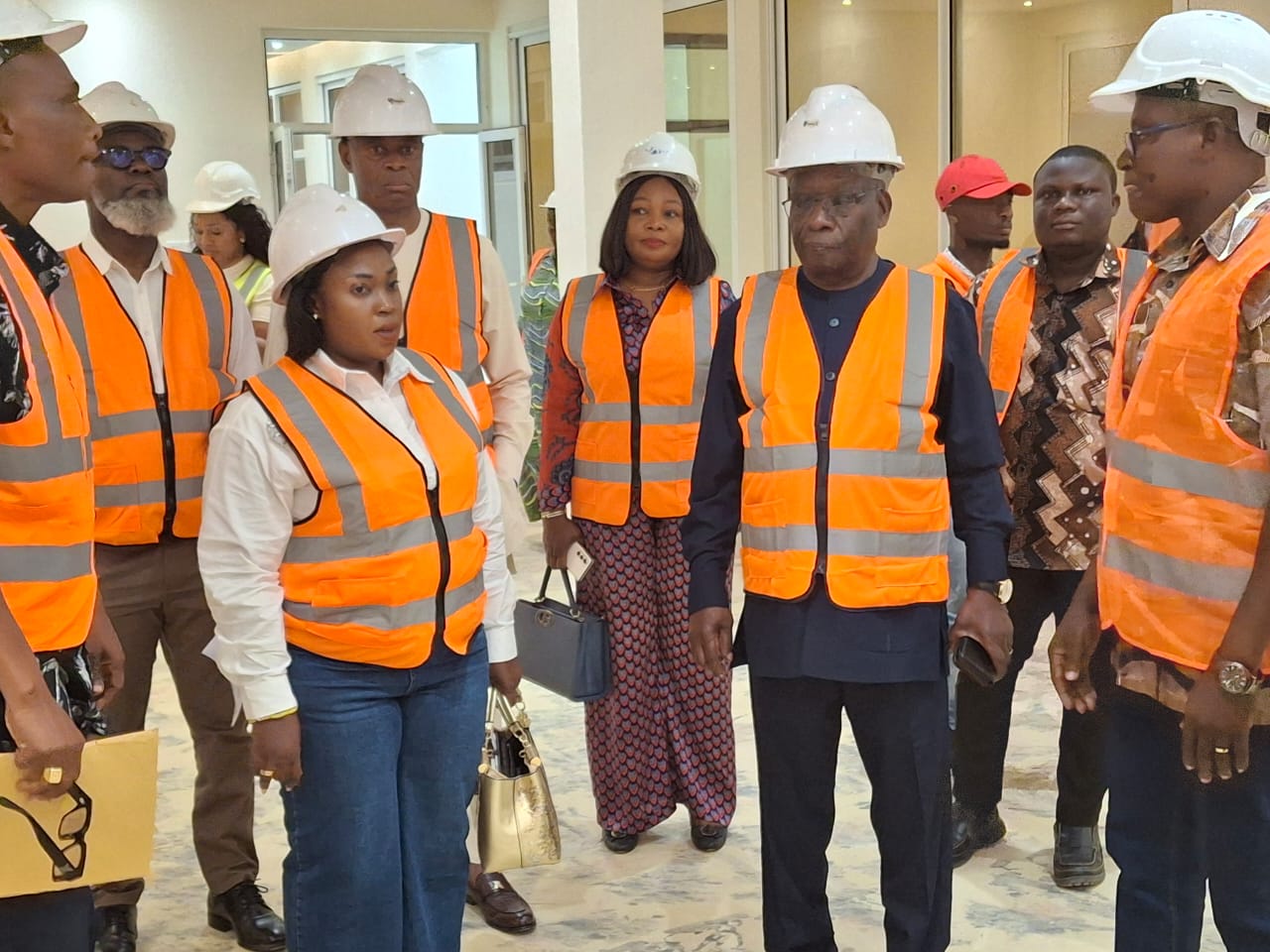
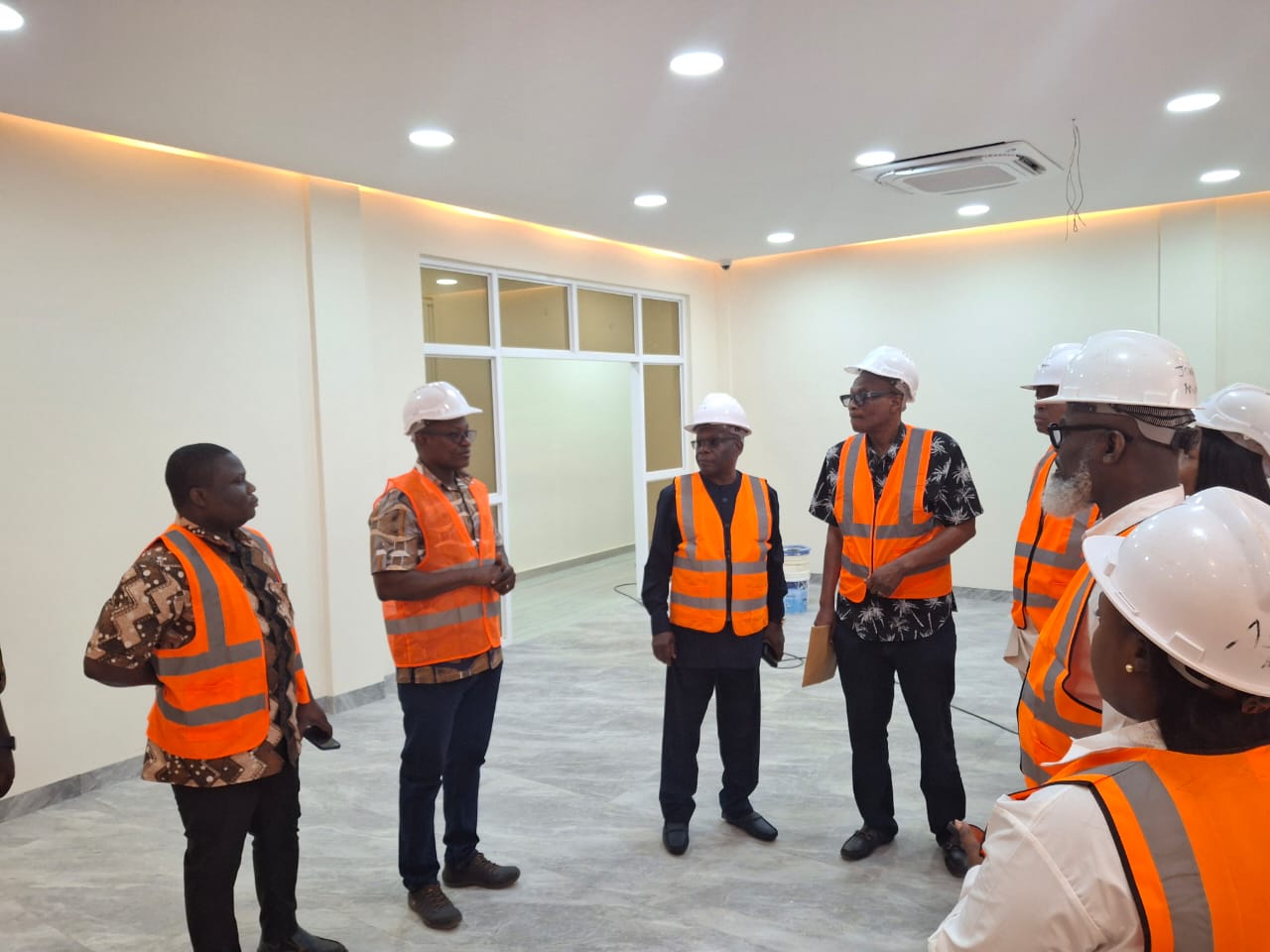
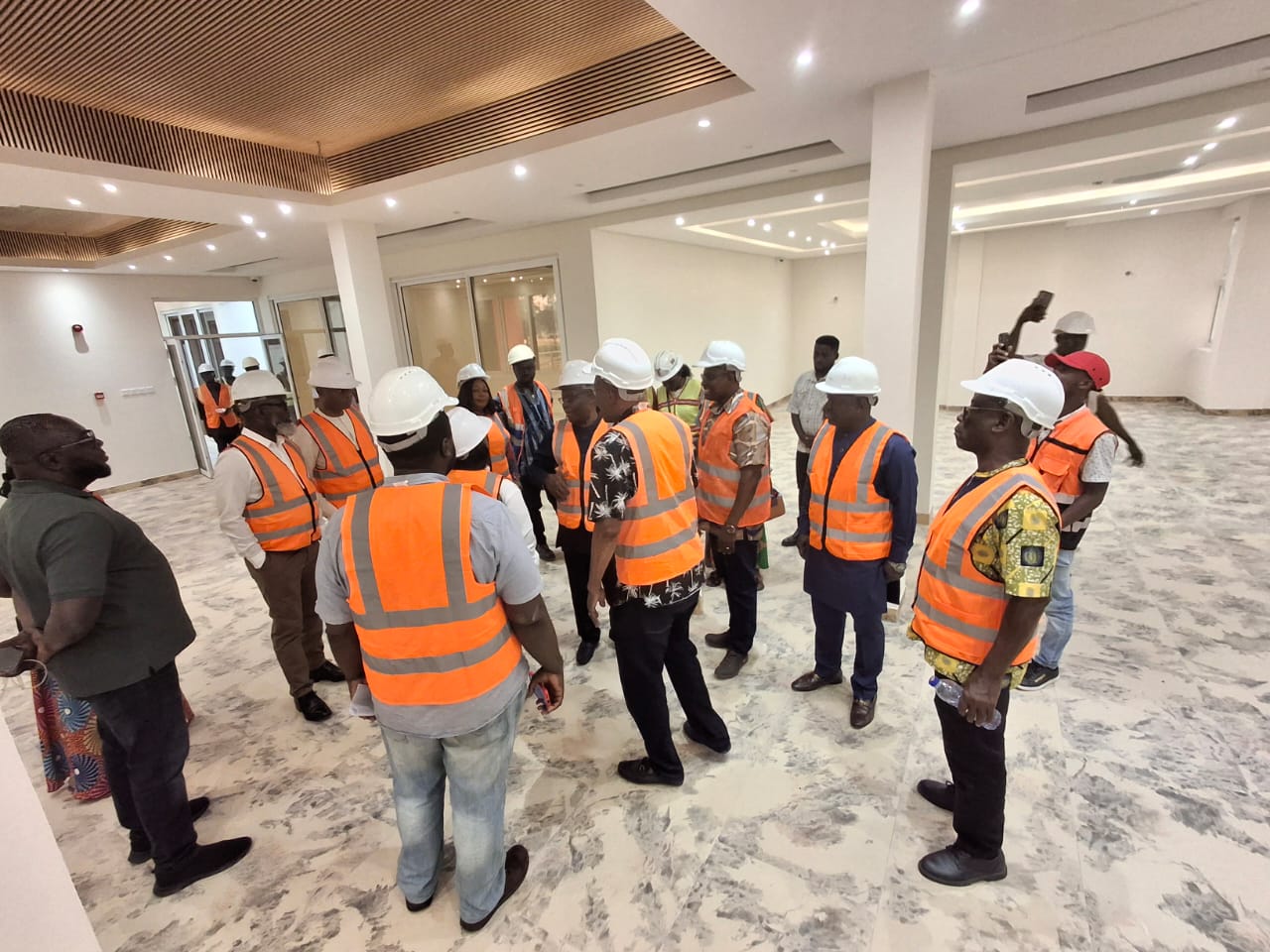
During the visit, the Board also conducted an on-site inspection and a comprehensive project review meeting with Pear River Company Limited (Contractor), Fasota Limited (Consultant), followed by a closed-door technical session to assess progress and address implementation challenges. The Board Chairman, Ambassador Boahene echoed the importance of maintaining quality standards and adhering to timelines, emphasizing that the project must be delivered to the highest standard. The delegation received a detailed briefing on the status of construction and infrastructure enhancements. While the project was not delivered as a turnkey package, the Board commended the overall quality of work executed so far.
It was recommended that key outstanding components (i.e. solar installations, internal partitioning, and the addition of auxiliary works) must be submitted to the Board for final review and approval. With approximately 5% of work remaining, completion is anticipated in the near term, paving the way for full operational readiness of the facility.
The Kumasi visit exemplifies the Board’s hands-on, proactive approach to governance and project management. By moving its deliberations from the national capital to the regional offices, the Commission demonstrates a clear intent to understand field-level realities, drive tangible progress, and strengthen accountability.
END.
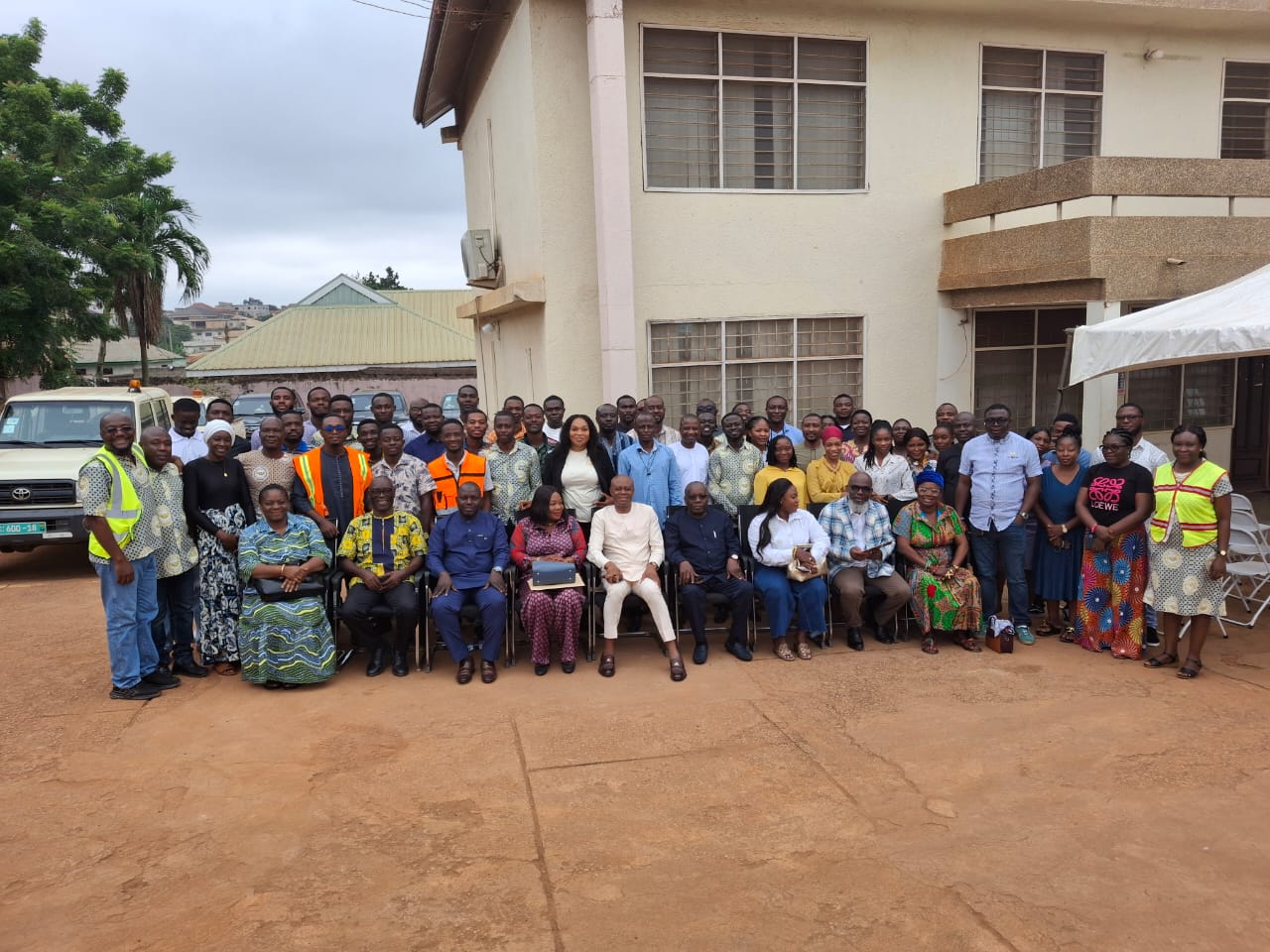
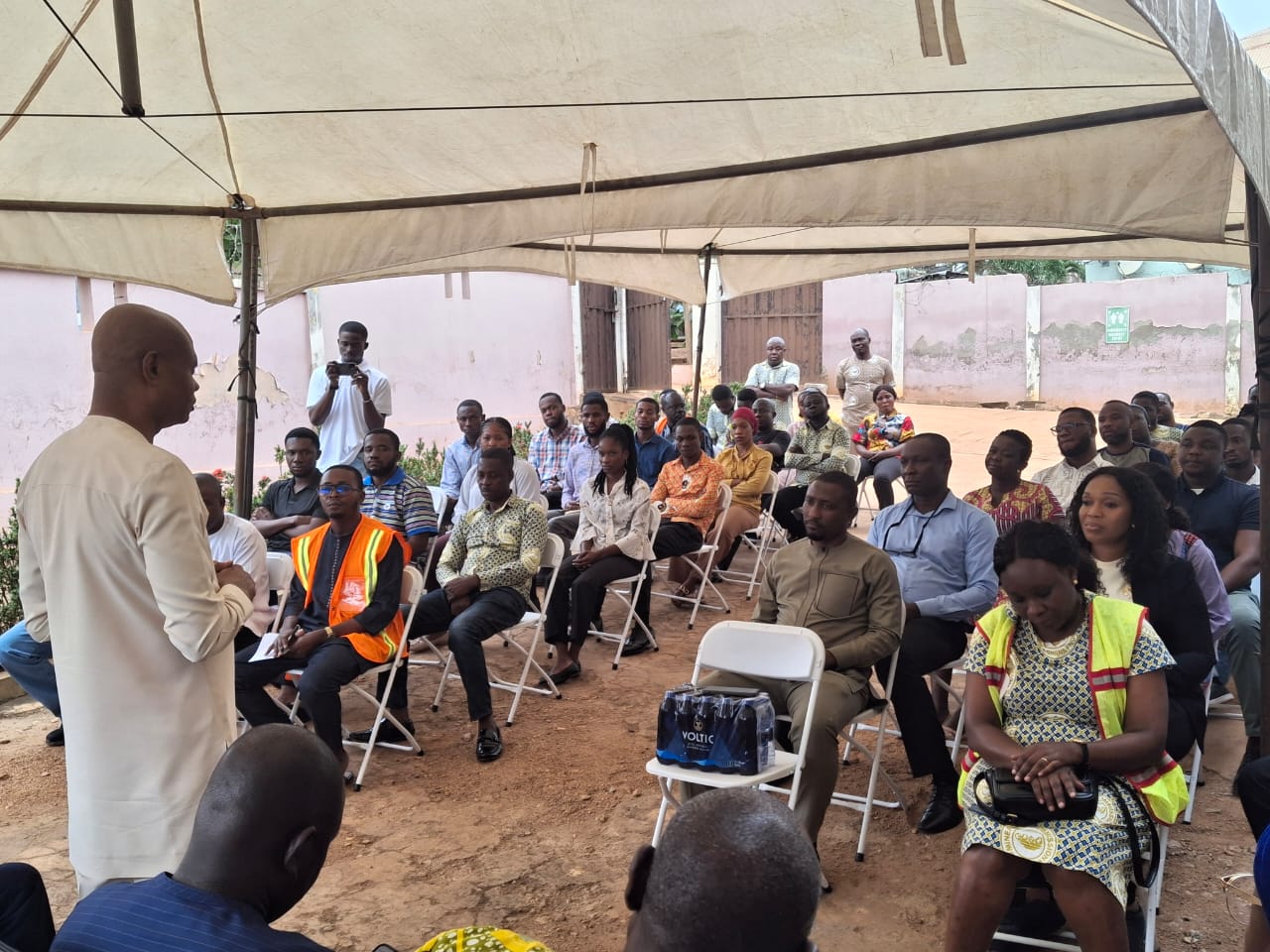
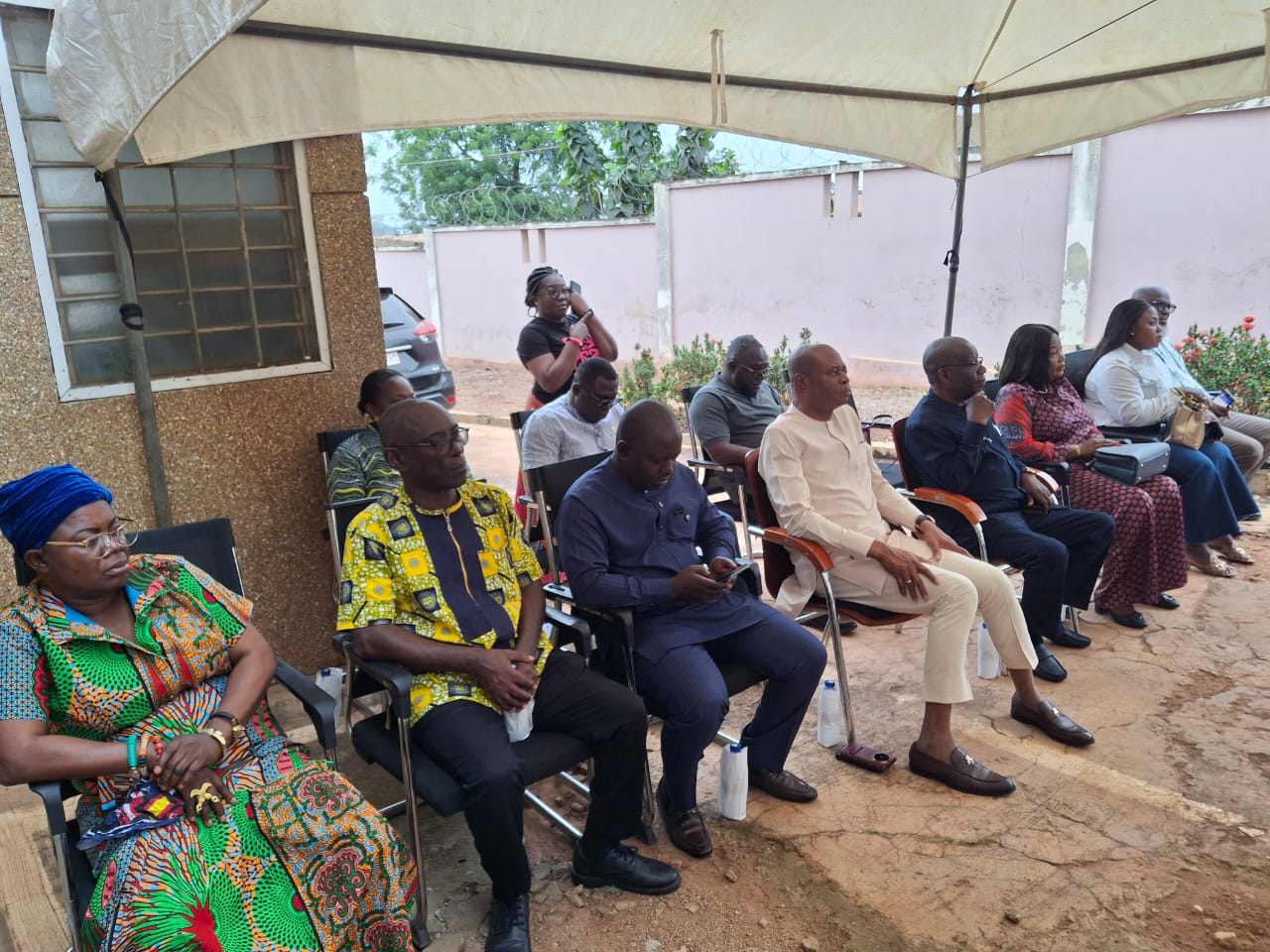
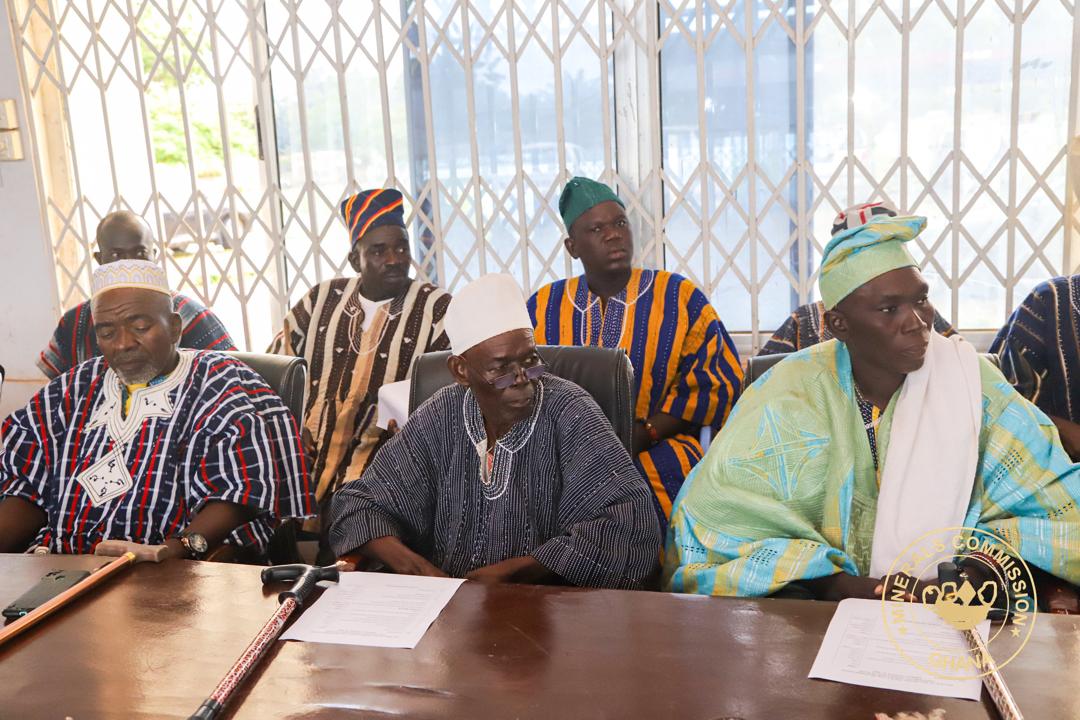
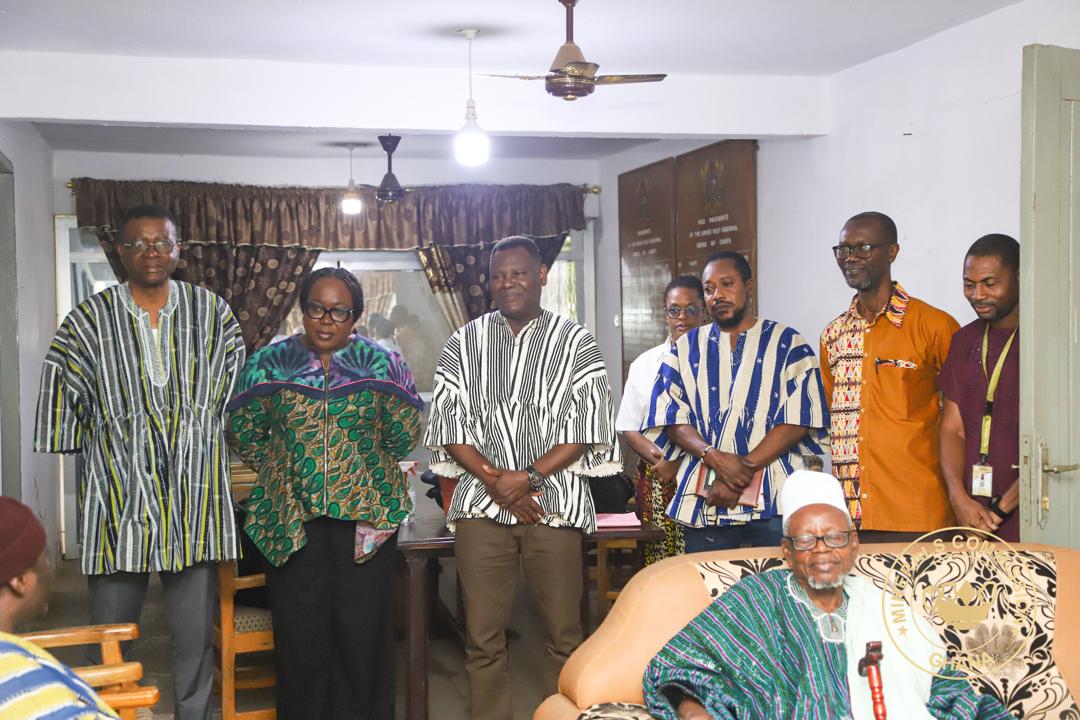
On August 22, 2025, the Minerals and Mining Policy Review Committee conferred with the Upper West Regional House of Chiefs. Professor Jerry Samuel Yaw Kuma, Technical Advisor representing the Minister of Lands and Natural Resources, Hon. Emmanuel Armah Kofi Buah, emphasized that the Minerals and Mining Policy of 2014 and the Minerals and Mining Act, 2006 (Act 703), has been operational for nearly two decades. Given the rapid changes occurring globally and regionally, it has become imperative reassessed both the policy and legislative frameworks governing minerals and industry.
He emphasized that as a nation, we must consider multiple factors.
To begin with, government must develop policies that align with national development plans and manifesto commitments, while ensuring effective multi-tier interventions to address emerging complexities and national demand in managing the country’s mineral resources over the long term.
Also, the global minerals and mining landscape has undergone significant transformation, partly driven by technological advancements and evolving best practices. Many countries in the sub-region and beyond, including South Africa, have updated their policy and legal frameworks to reflect current realities. It is essential that we follow suit in we reviewing our laws and policies to ensure they remain relevant and effective.
Furthermore, the implementation of our Minerals and Mining Policy has encountered some challenges during the course over the last decade. To address these challenges, we must identify solutions and build consensus on their implementation. In light of these considerations, the Minerals Commission in collaboration with the Ministry of Lands and Natural Resources are consulting stakeholders across the country. As a key stakeholder, the Regional House of Chiefs plays a vital role in shaping the future of the country’s mineral resources and wellbeing of the citizens.. The objective of these consultations is to gather insights and suggestions from all the traditional authorities, incorporating your wisdom and advice into the policy and legislative frameworks. He said.
Moreover, we aim to develop a balanced, transparent, and practical framework that benefits all stakeholders. By working together, we can create a robust and effective policy that guides and support the sustainable development of our mineral resources.
Kuoru Abu Diaka Sukabe Ninia (V), the Paramount Chief of the Zini Traditional Area, underscored the significance of the stakeholder engagement forum in fostering public education on the review of the 2014 Mining Policy and proposed legal amendments. Kuoru Abu Diaka, Vice President of the Regional House of Chiefs presided over the meeting and observed that the stakeholder consultation is a laudable initiative aim at elucidating the legal and institutional roles of traditional authorities as custodians of the land and stewards of community advocacy and development.
The Paramount Chief also emphasized that members of the House expect a transparent roadmap for the inclusive implementation of policy initiatives, ensuring that traditional authorities are well-informed. He noted that the policy’s primary objective is to guarantee Ghanaians’ access to clean, safe, and environmentally friendly mining practices for domestic, commercial, and industrial purposes, with benefits that outweigh the disadvantages. Commending the Minerals Commission and the government for initiating this stakeholder engagement, Kuoru Abu Diaka Sukabe Ninia (V) expressed confidence that the nationwide consultation, which have already taken place in several regions, will culminate in the successful implementation of the policy and proposed legal amendments, ultimately enhancing the operations of Minerals Commission.
Mr. Benjamin Aryee, former Chief Executive Officer of Minerals Commission and chairman of the Policy Review Committee, presented a comprehensive review of the 2014 Mining Policy, highlighting salient new provisions. Notably, he emphasized the integration of the Green/Critical Minerals Policy, which underscores the imperative of sustainable mining practices in the face of burgeoning global demand for critical minerals.
Furthermore, Mr. Aryee discussed the impact of emerging global trends, including climate change and the increasing importance of Environment, Social, and Governance (ESG) standards, on Ghana’s mining sector. He also highlighted key government policies, such as the introduction of Cooperative Mining and the recategorization of mining, which includes the creation of a medium-scale mining category. ‘Emerging global trends, such as climate change and the growing significance of transition minerals, coupled with challenges arising from implementation over the past decade and the strategic importance of small-scale mining to Ghana’s economy, necessitate a paradigm shift in our approach,’ the statement asserted.
This review underscores the need for a forward-thinking and adaptive mining policy framework that addresses the complexities of the modern mining landscape.
Ma. Fafanyo Kukubor . Gender and Legal Officer of at Minerals Commission presented a thorough analysis of the current state of Ghana’s mining laws, regulations, and administrative guidelines. She emphasized the significance of parliamentary ratification of mining leases, highlighting the crucial role of legislative oversight in promoting accountability, transparency, and good governance within the mining sector.
Ms. Kukubor further underscored the imperative of incorporating a gender-sensitive approach, ensuring that gender considerations are seamlessly integrated and mainstreamed within the mining industry.
In response to a question. Dr. Ahmed Tijani highlighted the importance of serving traditional authorities and other stakeholders notice on the award of mineral rights as provided for in Section 13 of the Minerals and Mining Act, 2006 (Act 703). Dr. Tijani assured of the Commission’s decision to deepen community engagement and consultation with traditional authorities about the award of mineral rights. This he emphasized could be done before operational permits are granted to engender trust and confidence among all stakeholders and to guarantee peaceful coexistence and harmony between operating companies and host mining communities.
The proposed amendment seeks to actively promote the inclusion and participation of persons with disabilities in mining enterprise, thereby cultivating a more diverse and inclusive industry that leverages the talents of all citizens for responsible sustainable mining and national development.
END
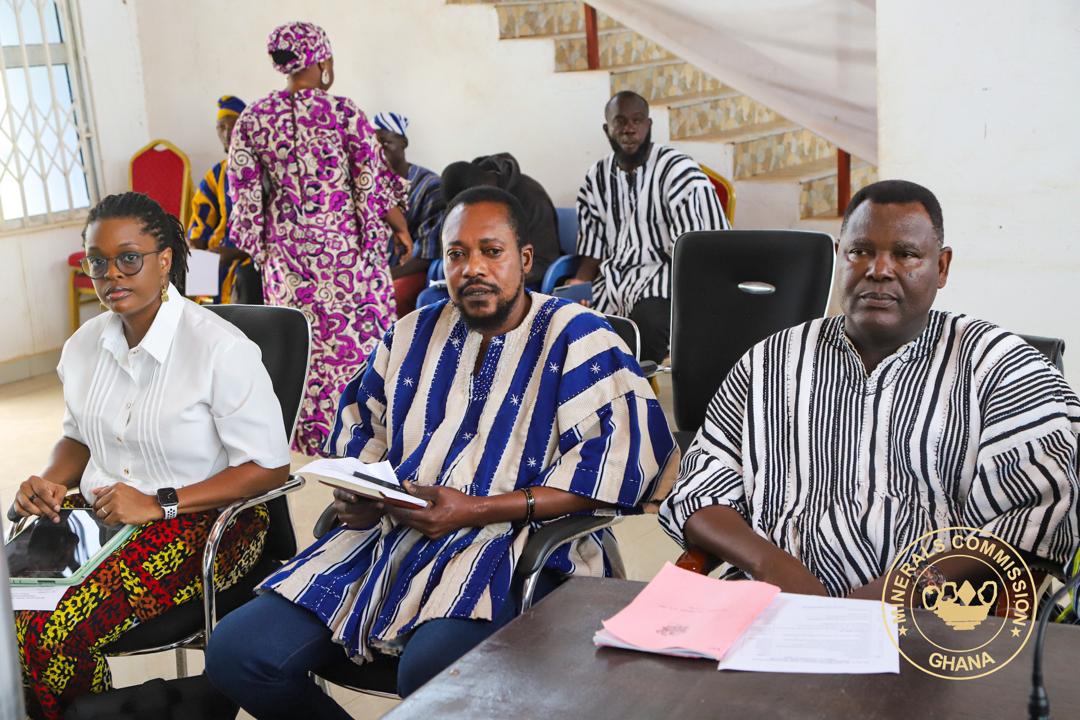
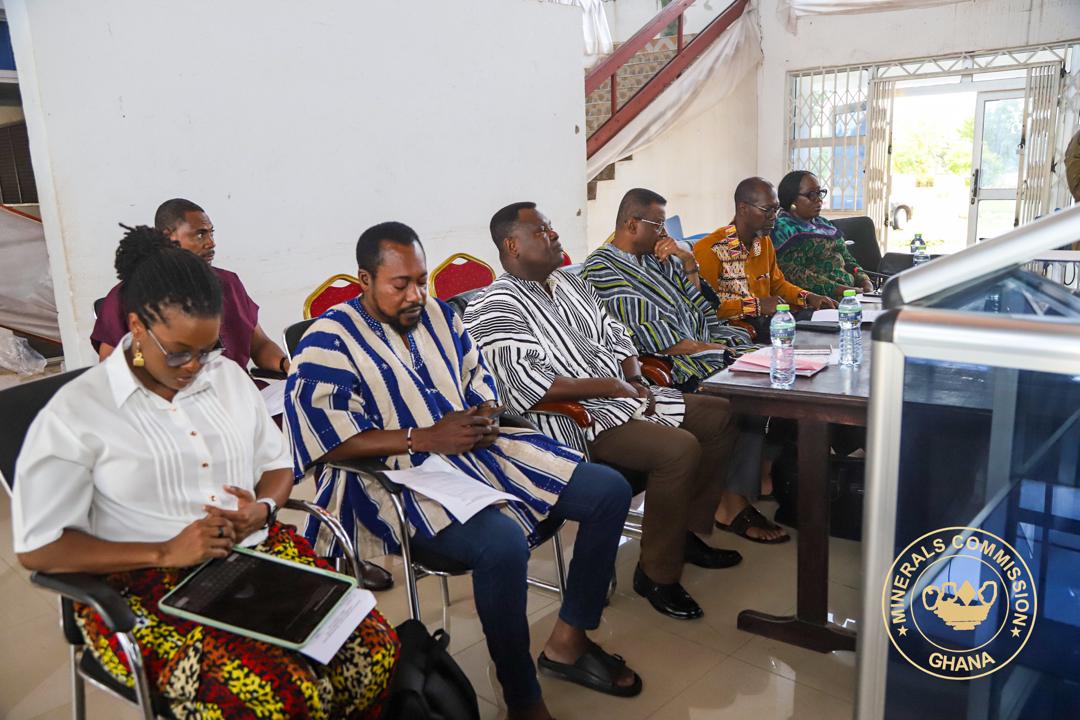
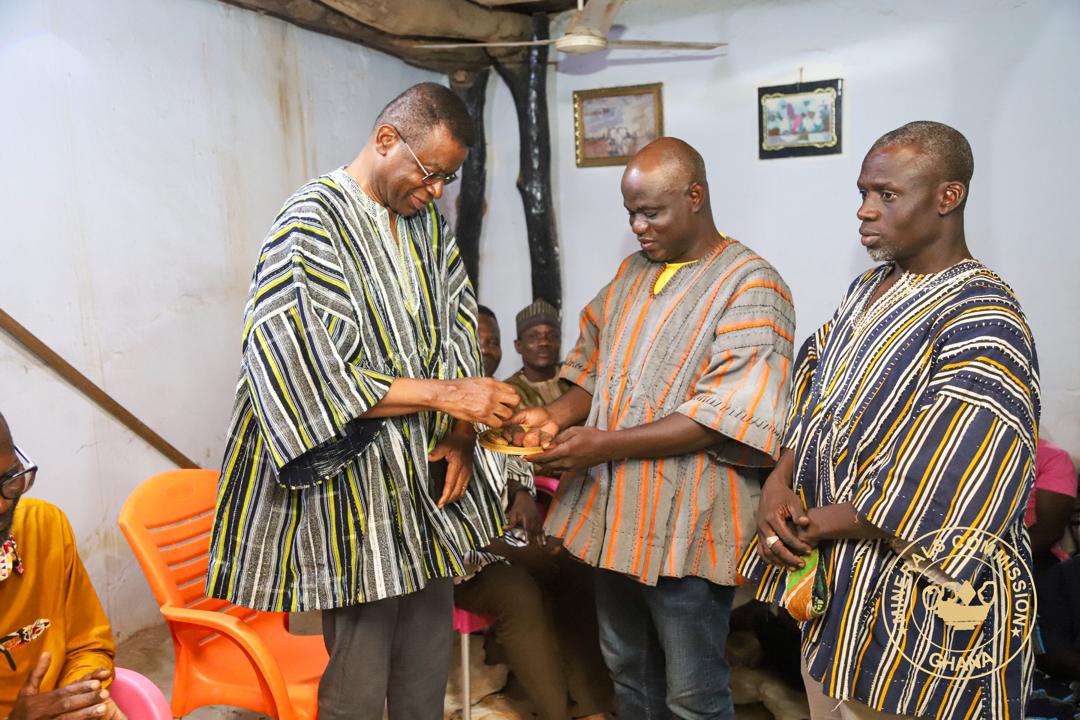
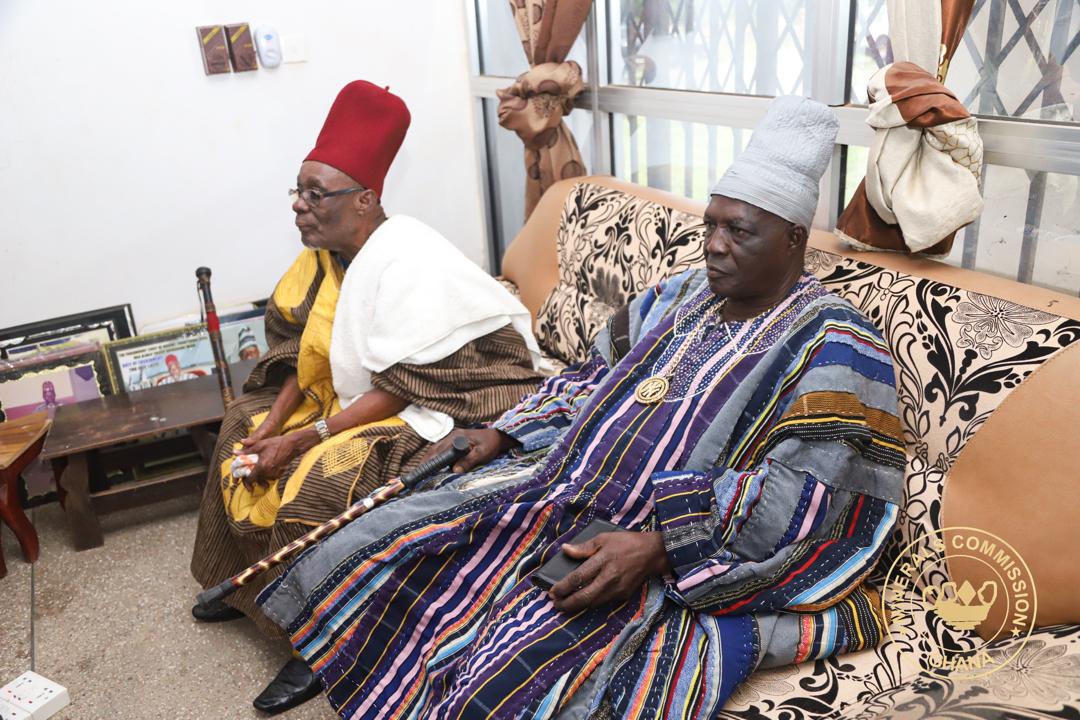
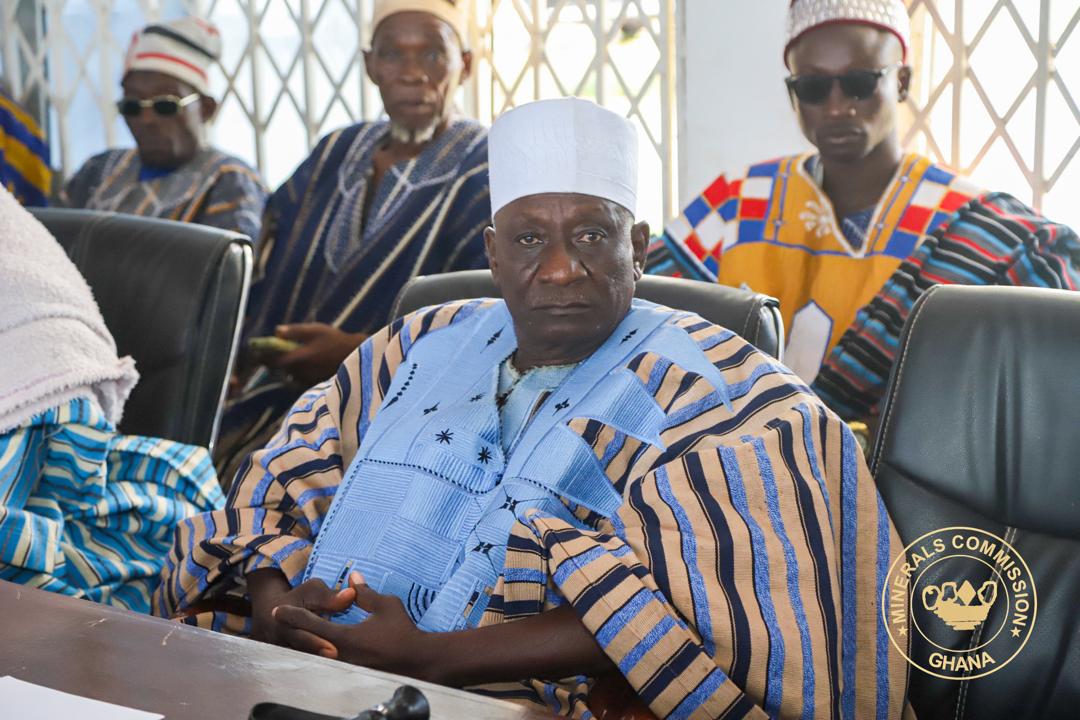
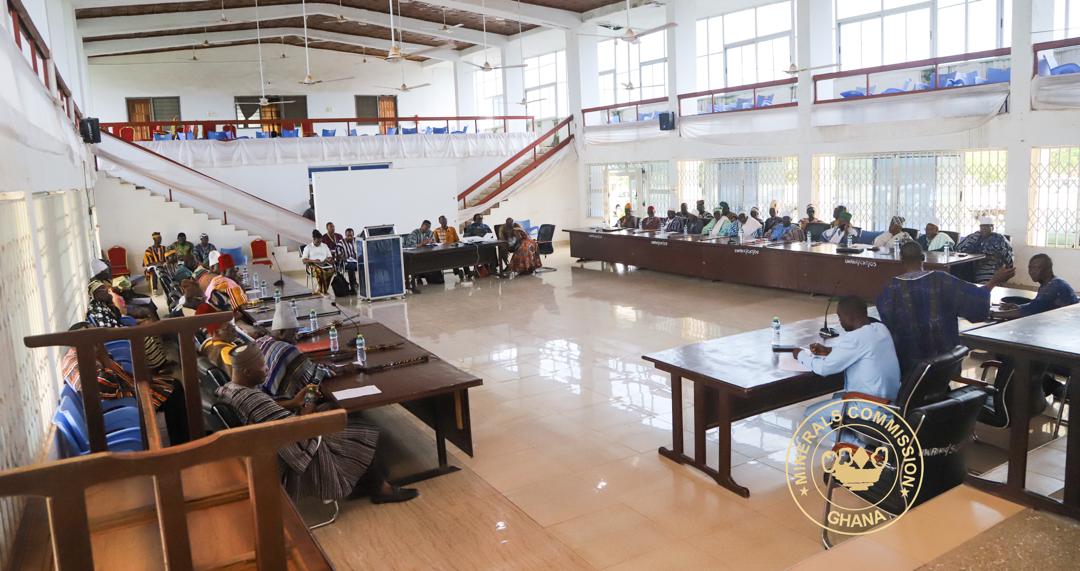
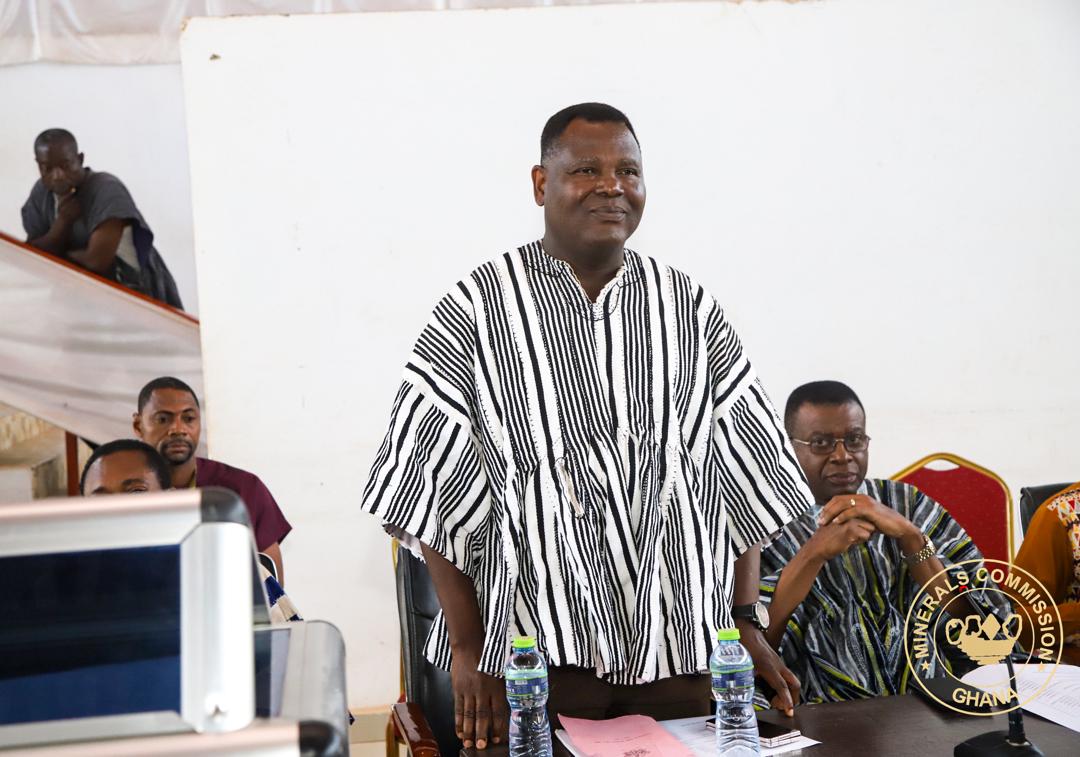
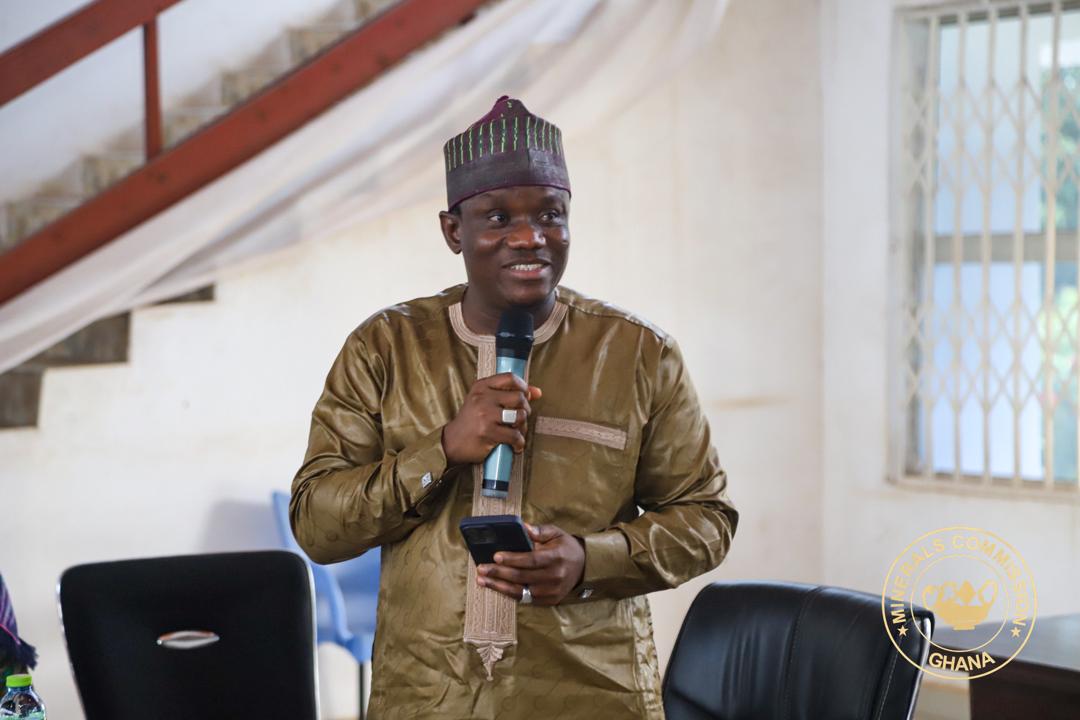
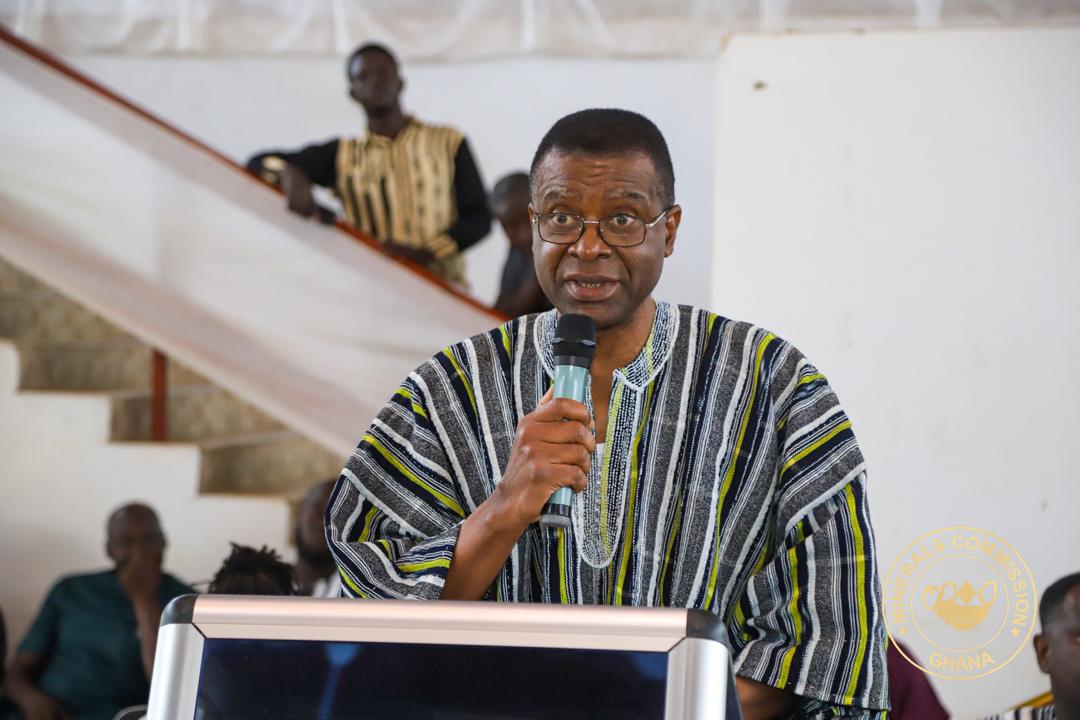
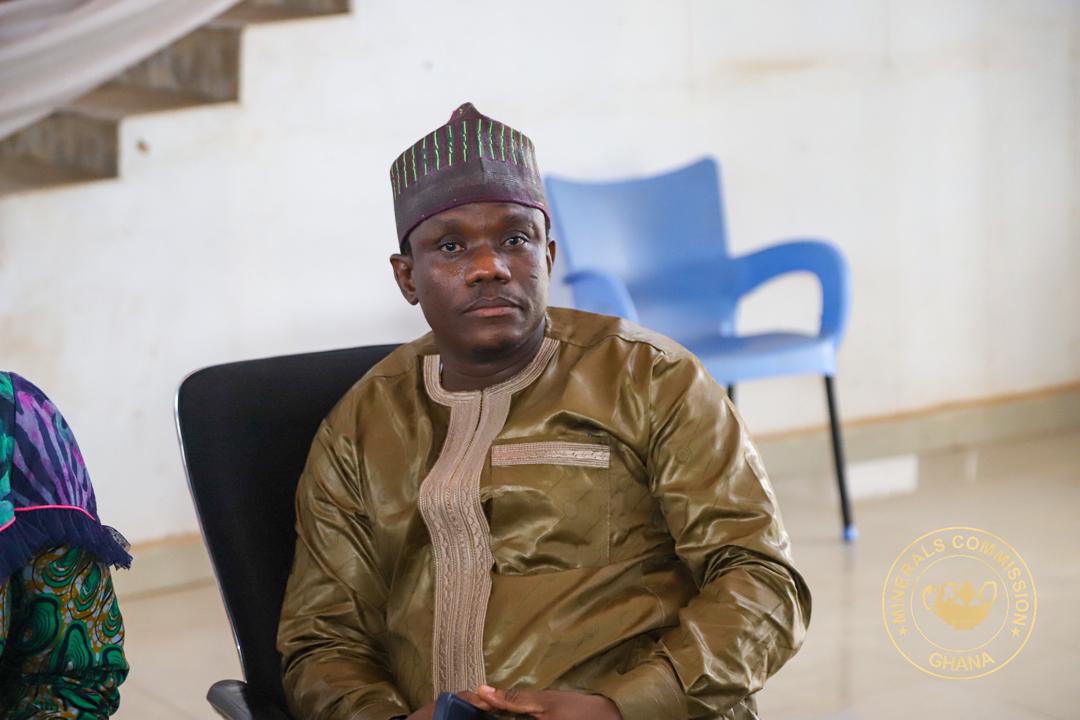
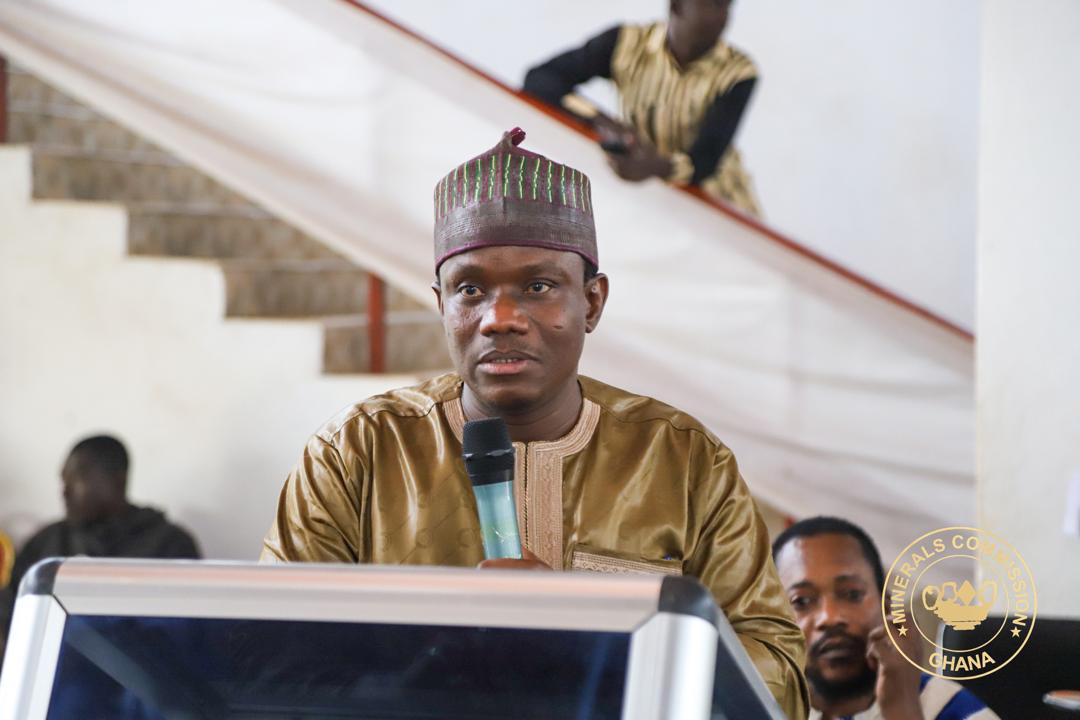
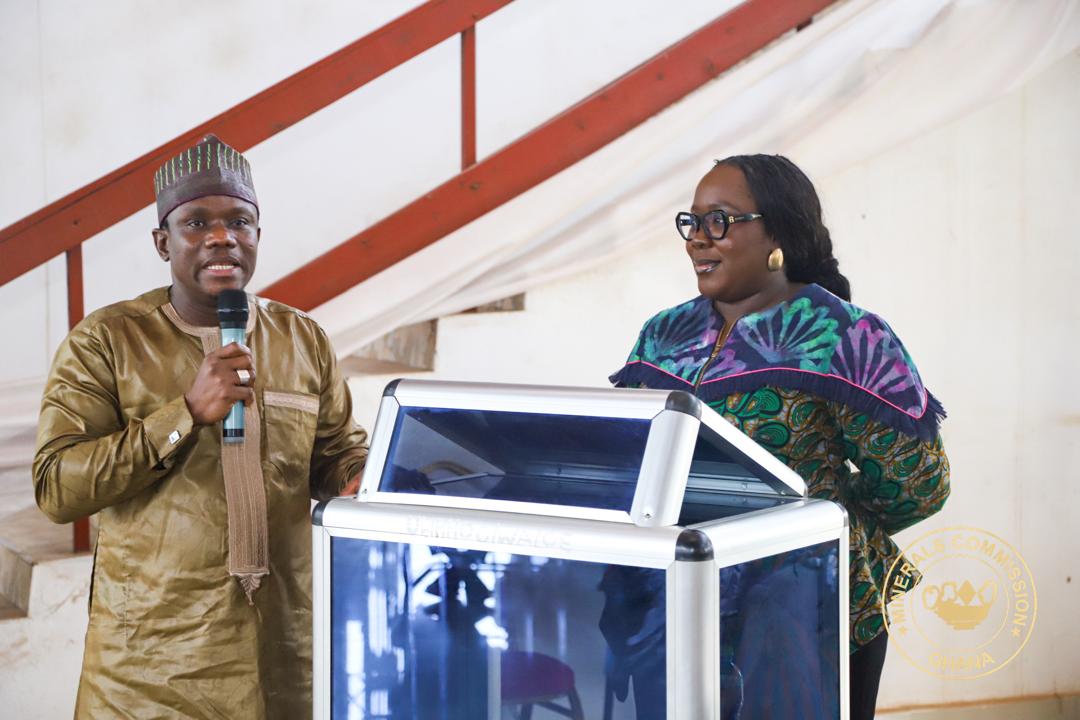
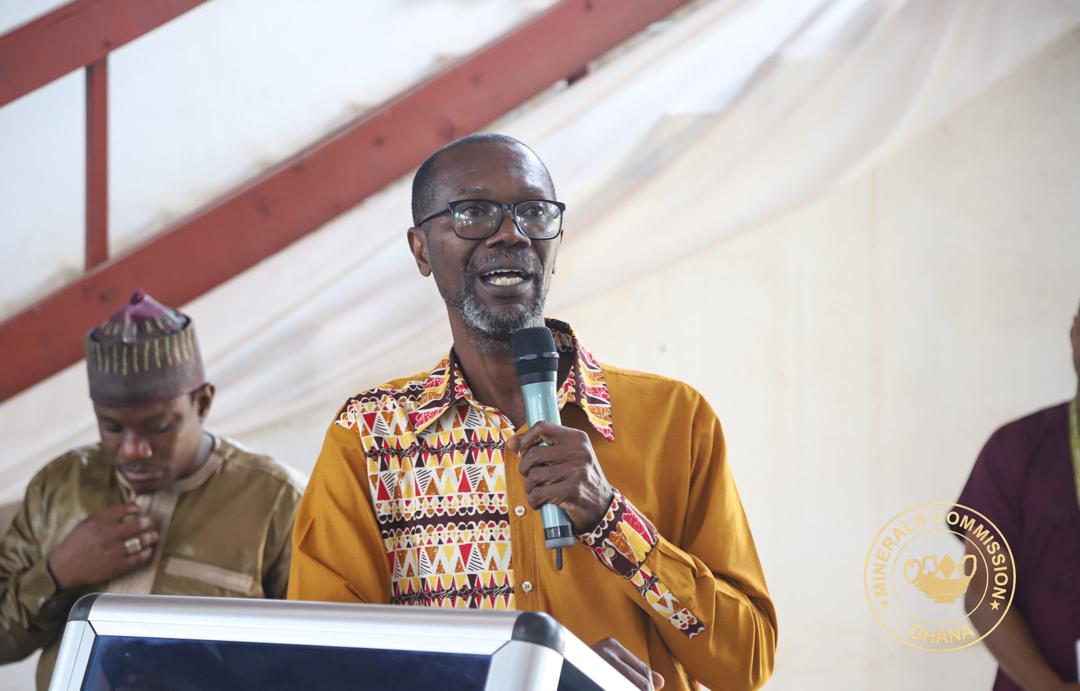
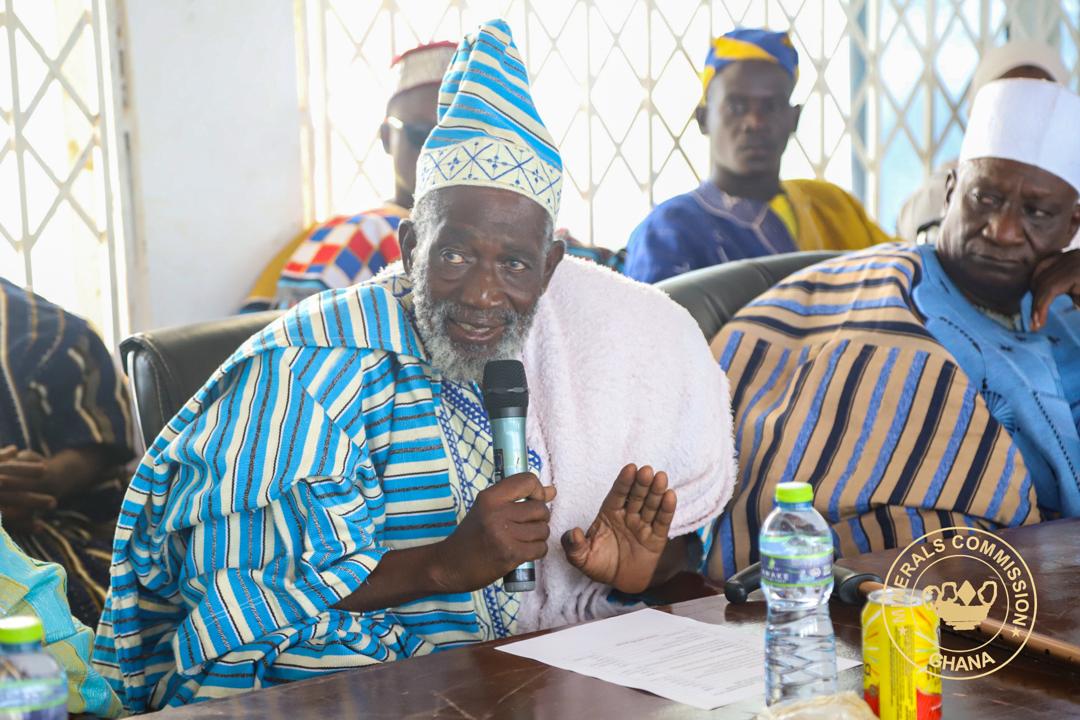
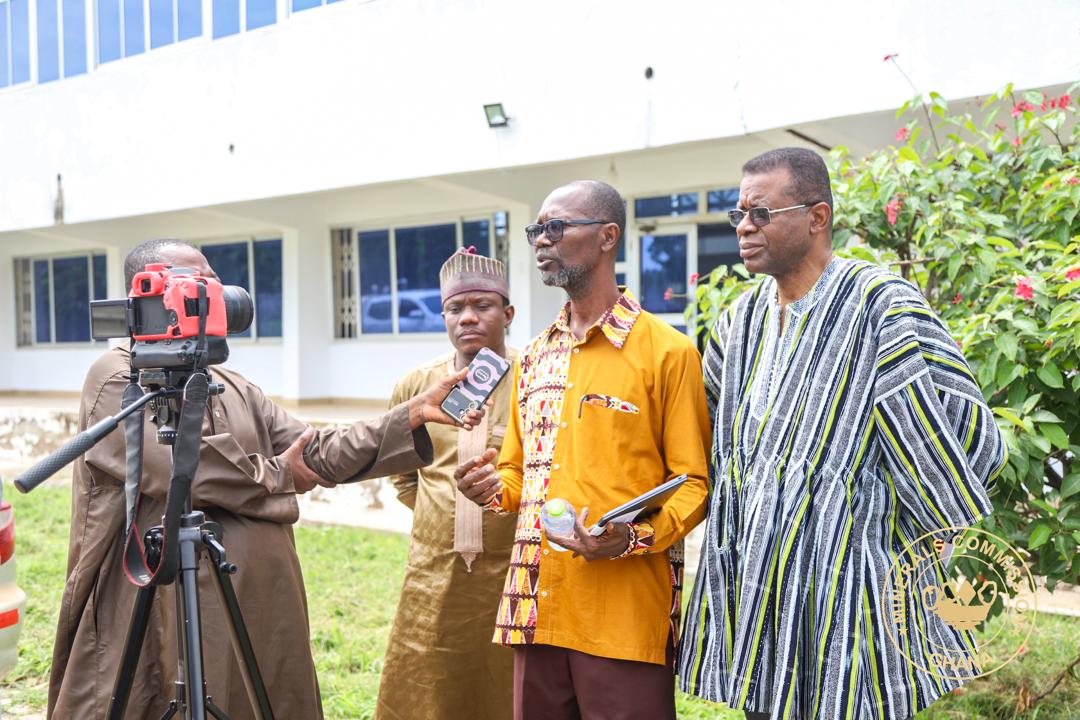
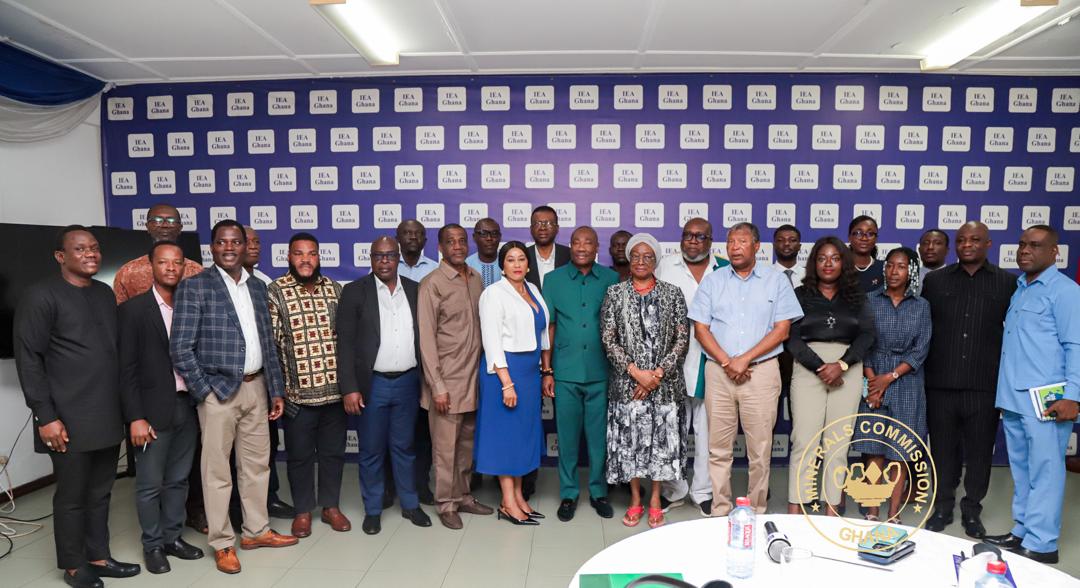
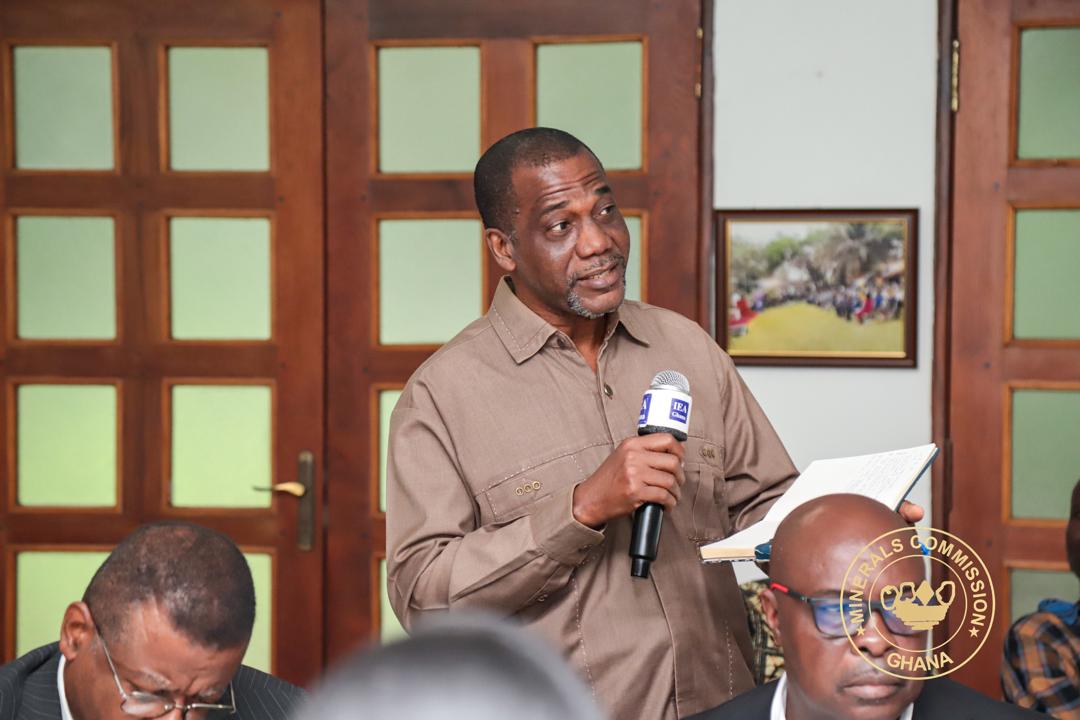
On Wednesday,20th August 2025, the CEO of the Minerals Commission, Mr. Martin Ayisi, engaged with the Institute of Economic Affairs (IEA) regarding the proposed amendment of the Minerals and Mining Act, 2006 (Act 703). He outlined the rationale behind the comprehensive reforms, citing over a decade of operational challenges and the need for modernization.
“The Minerals and Mining Act and its accompanying regulations, established in 2012, have been in effect for approximately thirteen years. Throughout this period, we have encountered significant implementation challenges. As is often the case, when strategies prove ineffective, a strategic pivot is necessary. However, it is important to note that such a change in course is not always a reaction to failure; it can also be a proactive measure to enhance efficacy and optimize outcomes. Our current initiative is motivated by both of these imperatives.
Furthermore, sustained advocacy from civil society organizations, including the IEA, various policy groups, and the media, has been instrumental. They have consistently and vehemently highlighted the deplorable state of mining communities and the perceived inadequacy of national benefits derived from our mineral resources, despite their evident abundance.
Mr. Ayisi underscored the Need for Regional Context and Nuanced Comparison: It is crucial to recognize that our mining sector does not operate in isolation. The business of mining is integrated into a globalized industry and must therefore be cognizant of regional dynamics. Insecurity in a neighboring nation, for instance, inevitably has cross-border repercussions. Consequently, our policy framework must be formulated with a conscious understanding of the broader regional context.
“ while operating within a global paradigm, domestic policies must be tailored to our unique national circumstances, capabilities, and perspectives. This is where simplistic international comparisons become misleading. For example, Saudi Arabia possesses the singular capacity to unilaterally influence global oil prices due to its production volume. Nigeria, or indeed Ghana, cannot exercise the same leverage. The production capacity and economic strength of each nation are incomparable.” He sa
We must, therefore, contextualize all comparisons. When critics cite practices in Burkina Faso, I counter by questioning their regulatory standards. For instance, the requirement for certified mine managers is a fundamental standard in Ghana that may not be present elsewhere. We must avoid a race to the bottom; just because another country adopts a certain policy does not mean it is prudent or sustainable for us.
Legislative Amendments:
Conversely, in a market downturn, the state is the first to offer tax concessions and royalty reductions to prevent mine closures and economic collapse. This asymmetry is unsustainable. A recent attempt to introduce a 1% stabilisation levy, later increased to 3%, to capture additional revenue during high prices was largely ineffective because companies shielded by DAs invoked their stability clauses to avoid payment. This demonstrates the fundamental flaw in the system, hence our decision to eliminate DAs permanently.
We are moving to abolish broad stabilisation provisions. However, we acknowledge that for specific, capital-intensive projects involving value addition (e.g., refining, major infrastructure like ports or power plants), a form of limited stability may be justified to ensure capital recovery. This will be granted sparingly, based on the mineral type, level of investment, and associated infrastructure development, not for standard gold mining operations.
Conclusion: These amendments represent a decisive shift towards a more equitable,efficient, and modern regulatory framework designed to ensure that Ghana’s mineral wealth translates into tangible and sustainable national development.
Mr Benjamin Aryee the former CEO of the Minerals Commission emphasized that The current revenue streams we observe often lead to a critical judgment, as they stem from a pervasive governmental mindset. Yet, our operational paradigm has consistently positioned the transient government as the central agent.
We are attempting to pivot from this entrenched mode of thinking, though it is a formidable challenge for any administration in power. Our discourse frequently centers on the total revenue generated, treating it as a pool available for immediate distribution. He said.
He indicated that a multitude of inputs are required, and these inputs ultimately determine the destination of capital flows. Mining is a function of cost, which is, in essence, a payment to factor suppliers. Historically, these inputs were almost entirely imported; the mining sector was an enclave economy, reliant on external sources for everything, including basic sustenance.
Thus, for decades, we have generated a net outflow of capital. While promoting national ownership is a valid objective, if we fail to capture value across the entire value chain, we incur significant economic leakage. The current initiatives in Mekong represent a positive shift in this direction.
Mr. Benjamin Aryee indicated that the focus must be on comprehensive ownership, participation, and, crucially, local content. By indigenizing the inputs supplying them locally we ensure that the corresponding payments circulate within our domestic economy.
We have made strides in human capital development and infrastructure funding, but other input sectors remain a challenge, not least due to prohibitively high capital costs, an issue endemic to emerging markets but which we must address.
A holistic view of the value chain is imperative. The degree to which we can supply inputs locally dictates the localization of economic benefits. Furthermore, if our goal is authentic sustainable development, we must confront the finite nature of non-renewable resources.
Our fixation on commodities like gold, which attract foreign investment, has led us to neglect industrial and development minerals that could offer more sustainable, diversified economic foundations and greater downstream linkages.
Ultimately, this requires a fundamental reorientation from short-term political expediency to long-term national interest. Such a shift would justify investments like systematic geological surveys to fully catalogue our endowment. We might then make informed decisions to defer exploitation of certain resources, like our lithium reserves, until market conditions are optimal. However, deferral is not without risk; global substitution trends can render a mineral obsolete, as tragically exemplified by the Canadian asbestos industry, where a once-thriving resource and community vanished.
The imperative, then, is proactive and strategic stewardship: to meticulously assess our resources, protect them, and marshal the requisite investments to leverage them for long-term developmental gain, rather than settling for transient fiscal benefits.
Further Discussion raised
Regarding small-scale mining, it’s imperative to acknowledge the myriad challenges confronting this sector. Could you provide an overview of the production levels emanating from small-scale mining vis-à-vis large-scale mining? Understanding the ratio of production between these two sectors would facilitate a more nuanced comprehension of their respective contributions and inform strategies for addressing the issues at hand.
Pertaining to development agreements and stability provisions, I recall Professor Akabzaa’s pioneering work on Community Development Schemes (CDS) for Newmont approximately a decade ago. It’s intriguing that despite this exemplary model, its widespread adoption has been sluggish, ostensibly due to governmental inertia.
In light of this, I propose a paradigm shift towards Production Sharing Agreements (PSAs) for large-scale mining operations. Drawing inspiration from the oil industry, PSAs offer a more streamlined and equitable framework for resource extraction. By adopting this model, the complexities associated with development agreements, stability provisions, and ratification could be mitigated.
END
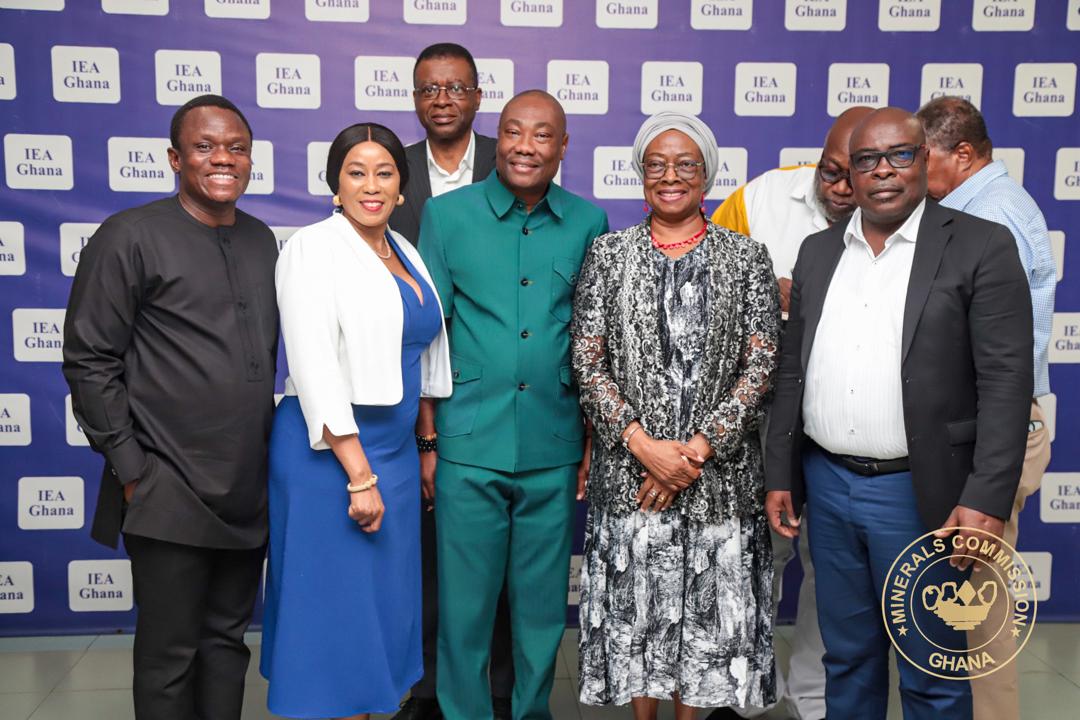
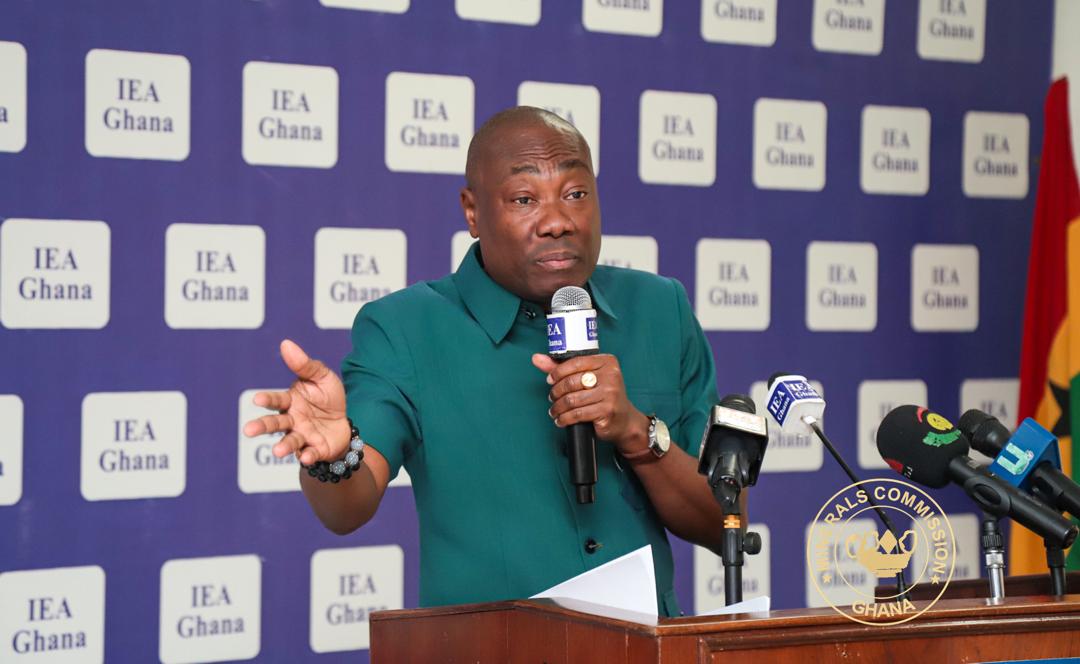
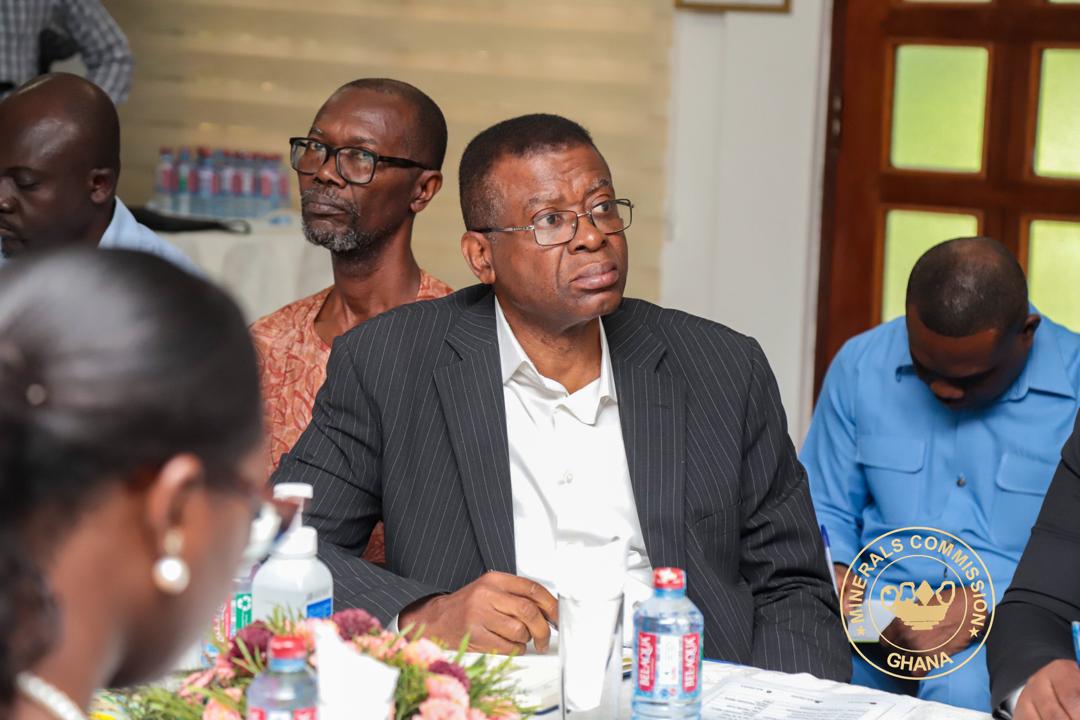
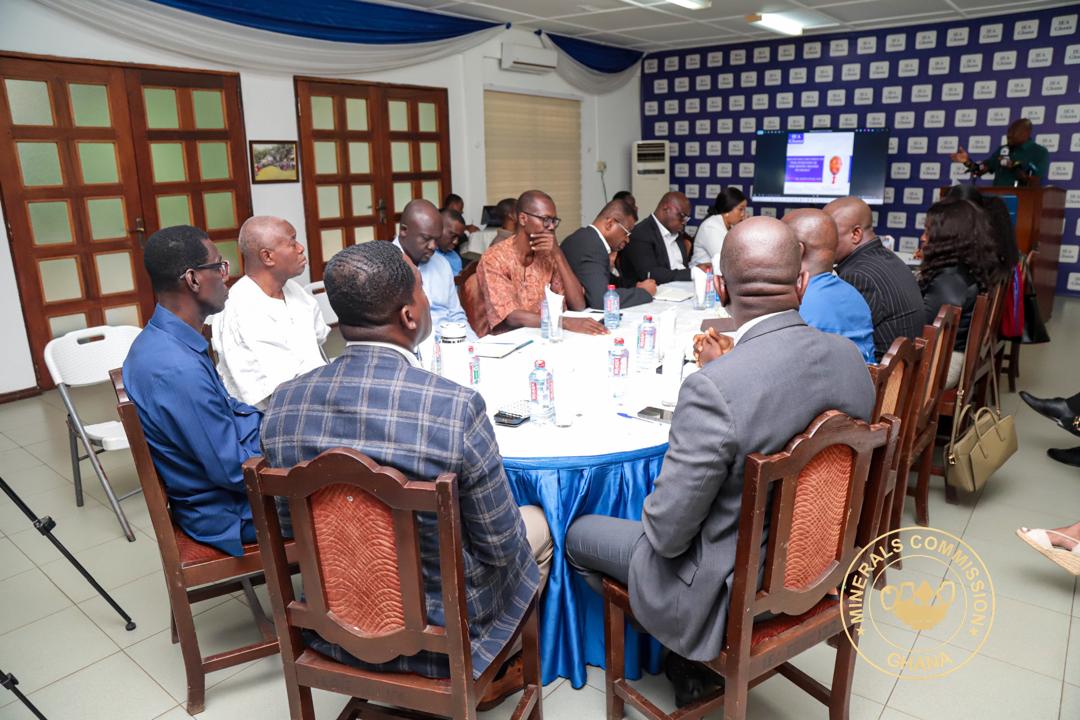
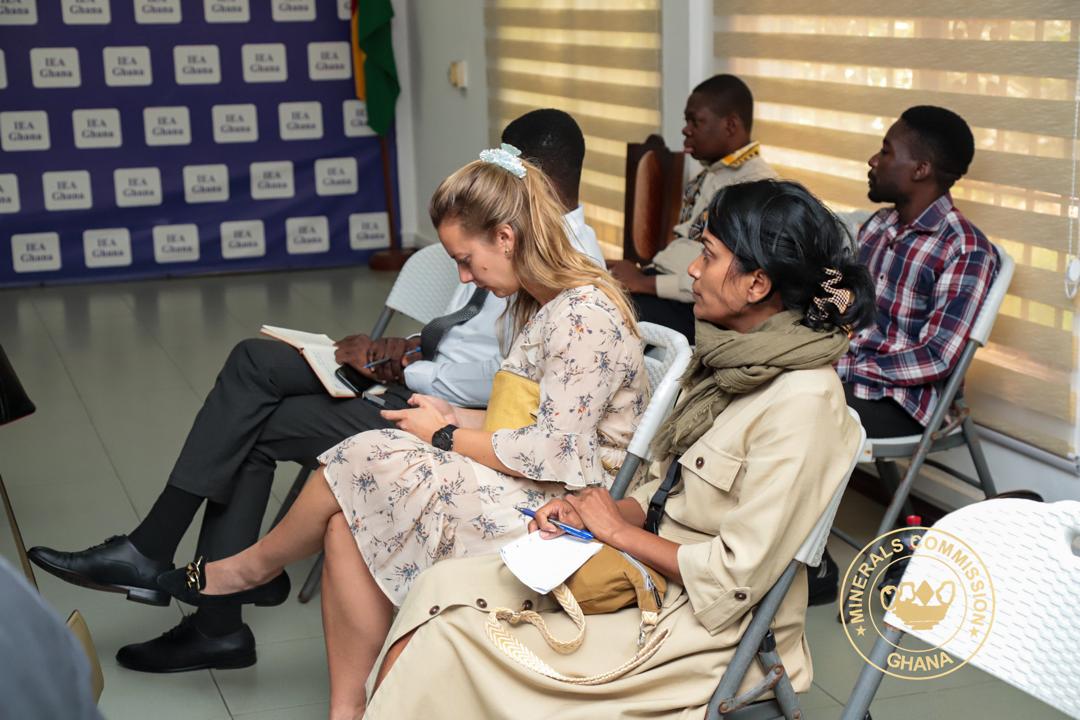
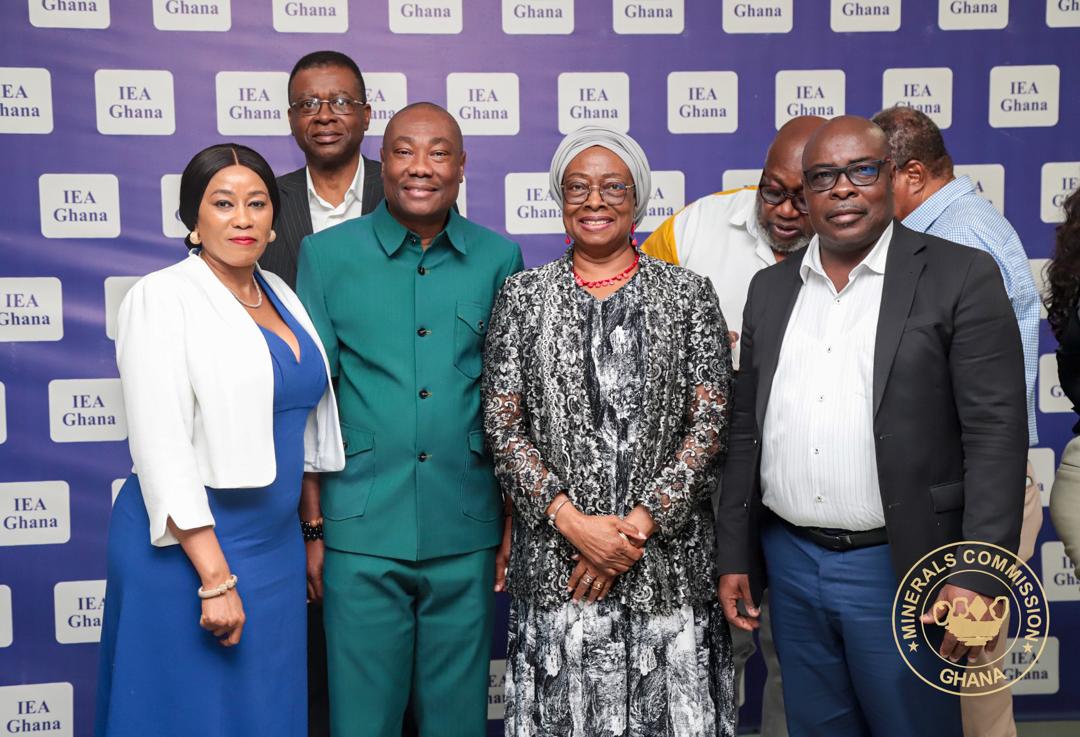
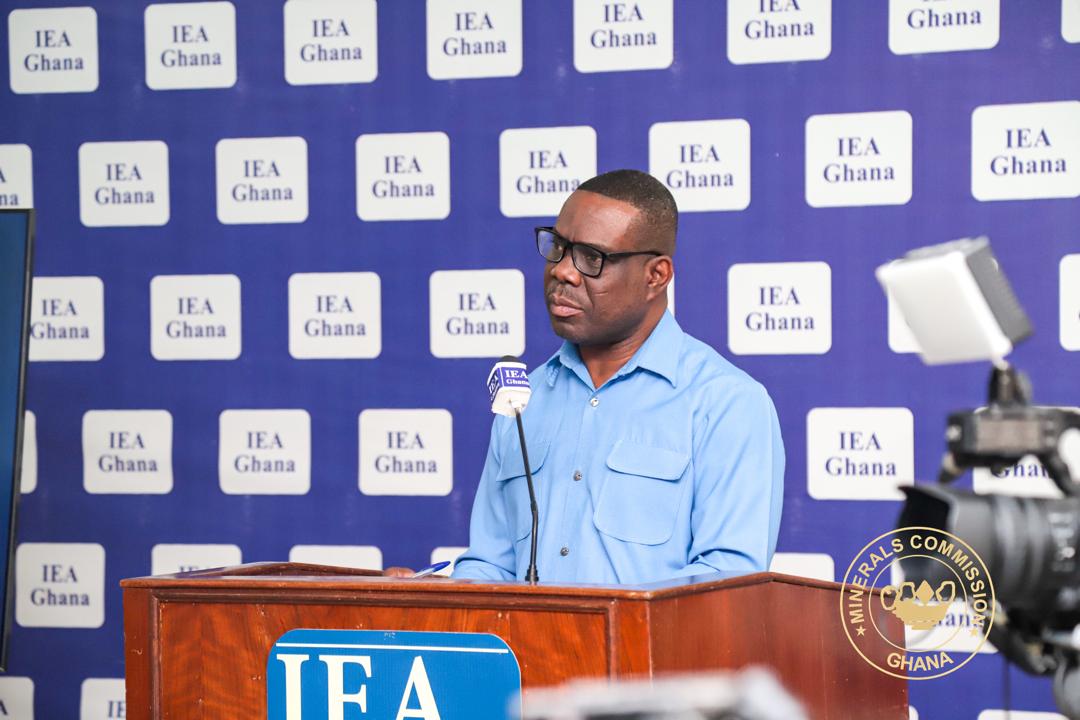
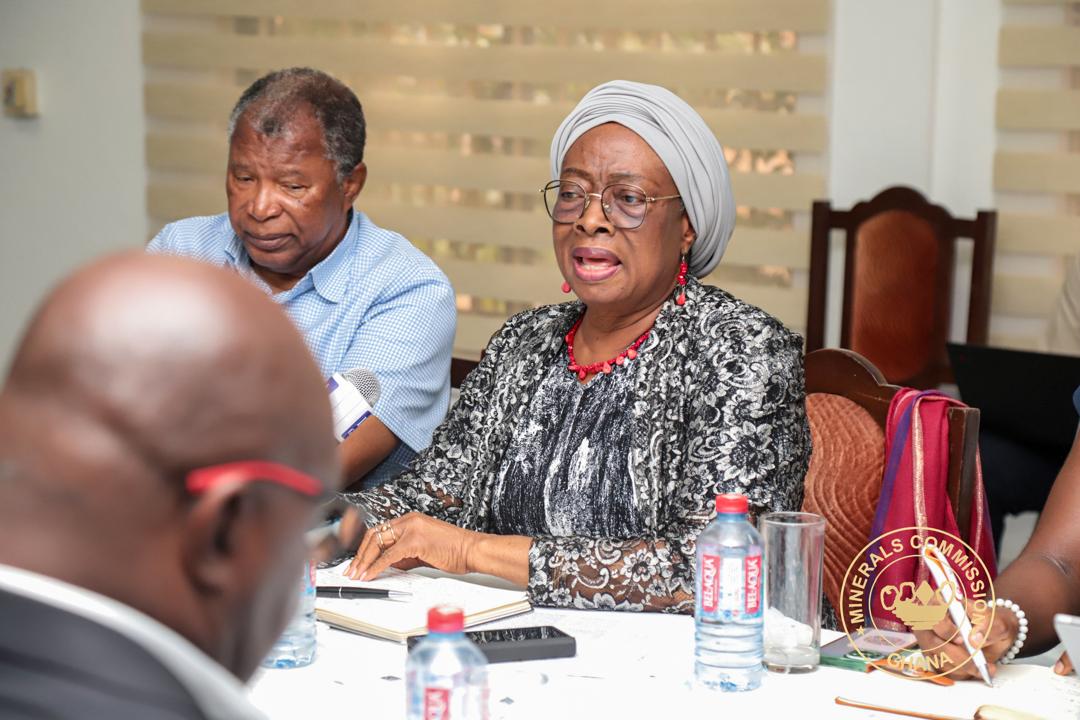
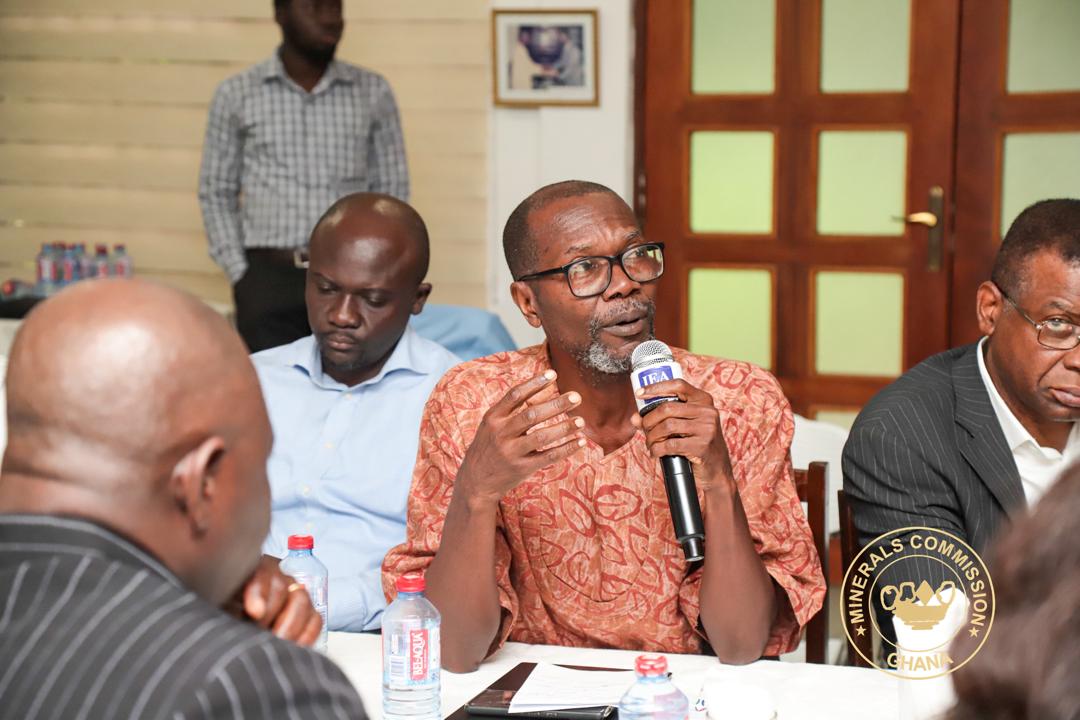
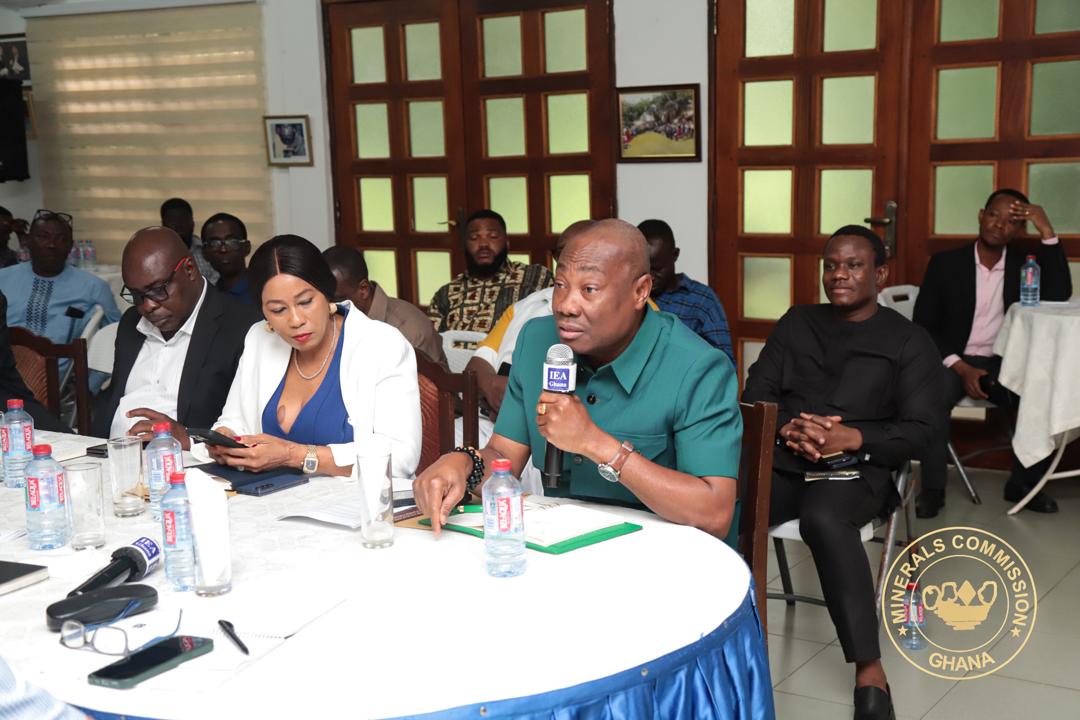
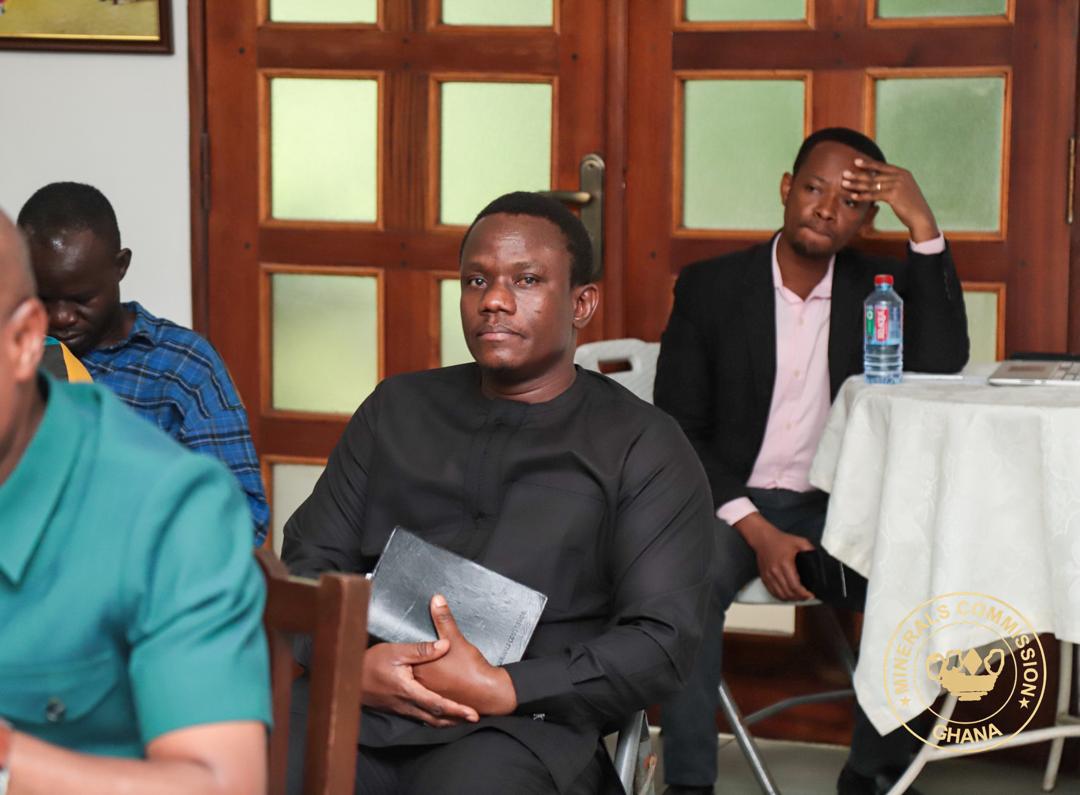
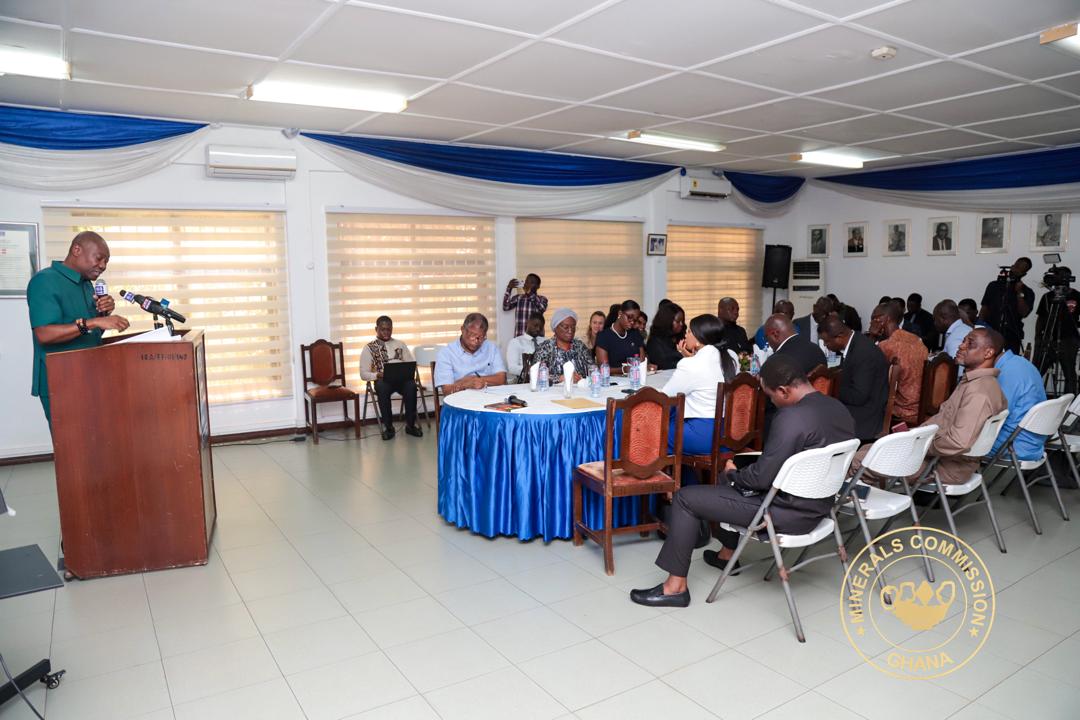
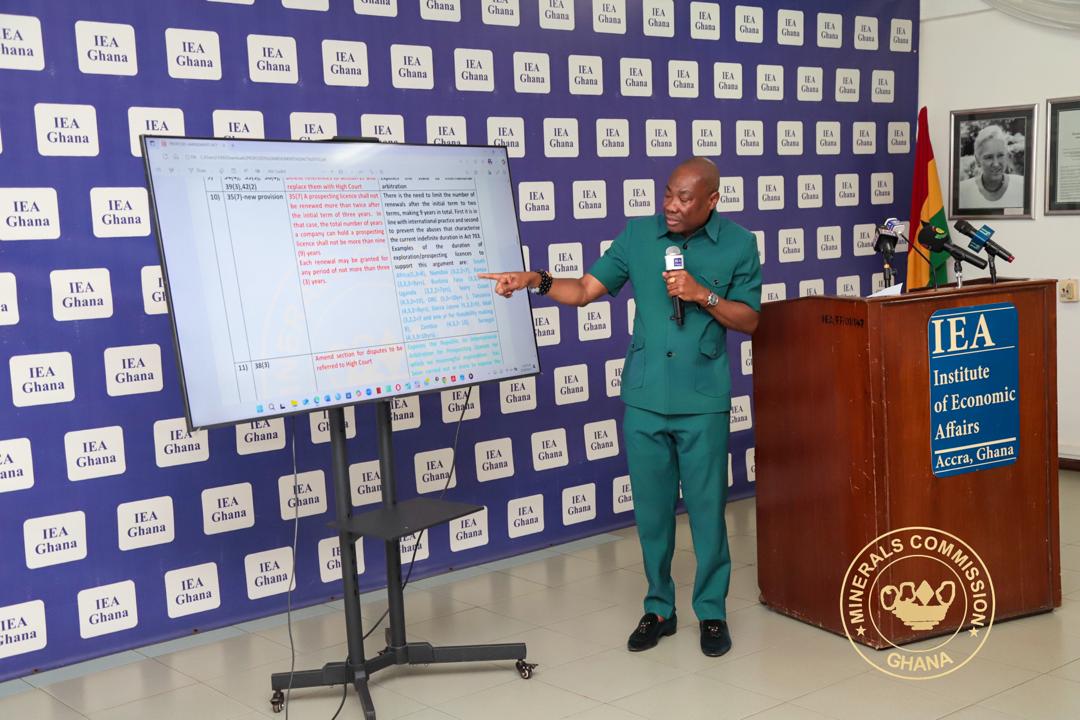

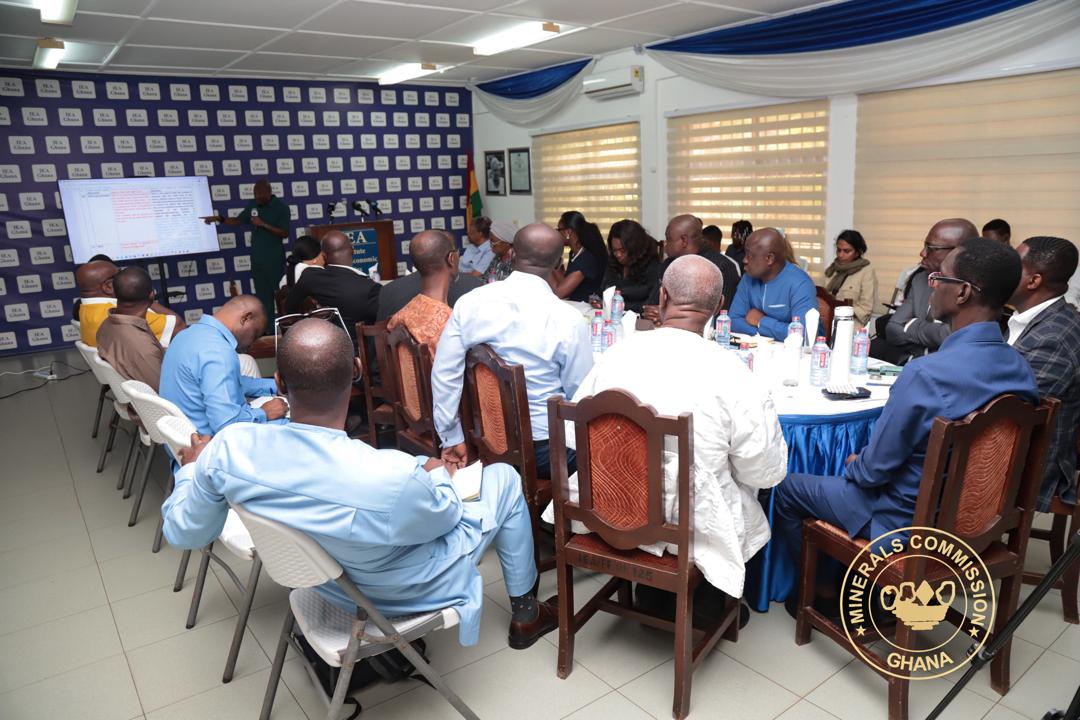
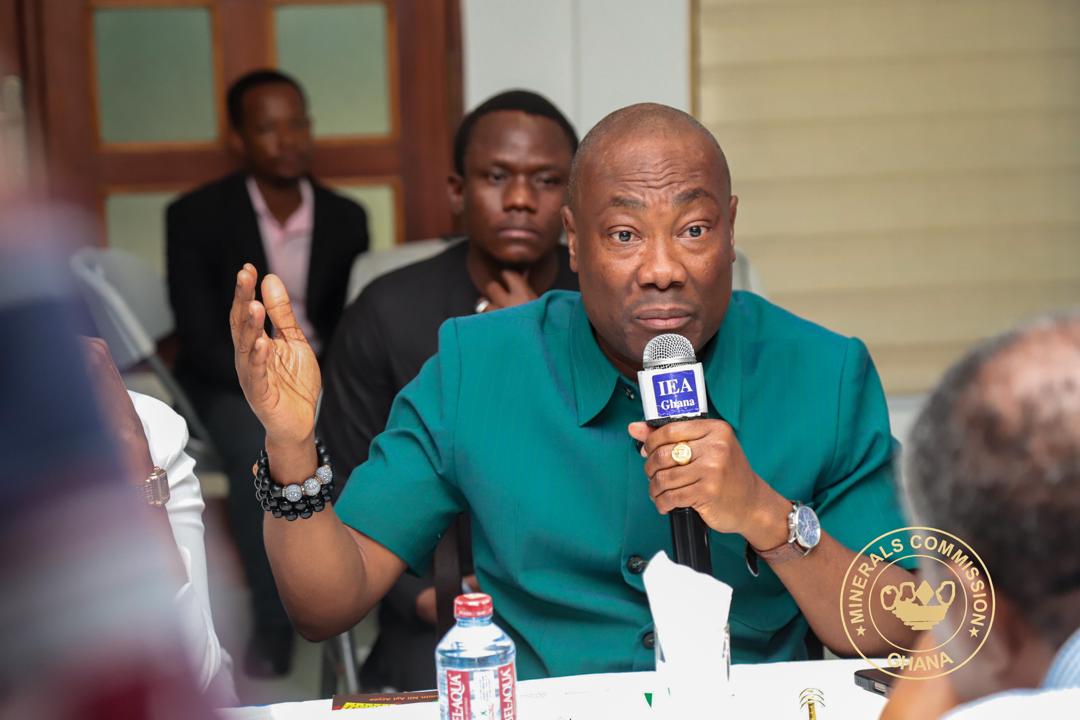
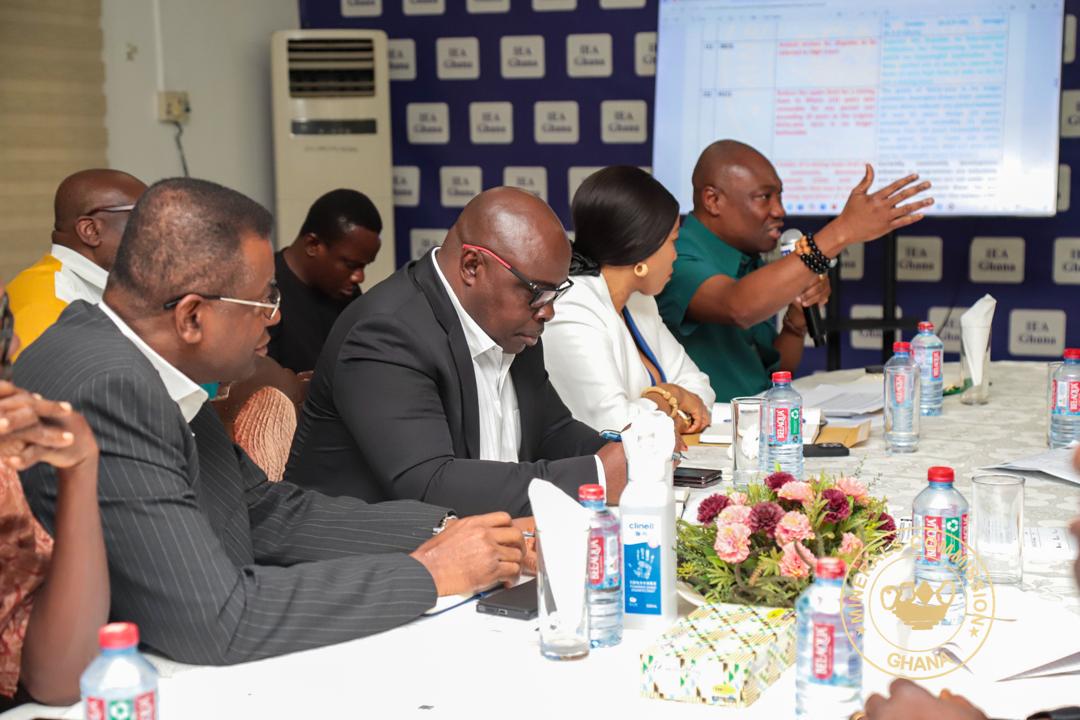
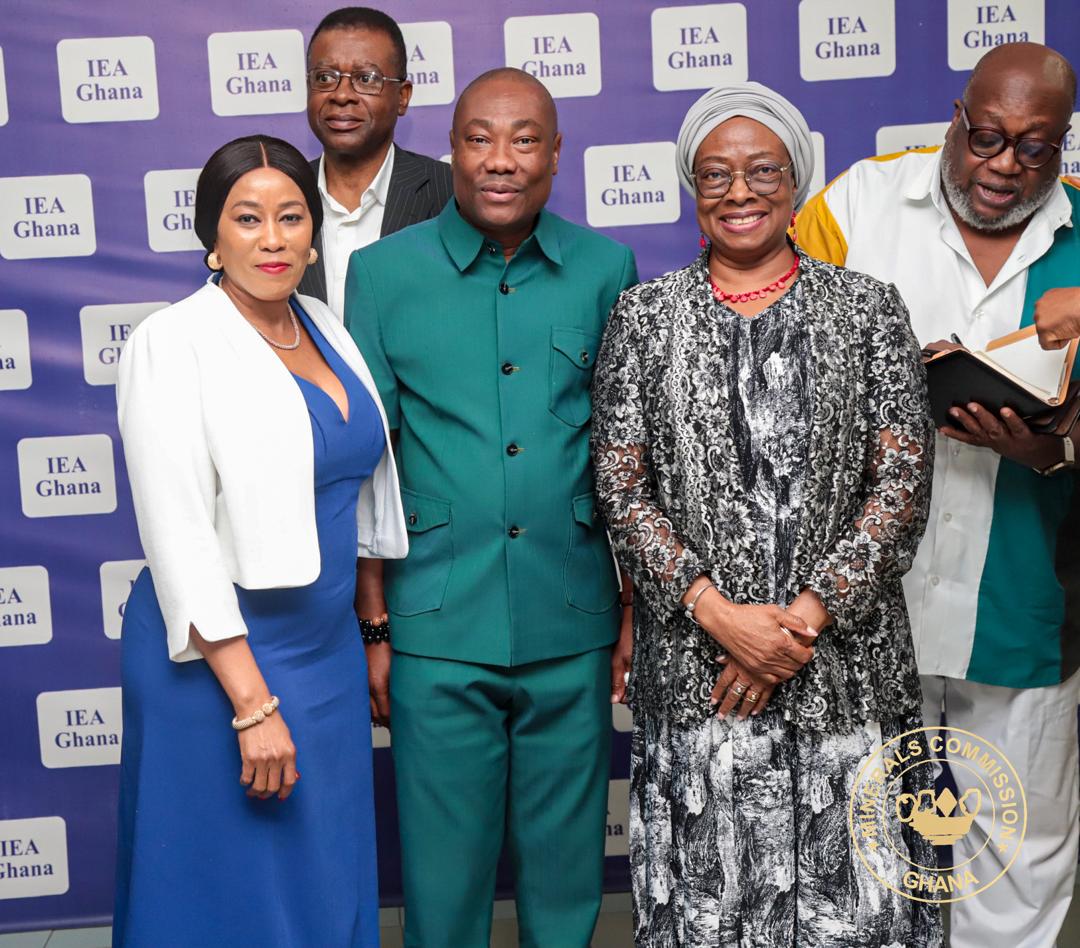
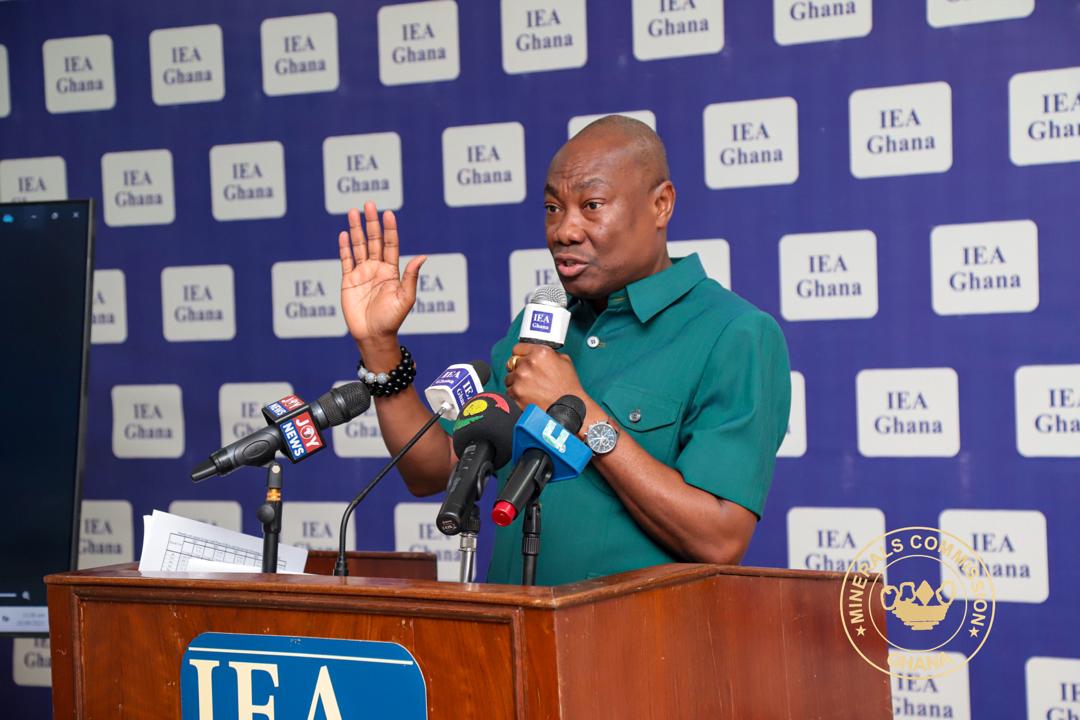
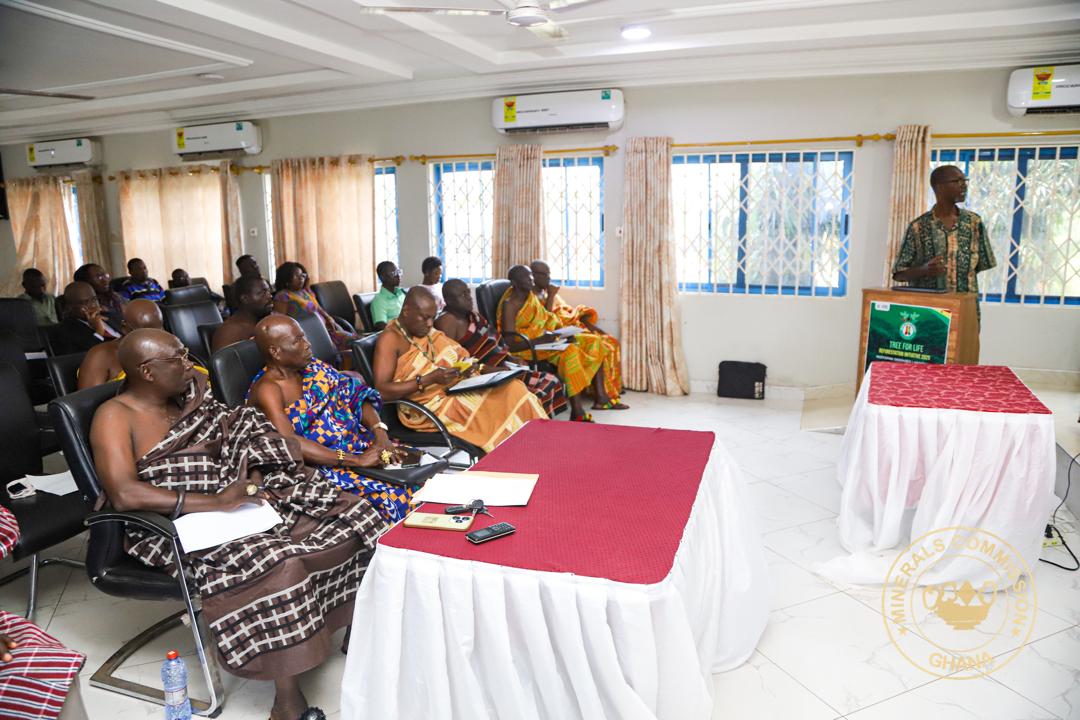
Speaking on behalf of the Chief Executive Officer of Minerals Commission, Mr. Nelson Ahedor Director responsible for Small-scale Mining and Industrial Minerals emphasized that the policy and regulatory review process of Ghana’s Mining Policy and the Minerals and Mining Act, 2006 (Act 703), reflects government’s commitment to align Ghana’s mining regulatory framework with emerging industry trends, best practices and technologies, whilst addressing the challenges confronting the current regulatory framework since its implementation.
He emphasized that the ongoing stakeholder consultation, in particularly with traditional authorities and community leaders will ensure that the revised policy reflects the both domestic and international realities of the industry. This will ensure that policies and frameworks are informed by the lived realities of the Ghanaian people.
Mr. Nelson reiterated that as custodians of land and vanguards of our tradition and culture, chiefs play a pivotal role in shaping government policies that governs the utilization and conservation of our natural resources. Whilst the current mining legislation and attendant regulations have served us well thus far, the pressing challenges we face – including environmental degradation, water pollution, and the burgeoning menace of illegal mining further necessitated the comprehensive review and refinement of the legal architecture, He added.
Mr. Benjamin Aryee, former CEO of Minerals Commission and one time, an Advisor to the sector Ministry, delivered a thorough going analysis of the 2014 Mining Policy, underscoring pivotal innovations. Notably, he accentuated the incorporation of the Green/Critical Minerals Policy, which highlights the imperative of sustainable mining practices amidst the burgeoning global demand for critical minerals.
Mr. Aryee expounded on the ramifications of nascent global trends, including climate change and the growing importance of industry principles, including the Environment, Social, and Governance (ESG) standards, in Ghana’s extractive sector. He also underscored salient governmental initiatives, such as the introduction of Cooperative Mining and the recategorization of mining, which encompasses the creation of a medium-scale category.
Mr. Aryee posited that “emerging global trends, such as climate change and the growing salience of transition minerals, coupled with challenges arising from implementation over the past decade and the strategic significance of small-scale mining to Ghana’s economy, necessitate a paradigmatic shift in our approach.” This review underscores the exigency for a forward-looking and adaptive mining policy framework that navigates the complexities of the contemporary mining landscape.
Mrs. Fafanyo Kukubor from, Gender and Legal Officer of Minerals Commission
highlighted key aspects of the proposed amendment to the Minerals and Mining Act, 2006 (Act 703), whilst emphasizing the critical legal and institutional role of traditional authorities.
Ms. Kukubor , emphasized that the proposed amendment mandates the Minerals Commission to proactively disclose various information regarding mineral rights, including agreements, licenses, payments, revenues, and production volumes. This move aligns with Ghana’s commitment to the Extractive Industries Transparency Initiative (EITI) and will enhance accountability and transparency in the mining sector n the context of the Right to Information Act, 2019 (Act 989). While ensuring the protection of confidential and proprietary information, the commission will adopt international best practices, drawing from the experiences of countries such as Guinea, Liberia, and Sierra Leone to deepen good governance in the sector.
Additionally, the proposed amendments aims to update the law to reflect the current status of the Ghana Geological Survey Authority, which has transitioned from a department to a fully-fledged authority. This change will ensure that the law accurately reflects the current institutional framework. Ms. Kukubor also outlined salient amendments under consideration, including:
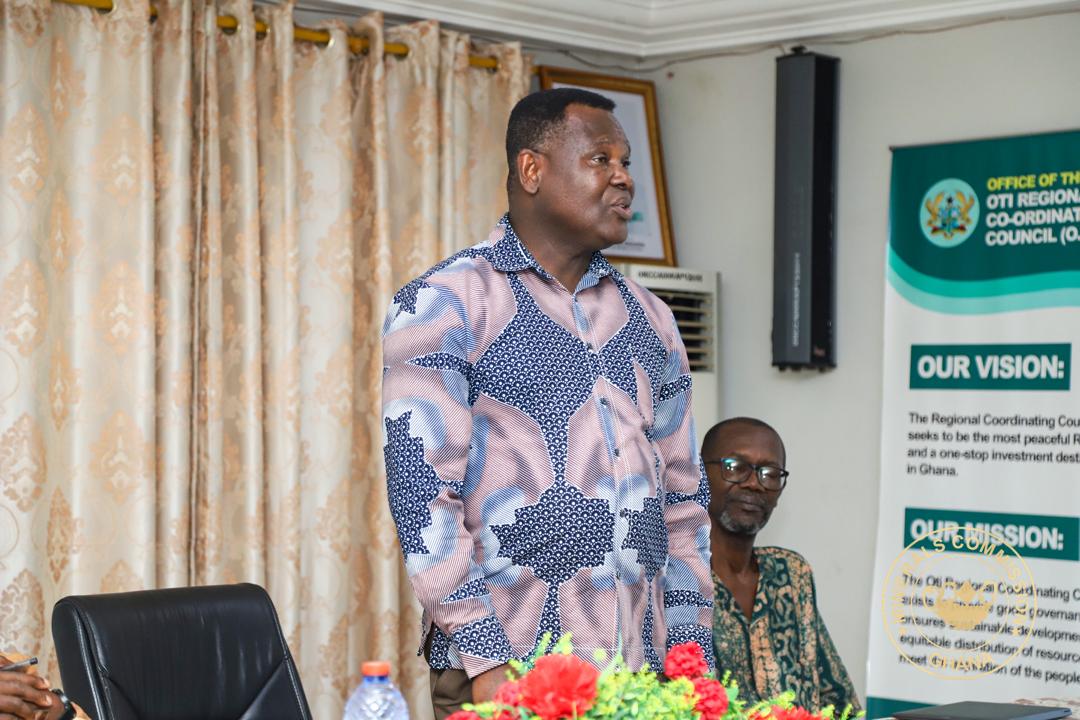
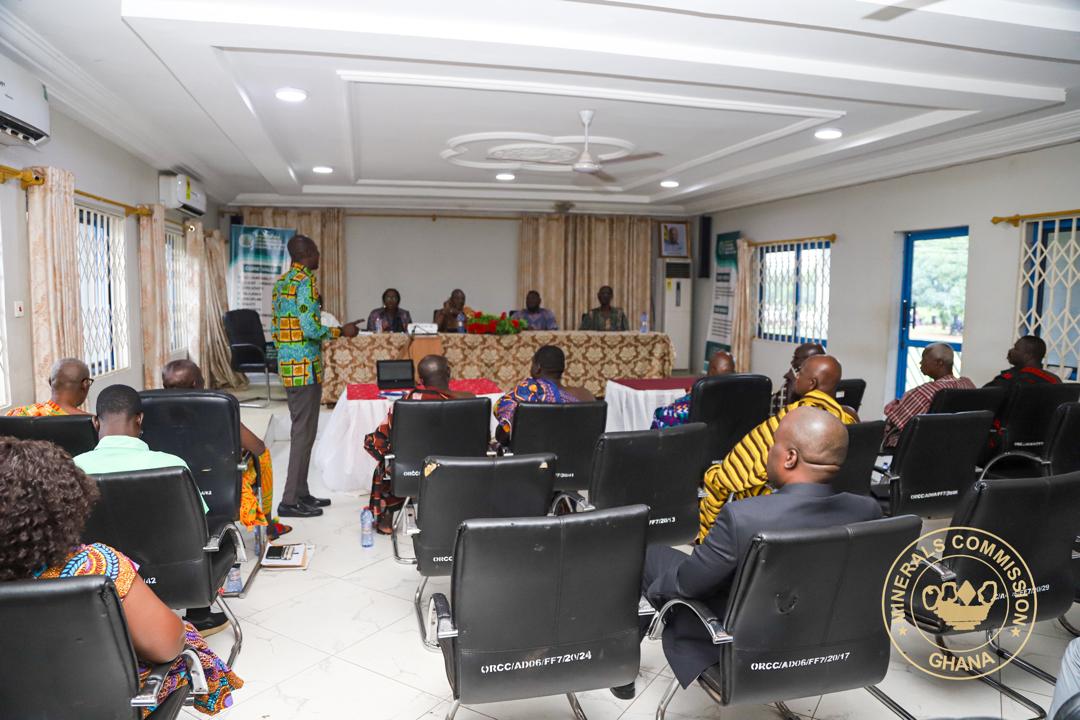
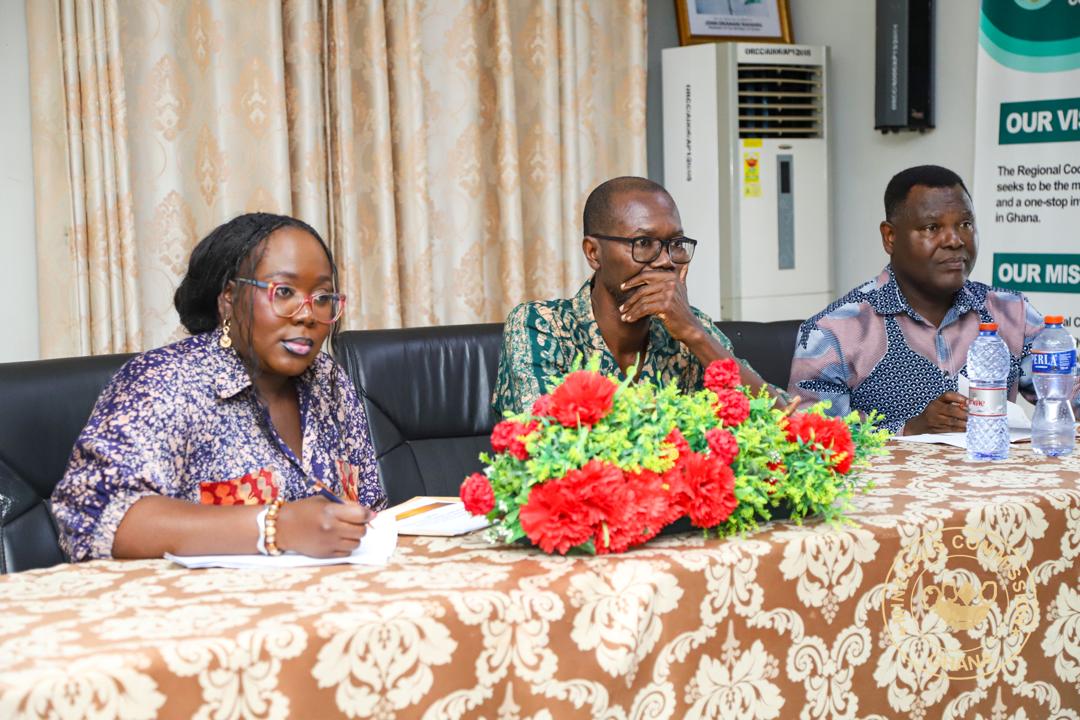
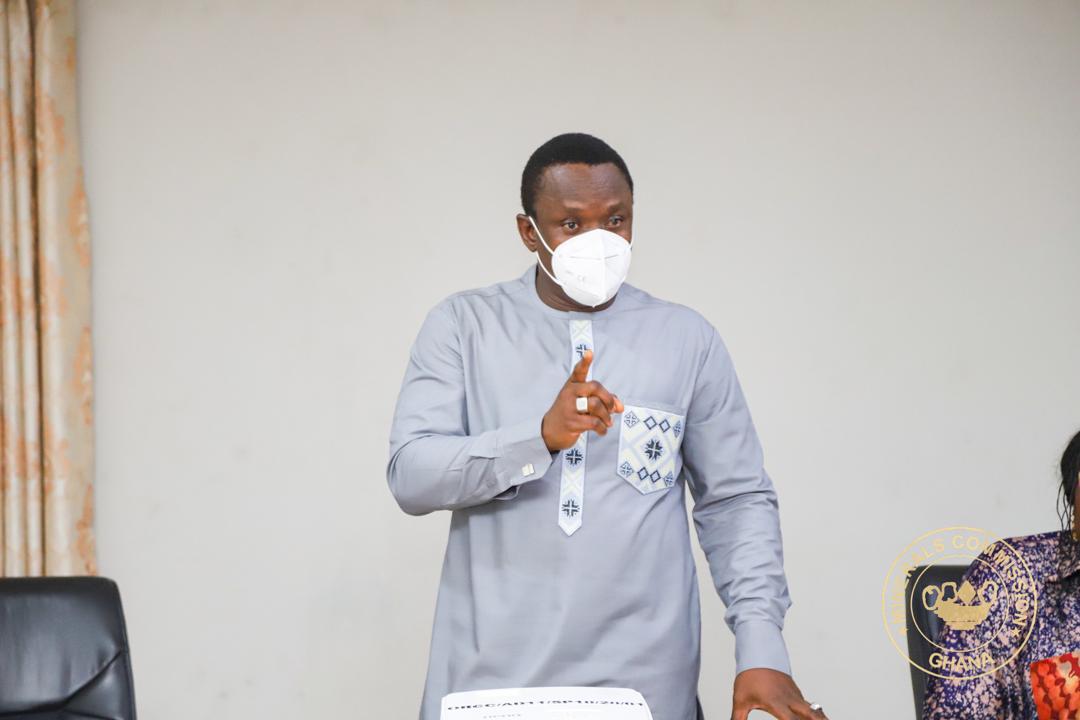
His Eminence, Nana Soglo Alloh IV, President of the Oti
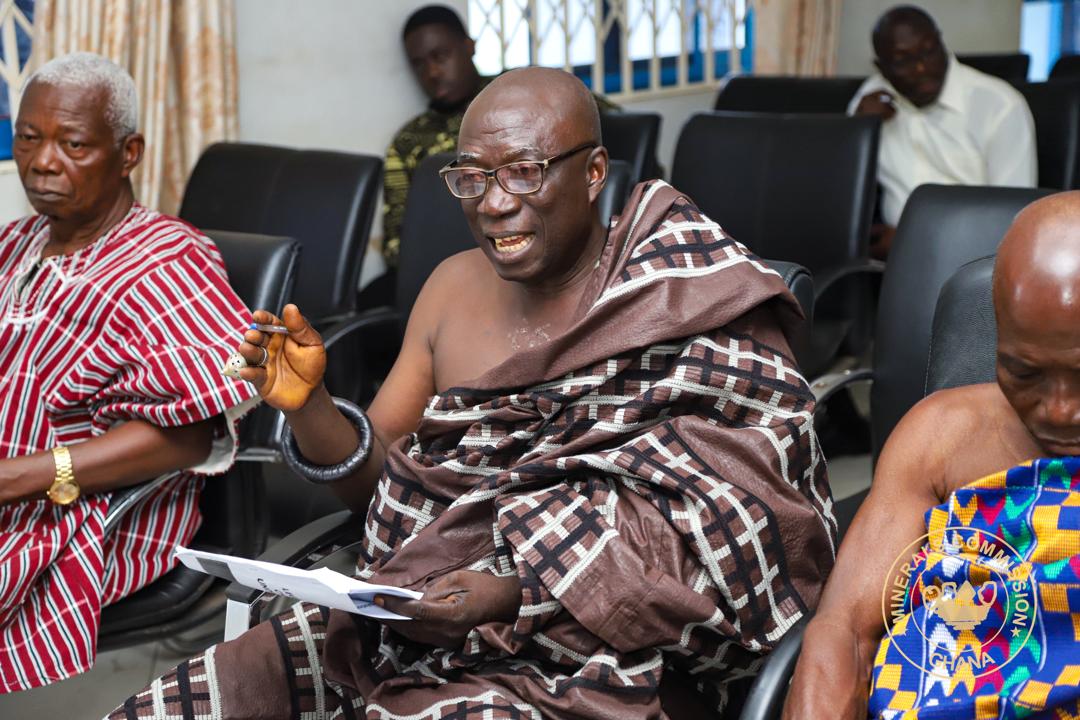
Regional House Chiefs underscored the imperative of fostering substantive partnerships with traditional councils from the inception of mining activities to mine closure. Nana Soglo lamented that prevailing practices often entail perfunctory interactions, bereft of transparency and accountability. To effectively mitigate issues such as illegal mining, it is essential to engage chiefs and local communities in a meaningful and inclusive manner. He proposed designating specific areas for indigenous populations and revising the royalty framework to ensure equitable compensation to traditional areas.
The paramount chief expressed gratitude for the opportunity to engage in the discussion and pledged to provide detailed feedback, emphasizing the necessity of sustained collaboration as key stakeholders.
END
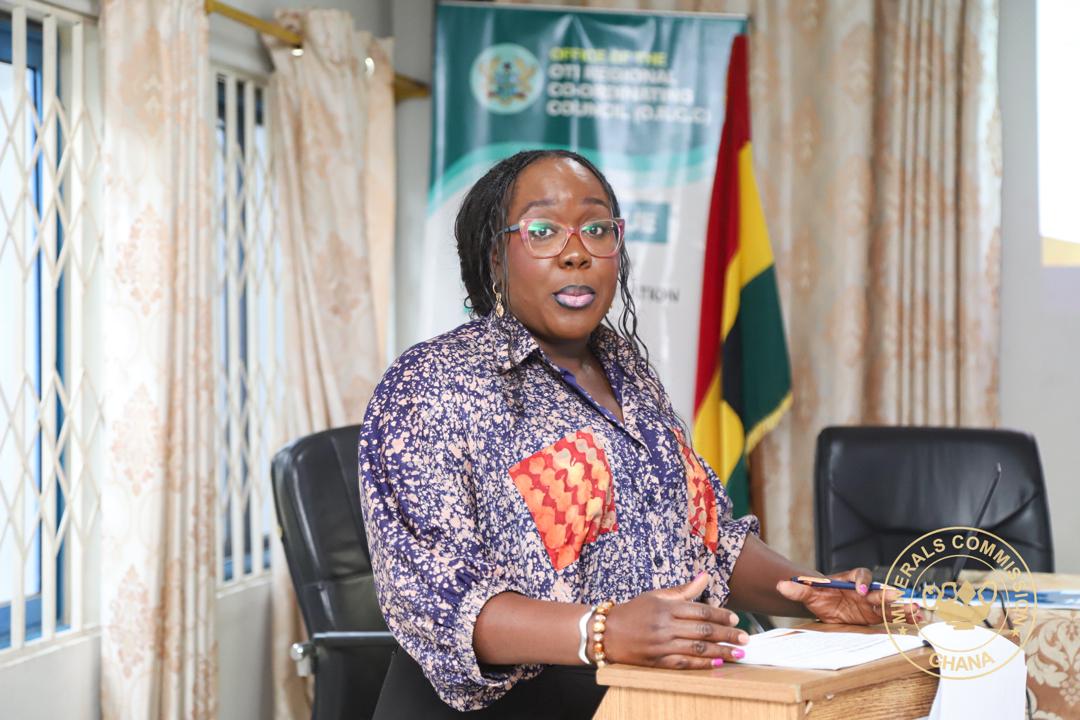
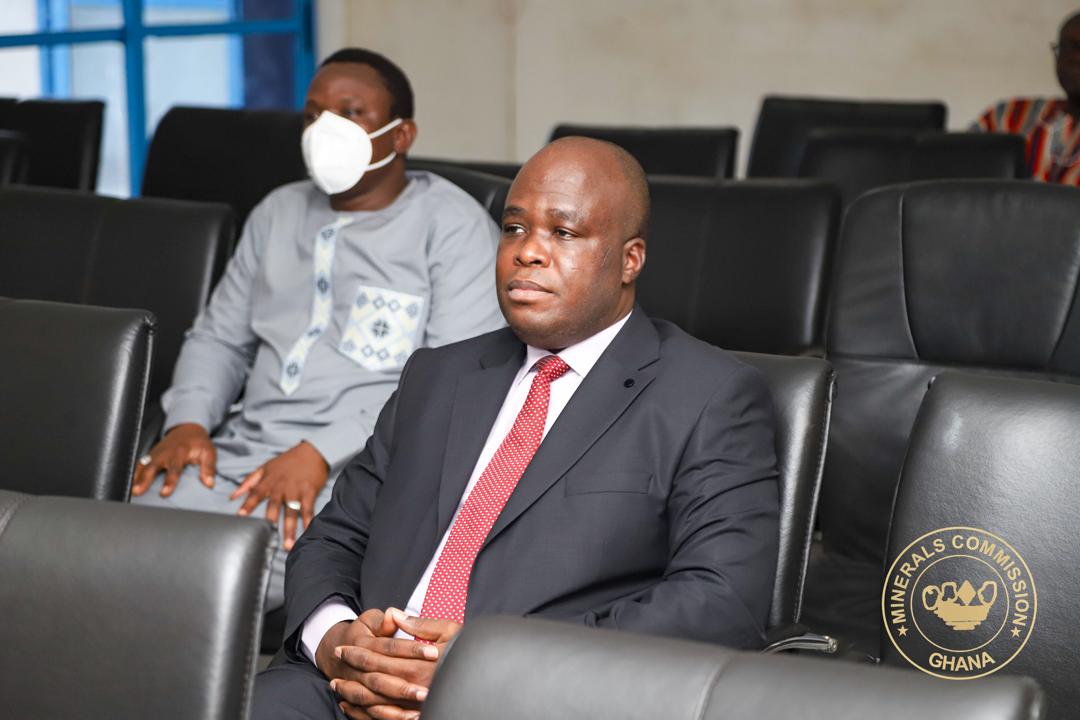
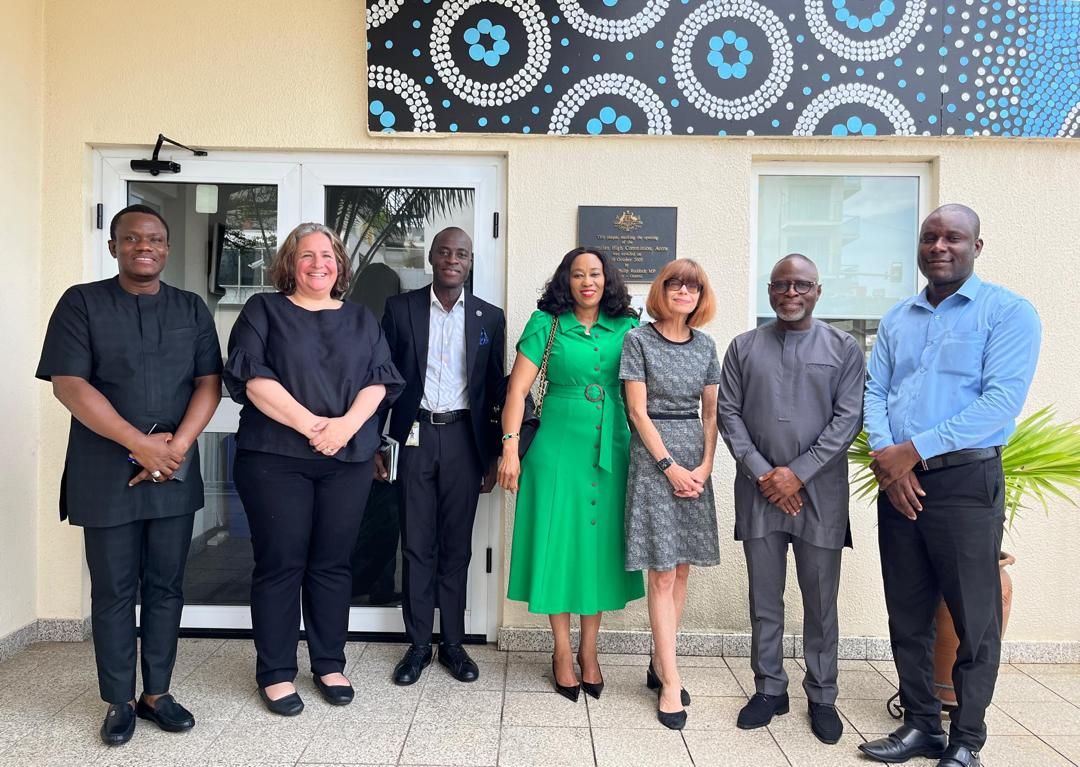
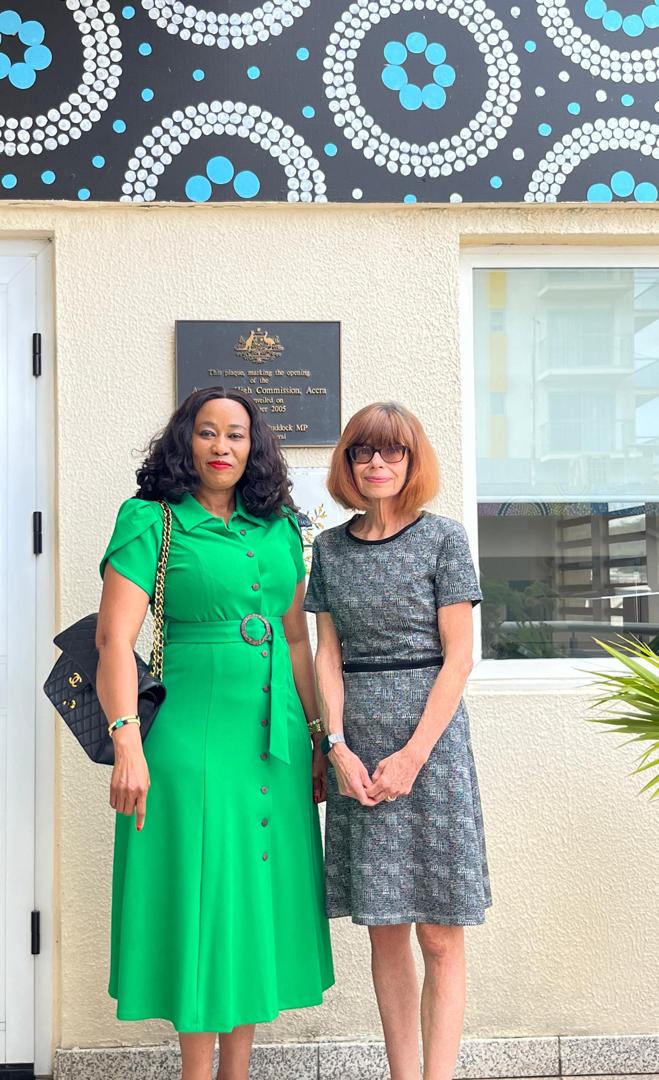
Deputy Chief Executive Officer of Minerals Commissions responsible for Policy Planning, Mineral Titles and Local Content, Ms. Victoria Awuni, led delegation of management staff to pay a courtesy call to the Australian High Commissioner in Ghana.
Ms. Awuni for and on behalf of the Chief Executive Officer, Mr. Martin Kwaku Ayisi, expressed the gratitude of Management and staff of the Commission for the growing raproshma between the Australian High Commission and Minerals Commission in fostering investor interest, trust and confidence in the Ghanaian mining industry.
On the part of the Australian High Commission, Her Excellency Berenice Owen-Jones, expressed excitement over the progressive interventions being implemented by Minerals Commission and assured of her continued commitment to ensuring the relationship between her office and Minerals Commission grows and impact positively on the Ghanaian mining industry. Her Excellency, Commissioner Berenice Owen-Jones in particular requested of the Commission to consider a systematic introduction of new items on the Minerals and Mining Procurement List to give suppliers more flexibility in restructuring their operations.
Commissioner Berenice also commended management of Minerals Commission for the ongoing broader stakeholder consultations regarding the review of the mining sector policies and legal regime. She encouraged the government to continue leveraging on the annual global competitive mining conference in Perth, Africa Dow Under to interact with and attract more mining firms into the country. She touted the good governance, peaceful nature, robust legal systems, quality human resources and friendly investment environment of Ghana as sufficient evidence to every well meaning investor. Her Excellency Bernice also implored upon the management of Minerals Commission to encourage more of its employees to take advantage of the Australia Awards Scholarship to improve on their skills and knowledge of the ever growing mining industry.
Ms. Victoria Awuni apprised the High Commissioner of the usefulness and impact of the Mining Cadastre Administration System (MCAS), which was introduced to the Minerals Commission by the Australian High in 2015. The MCAS is a web-based software application that supports governments manage their mineral rights. The software manages the full lifecycle of a mining right, from application through approval, licensing, renewals and finally expiration. MCAS has a compliance module that tracks all payments made, payments outstanding, royalties, production reports, and contract terms to ensure compliance of license holders.
Ms. Awuni also updated Commissioner Bernice on the number of Minerals Commission staff currently studying in Australia and thanked her for the continued support with opportunities and facilitating official travels of officials to Australia.
End.
info@mincom.gov.gh
Minerals House
#12 Switchback Road
Residential Area
Cantonment - Accra
GL- 060 -1131