
+233 030 277 1318
+233 030 277 2783
info@mincom.gov.gh

Minerals House
#12 Switchback Road
Residential Area
Cantonment - Accra
GL- 060 -1131


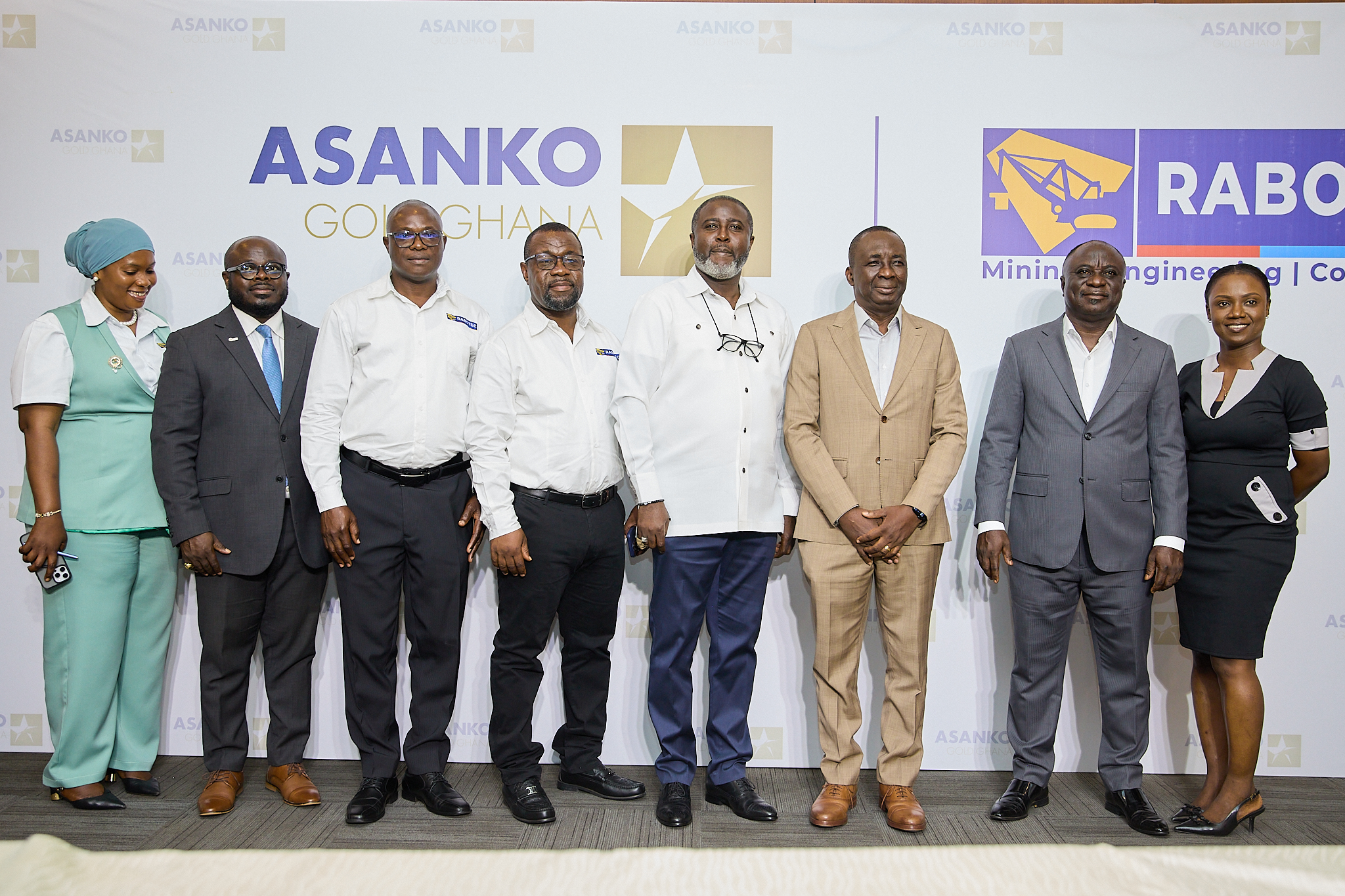
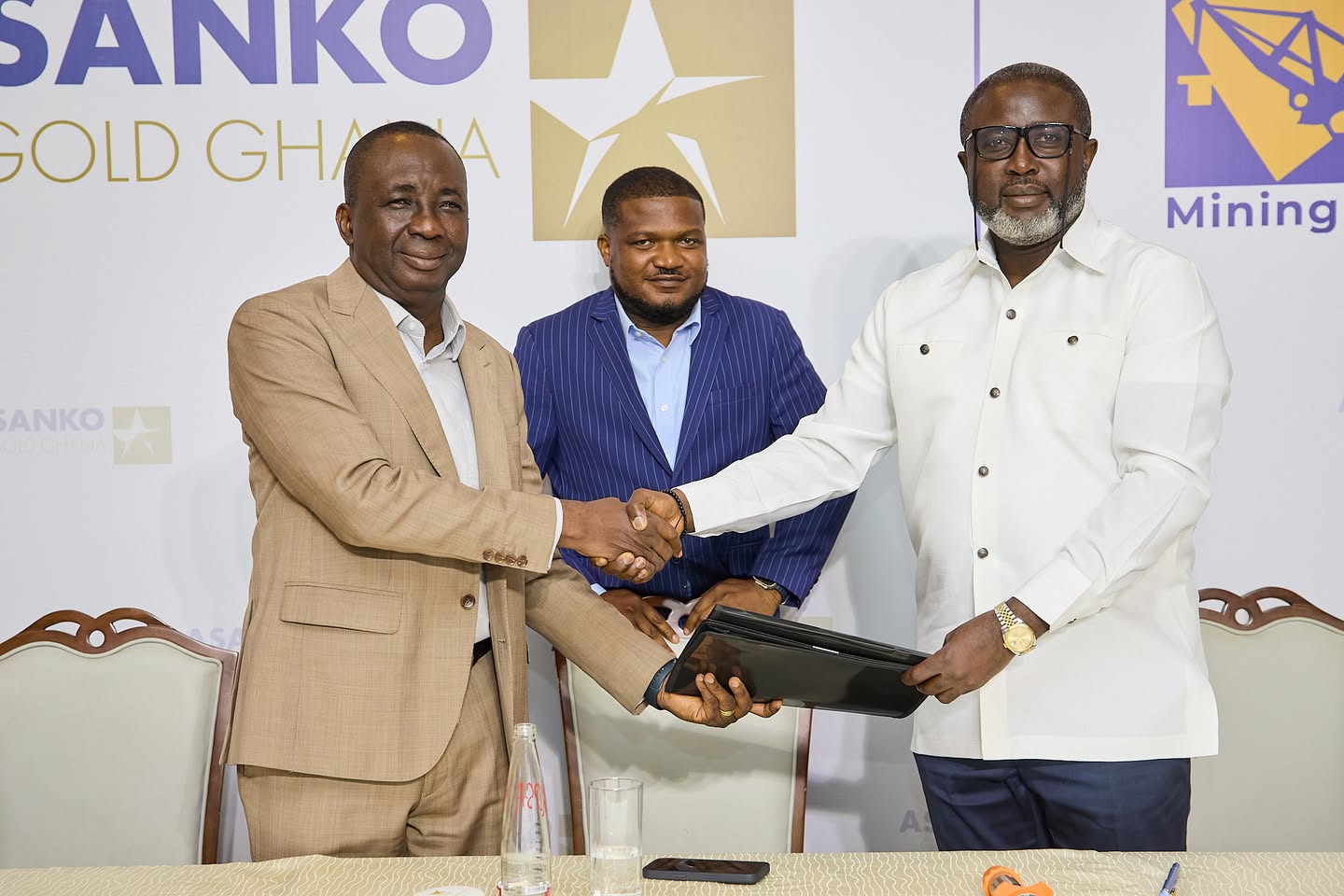
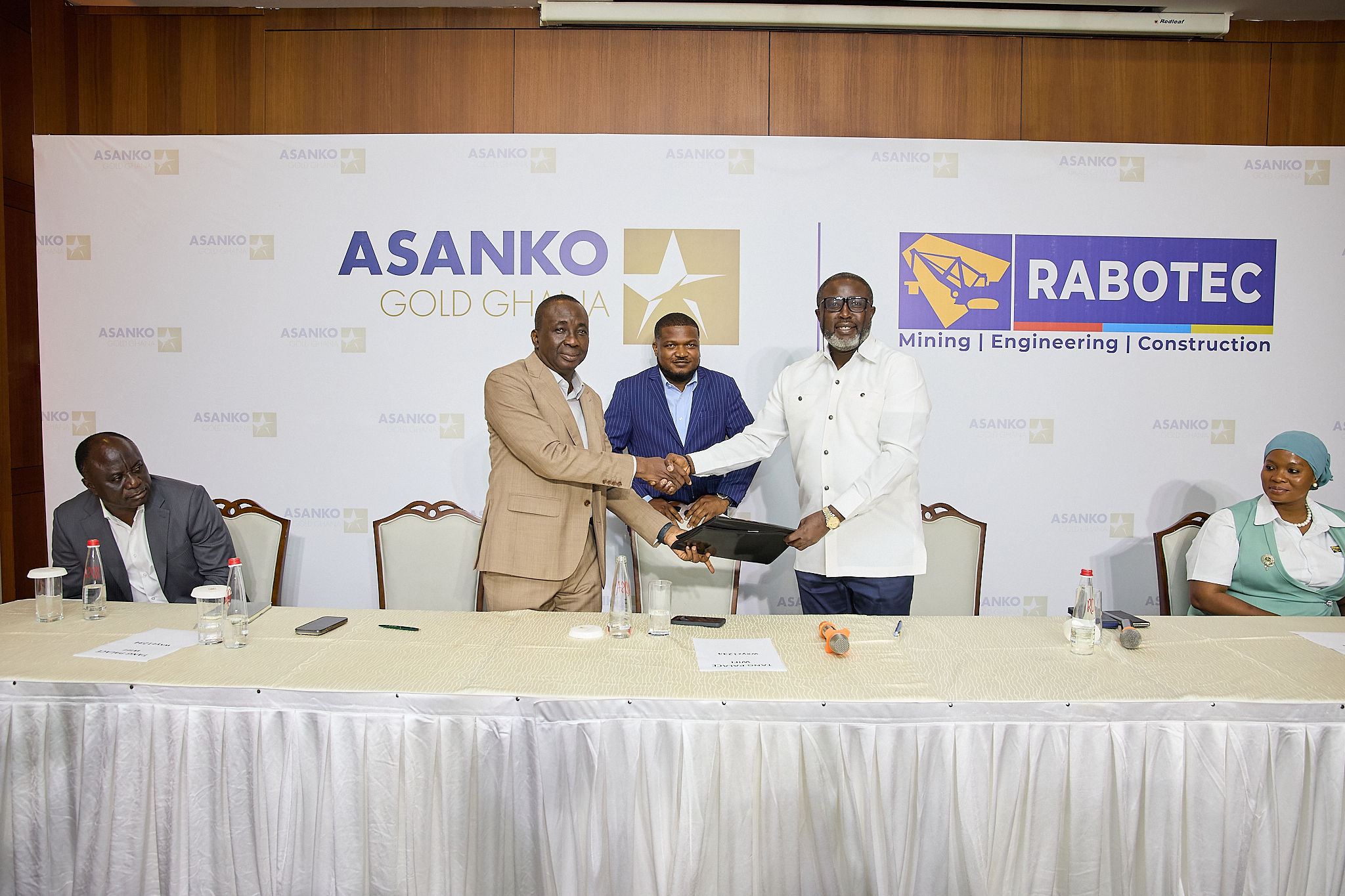
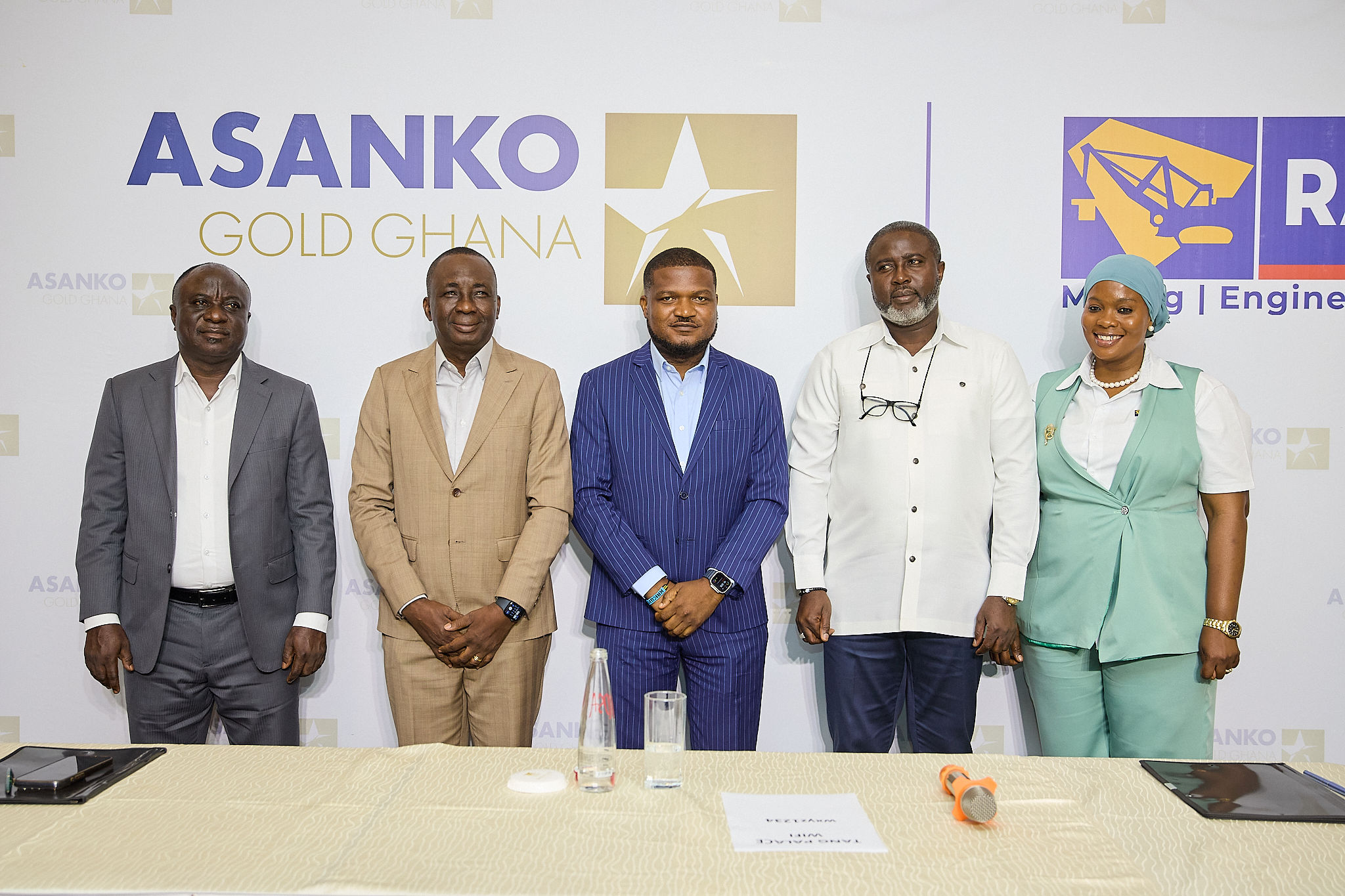
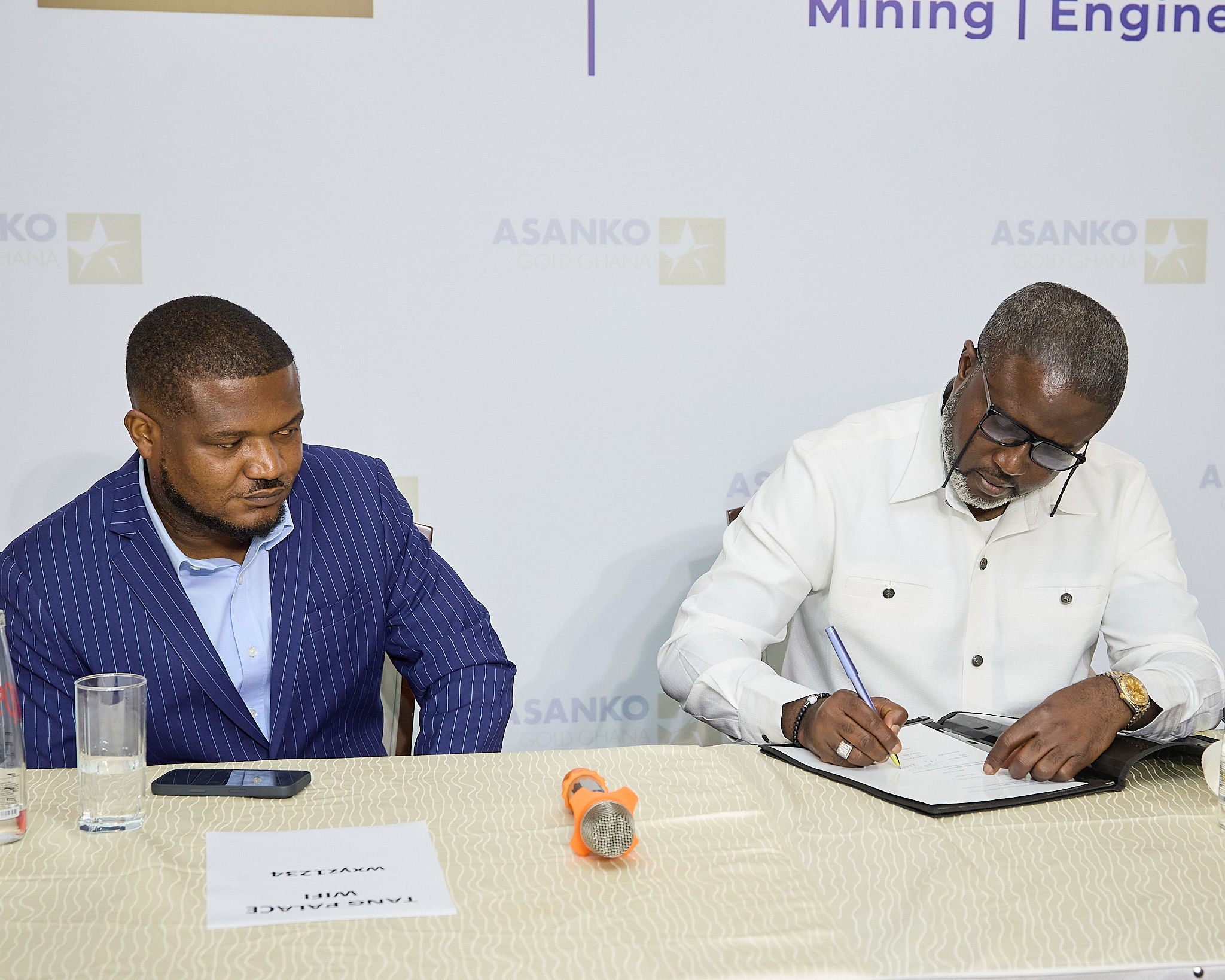
The Minerals Commission has welcomed the landmark partnership between Rabotec Ghana Limited and Asanko Gold Ghana Limited, describing it as a significant step forward in advancing Ghana’s local content agenda and strengthening sustainable investment within the mining sector.
The agreement, valued at approximately $400 million over a four-year period, is expected to deepen indigenous participation in mining operations while driving employment, skills development, and value retention within the local economy. Industry stakeholders note that the partnership reflects a deliberate shift toward empowering Ghanaian-owned companies to operate at globally competitive standards, while ensuring that the benefits of mineral resource exploitation are more broadly shared across the country.
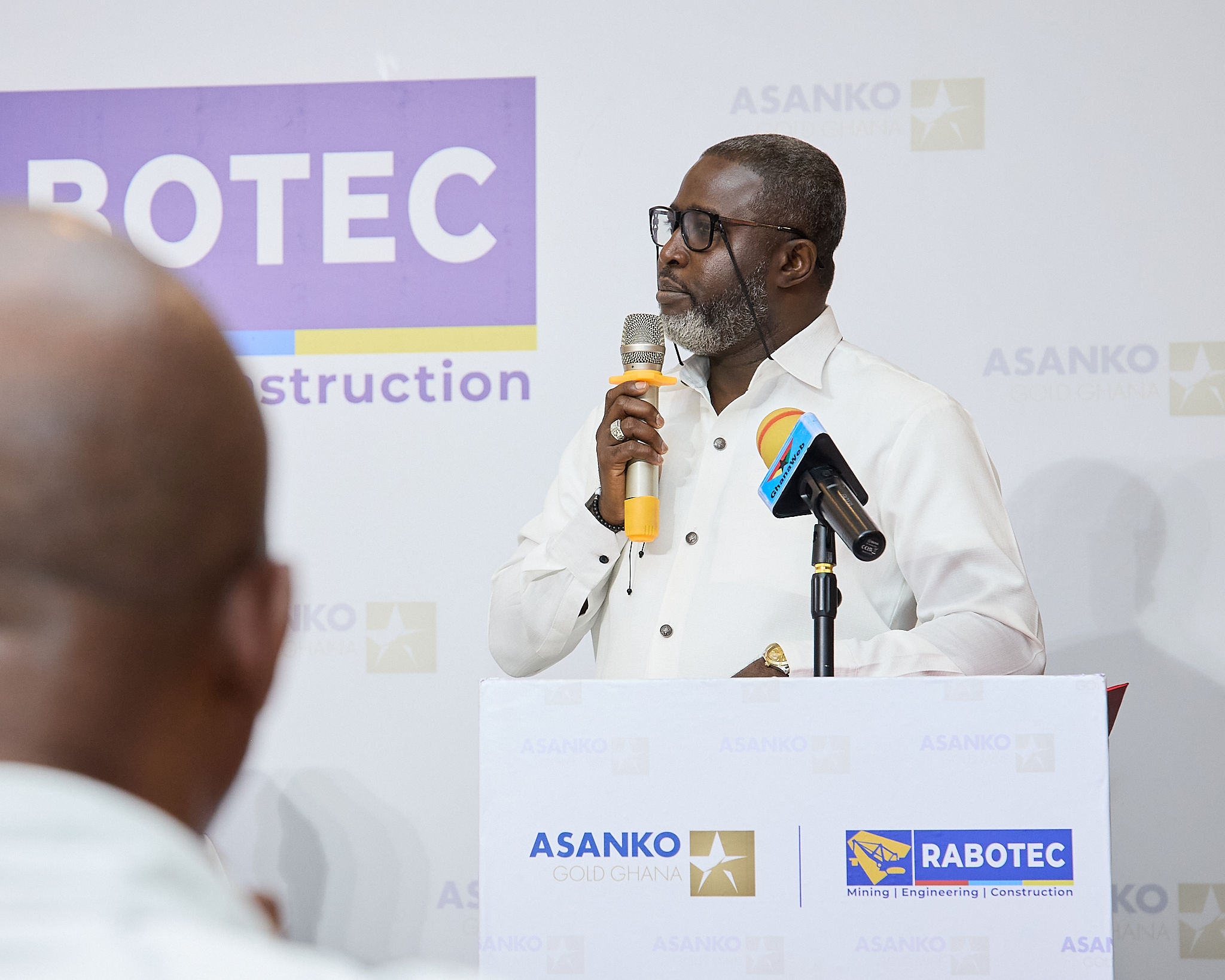
Speaking on the development, the Chief Executive Officer of the Minerals Commission, Mr. Isaac Tandoh, underscored the Commission’s strong commitment to policies that promote local content and local participation, emphasizing that such strategic collaborations are critical to building a resilient and inclusive mining sector. The deal is projected to generate approximately 3,000 direct jobs and 5,000 indirect jobs, while also strengthening local supply chains and enhancing technical capacity among Ghanaian firms.
Mr. Tandoh noted that the partnership aligns with the government’s broader vision of ensuring that Ghana’s mineral wealth translates into sustainable socio-economic development. He highlighted that beyond job creation, the agreement represents a long-term investment in human capital development, positioning Ghanaians to take on increasingly complex roles across the mining value chain.
The CEO of the Commission further commended both companies for prioritizing local participation and maintaining high operational standards, stressing that the success of Ghana’s mining industry depends not only on resource extraction but also on the deliberate development of local expertise and enterprise. The collaboration is also expected to stimulate economic activity in host communities, reinforcing the link between responsible mining and community development.
Reaffirming its regulatory mandate, the Commission pledged continued support for initiatives that enhance local content, promote environmental sustainability, and ensure strict compliance with industry regulations. The Commission stressed that partnerships of this nature serve as a model for future investments in which economic growth, job creation, and responsible resource management are pursued in tandem.
The Rabotec-Asanko agreement ultimately signals a strong vote of confidence in Ghana’s mining sector and its policy direction, positioning the country as a leading destination for sustainable mining investment in Africa.
END.
info@mincom.gov.gh
Minerals House
#12 Switchback Road
Residential Area
Cantonment - Accra
GL- 060 -1131