
+233 030 277 1318
+233 030 277 2783
info@mincom.gov.gh

Minerals House
#12 Switchback Road
Residential Area
Cantonment - Accra
GL- 060 -1131


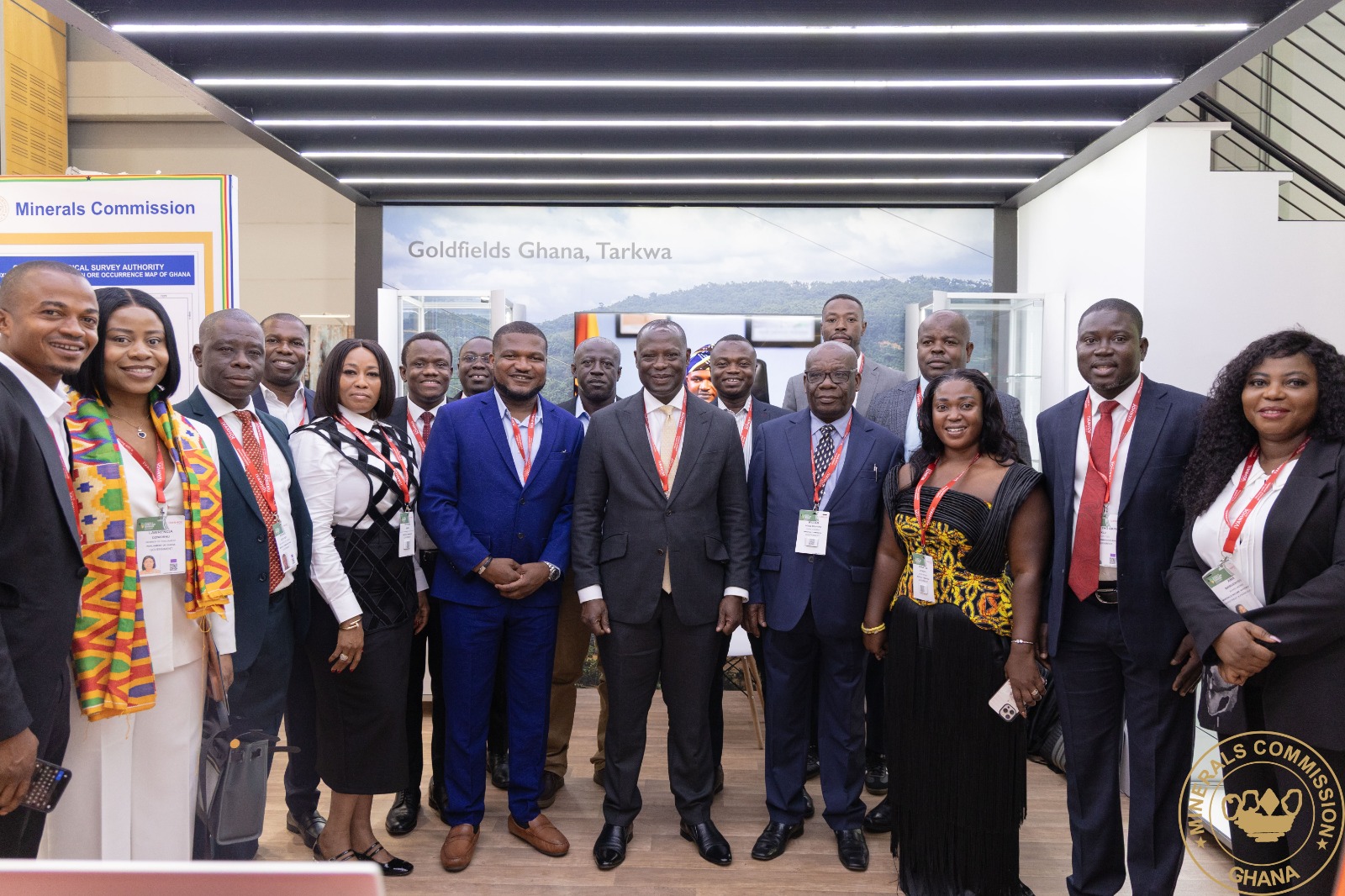
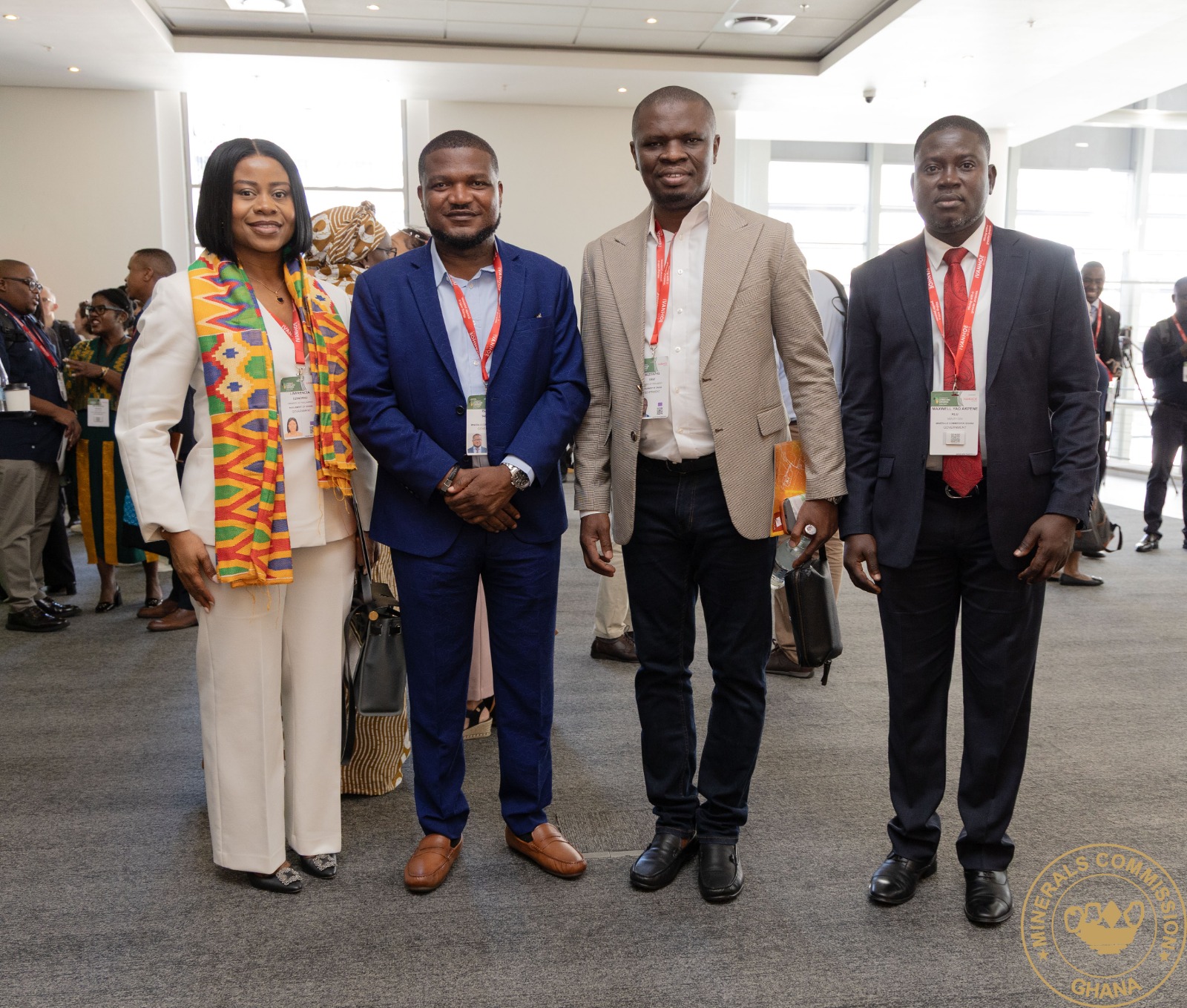
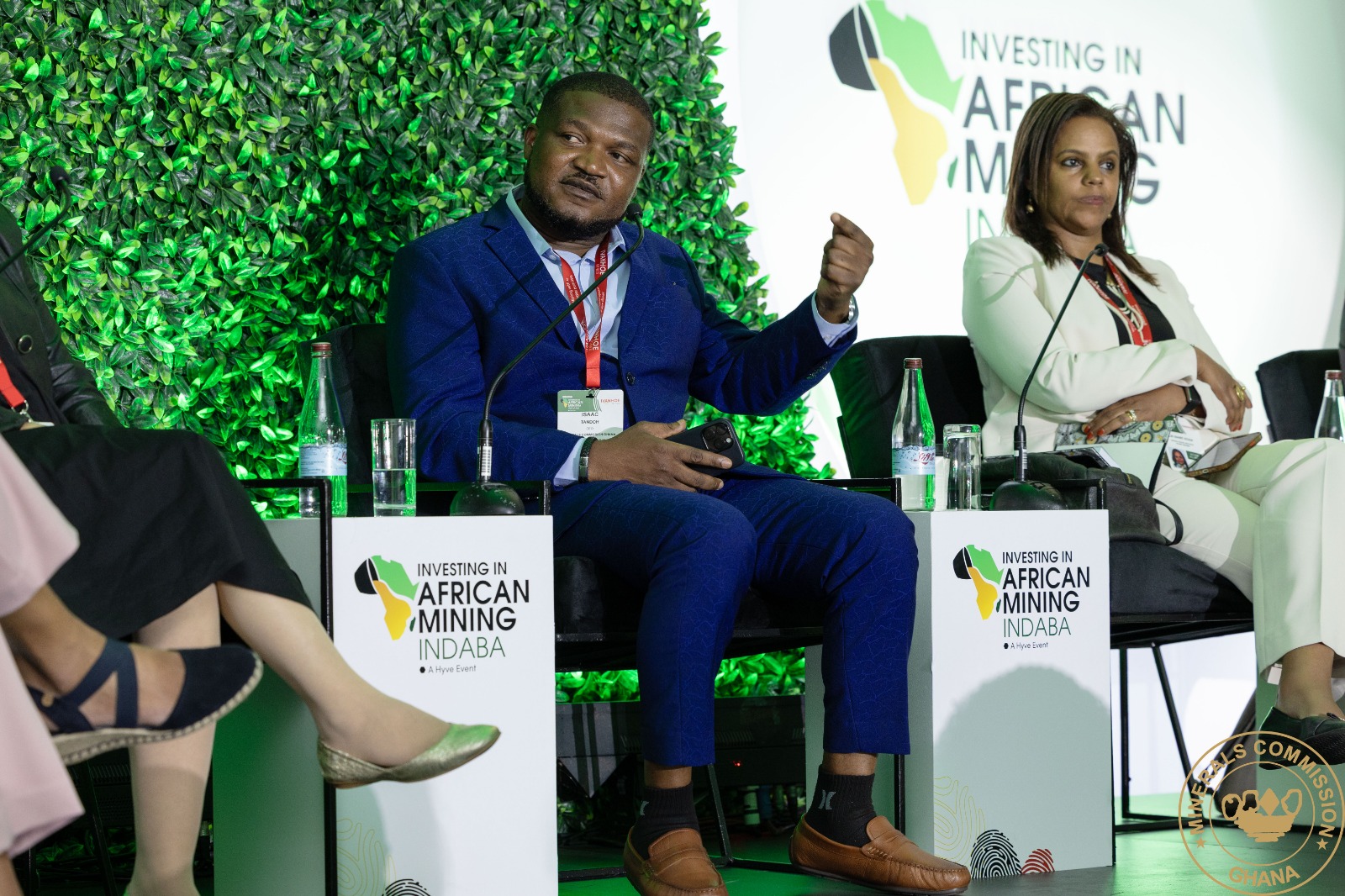
The CEO of the Minerals Commission, Mr. Isaac Tandoh, is calling for a radical shift in how the continent views its natural wealth. He argues that Africa must reject “foreign-imposed” definitions of critical minerals. Speaking on the future of the continent’s extractive sector, the CEO warned that adhering to the Global North’s energy-transition agenda risks turning Africa into a mere source of raw materials. Instead, he proposed an Africa-centered framework designed to fuel domestic industrialization and regional sovereignty.
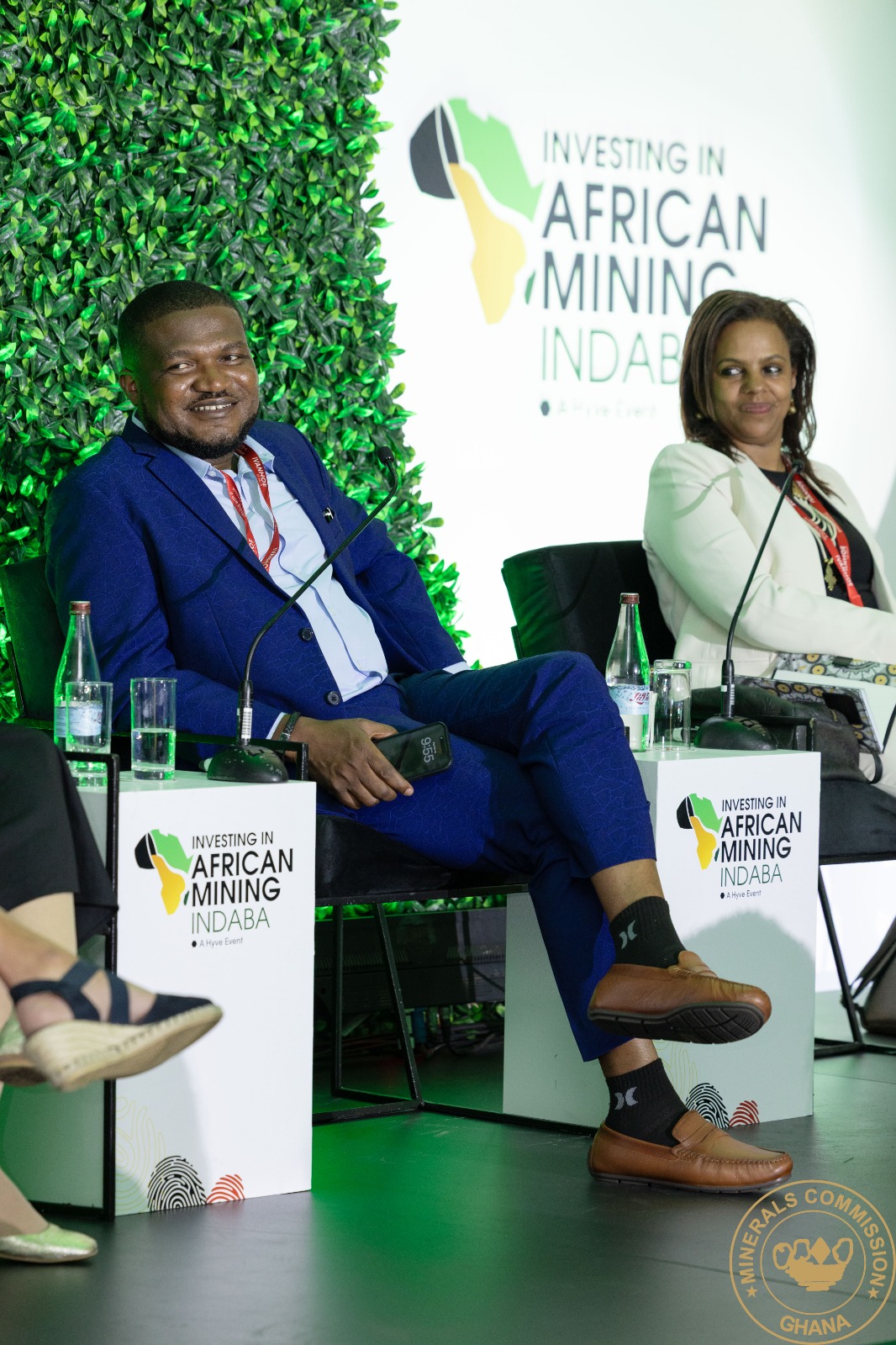
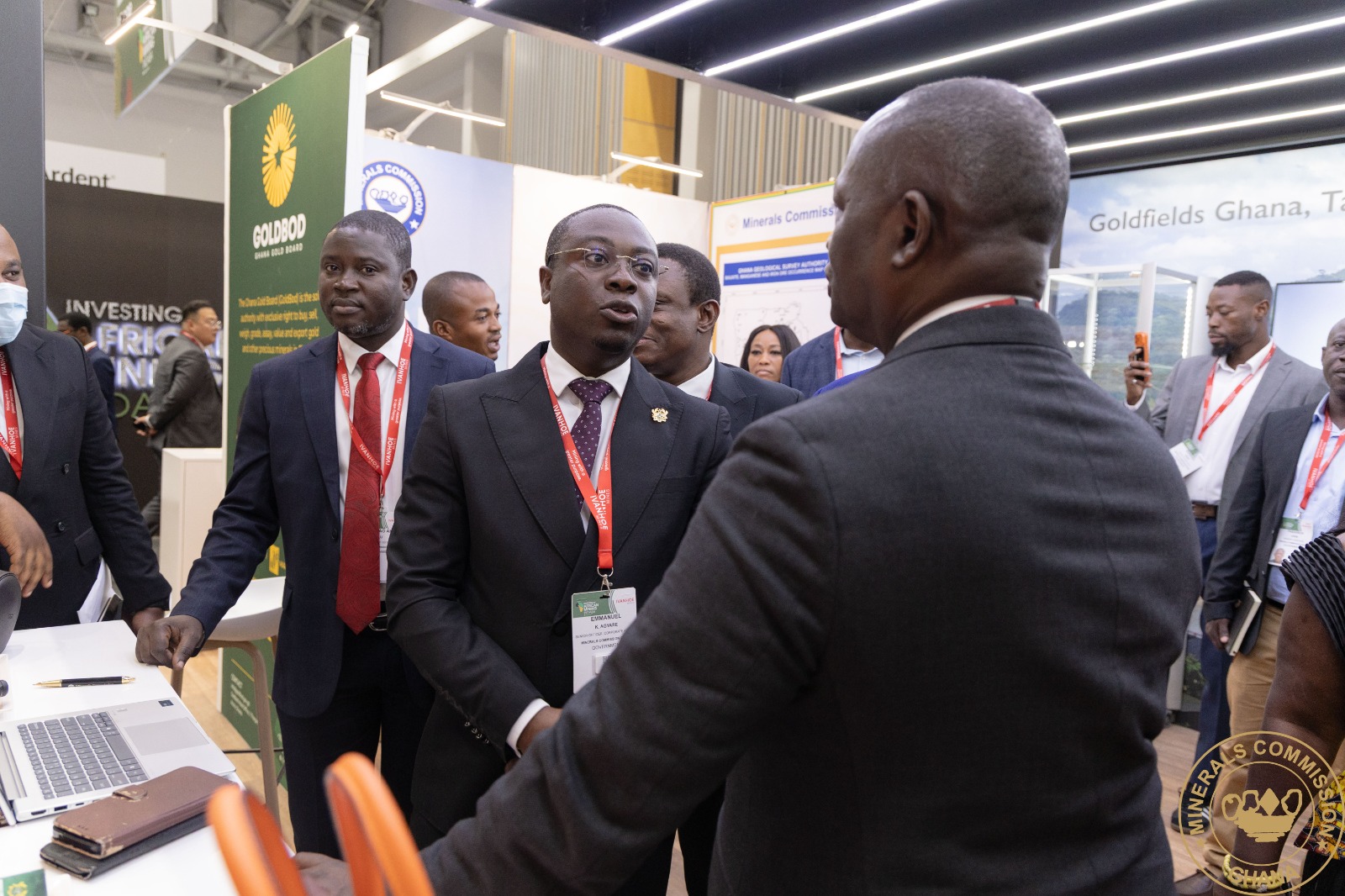
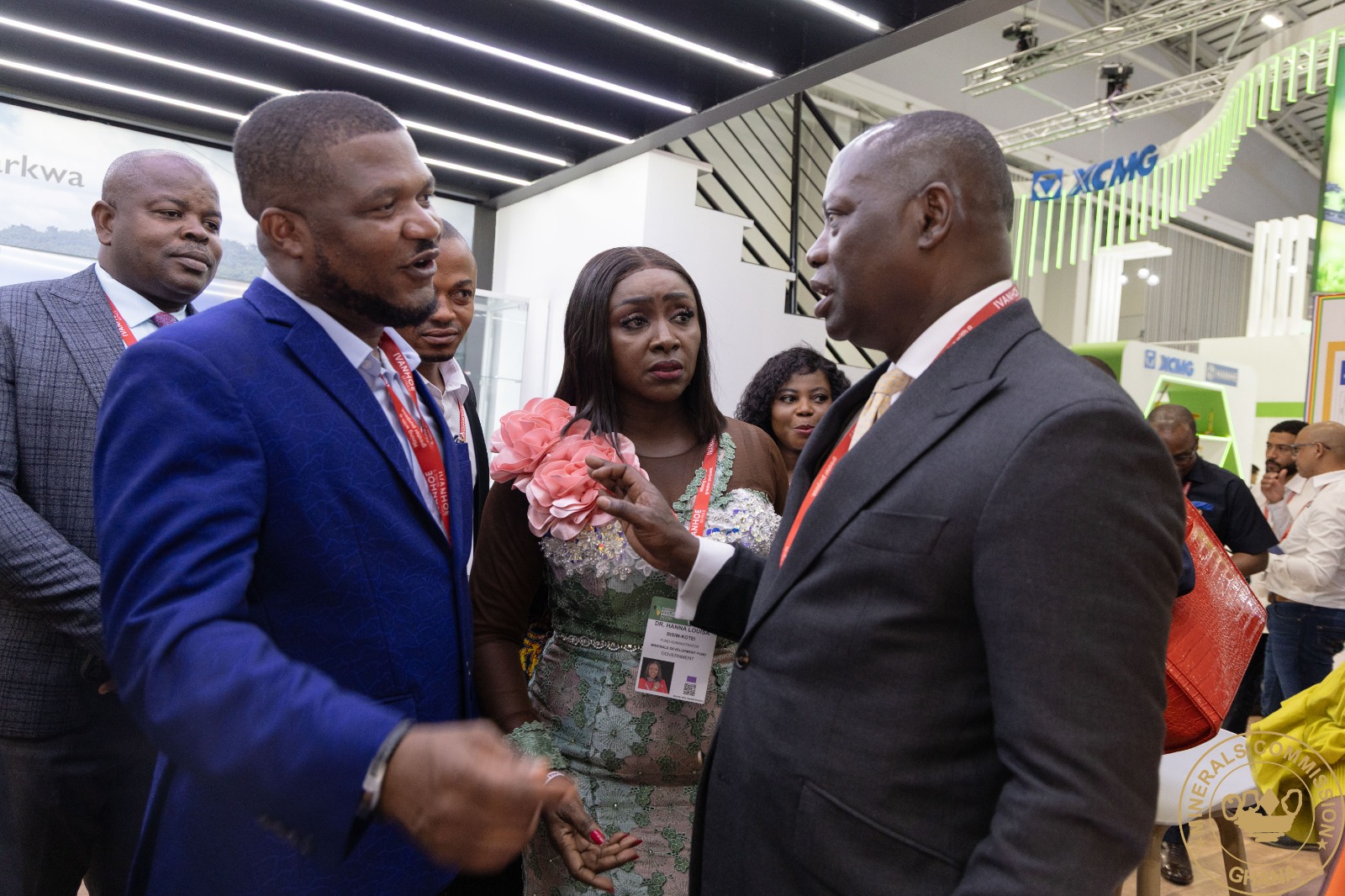
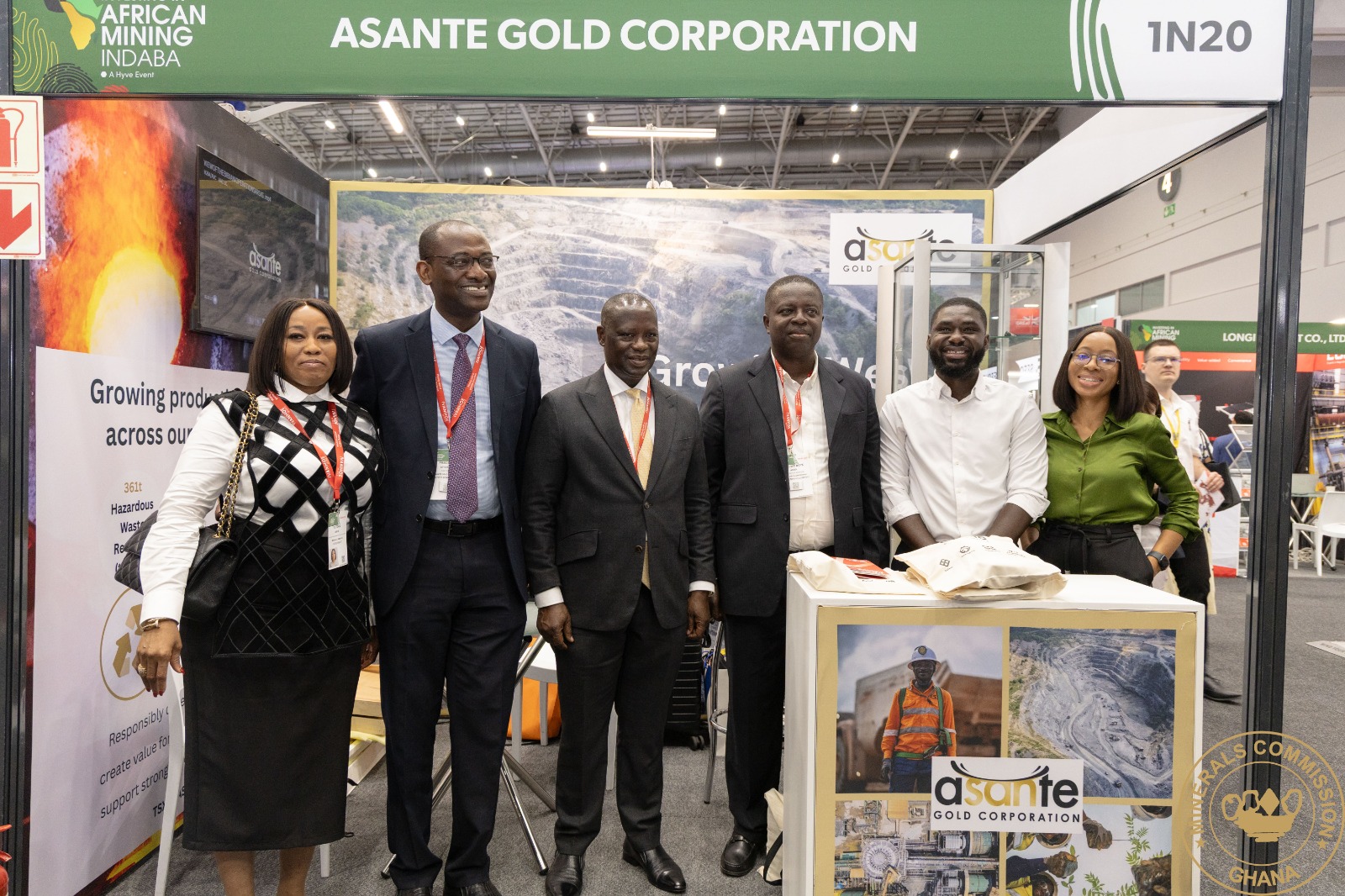
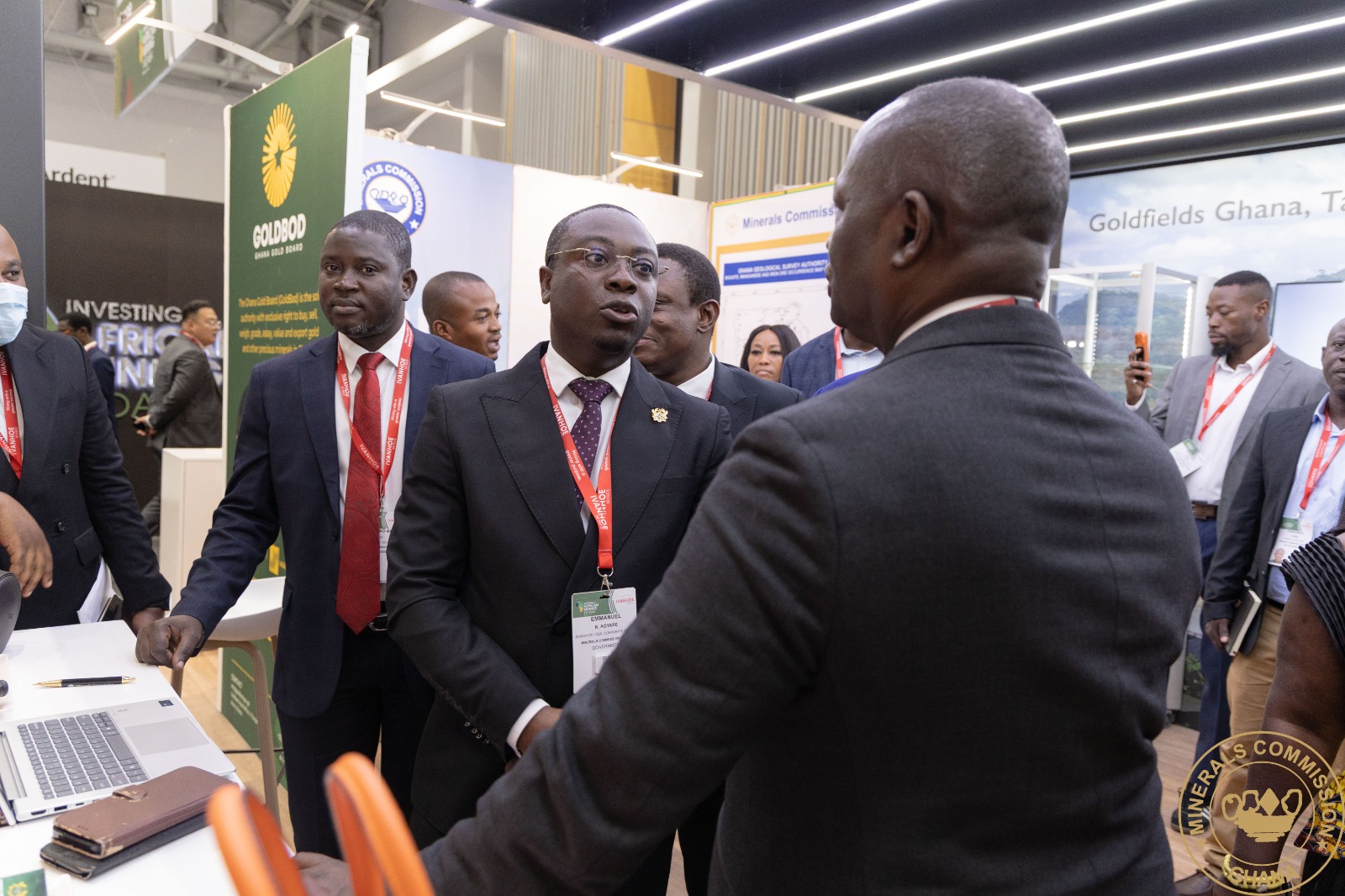
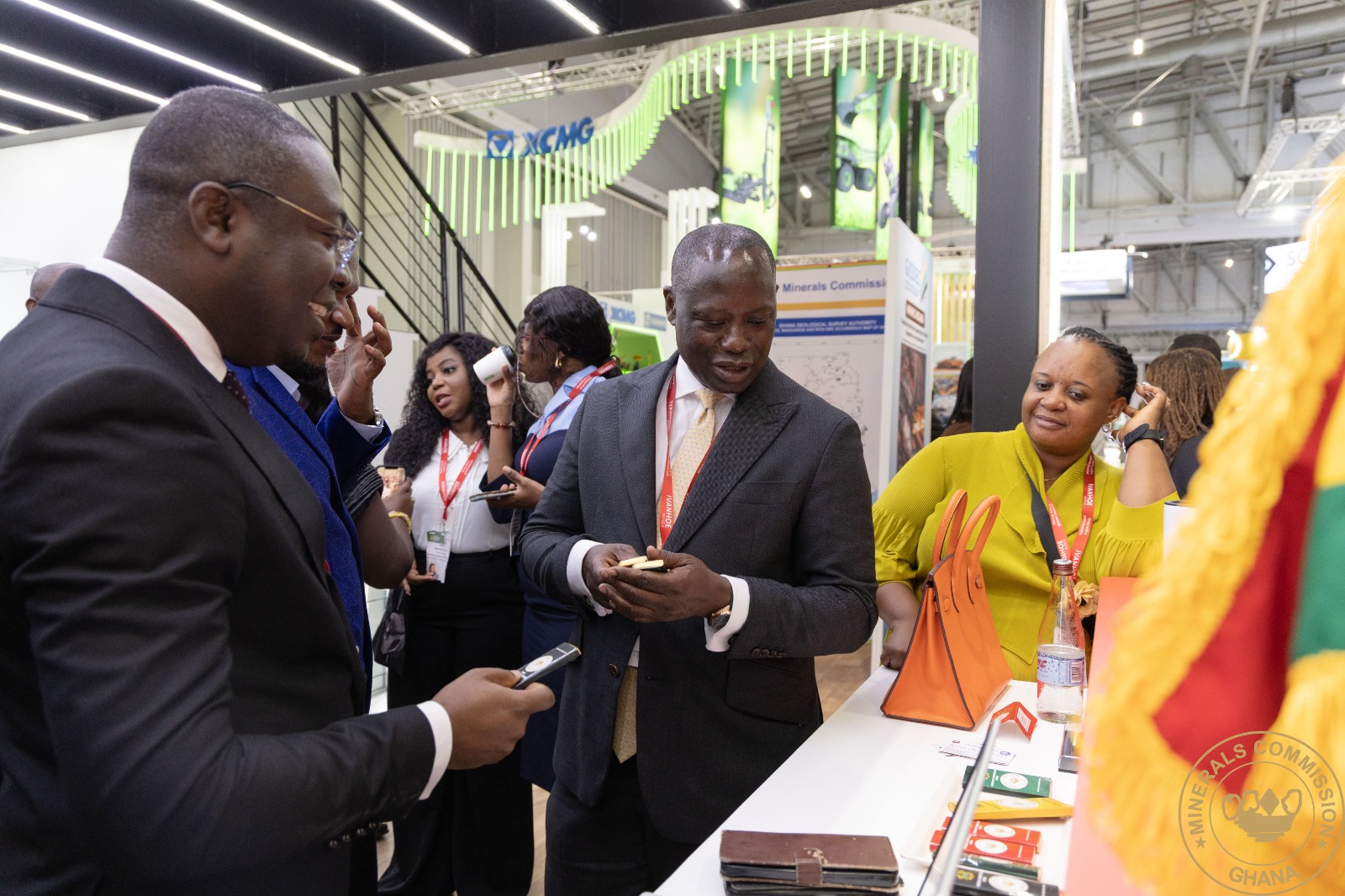
Mr. Tandoh made these remarks on February 10, 2026, during a roundtable discussion titled, “Is the Term ‘Critical Minerals’ Right for Africa?” The event was held at the Ngorongoro Crater Stage as part of the 2026 African Mining Indaba activities. “Africa should define critical minerals in Africa’s own terms, anchored in our development objectives, our people’s needs, and our continent’s sustainable future,” he stressed.
The CEO expressed the view that the continent is urbanizing, industrializing, and pursuing inclusive growth. “Minerals in Africa are not just inputs for the clean energy revolution. They are the bricks and mortar of African factories, power plants, and digital economies. If we simply adopt foreign definitions, we risk exporting raw ore while importing finished goods,” he stated.
Mr. Tandoh urged that Africa must write its own definition, proposing a three-tier framework:
Core Development Minerals: Those that power Africa’s own industrialization and electrification. These must be processed locally, creating jobs and adding value at home.
Global Energy Transition Minerals: Resources in demand abroad, which should be supplied responsibly but leveraged to build regional processing capacity.
Guardrail Minerals: Those with high environmental or social risks, requiring strict governance and transparency.
He further highlighted three non-negotiable principles: governance, value addition, and adaptability. “Transparent licensing, beneficiation, and a Pan-African monitoring system are not optional; they are obligations to future generations,” Mr. Tandoh said.
The CEO reiterated that Africa should harmonize standards, build regional ecosystems for steel, batteries, and electronics, and engage with partners as co-investors in skills and technology transfer – not merely as buyers of ore.
Mr. Tandoh called for the establishment of a Critical Minerals Charter to set governance standards, beneficiation targets, and milestones for skills development and environmental stewardship on the continent. He urged that it must be co-created with governments, communities, civil society, and industry to ensure every voice is heard.
“Africa’s minerals are critical, but not because the world says so. They are critical because they hold the key to our sovereignty, resilience, and prosperity. If we define them ourselves, mining becomes a catalyst for broad-based growth. If we don’t, we remain a warehouse for other people’s transitions,” he concluded.
info@mincom.gov.gh
Minerals House
#12 Switchback Road
Residential Area
Cantonment - Accra
GL- 060 -1131