Minister Engages Paramount Chief of Ellembelle on Government’s Decision to Revoke Adamus Resources’ Mining Leases
Minister Engages Paramount Chief of Ellembelle on Government’s Decision to Revoke Adamus Resources’ Mining Leases
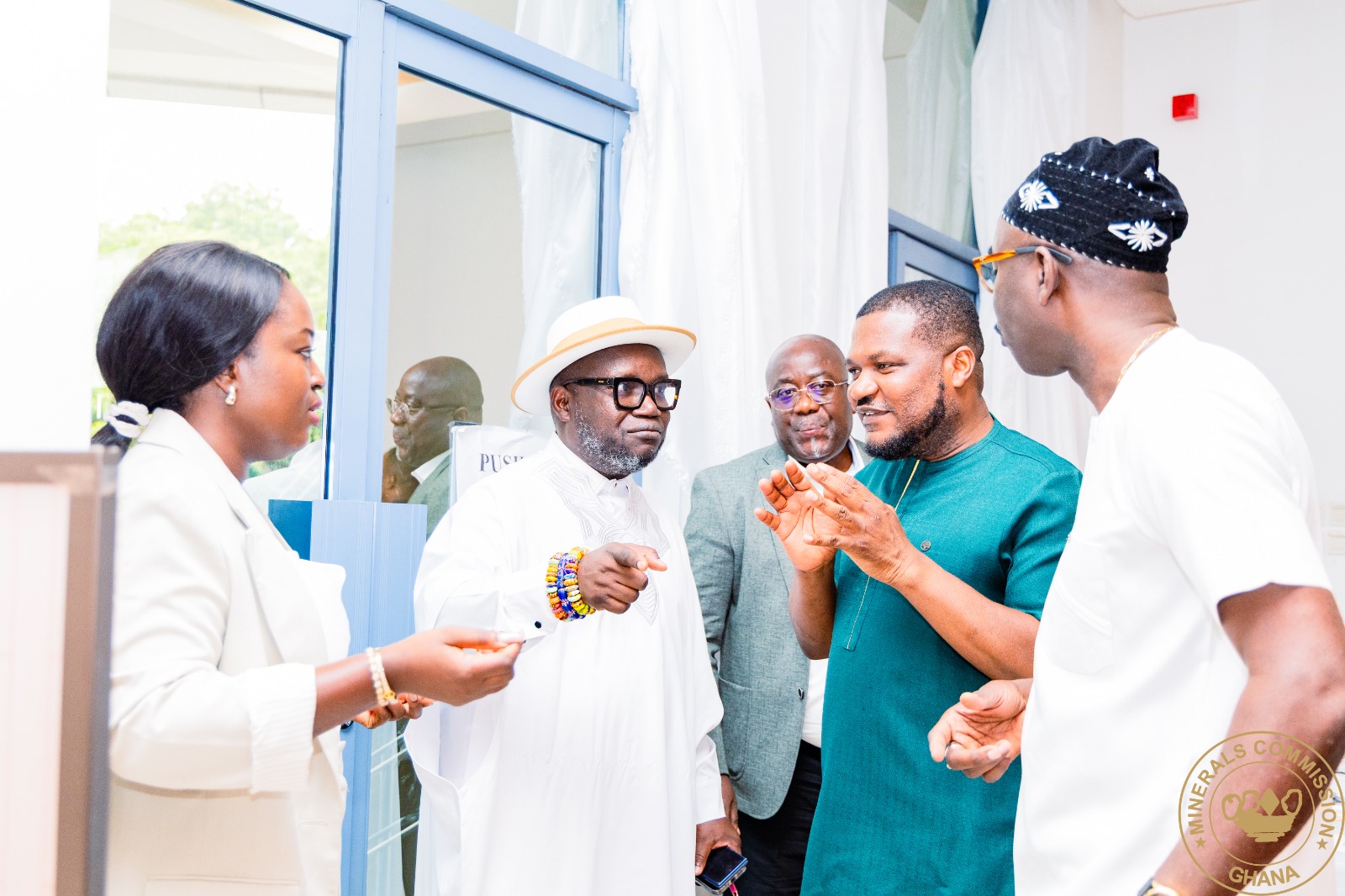
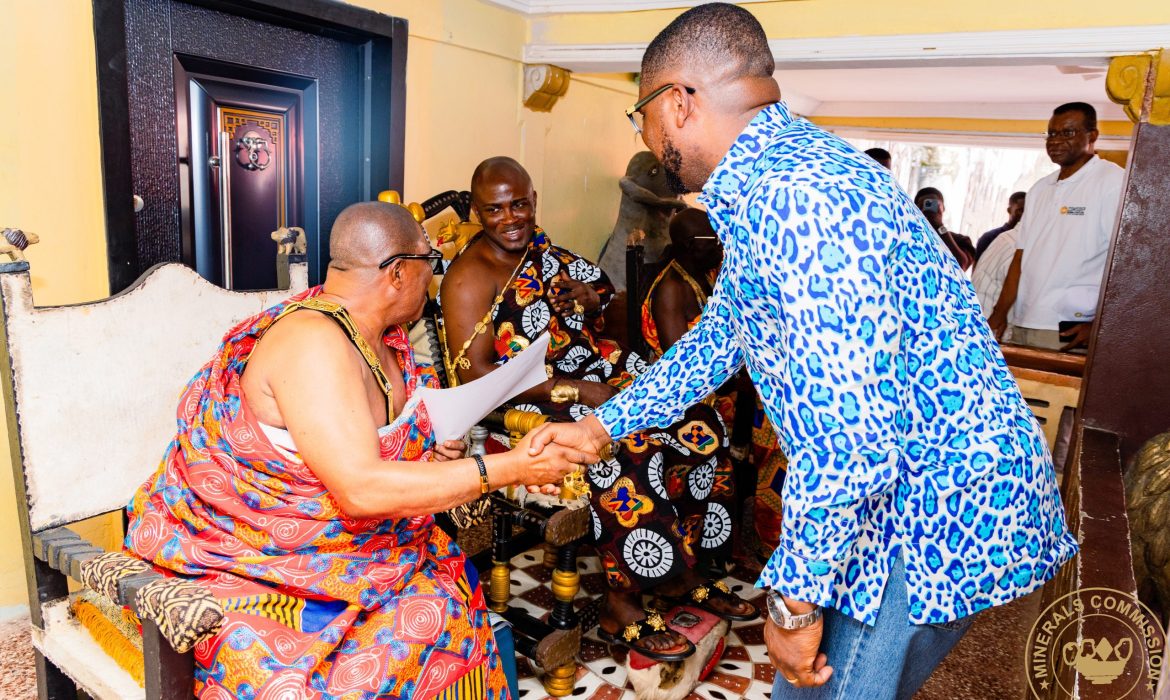
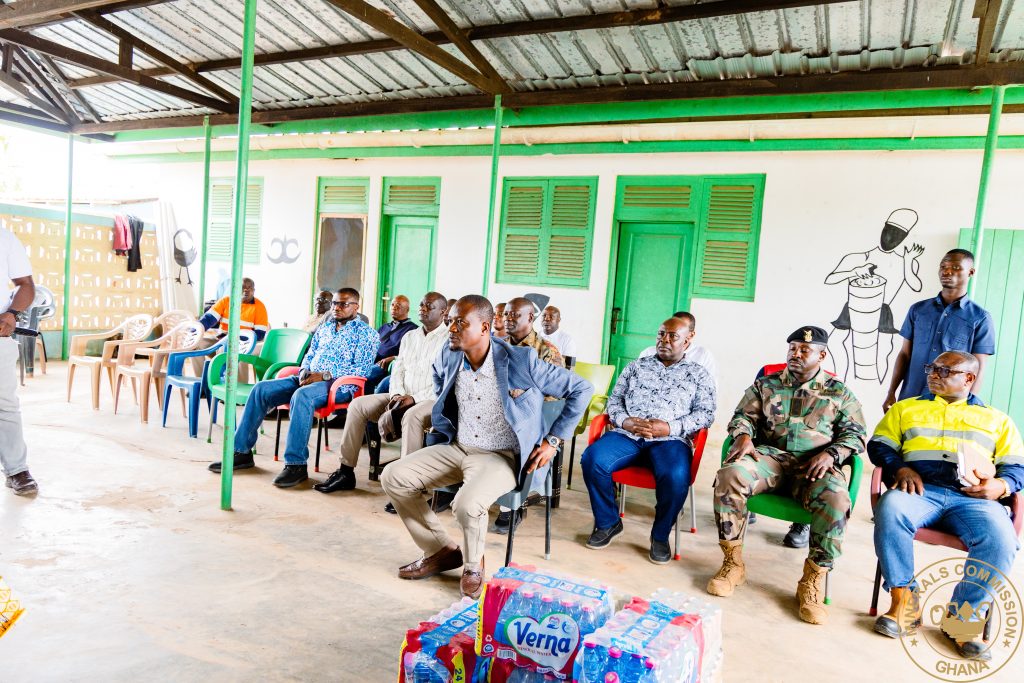
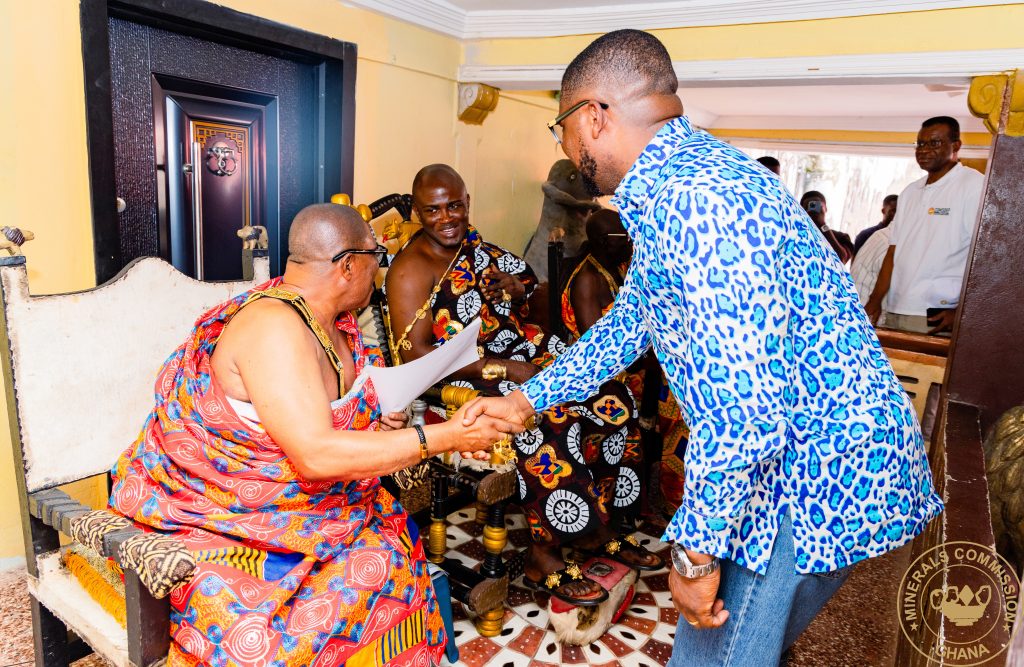
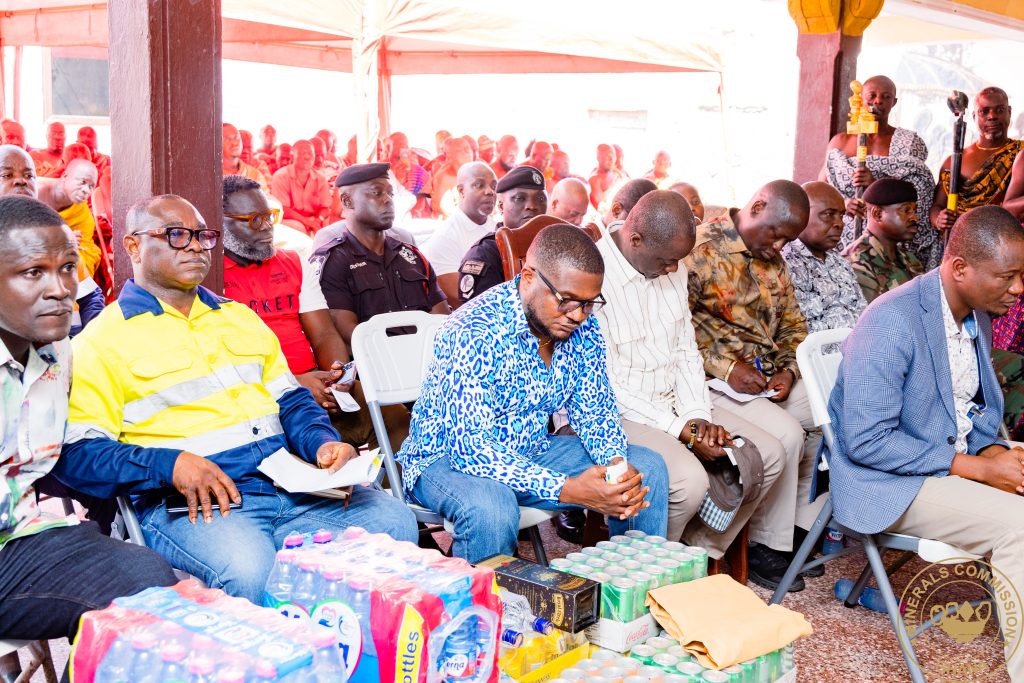
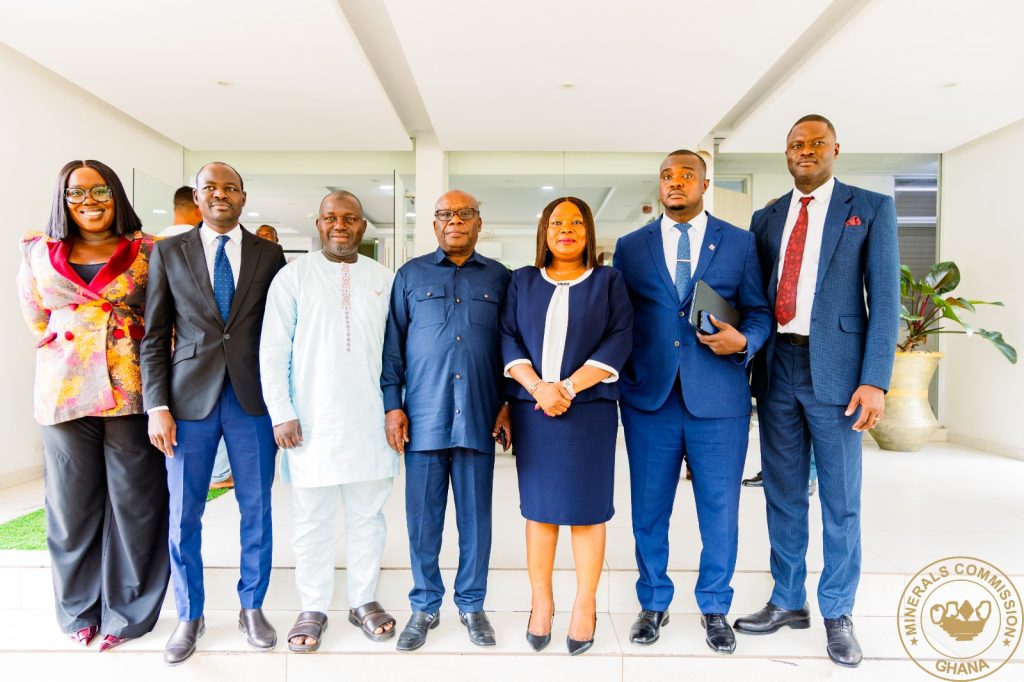
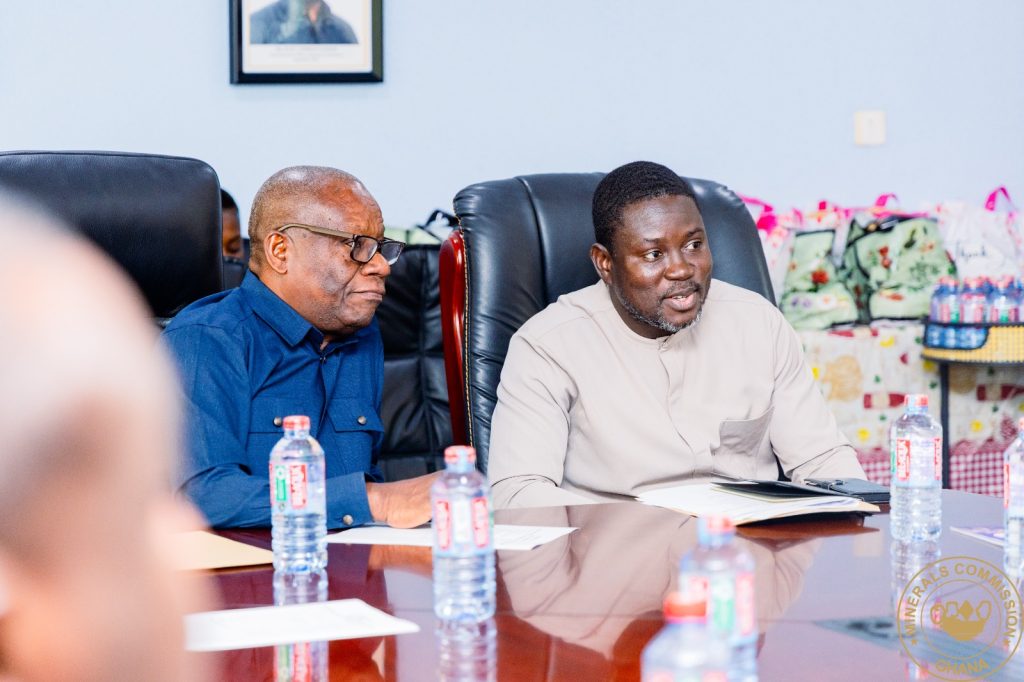
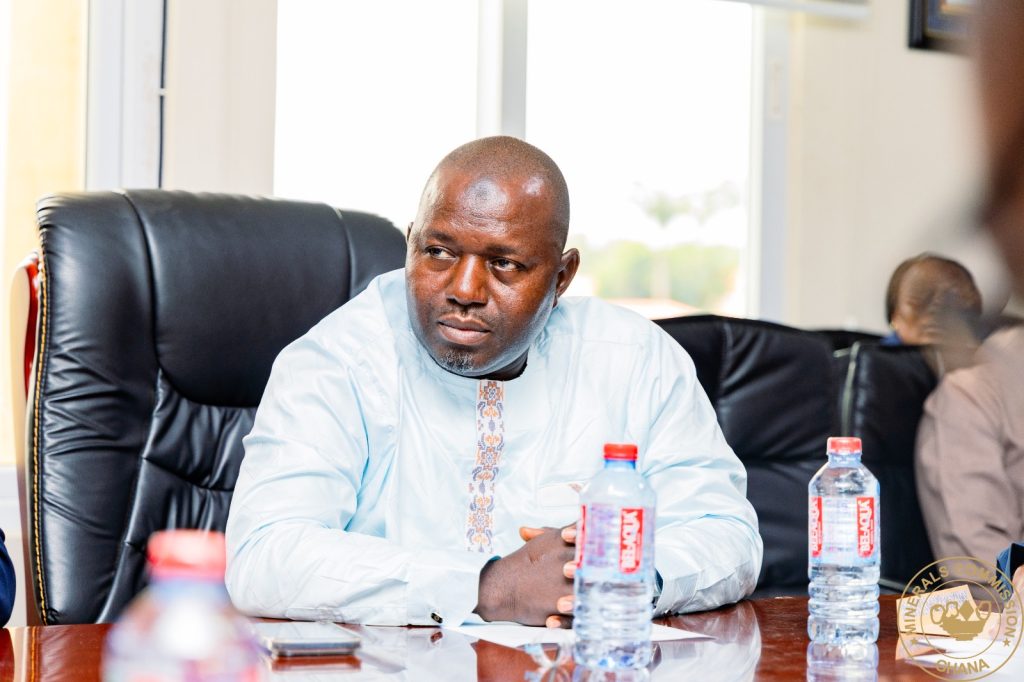
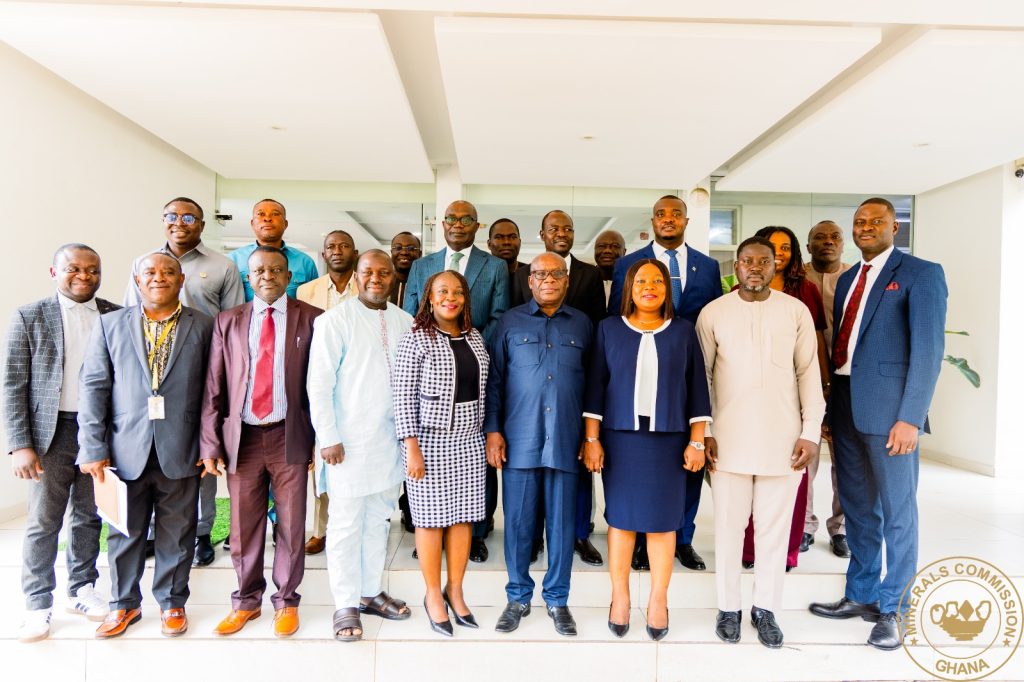
The Minister for Lands and Natural Resources, *Hon. Emmanuel Armah-Kofi Buah, accompanied by the Chief Executive Officer of the Minerals Commission, **Mr. Isaac Andrews Tandoh, the Western Regional Minister, senior officials from the Ministry and Management of the Minerals Commission, paid a courtesy call on the *Paramount Chief of the Ellembelle Traditional Area to formally brief him on Government’s decision to revoke the mining leases of Adamus Resources Limited. The visit formed part of Government’s commitment to transparency, stakeholder engagement and ensuring that traditional authorities remain informed on key policy decisions affecting their communities and the mining sector.
Addressing the Paramount Chief and his traditional council, Hon. Buah explained that the decision to revoke the leases followed a comprehensive regulatory process and was based on findings of material breaches of Ghana’s mining laws and regulations. He emphasised that Government remains committed to protecting the integrity of Ghana’s mineral resources while ensuring that all mining companies operate responsibly and in strict compliance with the country’s legal and regulatory framework. The Minister assured the traditional authorities that the action was not intended to discourage responsible investment but rather to uphold accountability, protect community interests and reinforce investor confidence through a fair and transparent regulatory regime.
Speaking during the engagement, Mr. Isaac Andrews Tandoh reaffirmed the Minerals Commission’s unwavering commitment to effective mineral resource governance and sustainable mining. He noted that the Commission would continue to work closely with Government, traditional authorities and local communities to ensure that mining activities contribute meaningfully to socio-economic development while safeguarding the environment and preserving the rights and interests of host communities. He further stressed that the Commission remains committed to maintaining an open dialogue with all stakeholders as Ghana continues to build a responsible, transparent and globally competitive mining industry.
The Paramount Chief of the Ellembelle Traditional Area welcomed the delegation and expressed his appreciation to Government and the Minerals Commission for the respect shown to traditional authorities through the consultative engagement. He commended the decision to directly engage the traditional leadership on matters affecting the area and reaffirmed the Traditional Council’s commitment to partnering with Government in promoting responsible mining, preserving peace within the mining communities and ensuring that the country’s mineral resources continue to serve the best interests of present and future generations.
Minerals Commission Strengthens Ghana-China Mining Partnership Through High-Level Courtesy Call
Minerals Commission Strengthens Ghana-China Mining Partnership Through High-Level Courtesy Call
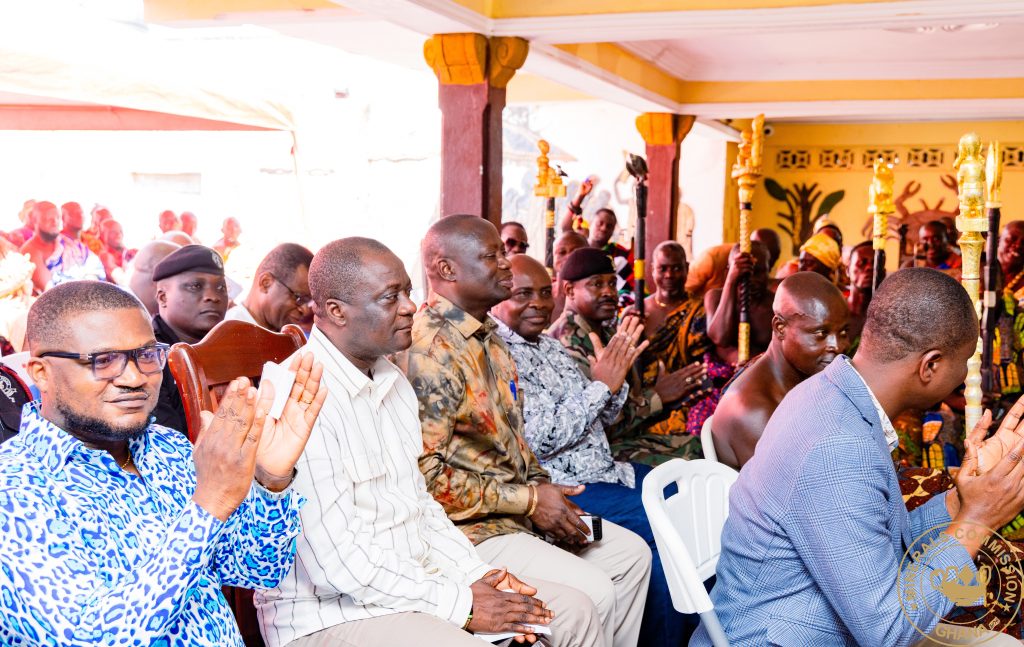
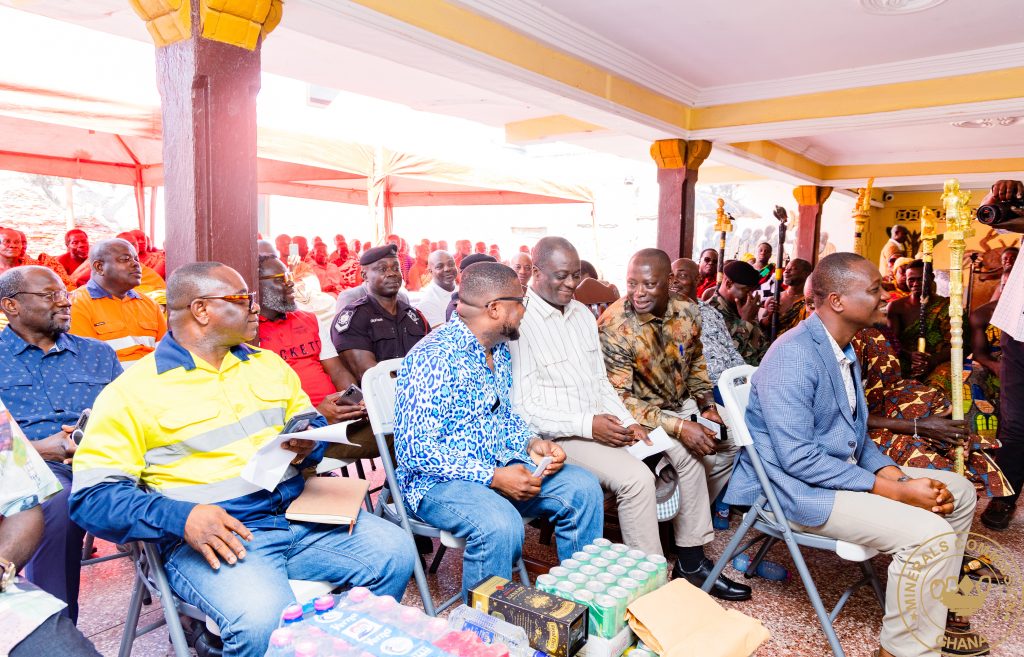
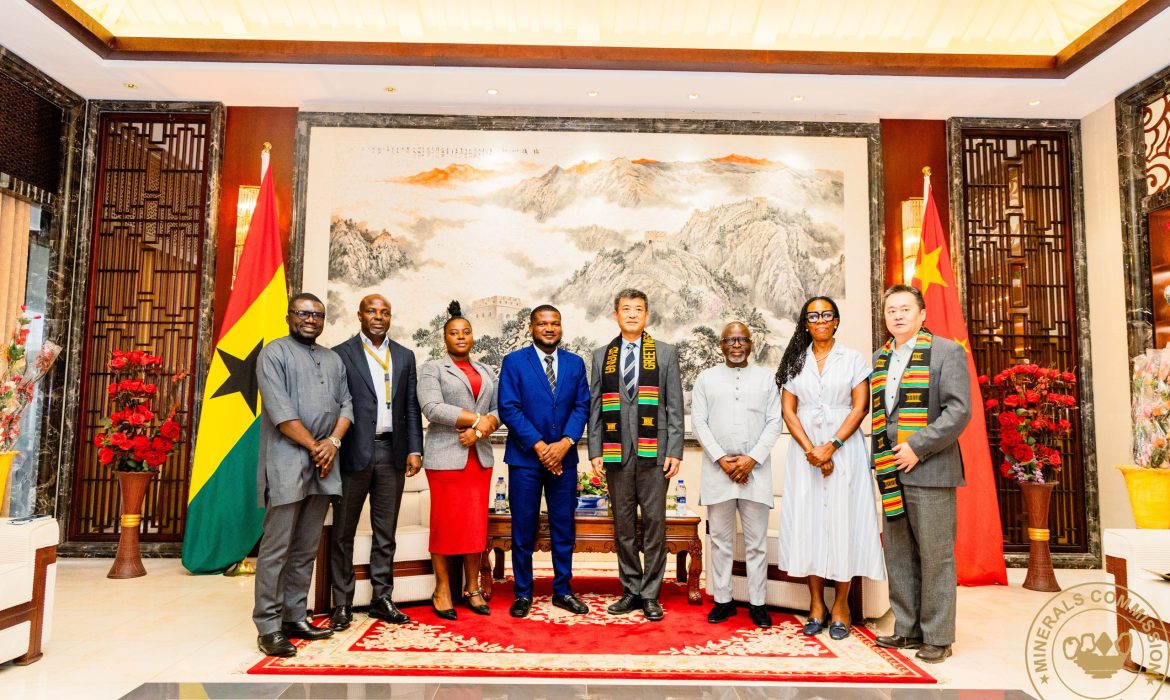
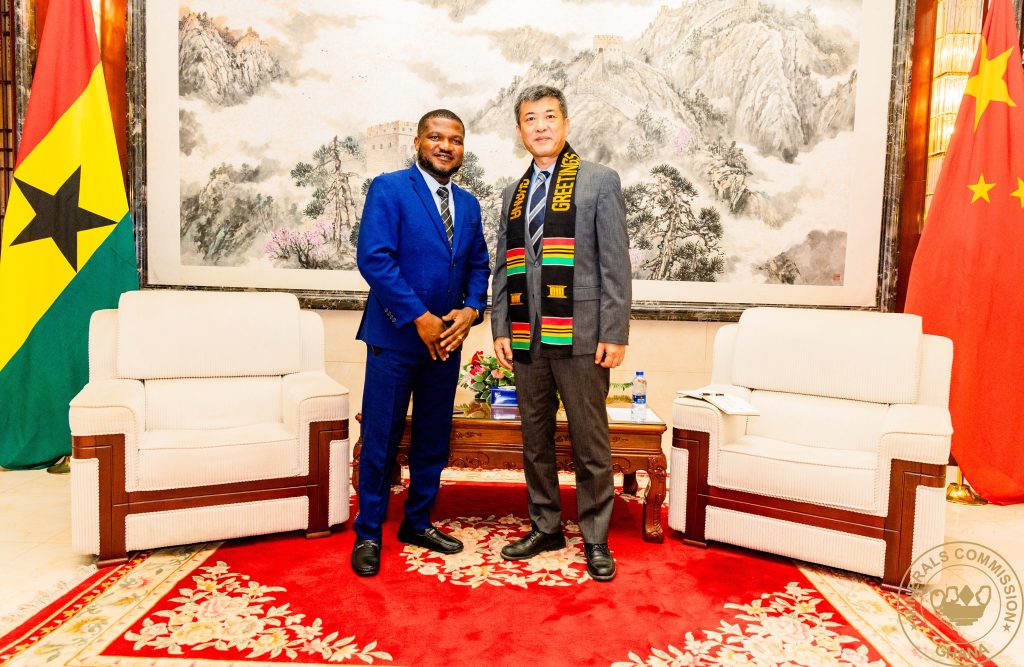
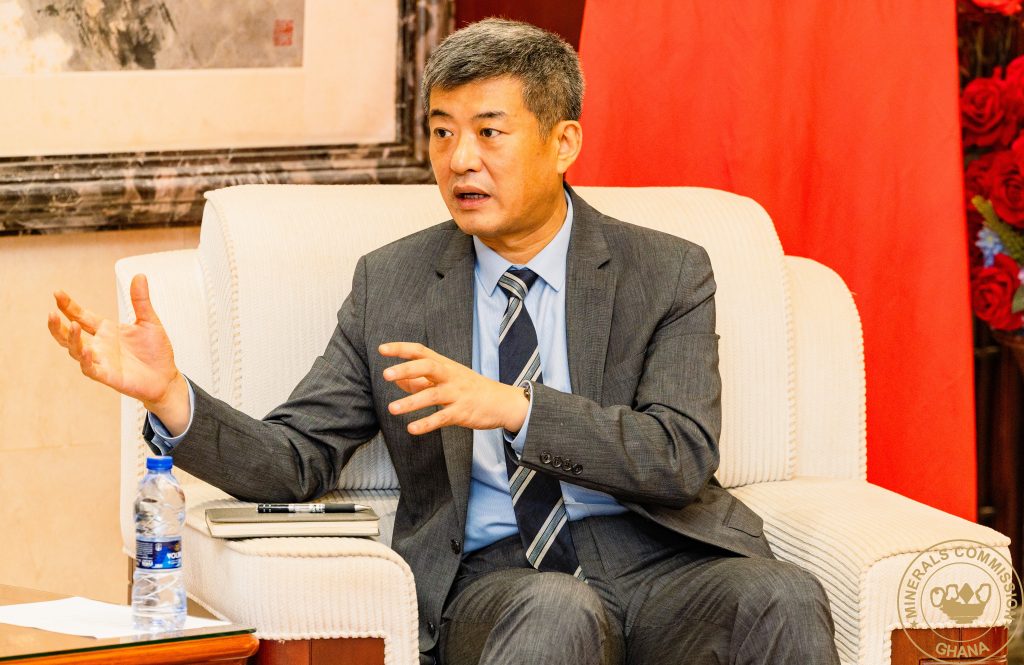
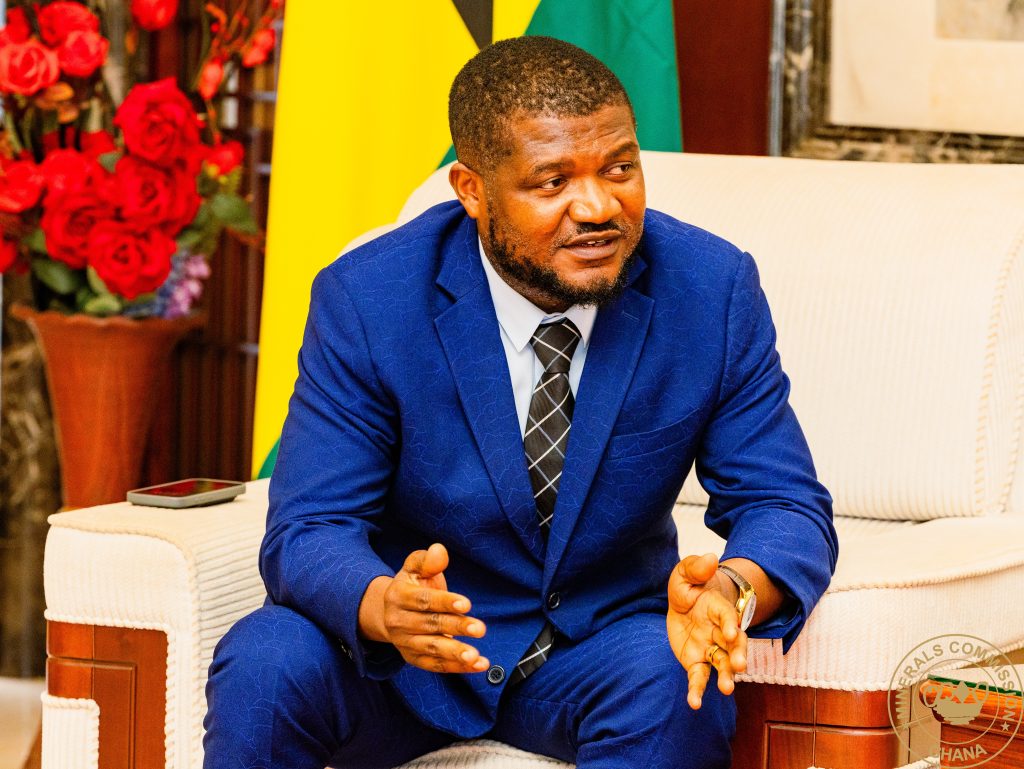
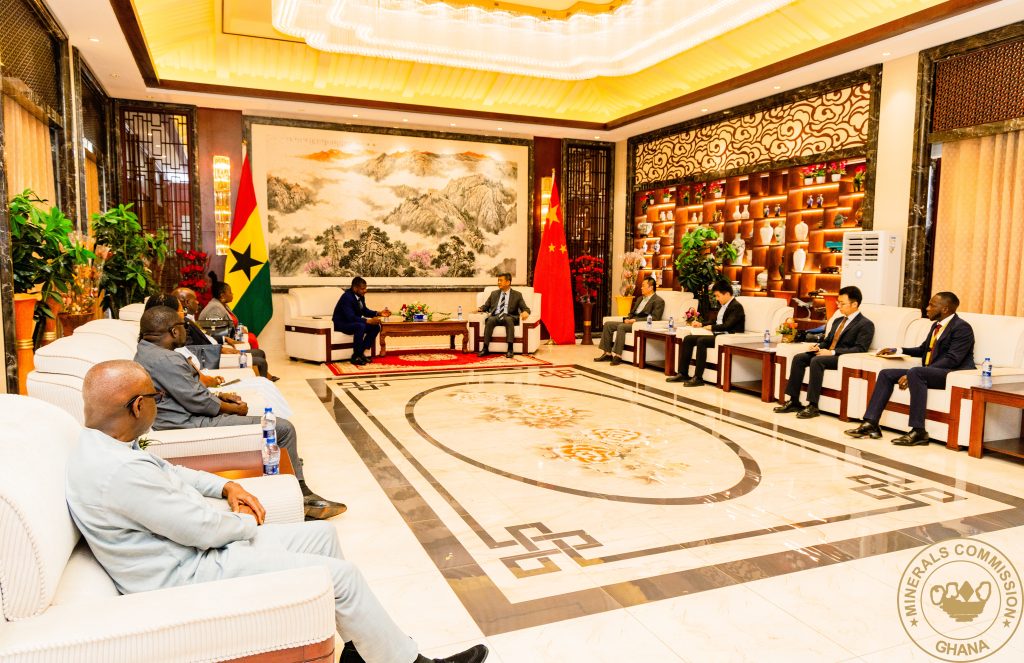
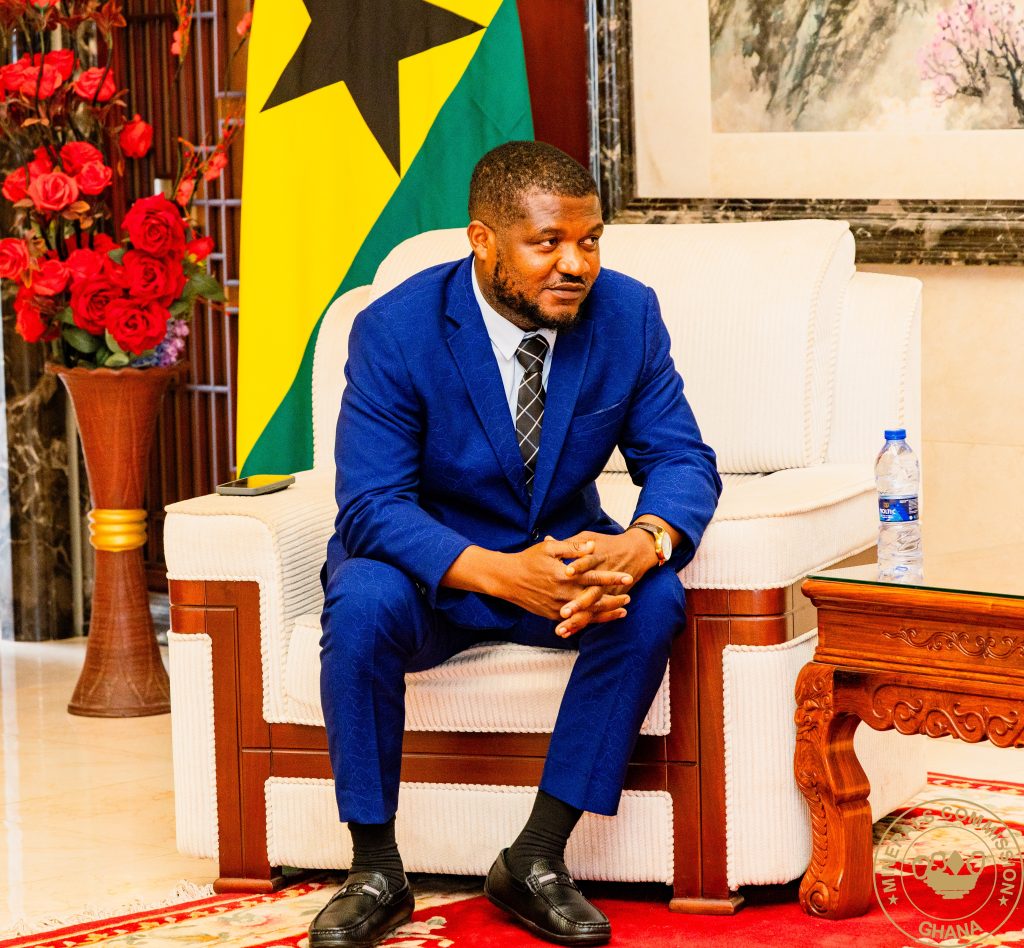
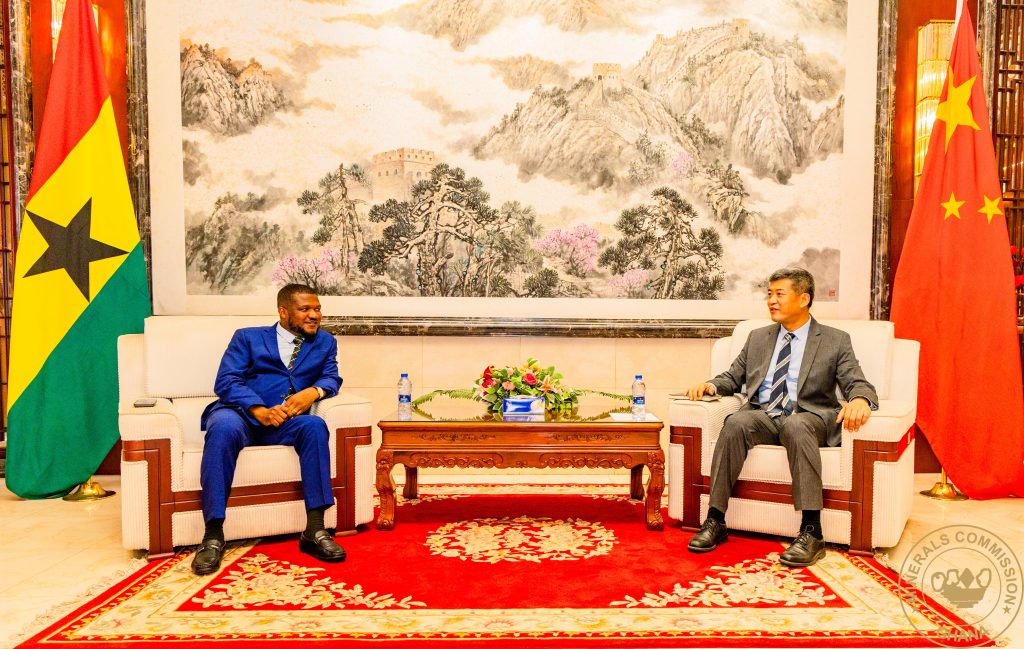
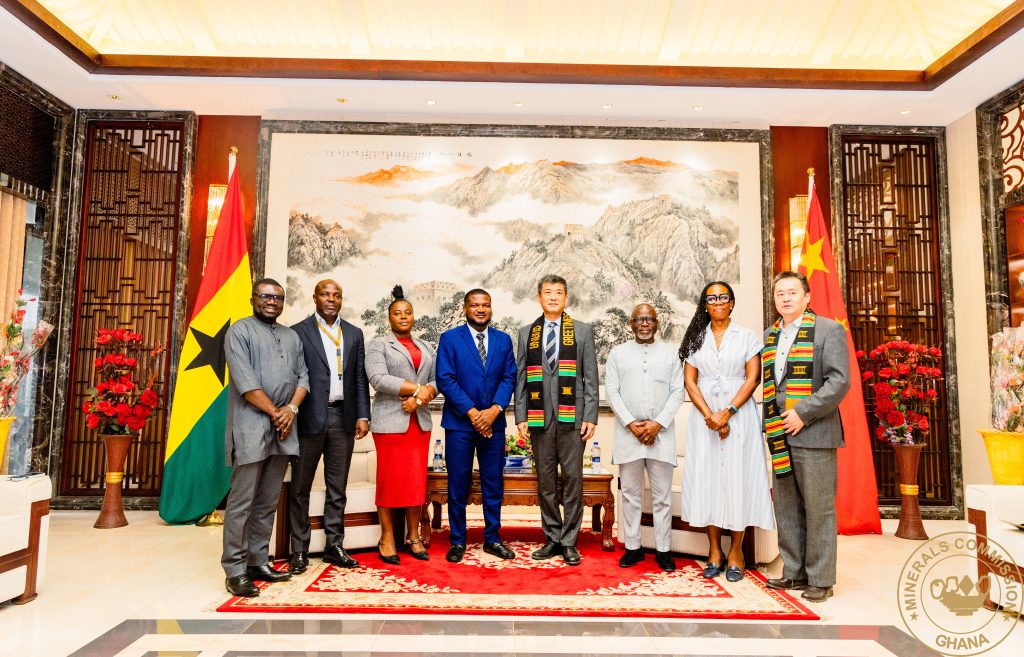
The Chief Executive Officer of the Minerals Commission, Mr. Isaac Andrews Tandoh, has paid a courtesy call on the Ambassador of the People’s Republic of China to Ghana, H.E. Cong Song, as part of efforts to deepen the longstanding bilateral relationship between Ghana and China in the mining sector. The meeting provided an opportunity for the Commission’s Management to formally engage the Ambassador on strategic issues aimed at advancing responsible mineral development, promoting sustainable investment and strengthening institutional cooperation between the two countries.
Discussions focused on enhancing bilateral trade and investment in Ghana’s mining sector, expanding opportunities for Chinese investment across the minerals value chain, promoting technology transfer, strengthening local content development and increasing cross-border trade in mining-related goods and services. The two sides also explored avenues for capacity building, innovation and collaboration in modern mining technologies to support the sustainable growth and transformation of Ghana’s mineral industry. The CEO reaffirmed the Minerals Commission’s commitment to maintaining a transparent, predictable and investor-friendly regulatory environment that encourages responsible investment while safeguarding Ghana’s mineral resources for national development.
A major highlight of the engagement was the shared commitment to tackling illegal mining. Ambassador Cong Song disclosed that one of his key priorities upon assuming office is to support Ghana’s efforts to combat illegal mining, recognising its adverse impact on the environment, legitimate investment and sustainable mineral resource development. Mr. Tandoh welcomed the Ambassador’s commitment and emphasised that the Minerals Commission remains fully committed to collaborating with the Chinese Embassy, relevant institutions and responsible stakeholders to eliminate illegal mining while promoting lawful, responsible and sustainable mining practices. The meeting concluded with both parties reaffirming their commitment to strengthening Ghana–China cooperation in support of a resilient, investment-driven and environmentally responsible mining sector that delivers lasting socio-economic benefits for both nations.
Value Retention, Not Just Export Volumes, Must Define Ghana’s Mining Success
Value Retention, Not Just Export Volumes, Must Define Ghana’s Mining Success
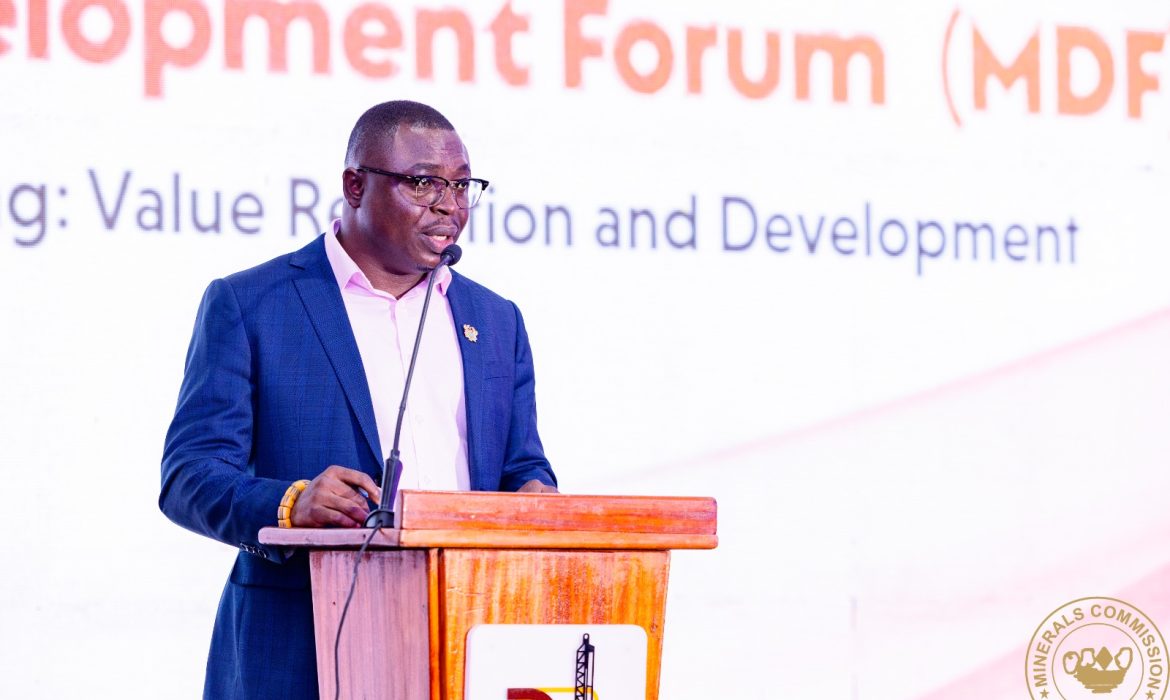
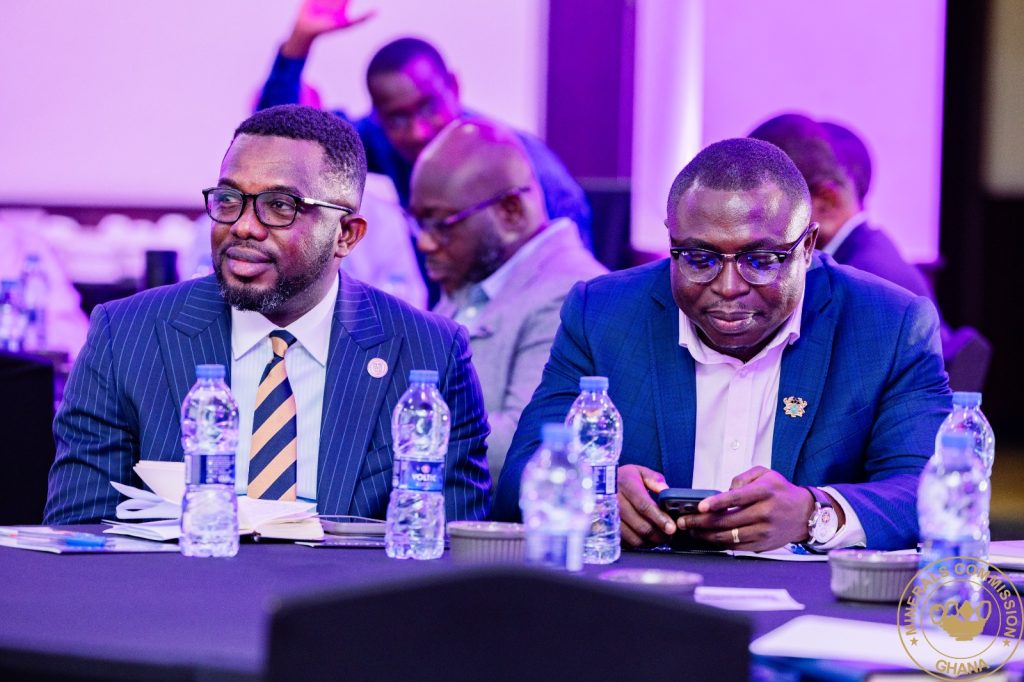
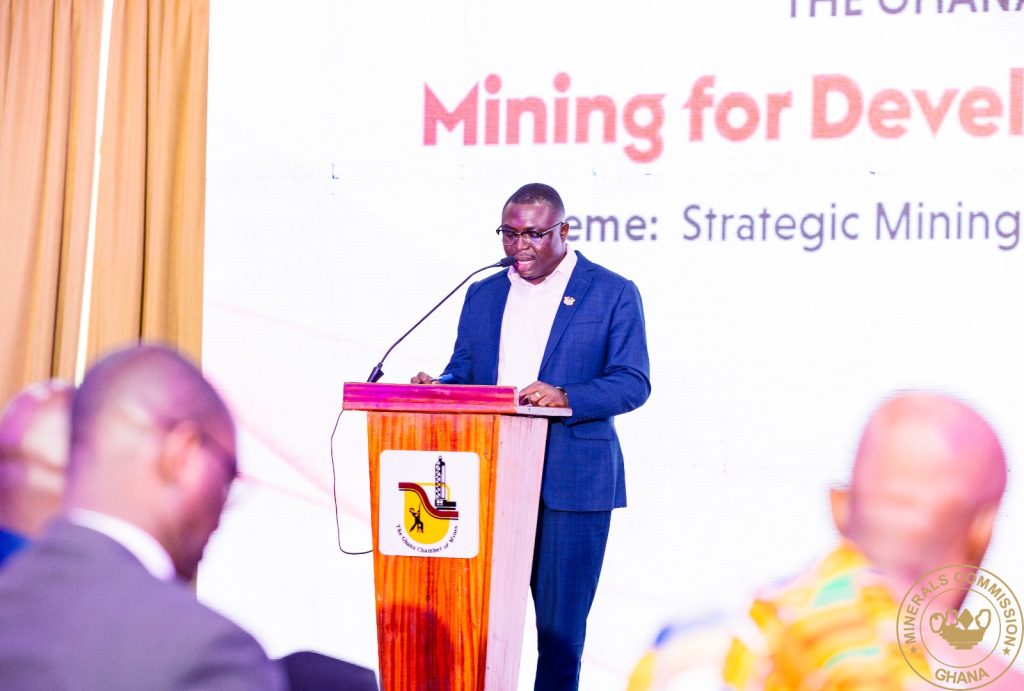
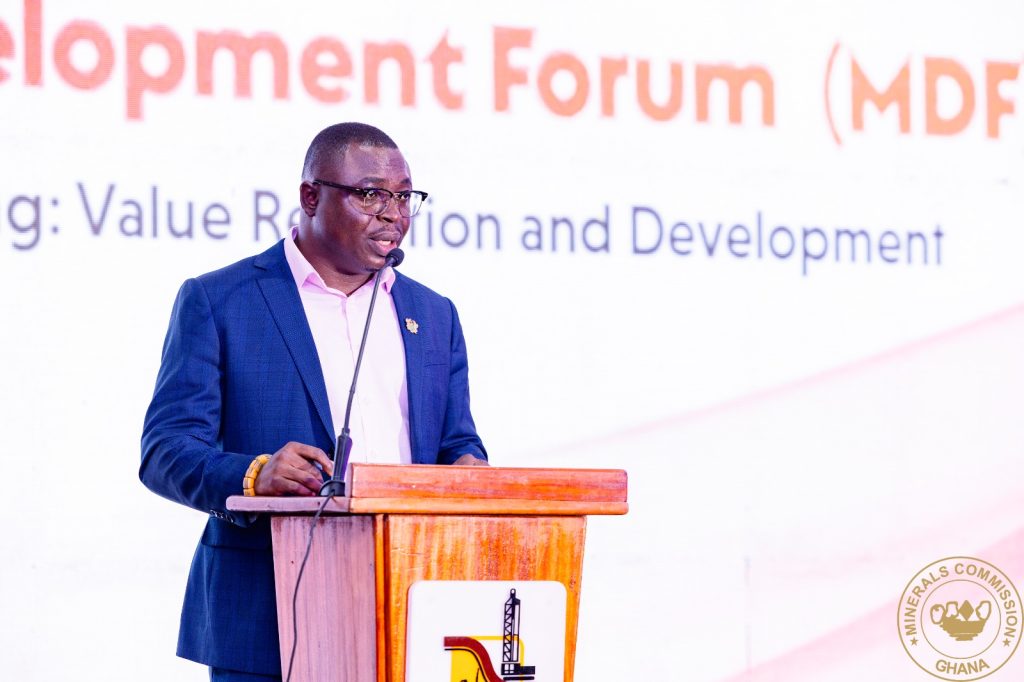
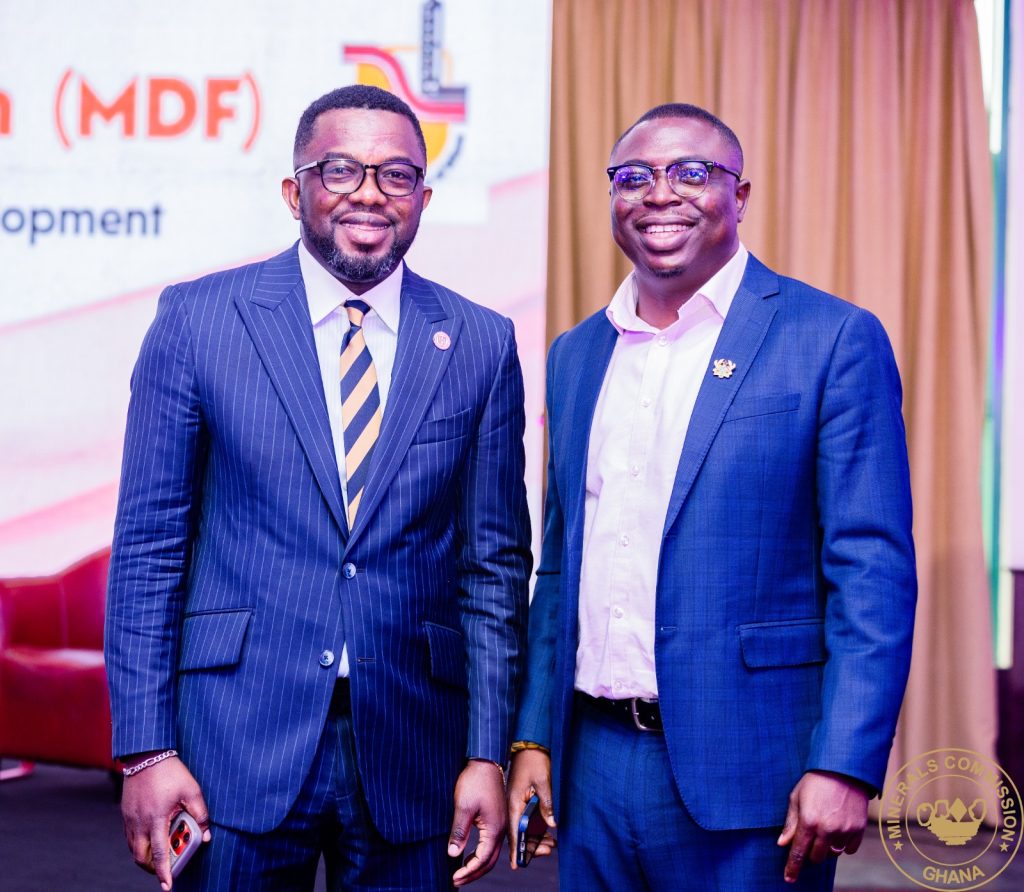
Ghana’s mining sector must redefine success beyond production volumes and export earnings, focusing instead on value creation, retention, and reinvestment within the national economy. This was the central message delivered by Mr. Emmanuel Kwamena Anyimah, Deputy CEO in charge of Support Services at the Minerals Commission. Speaking on behalf of the CEO, Mr. Isaac Tandoh, he addressed the Mining for Development Forum held at the Alisa Hotel on June 30, 2026.
Mr. Anyimah emphasized that while mining remains a cornerstone of Ghana’s macroeconomic framework through foreign exchange earnings and employment, the nation’s ultimate opportunity lies in industrializing around its natural resources. He pointed to the dividends of the Local Content and Local Participation Policies, which have enabled indigenous firms to expand operations, generate skilled jobs, and compete internationally.
Despite these gains, he cautioned that Ghana continues to face structural deficits, with high-value mining inputs, including heavy machinery, chemicals, and advanced technologies, still heavily reliant on imports, resulting in significant capital flight.
Outlining a transformative vision, Mr. Anyimah urged stakeholders to position Ghana as a regional hub for mineral processing, refining, mining technology, and equipment manufacturing. He called for targeted reinvestment in local research, innovation, and entrepreneurial infrastructure; leveraging national universities to pioneer mining-specific solutions; and expanding access to finance for indigenous suppliers to scale their operational competencies.
Mr. Anyimah noted that the state cannot deliver this vision in isolation. It demands robust, coordinated collaboration across government entities, regulatory bodies, financial institutions, academia, host communities, and traditional authorities.
“The true wealth of a mining nation is not measured only by the minerals it exports. It is measured by the industries it builds, the businesses it grows, the technologies it develops, the skilled workforce it produces, and the opportunities it creates for future generations,” Mr. Anyimah stated.
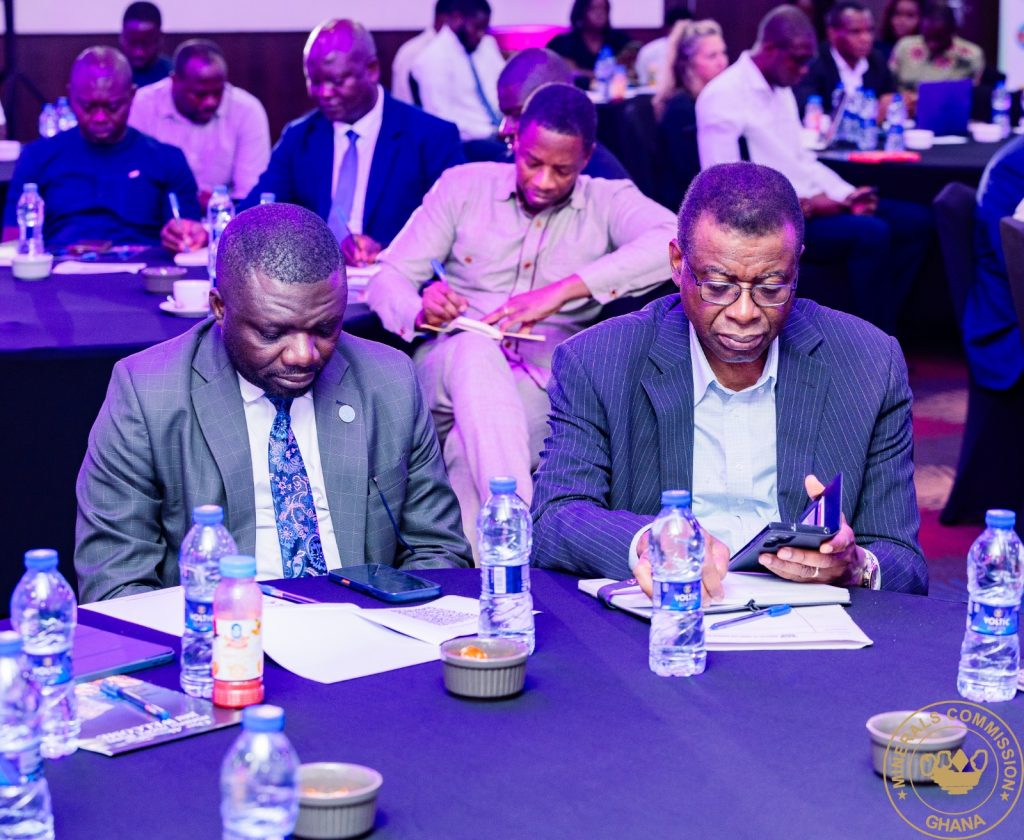
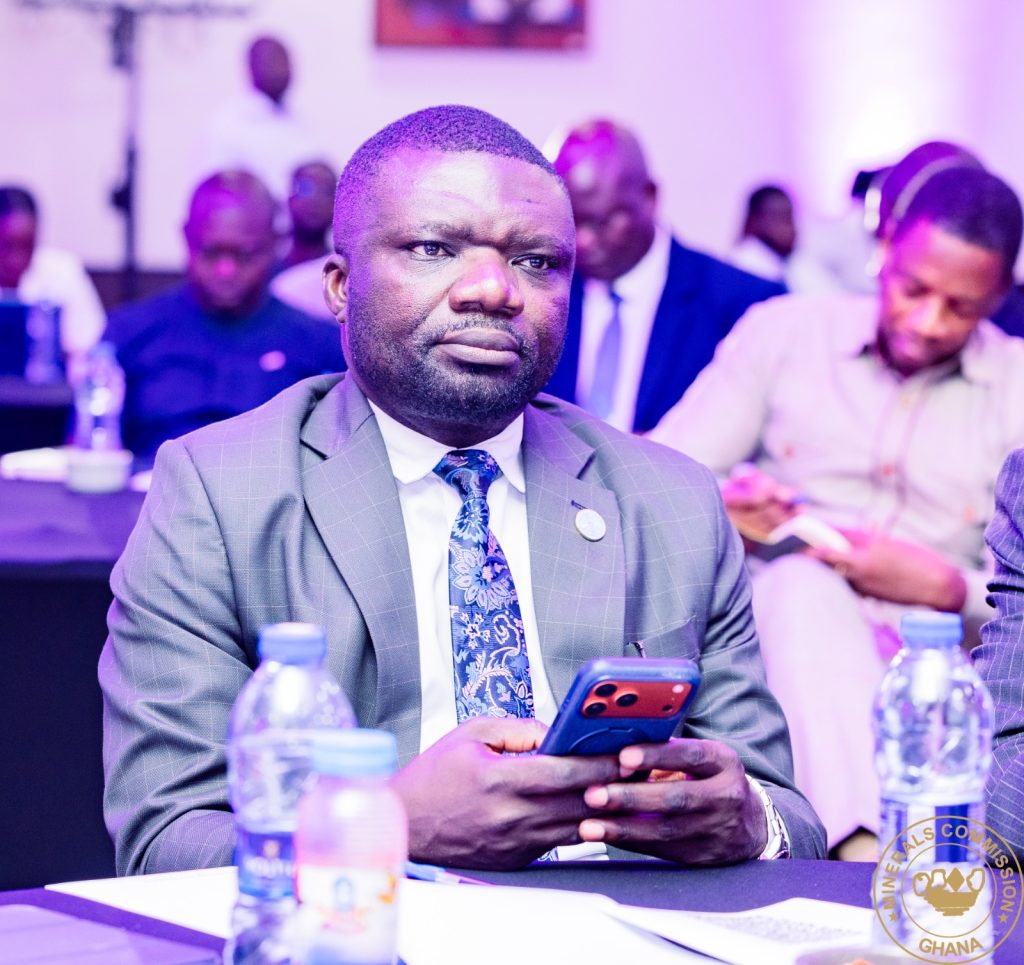
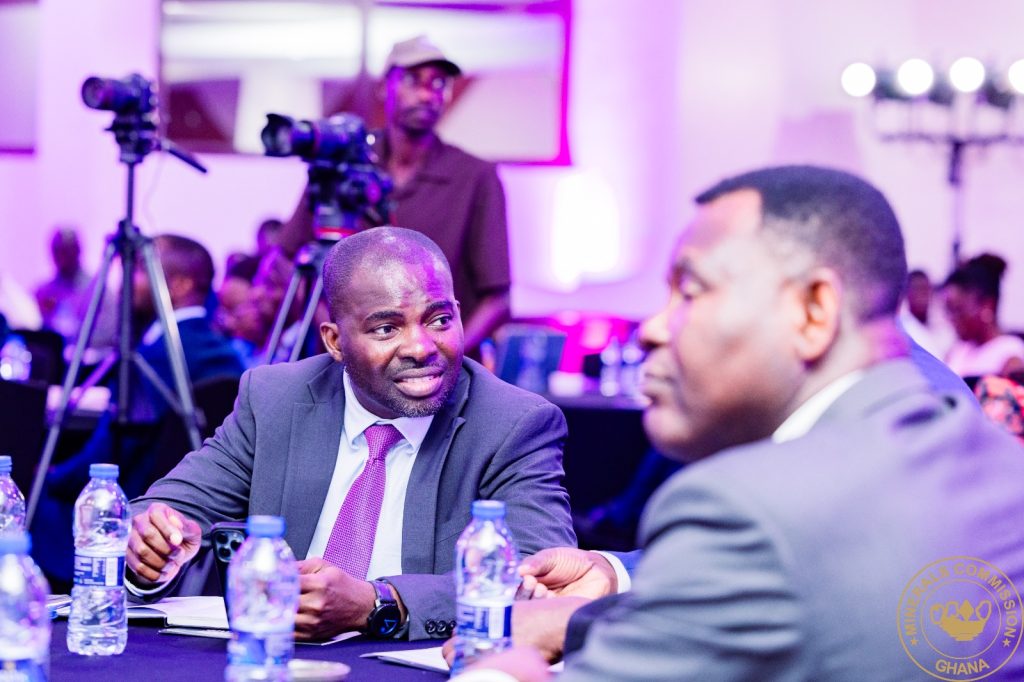
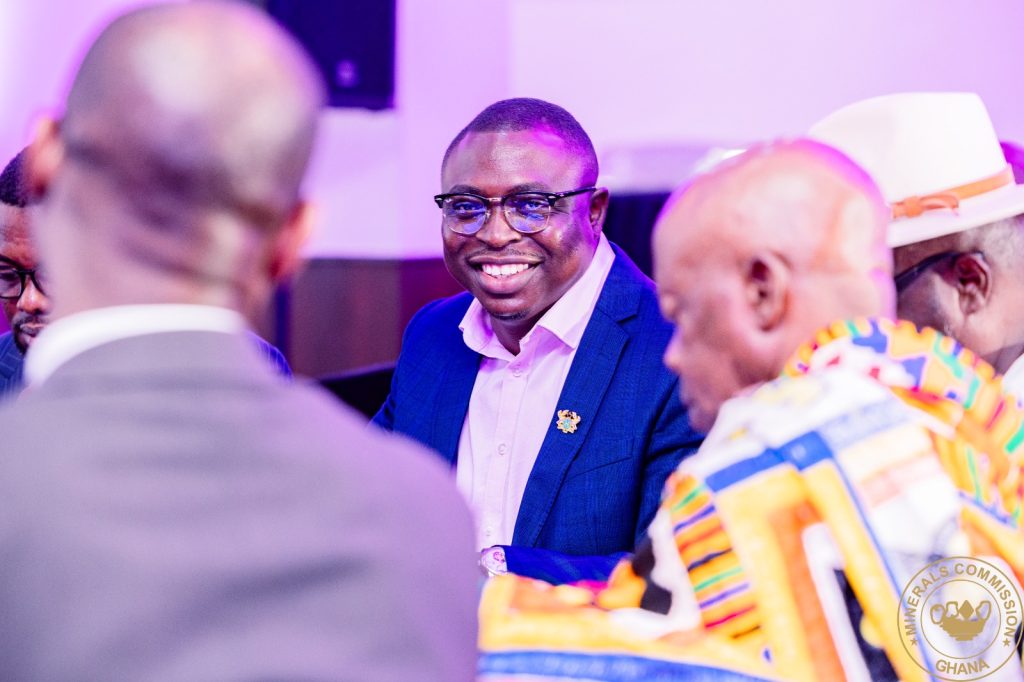
The forum, attended by leaders from the Ghana Chamber of Mines, the National House of Chiefs, government officials, and industry executives, underscored the need for such collaboration.
Concluding his remarks, Mr. Anyimah urged participants to prioritize practical, commercially viable solutions that strengthen local supplier development and mineral beneficiation. He reiterated that regulatory certainty and policy consistency are essential to safeguarding Ghana’s global competitiveness while laying a sustainable, multi-generational foundation for inclusive economic transformation.
End.
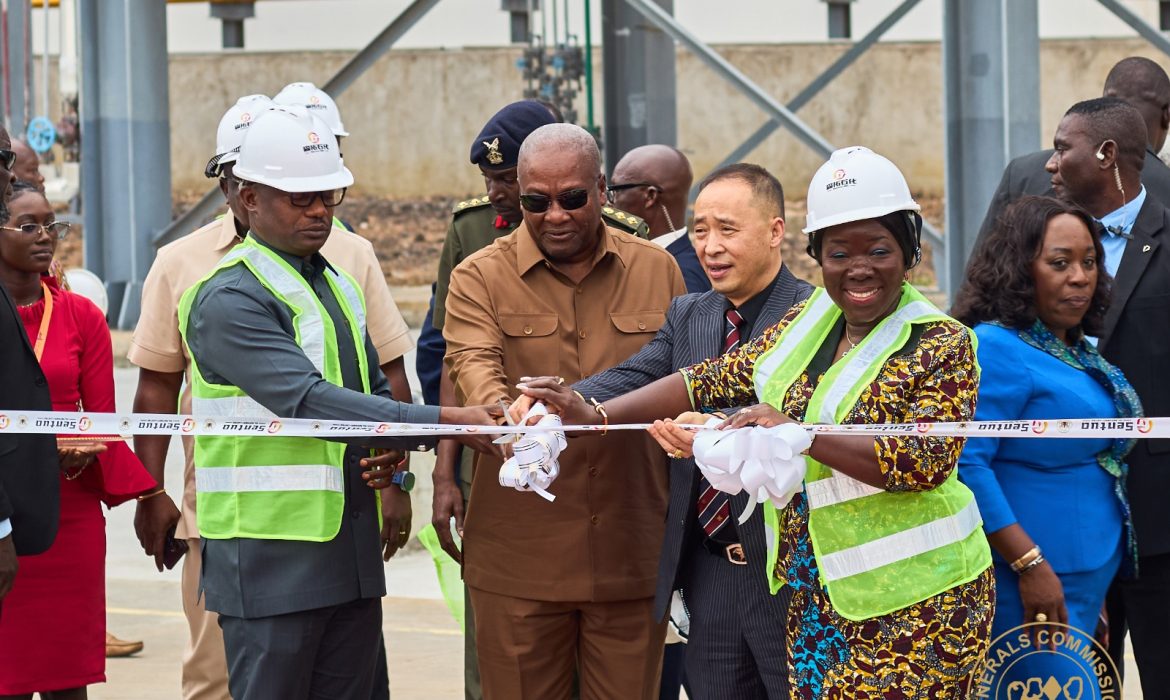
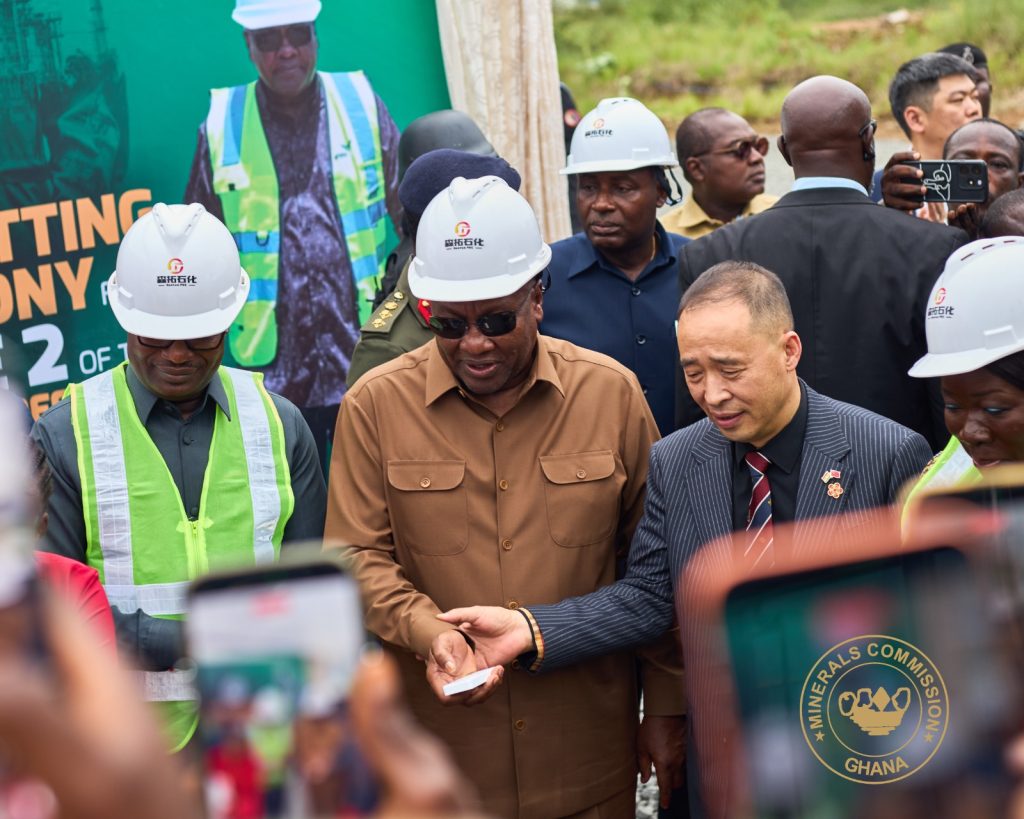
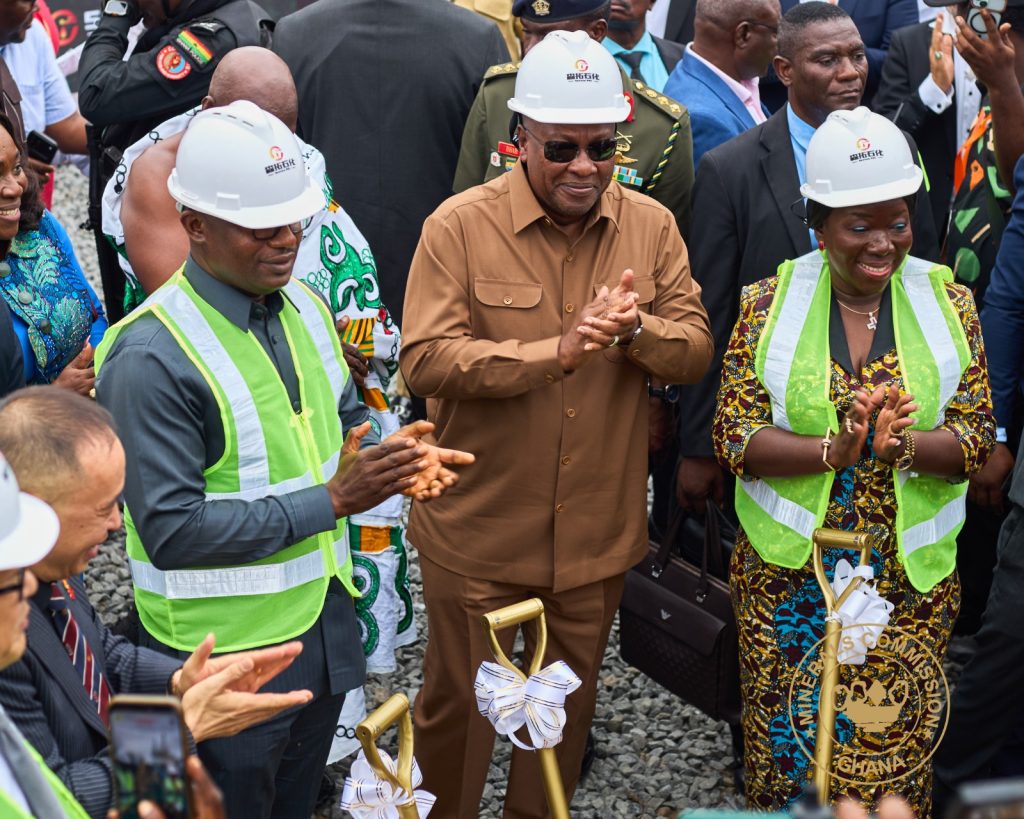
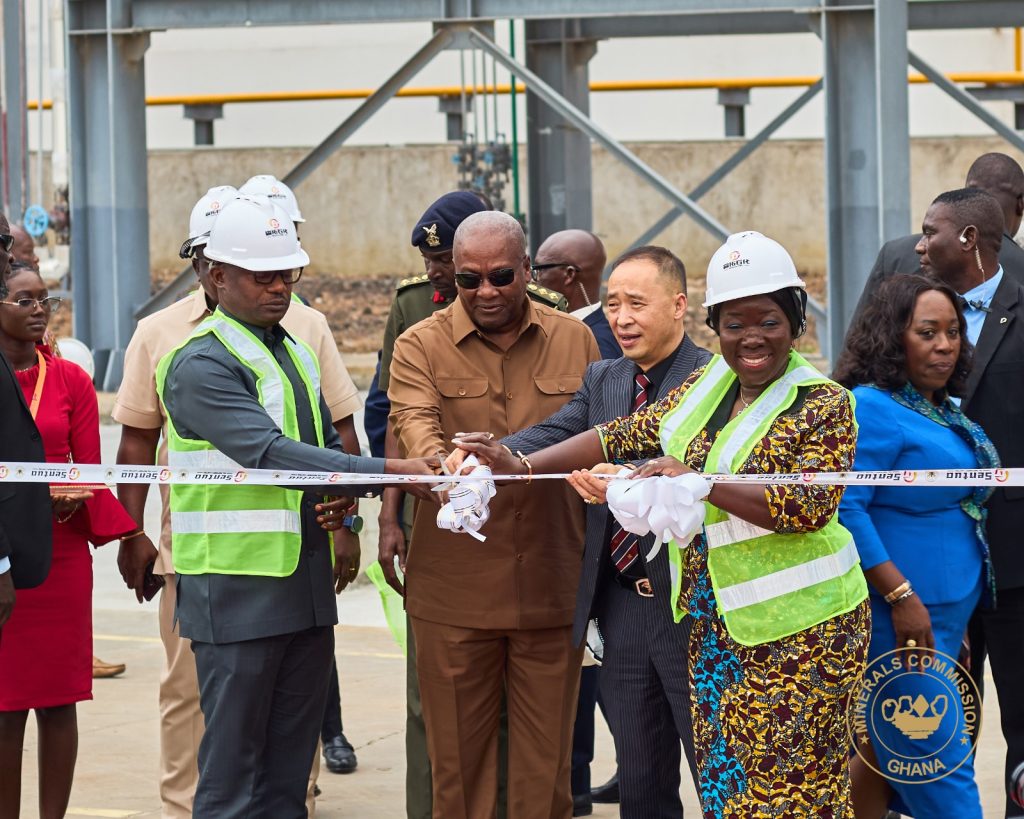
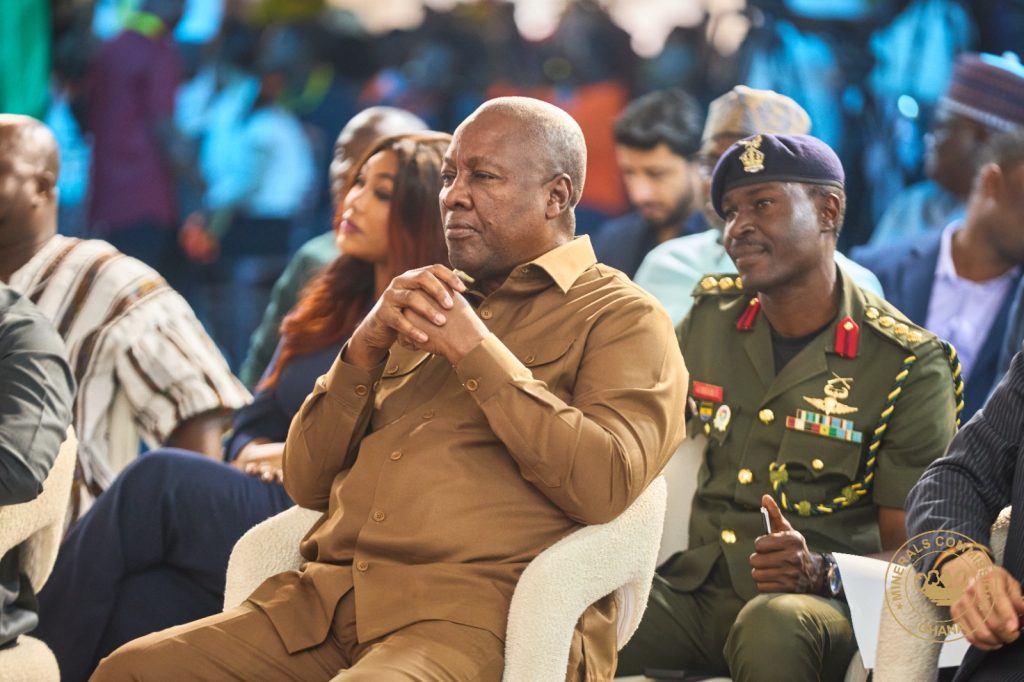
President Mahama Cuts Sod for Sentuo Oil Refinery Phase 2 Project
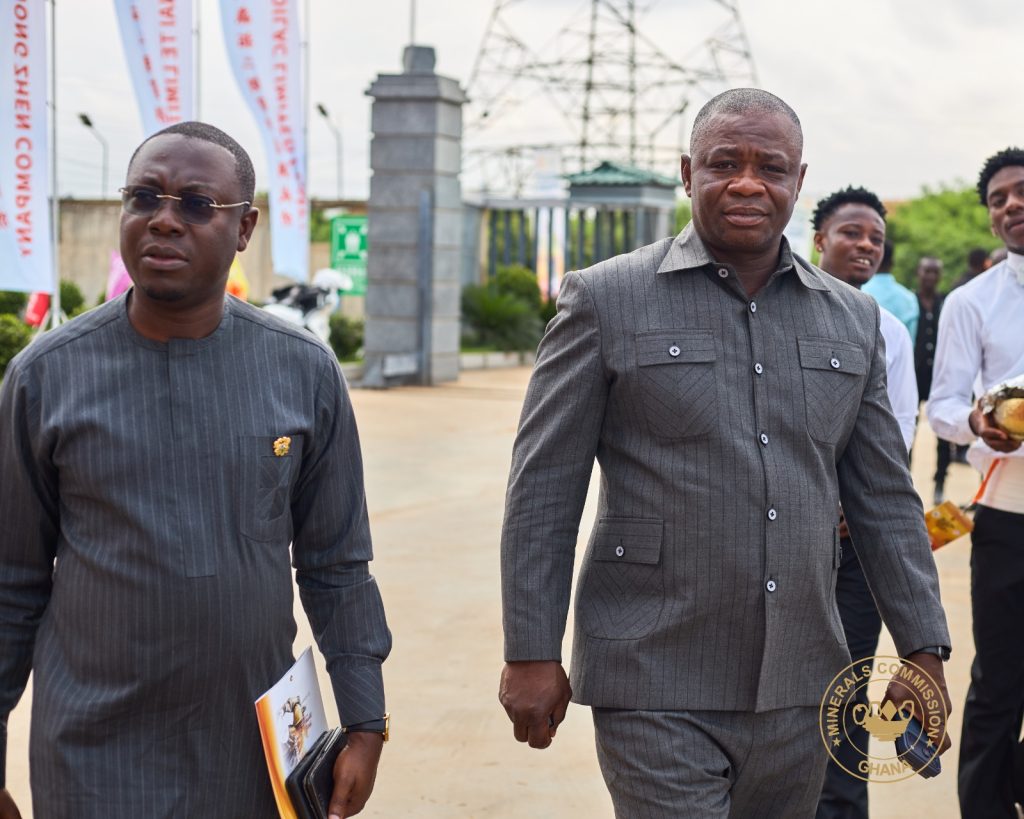
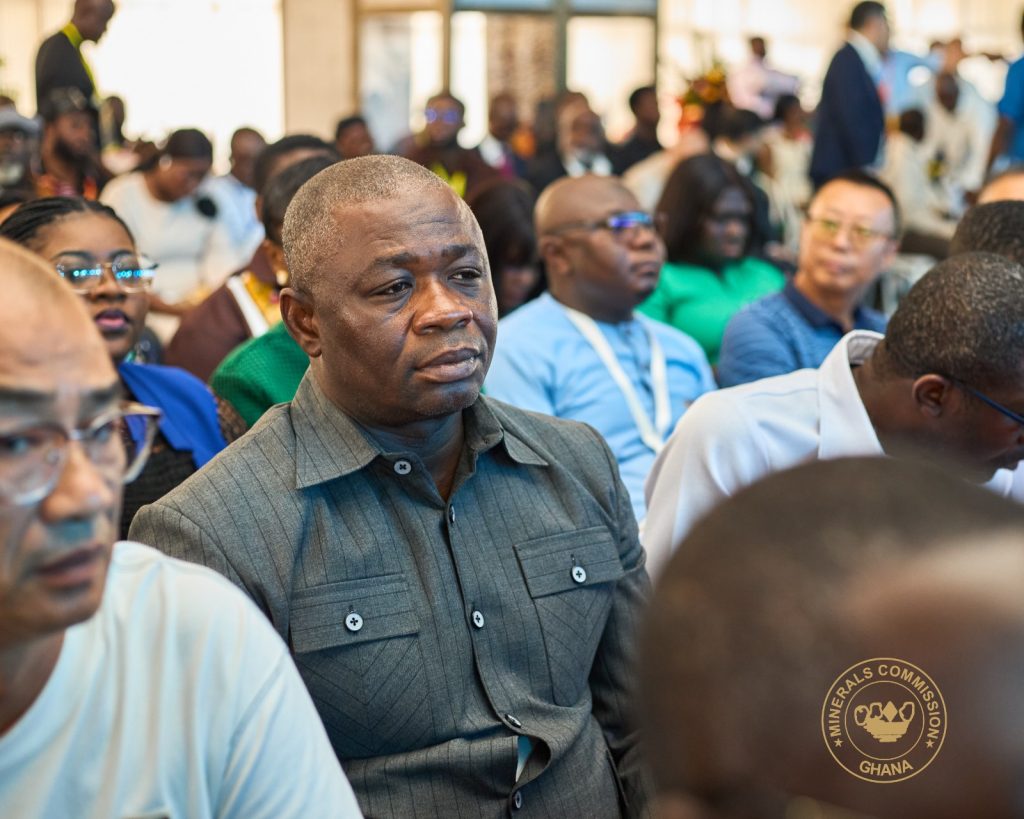
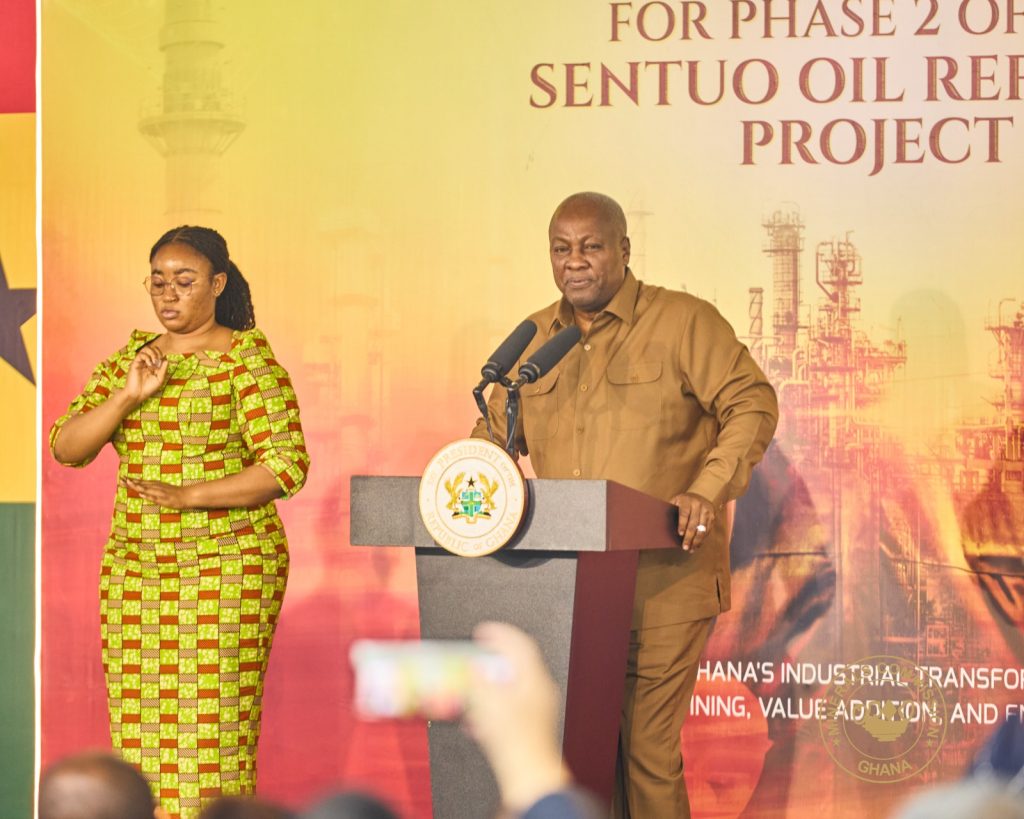
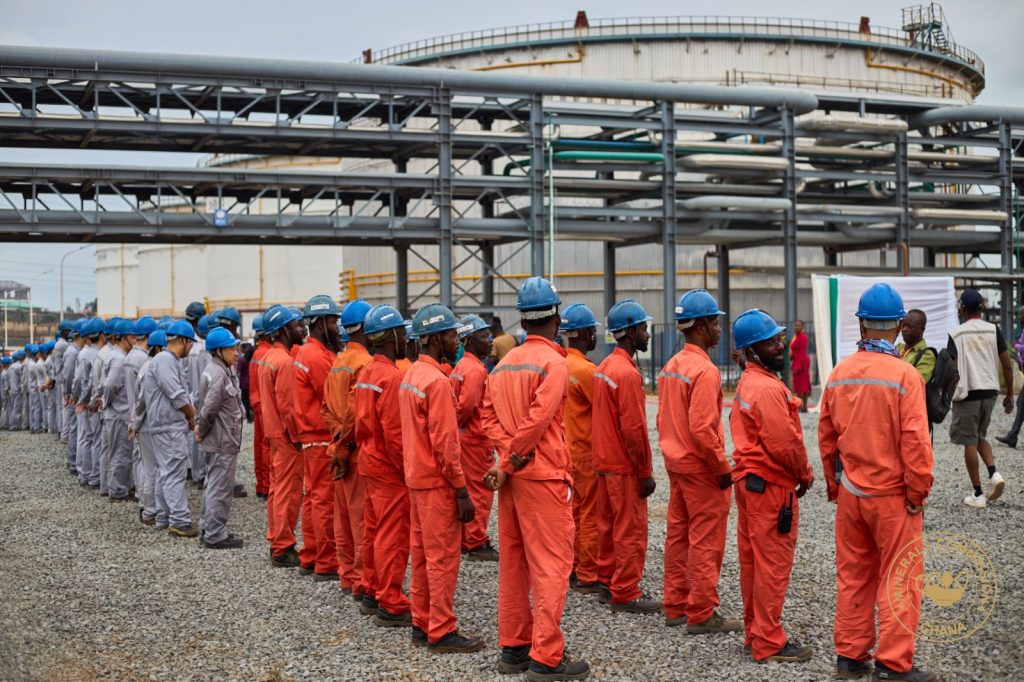
June 25, 2026 – Ghana’s downstream petroleum sector witnessed a major boost today with the official sod-cutting ceremony for Phase 2 of the Sentuo Oil Refinery Project in the Tema Industrial Area.
The landmark event was graced by H.E. President John Dramani Mahama, who performed the sod-cutting as Guest of Honour, signaling the commencement of the next stage of the refinery’s expansion.
The ceremony also highlighted strong institutional collaboration, with the Chief Executive Officer of the Minerals Commission ably represented by Mr. Isaac Kuuwan Mwinbelle, Director, Industrial Minerals. His presence underscored the vital regulatory synergy driving Ghana’s ambitious industrial transformation agenda.
Celebrated under the theme “From Ghana’s Oil Fields to Ghana’s Industries, Powering National Transformation”, the project marks a pivotal milestone in Ghana’s quest for economic self-reliance and industrial growth.
Minerals Commission Inaugurates Reconstituted Audit Committee
Minerals Commission Inaugurates Reconstituted Audit Committee
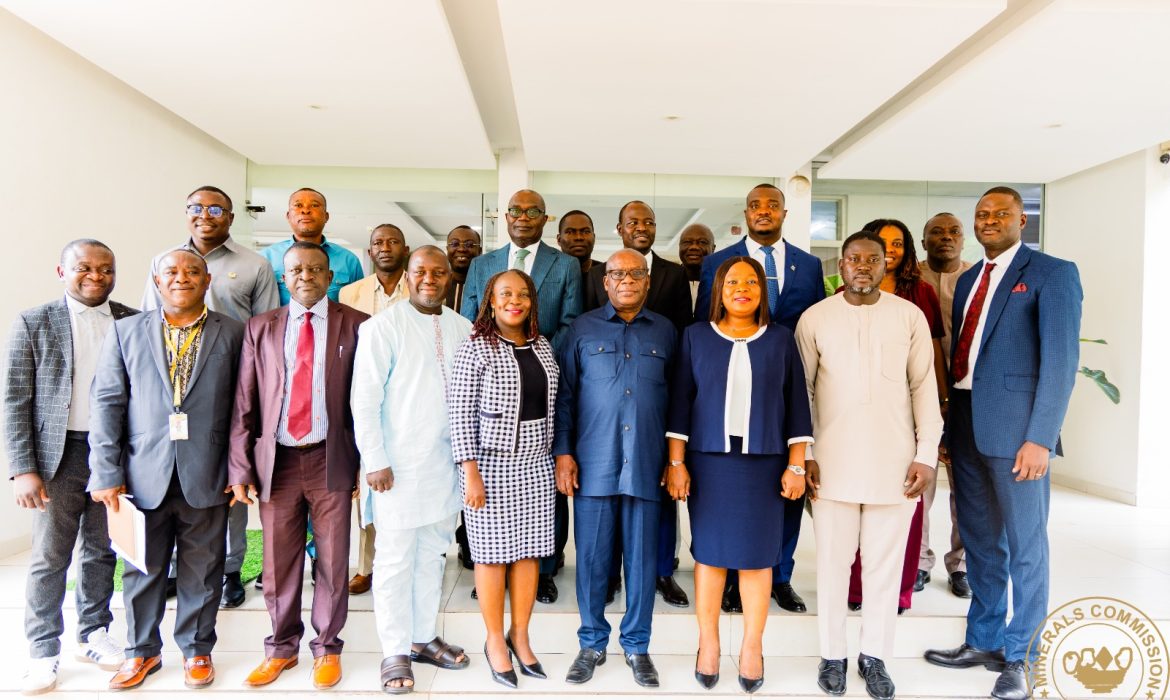
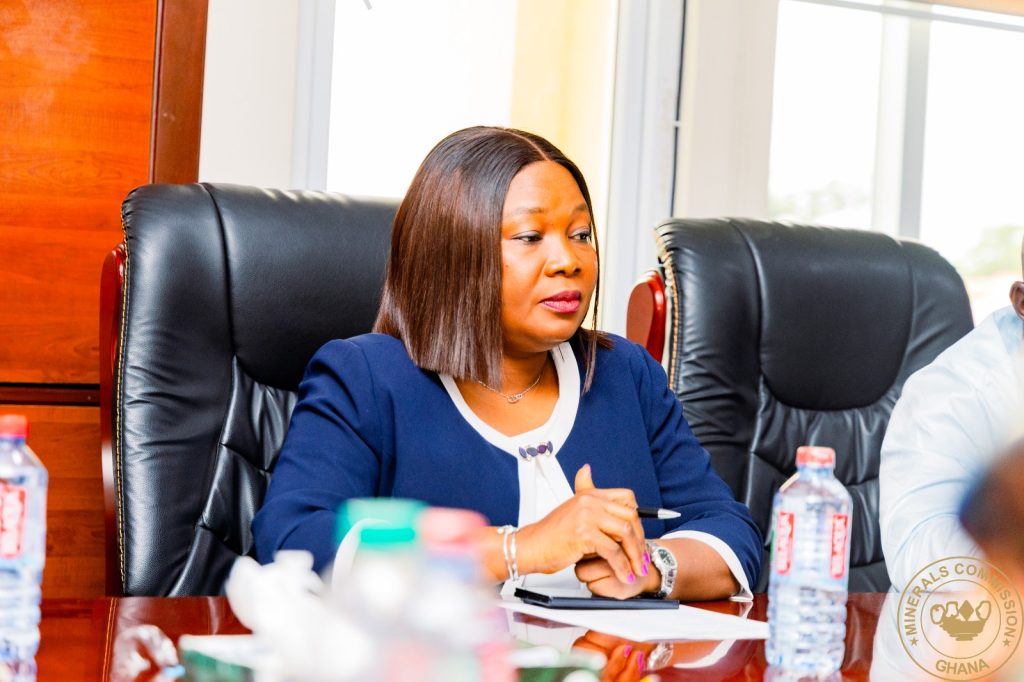
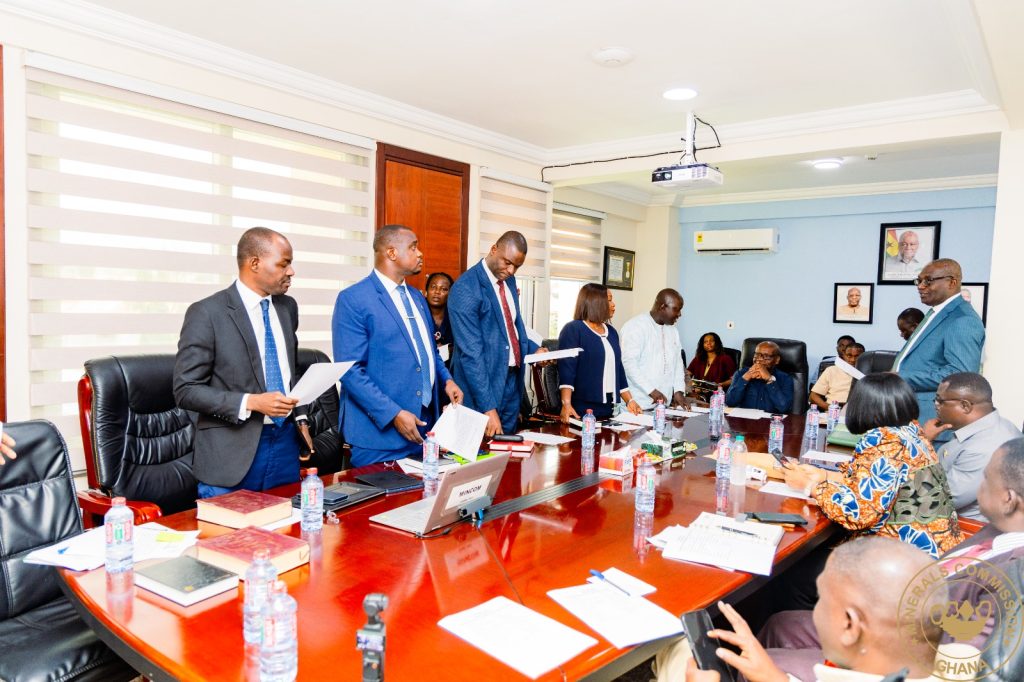
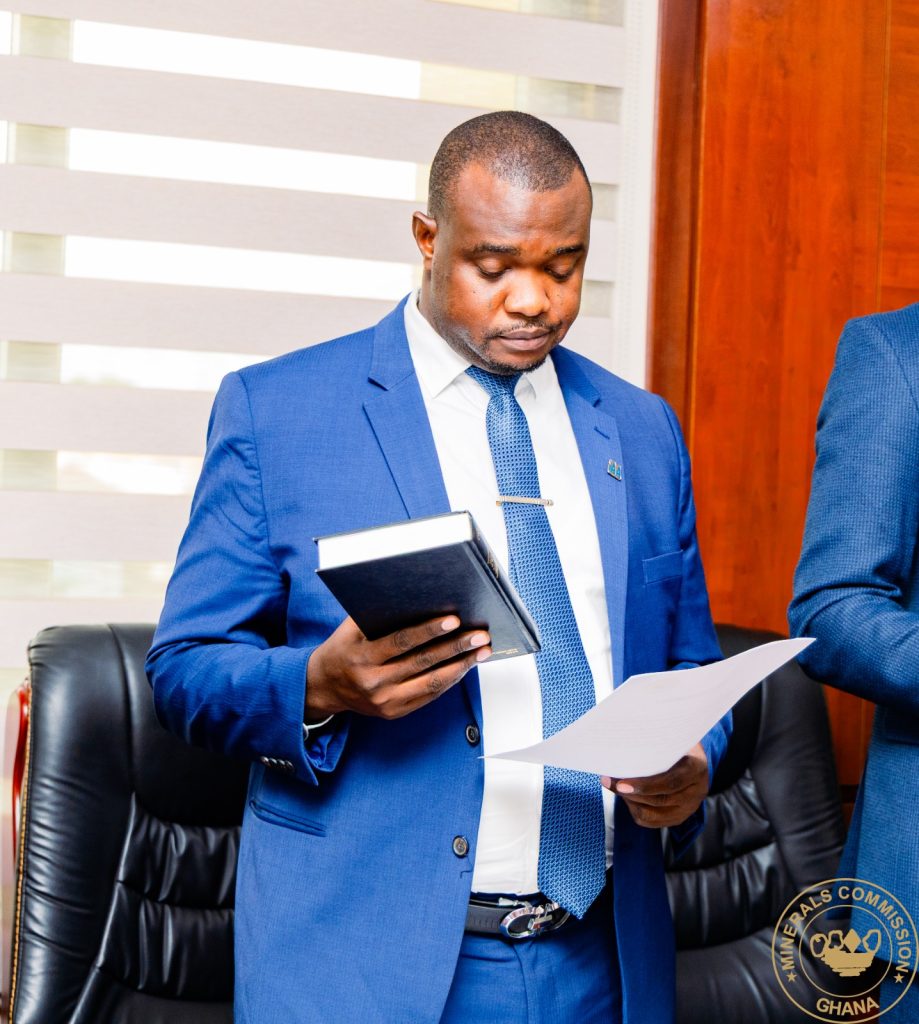
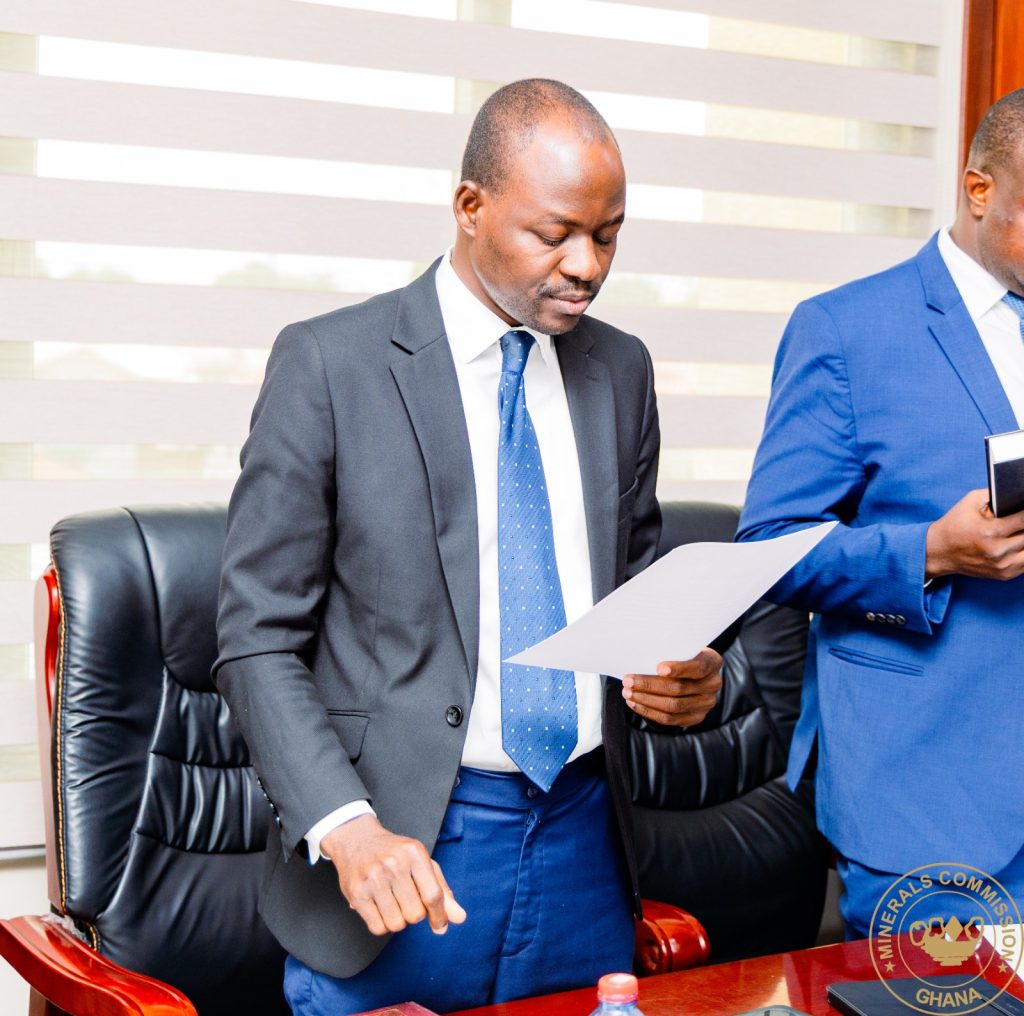
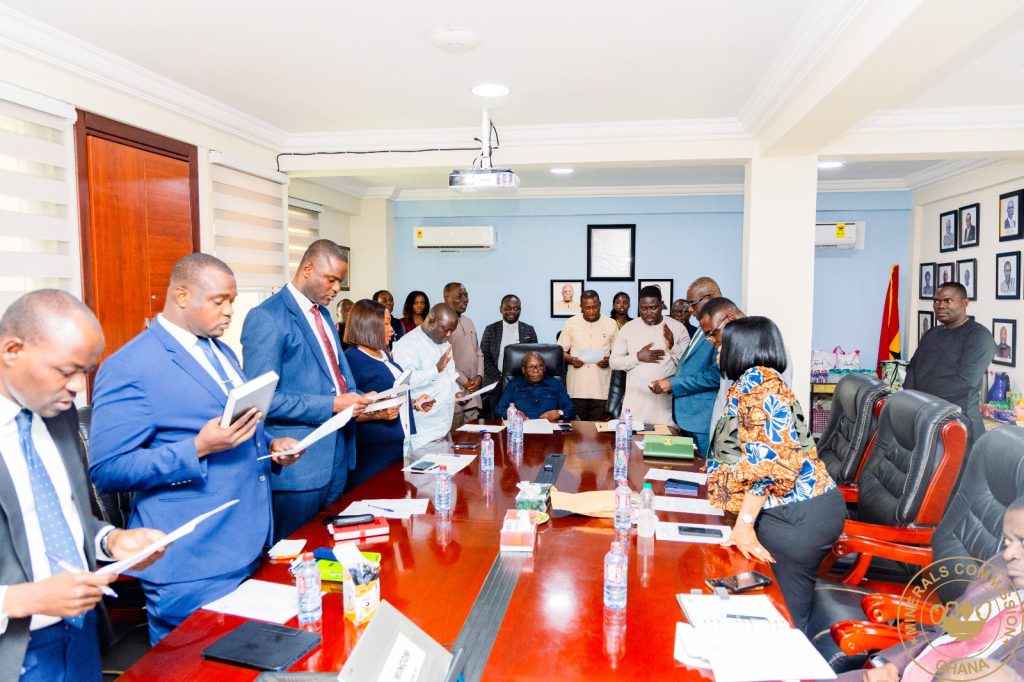
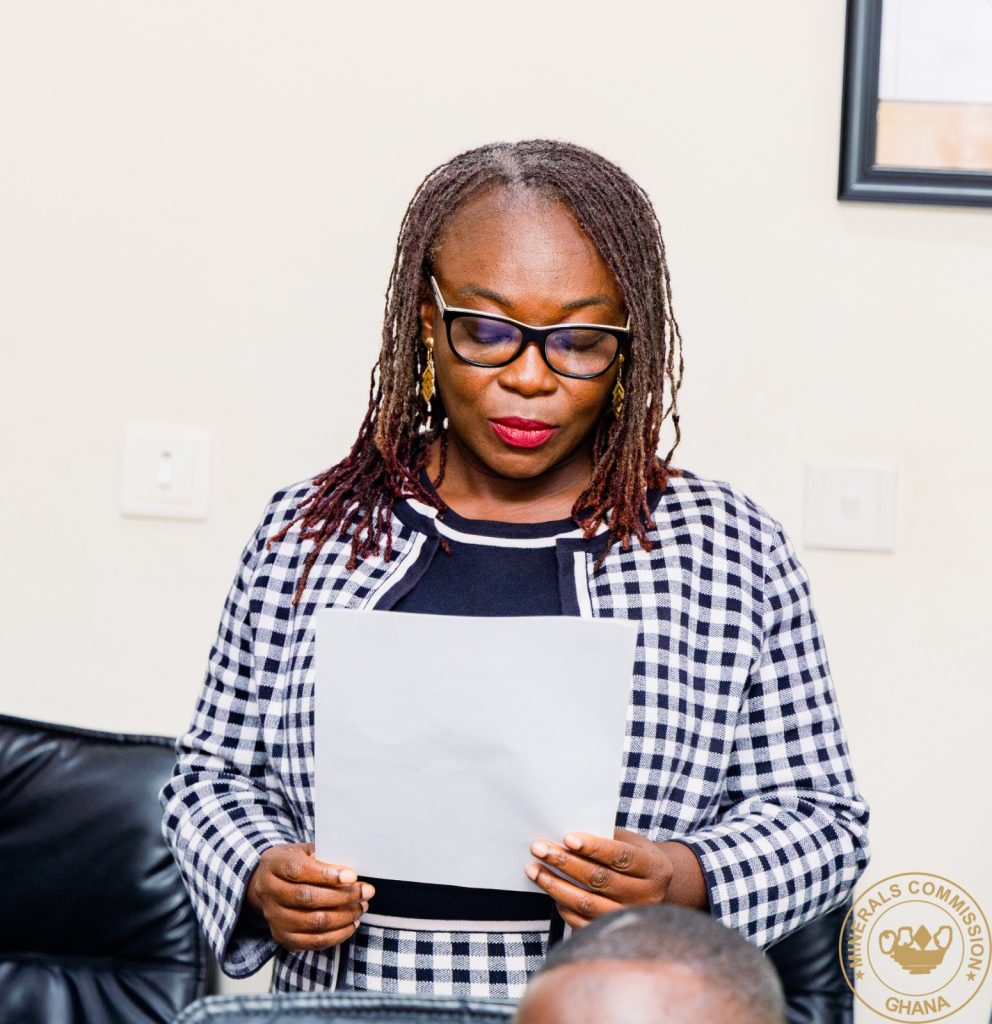
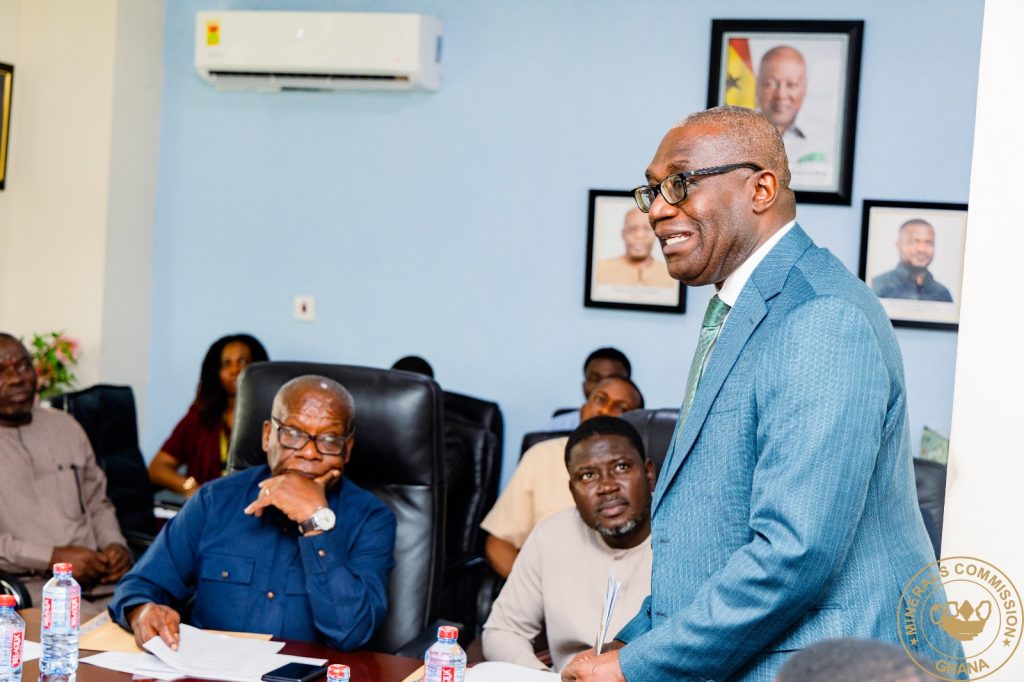
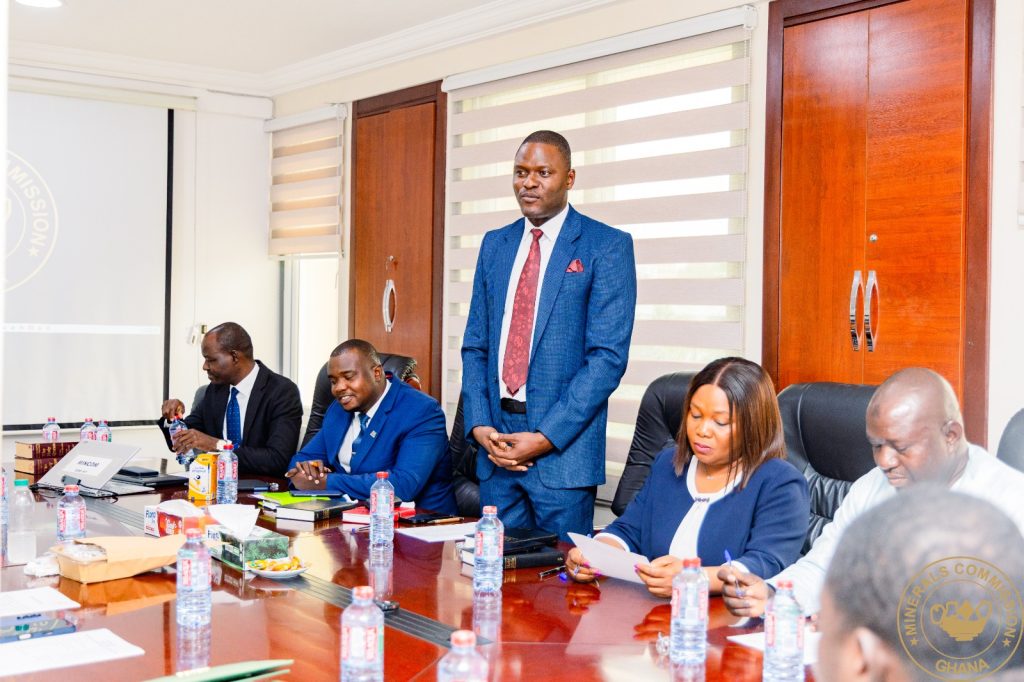
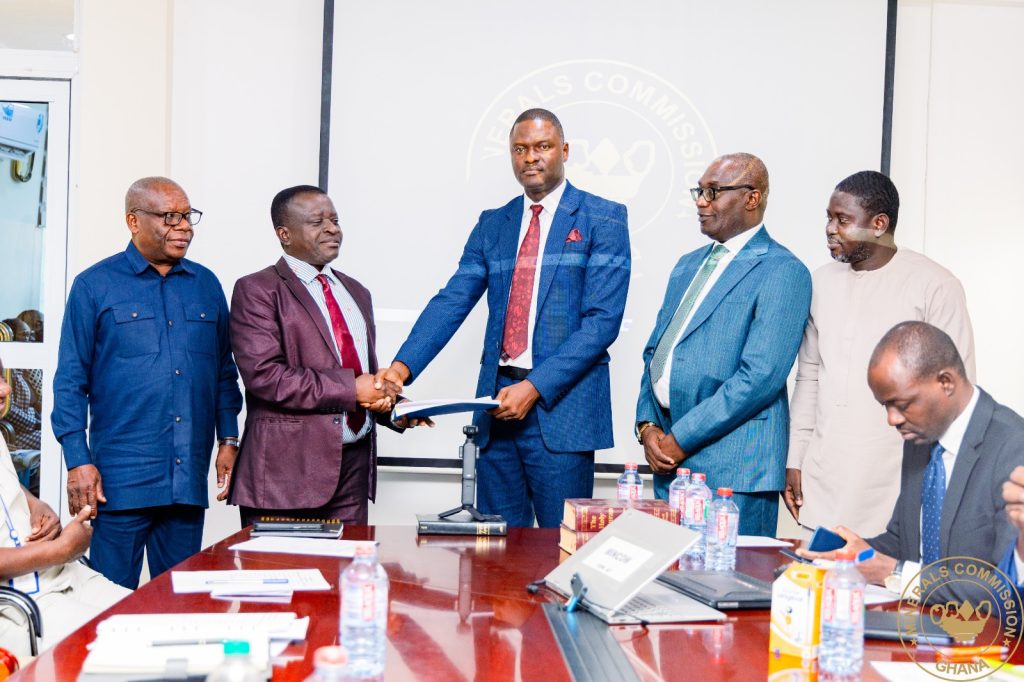
Accra, June 11, 2026 – The Minerals Commission has inaugurated a five-member reconstituted Audit Committee at its Head Office in Accra, marking a formal transition in the statutory oversight of the regulatory body.
The inauguration was conducted in accordance with the Public Financial Management Act, 2016 (Act 921), which mandates statutory agencies to maintain an active audit committee to ensure continuity of governance and institutional accountability.
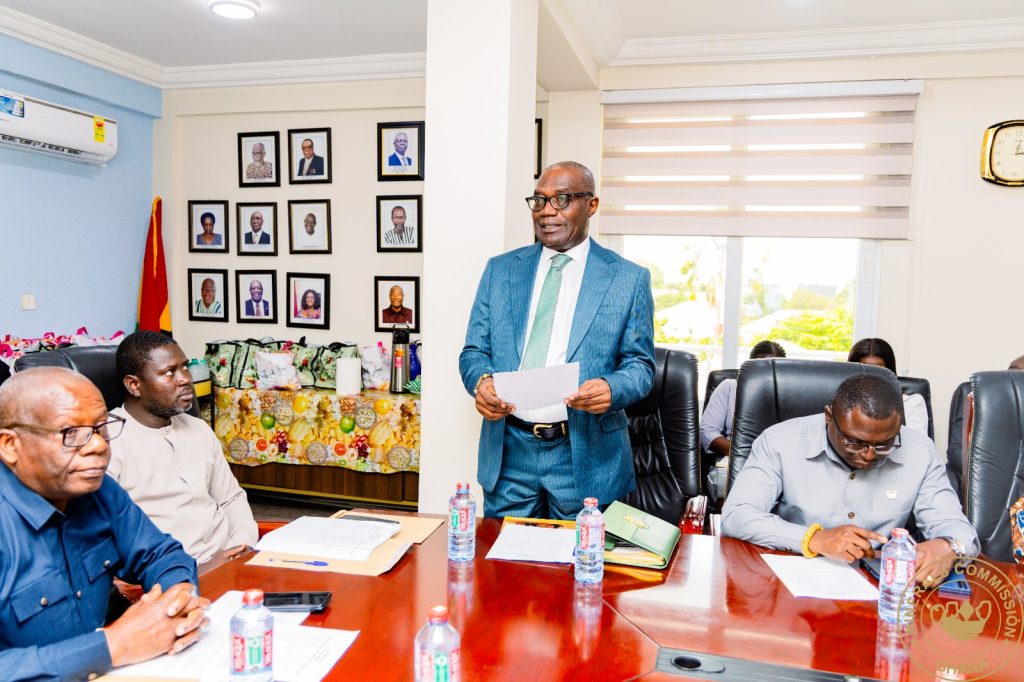
Delivering opening remarks on behalf of the Chief Executive Officer, Mr. Maxwell Yao Akpene Klu, Deputy Chief Executive Officer for Small-Scale Mining and Industrial Minerals, welcomed the new members and expressed appreciation to the outgoing members for their dedication and service to the Commission. He emphasised that as a state agency entrusted with the regulation and management of Ghana’s mineral resources, the Commission recognises the importance of maintaining the highest standards of transparency, integrity and accountability. He noted that the work of this Committee will be instrumental in providing assurance that operations, financial reporting and internal control systems meet both regulatory requirements and international best practice.
The reconstitution process was overseen by the Board Chairman, Ambassador William Ntow Boahene, Esq., who pledged the Board’s full support and congratulated the new members on their appointment. He urged the Committee to uphold professionalism and integrity in the discharge of its duties.
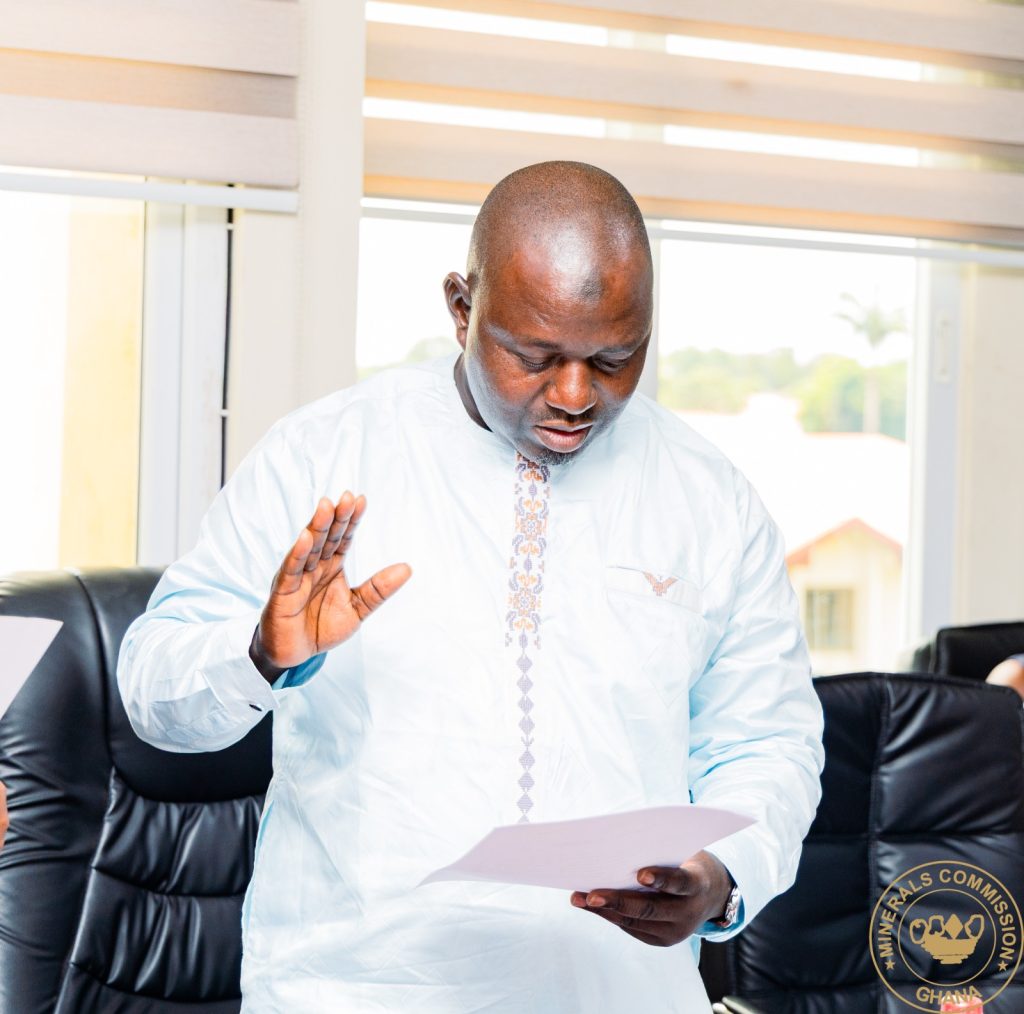
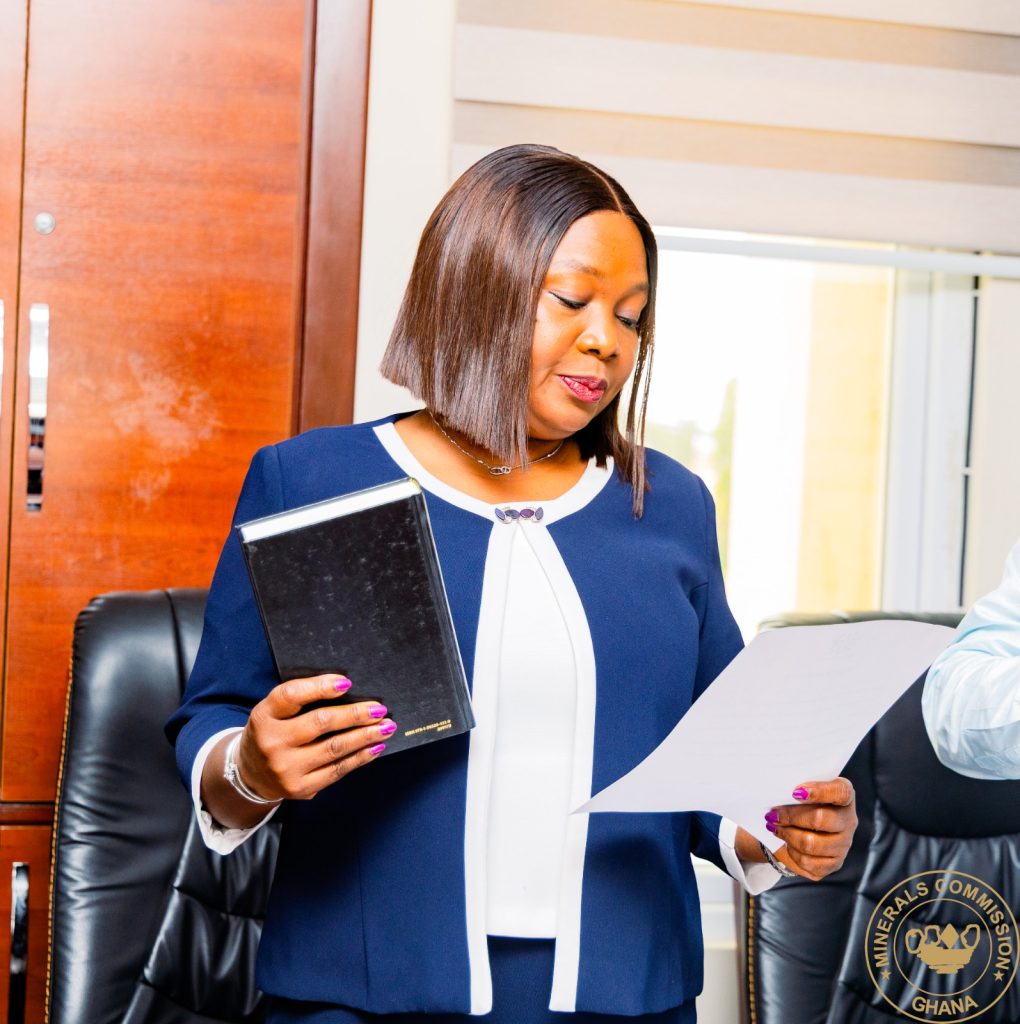
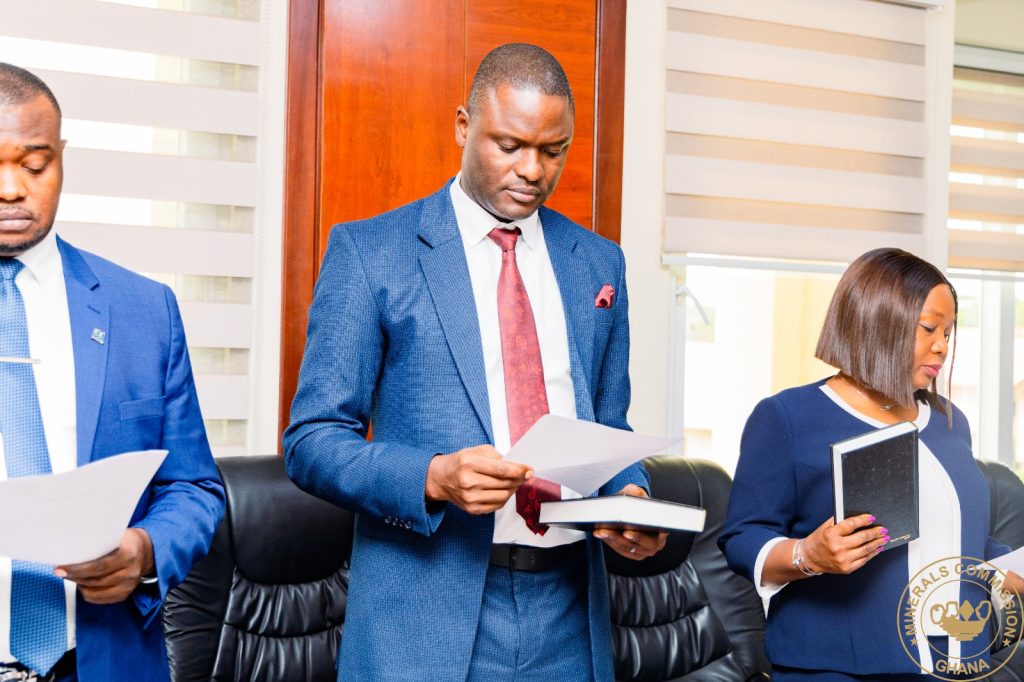
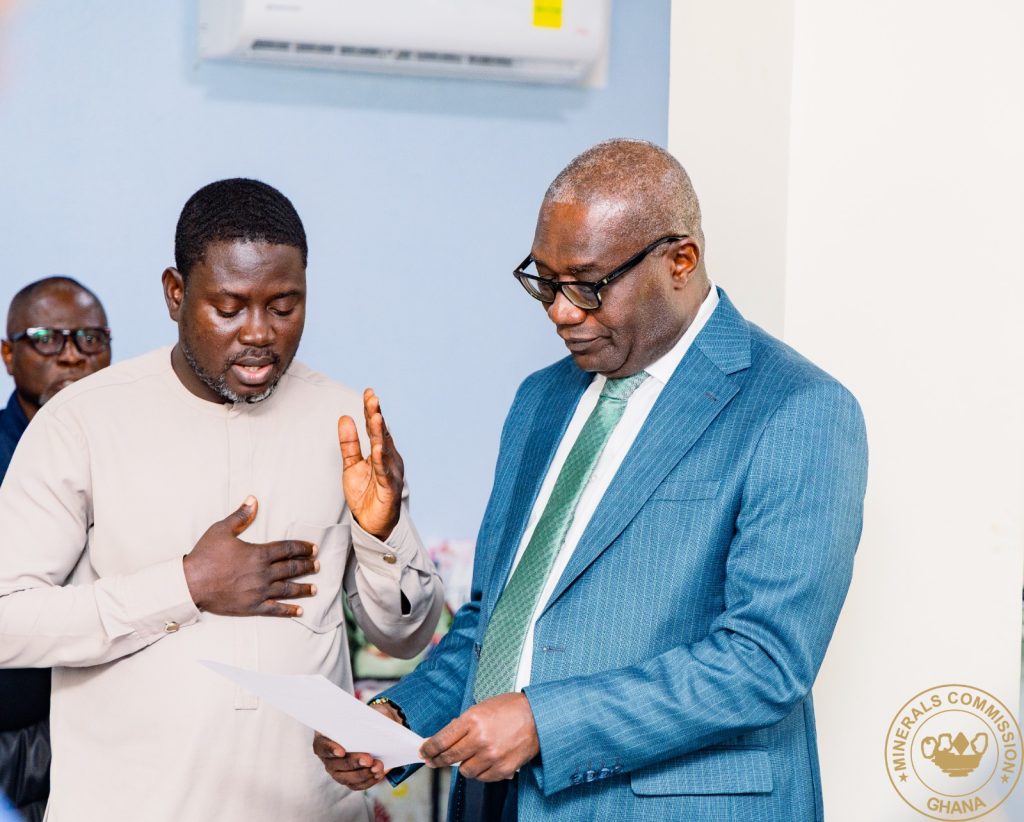
Mr. Thomas Ashaley Thompson-Aryee, Director-General of the Internal Audit Agency, administered the Oath of Office and the Oath of Secrecy to formally induct the members. He urged the Committee to execute its statutory mandate with diligence, objectivity and an unwavering commitment to accountability.
The Audit Committee is composed of Hon. Prof. Hamza Adam and Hon. Emelia Ankomah, Esq., representing the Minerals Commission Board; Mr. Senanu K. Mensah and Mr. Patrick Nanke Vug, representing the Internal Audit Agency; and Mr. Inusah Shirazu, representing of the Institute of Chartered Accountants, Ghana. Mrs. Fafanyo Kukubor Amegavi of the Minerals Commission will serve as Secretary to the Committee.
In his acceptance remarks, the newly elected Chairman of the Committee, Mr. Senanu K. Mensah, expressed gratitude for the confidence reposed in him and assured the Board and Management of the Committee’s commitment to strengthening supervision and compliance with the Public Financial Management Act, 2016 (Act 921).
The reconstituted Committee will continue to strengthen internal controls, safeguard public funds and uphold the highest standards of accountability demanded by the public financial management regulatory framework. As Ghana’s mining sector continues to evolve, the Board and Management remain confident that the Committee’s expertise and independence will be instrumental in driving institutional integrity and sustaining stakeholder trust.
END
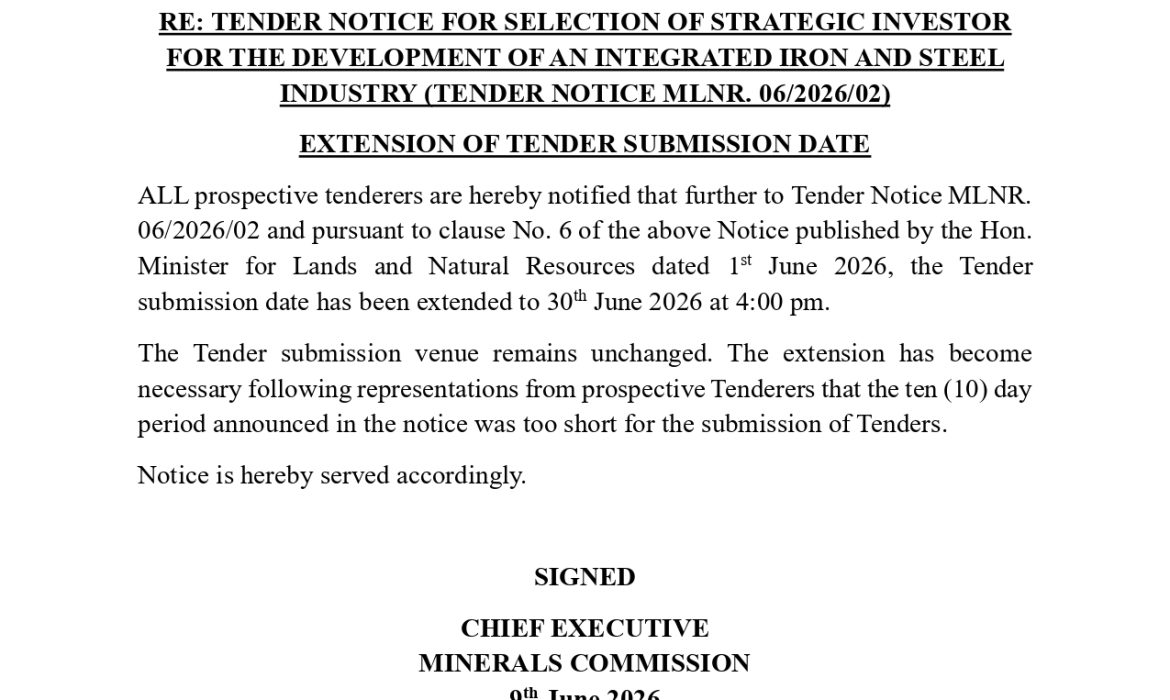
Extension of Tender submission date
RE: TENDER NOTICE FOR SELECTION OF STRATEGIC INVESTOR
FOR THE DEVELOPMENT OF AN INTEGRATED IRON AND STEEL
INDUSTRY (TENDER NOTICE MLNR. 06/2026/02)
EXTENSION OF TENDER SUBMISSION DATE
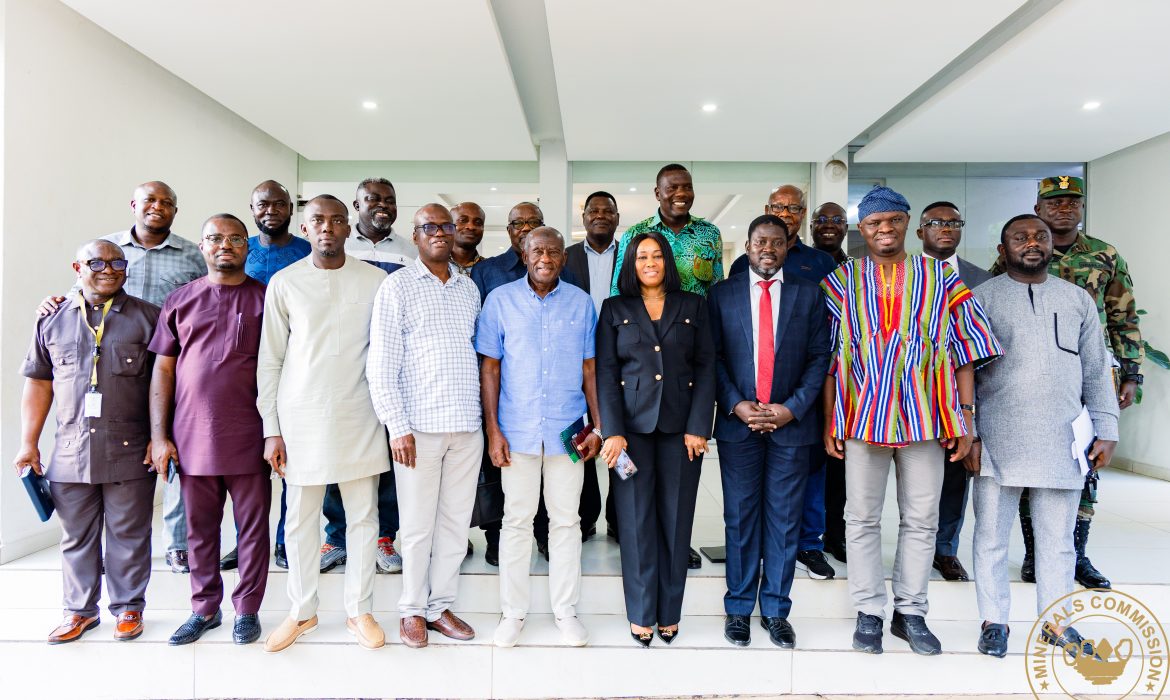
Parliamentary Select Committee on Lands and Natural Resources Engages Minerals Commission on Resource Oversight
Parliamentary Select Committee on Lands and Natural Resources Engages Minerals Commission on Resource Oversight
Accra, May 11, 2026 – The Parliamentary Select Committee on Lands and Natural Resources has undertaken an official working visit to the headquarters of the Minerals Commission to assess the regulator’s operations, infrastructure, and administrative systems.
The delegation, led by the Committee Chairman, Hon. Collins Dauda, sought to deepen Parliament’s understanding of the evolving regulatory framework and operational landscape of Ghana’s mining sector.
The engagement was chaired by Madam Victoria Awuni, Deputy Chief Executive Officer in charge of Policy Planning, Mineral Titles, and Local Content. She briefed the Committee on the Commission’s strategic priorities, with particular emphasis on the digitisation of the mineral titles and licensing regime, the strengthening of the legal framework, reforms in the small-scale mining sector, and the enforcement of local content regulations.
Hon. Dauda noted that the visit provided members with a valuable firsthand perspective on the Commission’s facilities and regulatory workflows. He underscored the importance of such engagements in fulfilling the Committee’s mandate to ensure effective oversight of institutions within the natural resources sector.
The session fostered a transparent and constructive dialogue between the Committee and the Commission’s management, focusing on key areas, including:
- Regulatory Achievements: Notable improvements in mineral rights processing timelines and enhanced oversight of small-scale mining activities.
- Operational Challenges: Addressing resource constraints and reviewing ongoing strategies to combat illegal mining.
- Infrastructure Capacity: A guided tour of technical facilities to evaluate the Commission’s readiness to meet modern, data-driven regulatory demands.
Madam Awuni reaffirmed the Commission’s commitment to its mandate as the principal state agency responsible for the sustainable management of Ghana’s mineral resources.
Also in attendance were representatives from the National Anti-Illegal Mining Operations Secretariat (NAIMOS) and the Responsible Cooperative Mining and Skills Development Programme (rCOMSDEP), who provided updates on their respective initiatives.
The visit concluded with a shared commitment to strengthen collaboration, ensuring that Ghana’s legislative framework continues to evolve in response to the dynamic needs of the mining sector, while safeguarding national interests.
End.
Advancing Climate Responsibility in Ghana’s Mining Sector
Advancing Climate Responsibility in Ghana’s Mining Sector
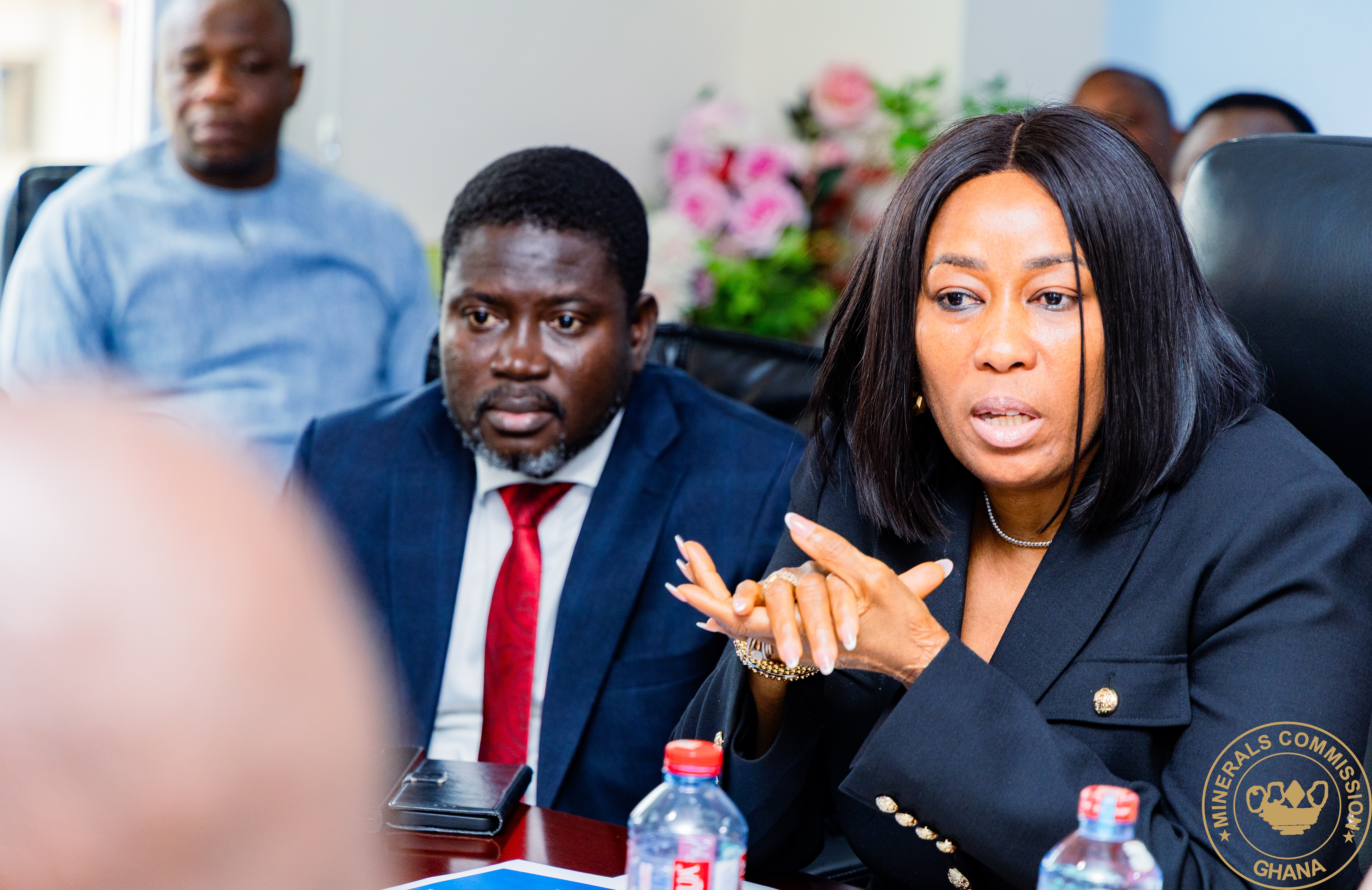
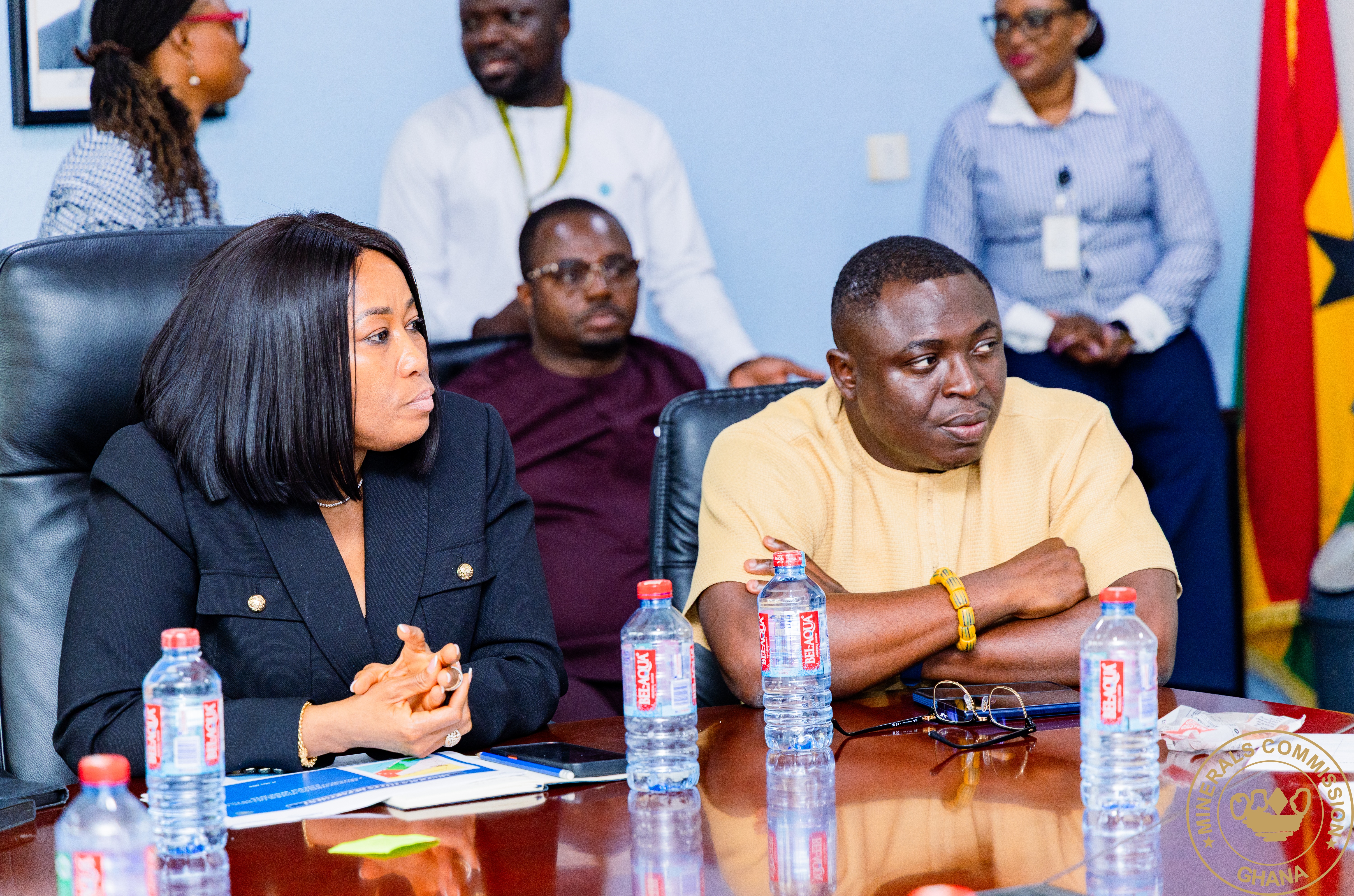
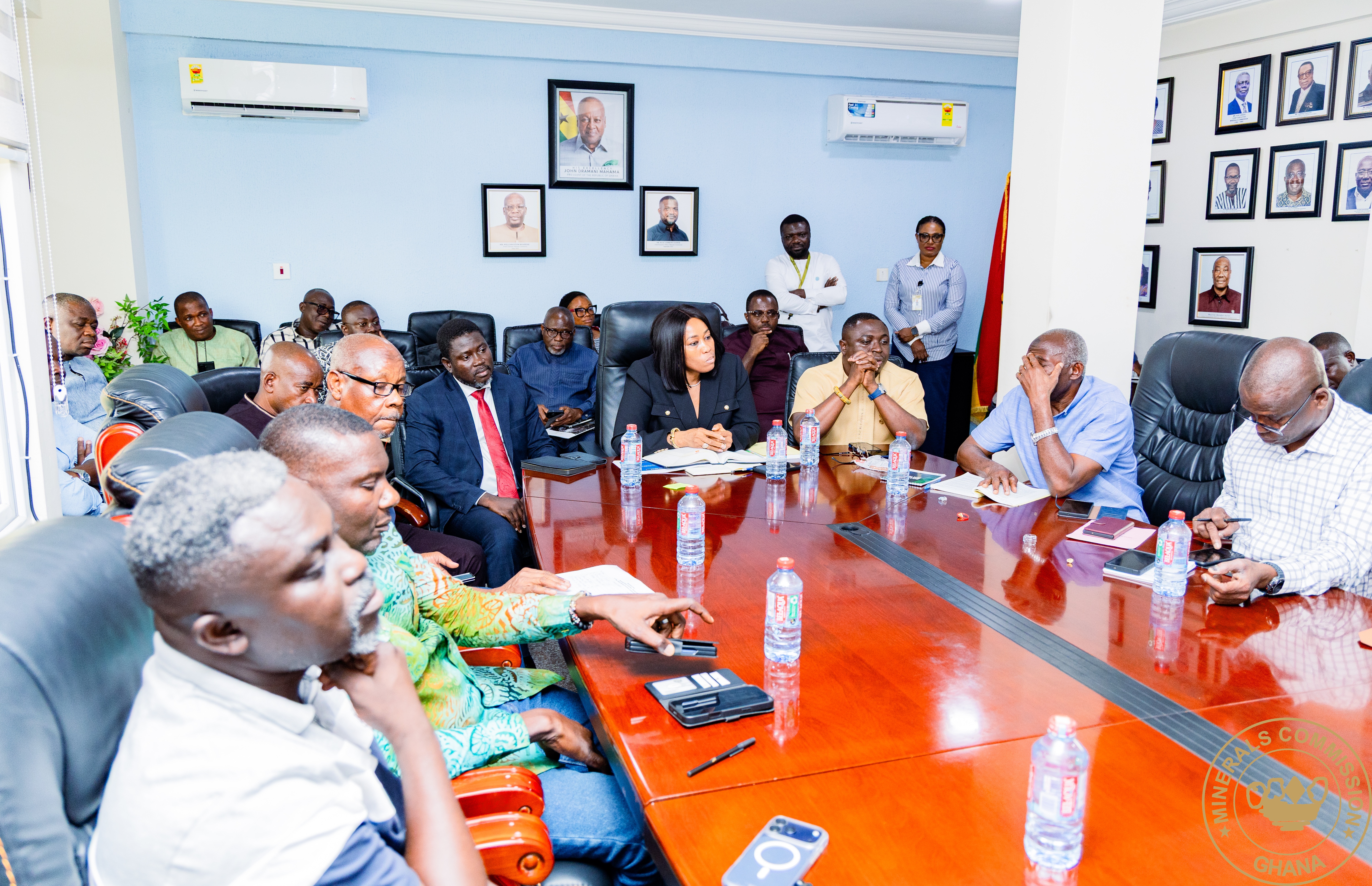
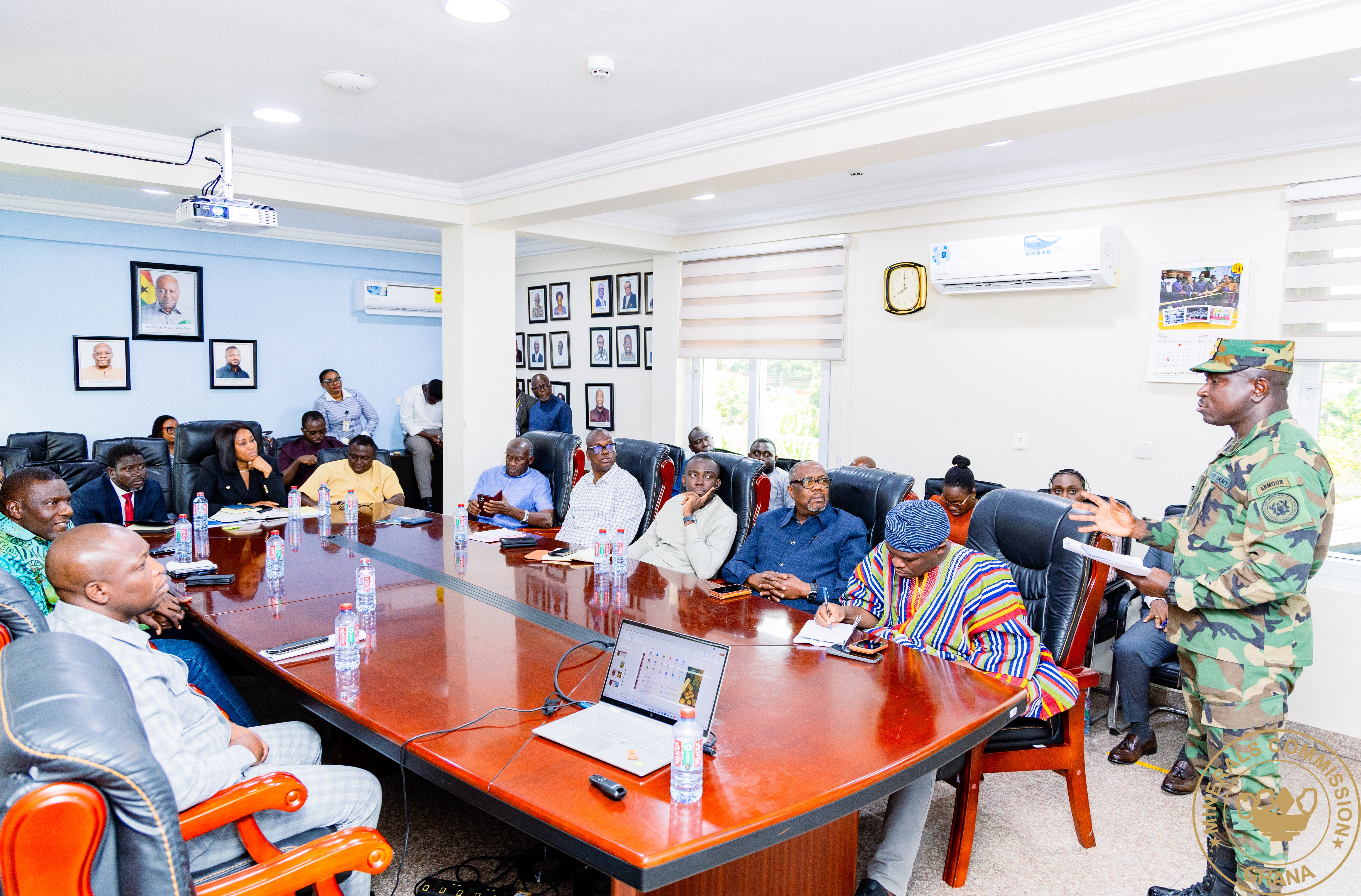
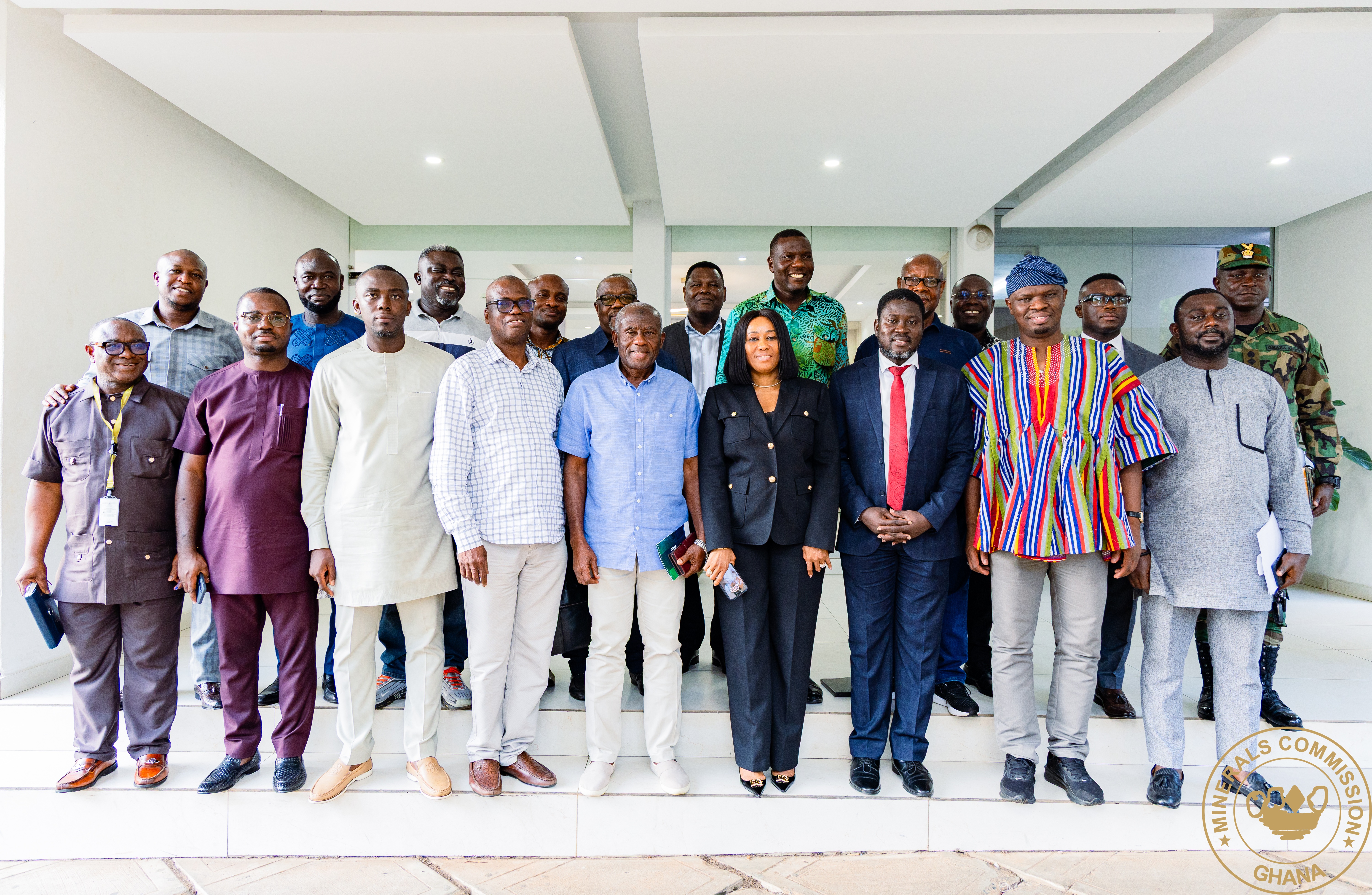
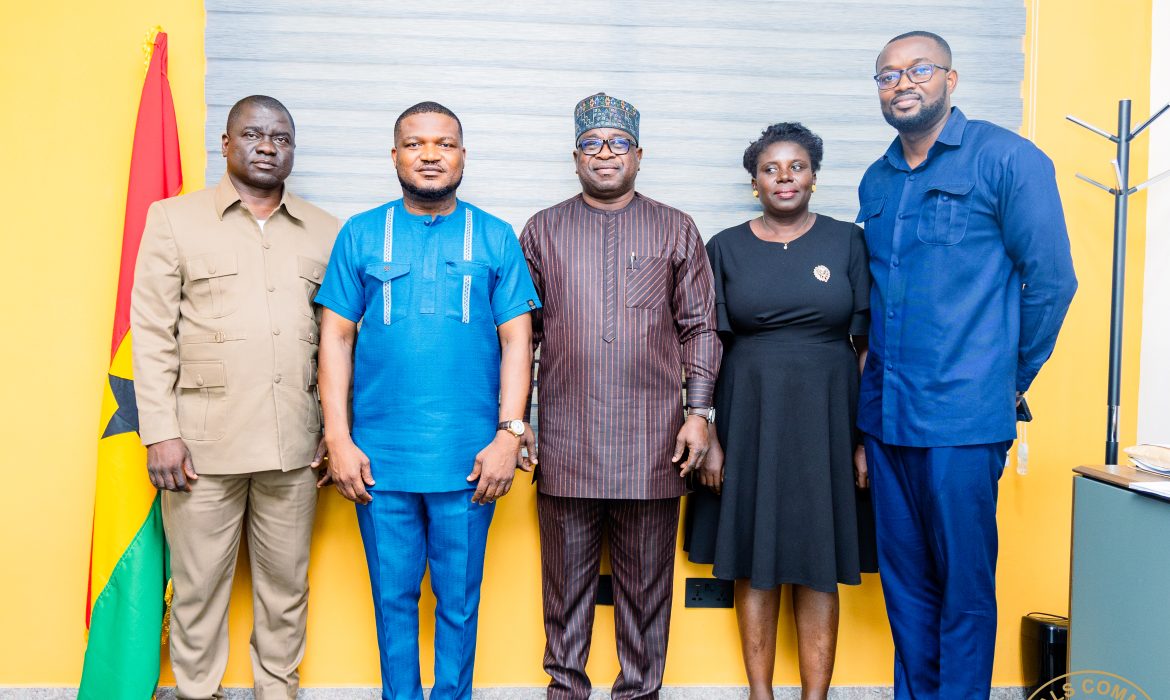
It was a privilege to host Hon. Issifu Seidu, Minister of State for Climate Change and Sustainability, for a high-level engagement at the Minerals Commission. During the meeting, Mr. Isaac Tandoh, Chief Executive Officer of the Commission, held extensive discussions on aligning Ghana’s mining sector with the country’s climate and sustainability agenda
The engagement provided an important platform to deepen collaboration between government institutions and reinforce a shared responsibility: ensuring that mineral resource development is environmentally responsible, socially inclusive, and economically beneficial. At a time when global attention is increasingly focused on climate action, Ghana’s mining industry must position itself as a leader in sustainable resource management.
As the regulator, the Minerals Commission plays a critical role in embedding sustainability across the mining value chain. Our mandate extends beyond licensing and monitoring to ensuring that mining operations integrate environmental stewardship, responsible land use, and climate-conscious practices from exploration through to mine closure.
Through our regulatory frameworks, we require mining companies to adopt best practices in environmental management, reduce emissions, protect biodiversity, and implement effective land reclamation strategies. We also work closely with other state agencies to strengthen compliance, promote responsible water use, and safeguard forest reserves and vulnerable ecosystems often affected by mining activities.
Mr. Tandoh’s engagement with the Minister further underscored the need to leverage innovation, data, and policy alignment to drive measurable outcomes. The Commission is incorporating technology-driven monitoring systems, supporting sustainable mining initiatives, and encouraging operators to align with global Environmental, Social, and Governance (ESG) standards.
Sustainability is no longer optional; it is essential for long-term sector viability and national development. We remain committed to working with all stakeholders to ensure Ghana’s mineral wealth is harnessed responsibly, contributing to economic growth, climate resilience, and environmental preservation for future generations.
#MineralsCommission #SustainableMining #ClimateAction #GhanaMining #EnvironmentalStewardship #ESG #ResponsibleMining #ClimateChange
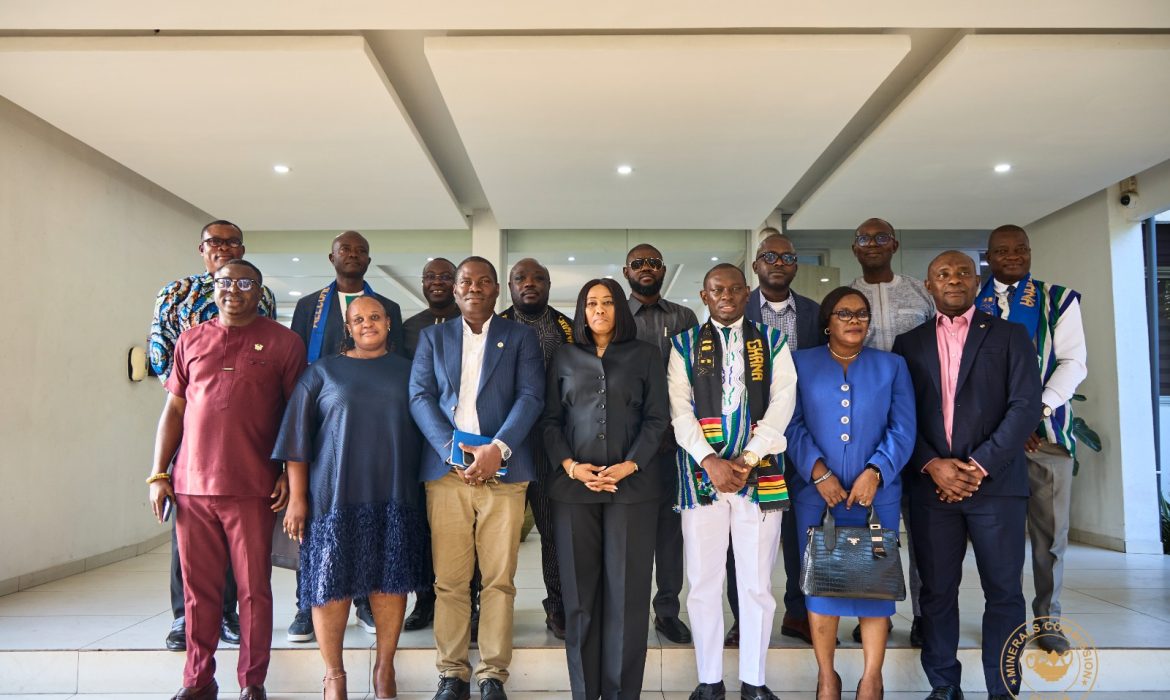
Sierra Leone Delegation Embarks on Study Tour of Minerals Commission
Sierra Leone Delegation Embarks on Study Tour of Minerals Commission
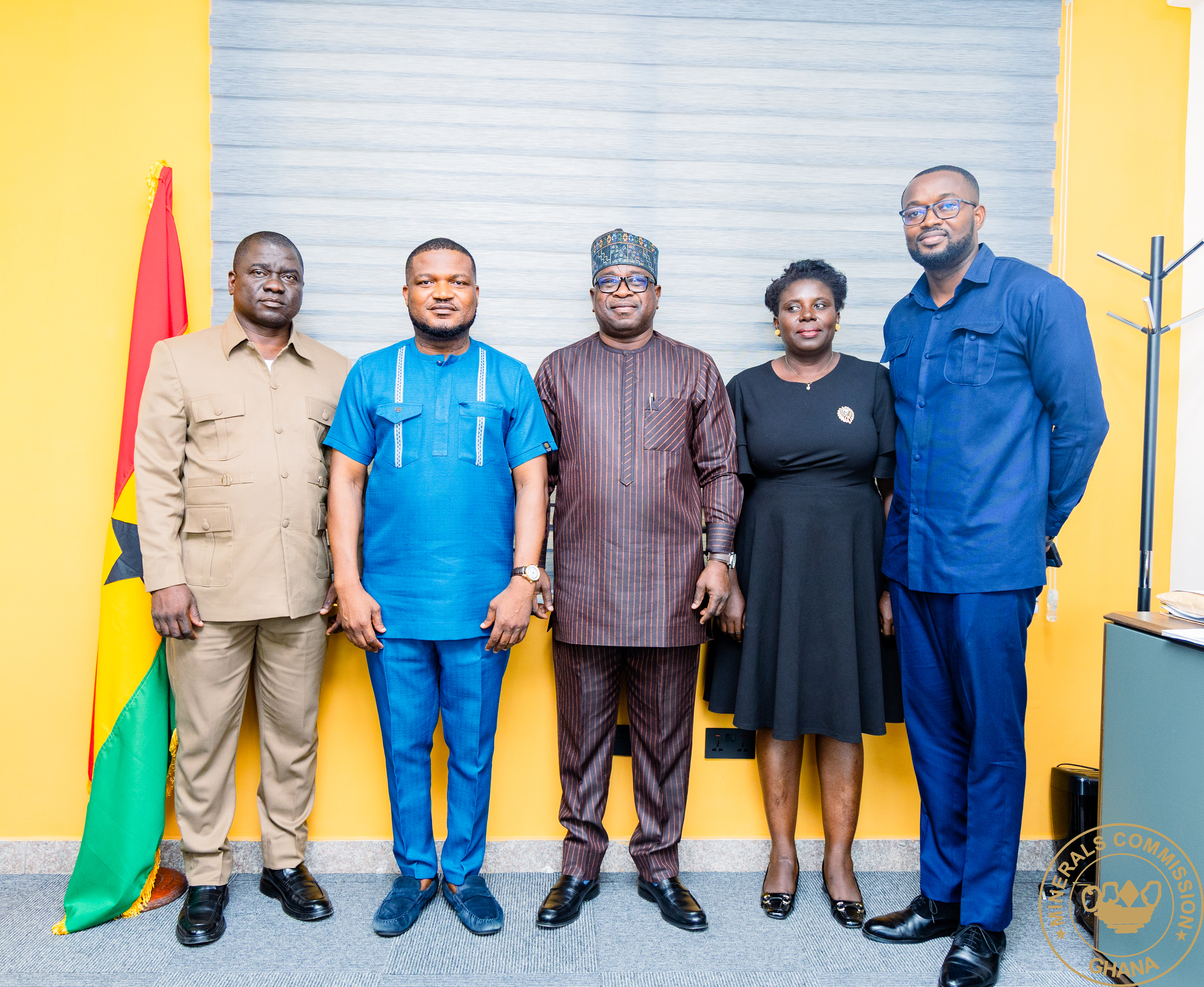
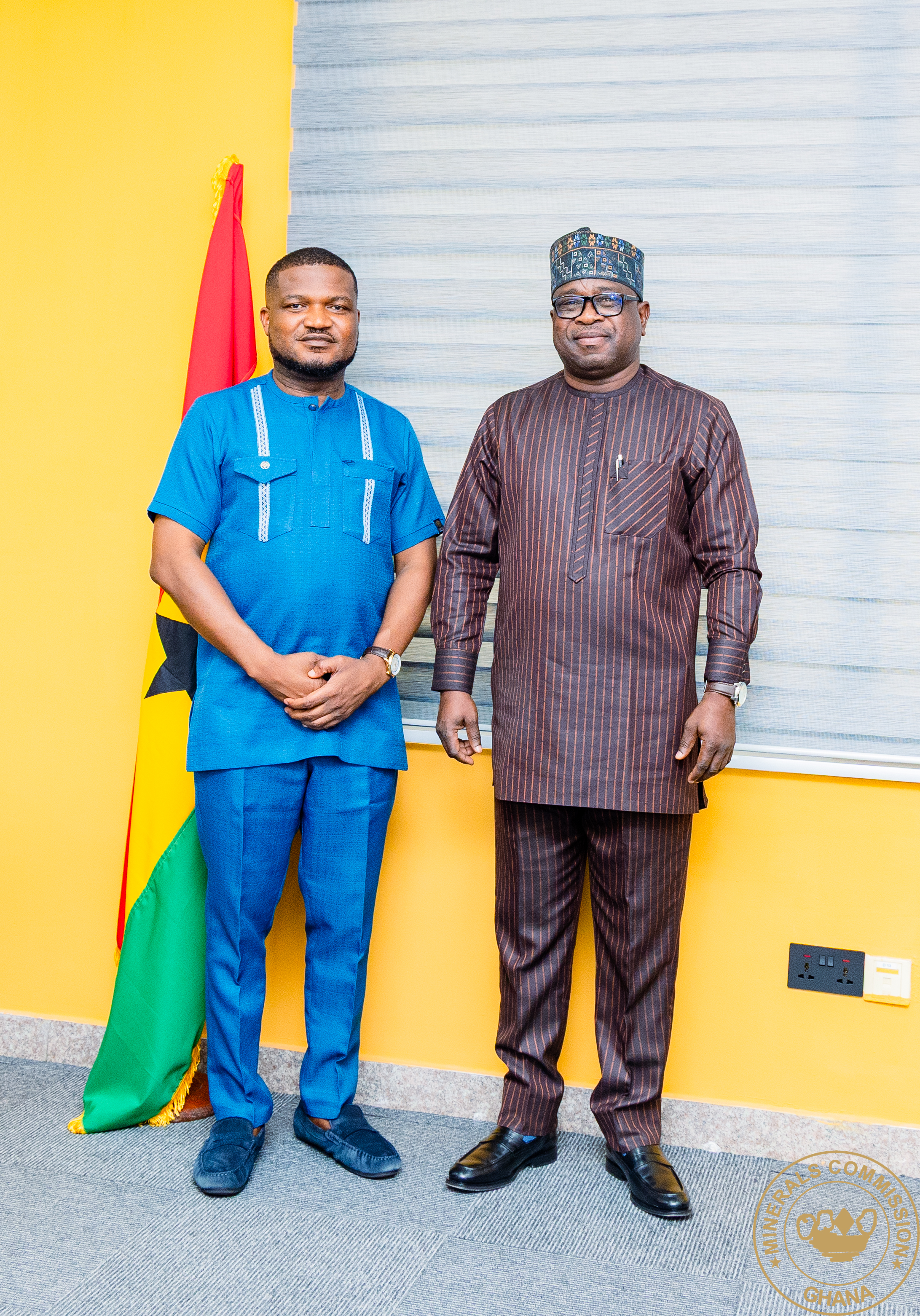
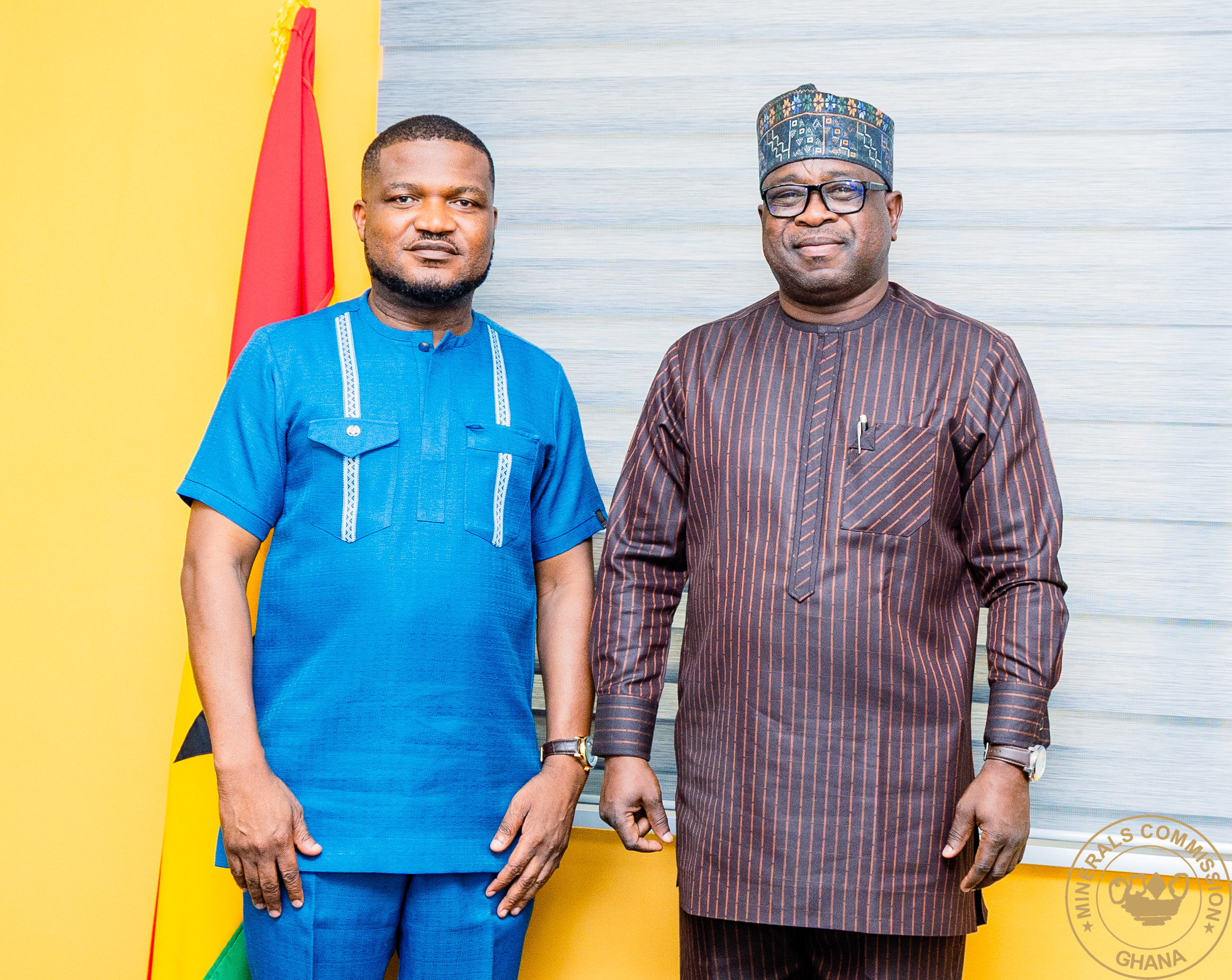
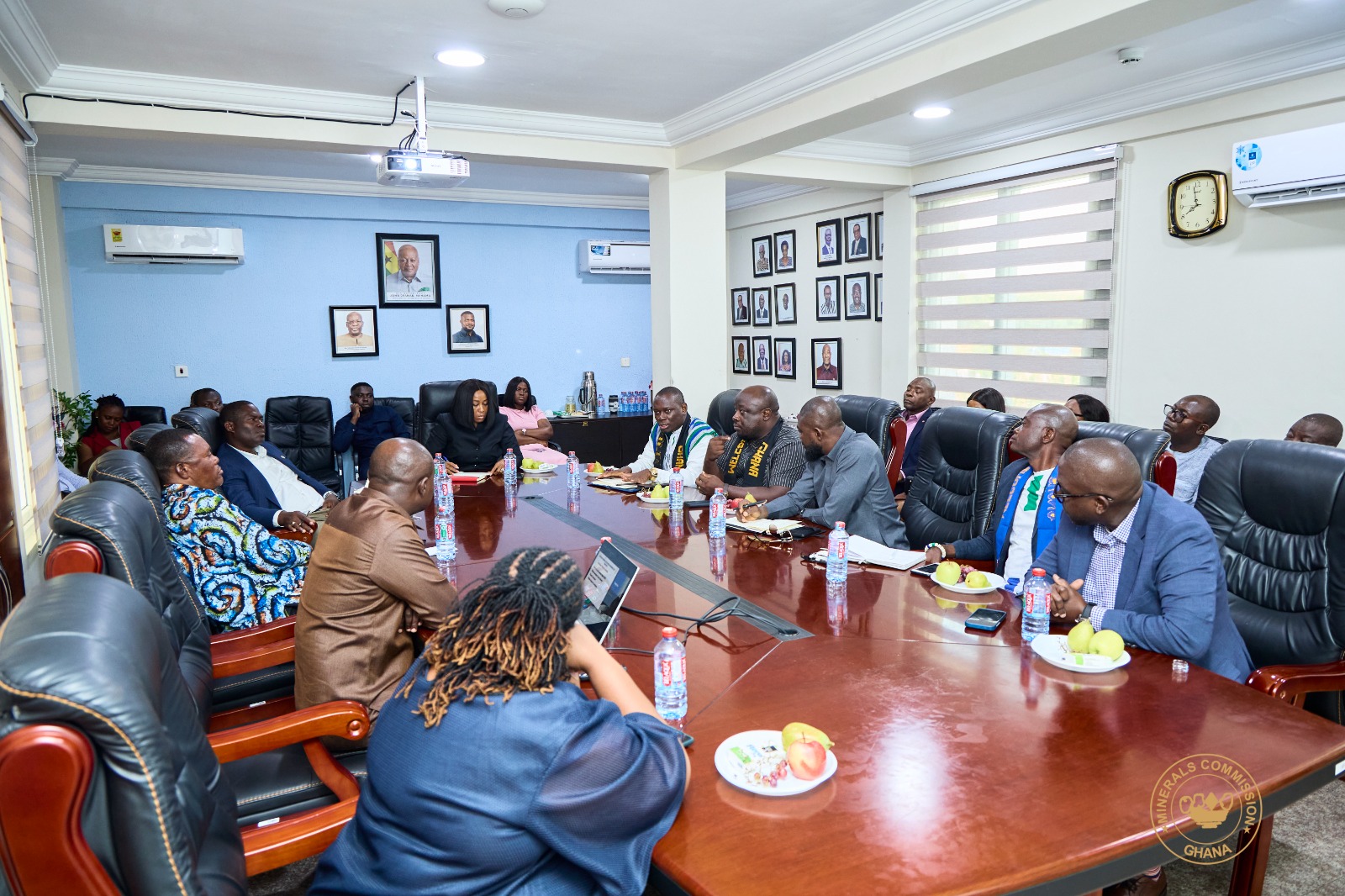
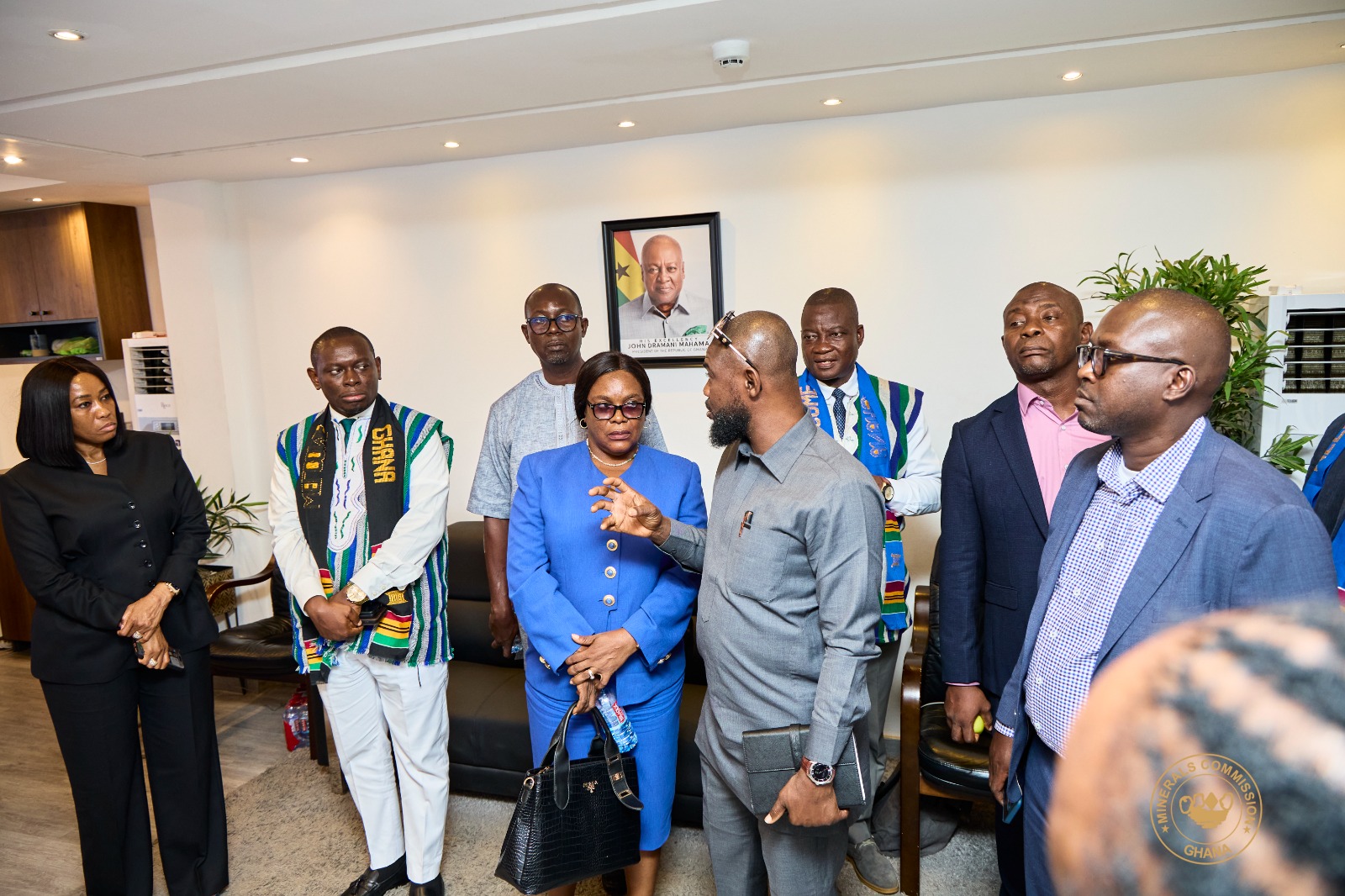
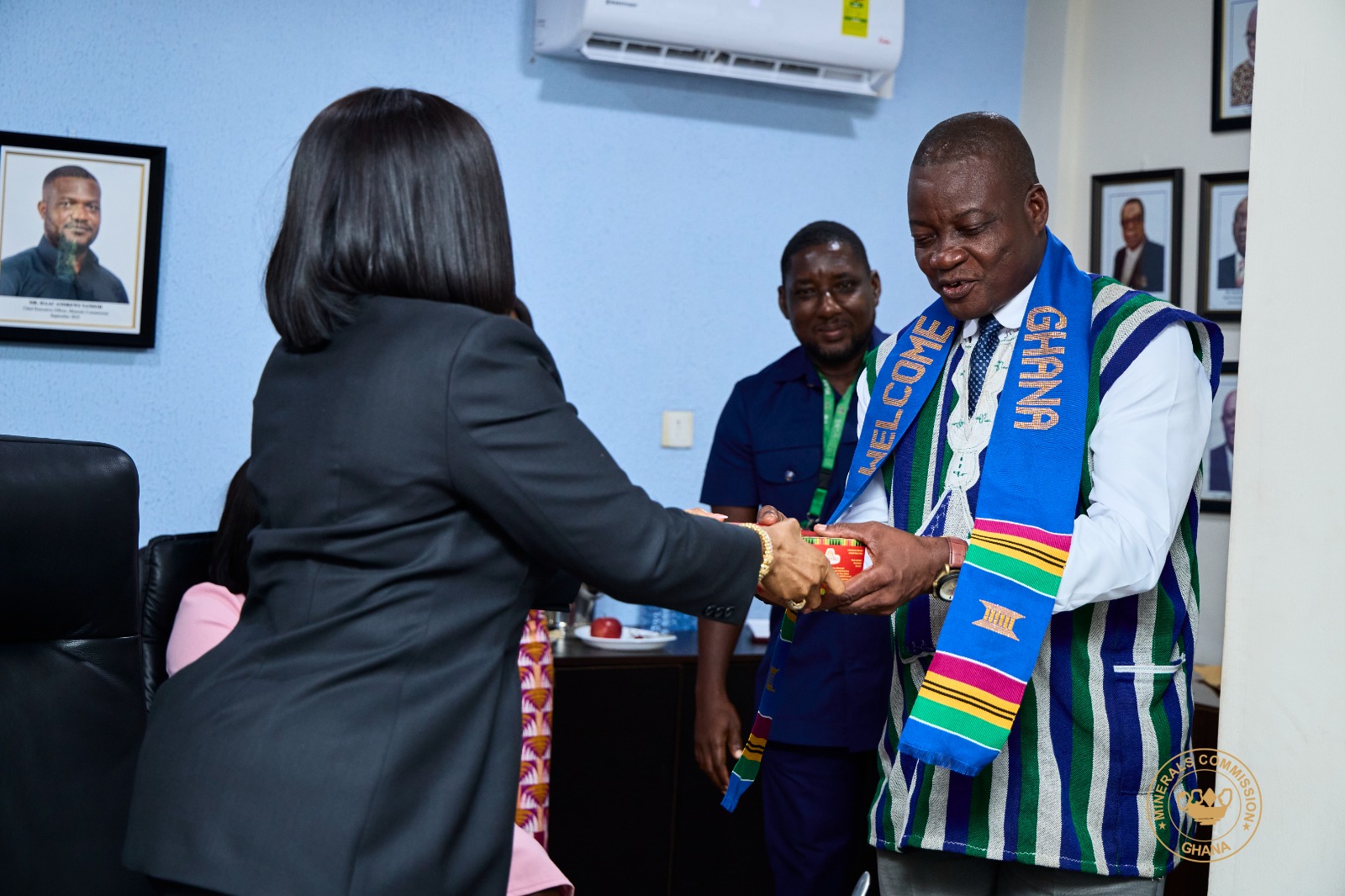
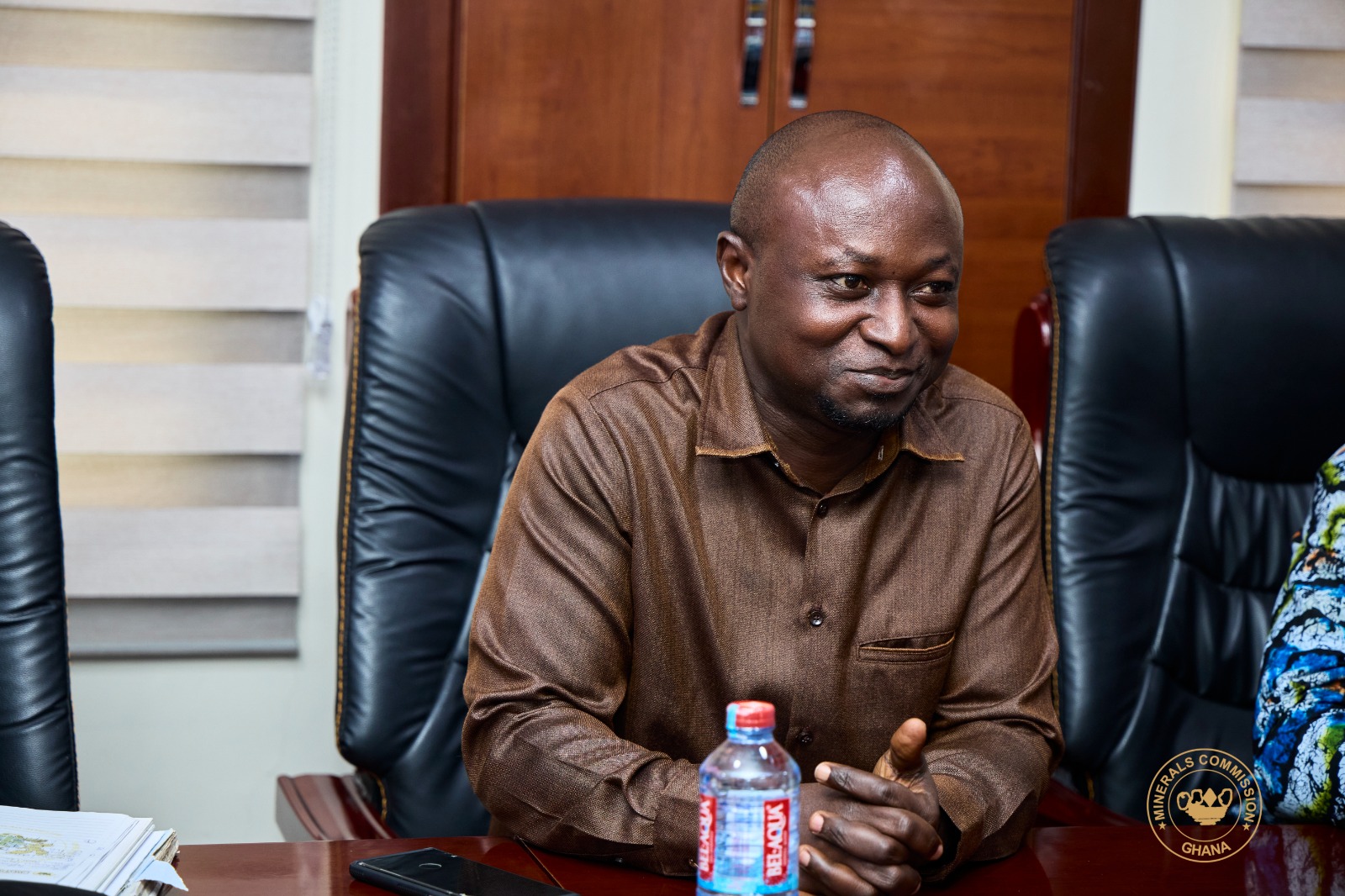
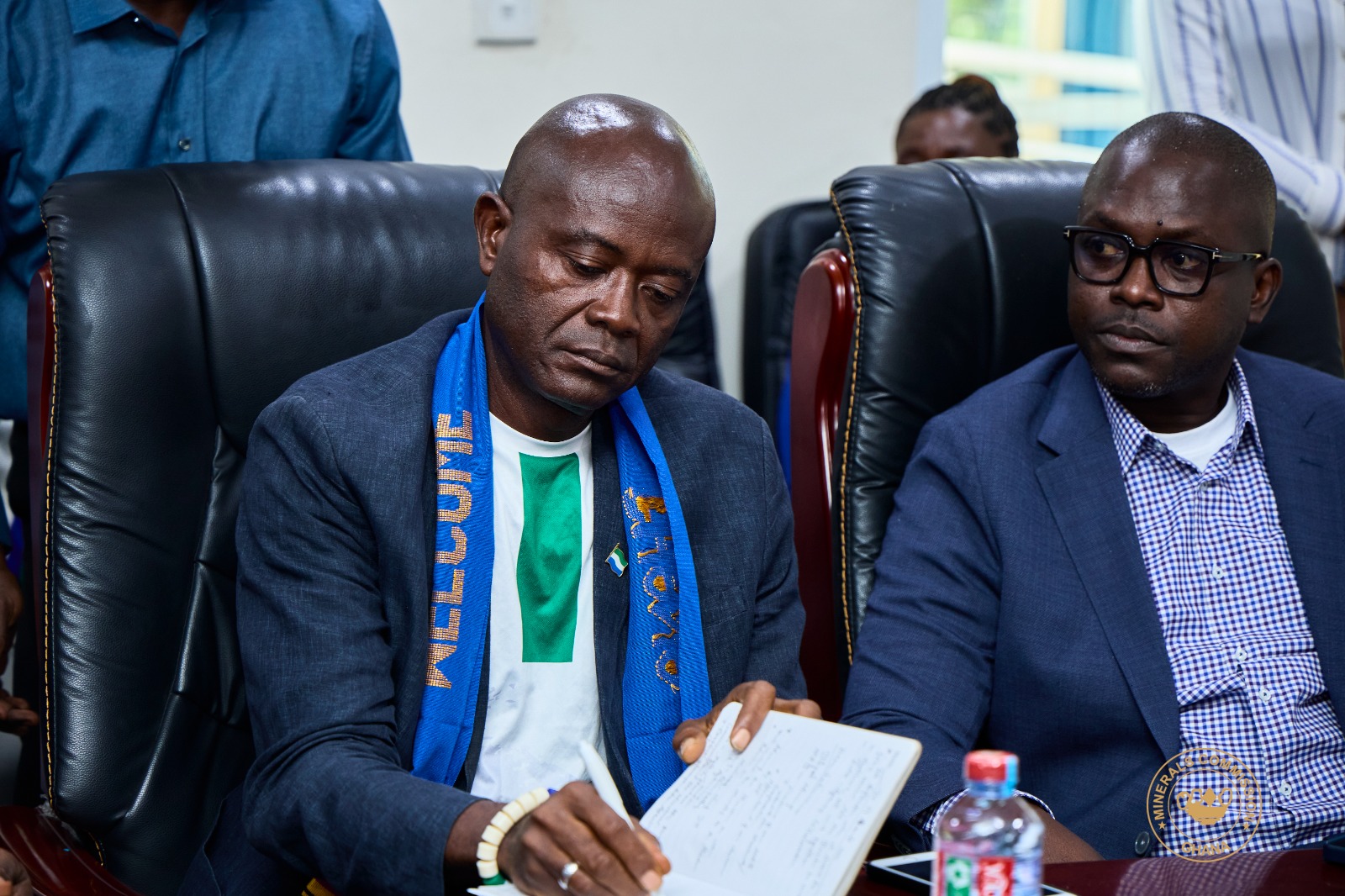
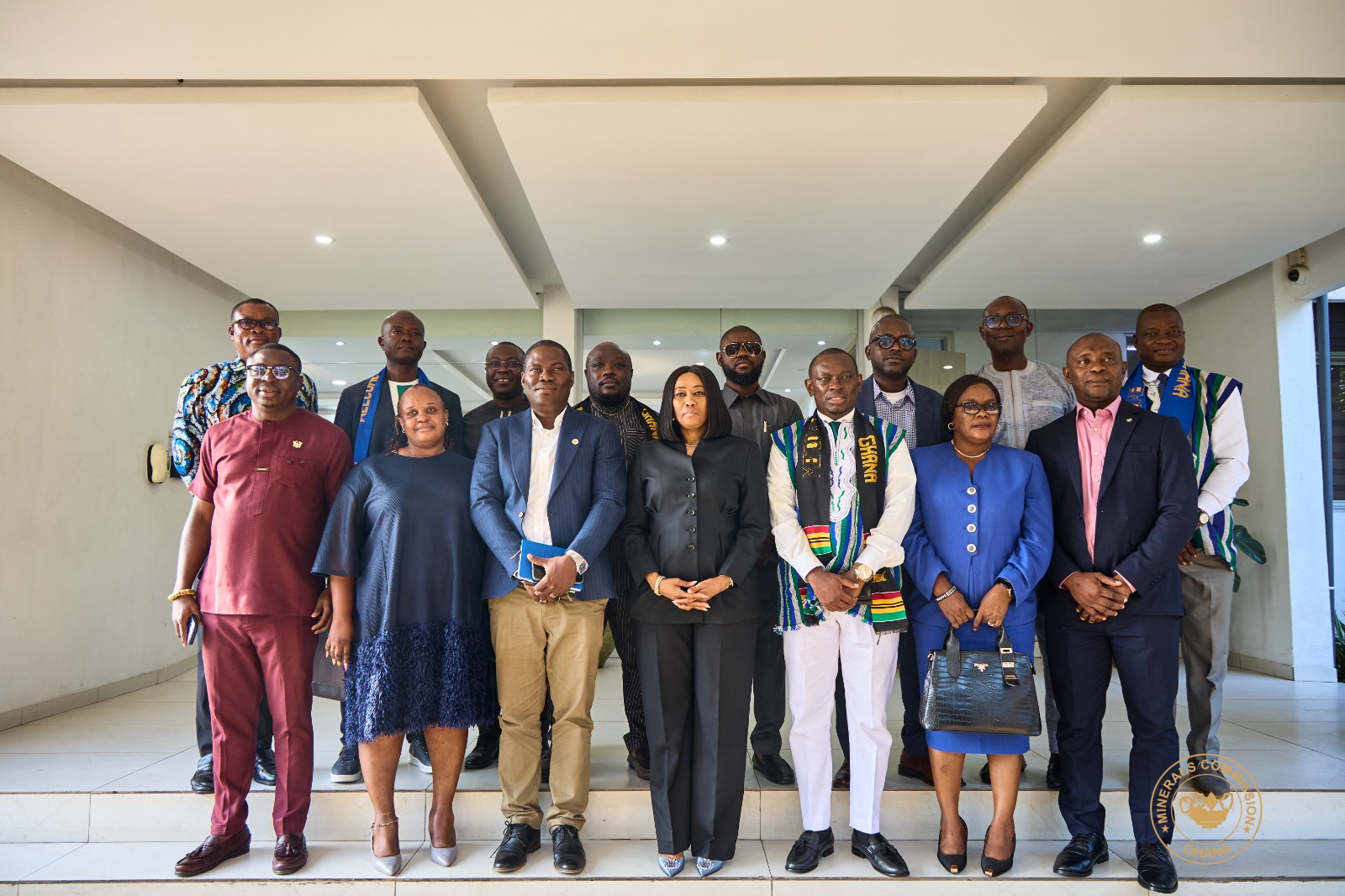
Accra, April 27, 2026 – In a significant move toward West African collaboration, a high-level delegation from Sierra Leone’s Public Sector Reform Unit (PSRU), under the Office of the President, has arrived in Ghana for a two-day study tour at the Minerals Commission. The visit, scheduled for April 27–28, 2026, focuses on institutional strengthening and governance reform to revitalize Sierra Leone’s mining sector.
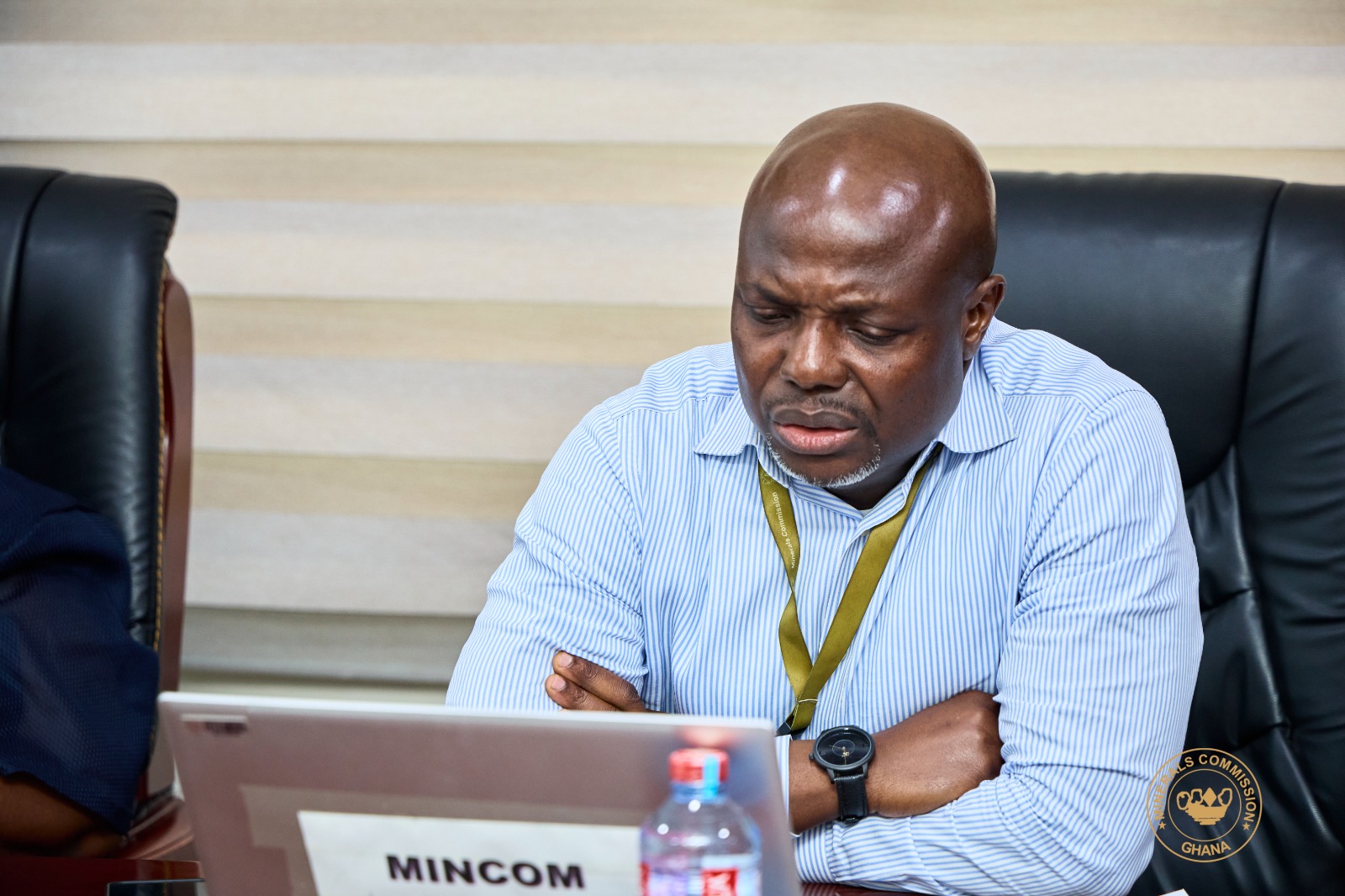
The PSRU delegation is conducting an intensive review of Ghana’s mining administration systems. Central to the agenda are two pillars of Ghana’s regulatory success: the Mining Cadastre Administration System (MCAS) and the licensing regime.
The delegation was welcomed by Madam Victoria Awuni, Deputy CEO for Policy Planning, Mineral Titles and Local Content, who stated: “We are honoured to host our Sierra Leonean counterparts. We are confident that the robust systems we have built, particularly our digital cadastre and tiered licensing regime, will accelerate their reform agenda.”
Discussions centered on the MCAS framework, mineral titles operations, and the legal processes for administering mineral rights in Ghana. These systems have been pivotal in enhancing transparency, curbing illegal mining through digital oversight, and streamlining the allocation of mineral rights.
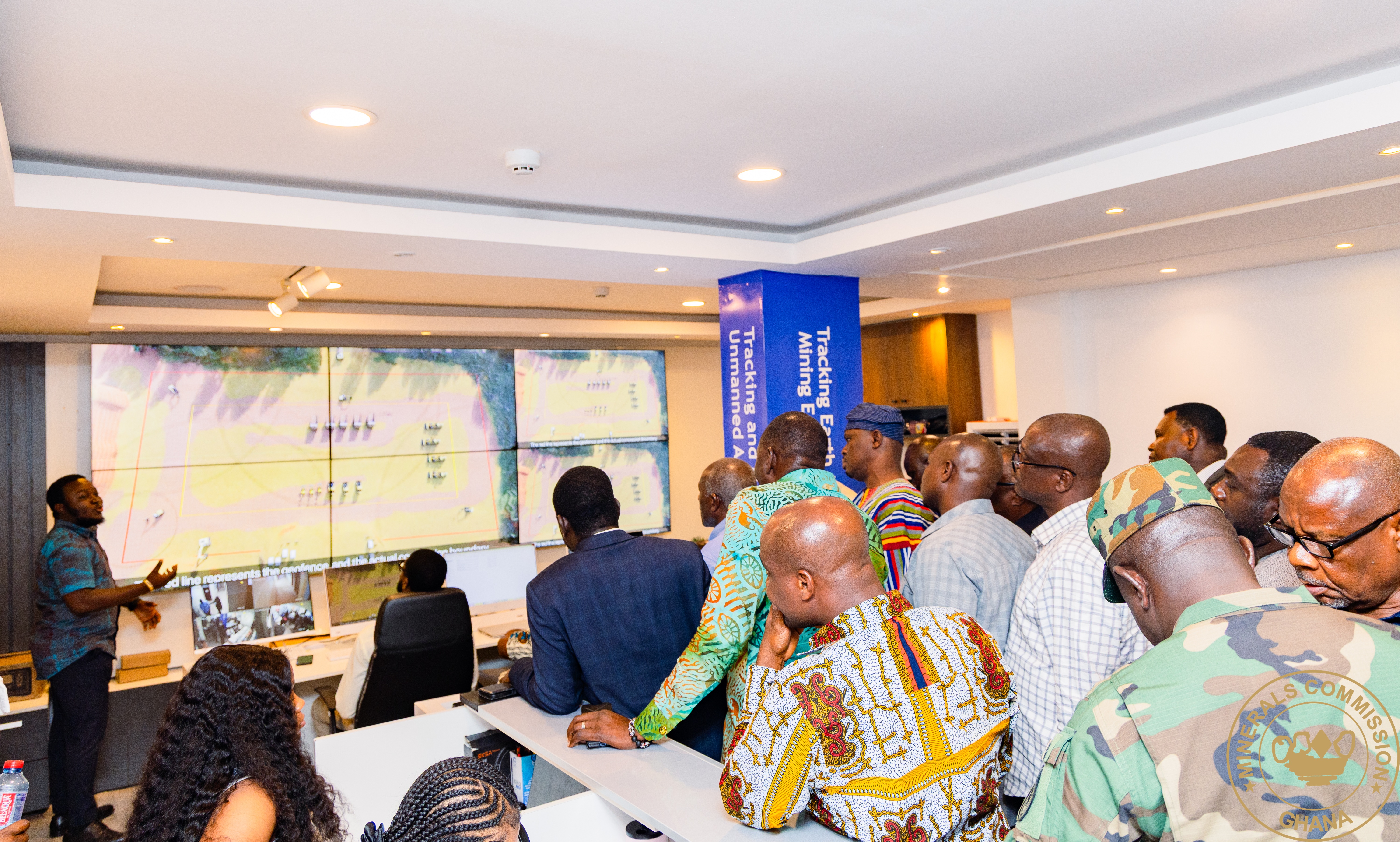
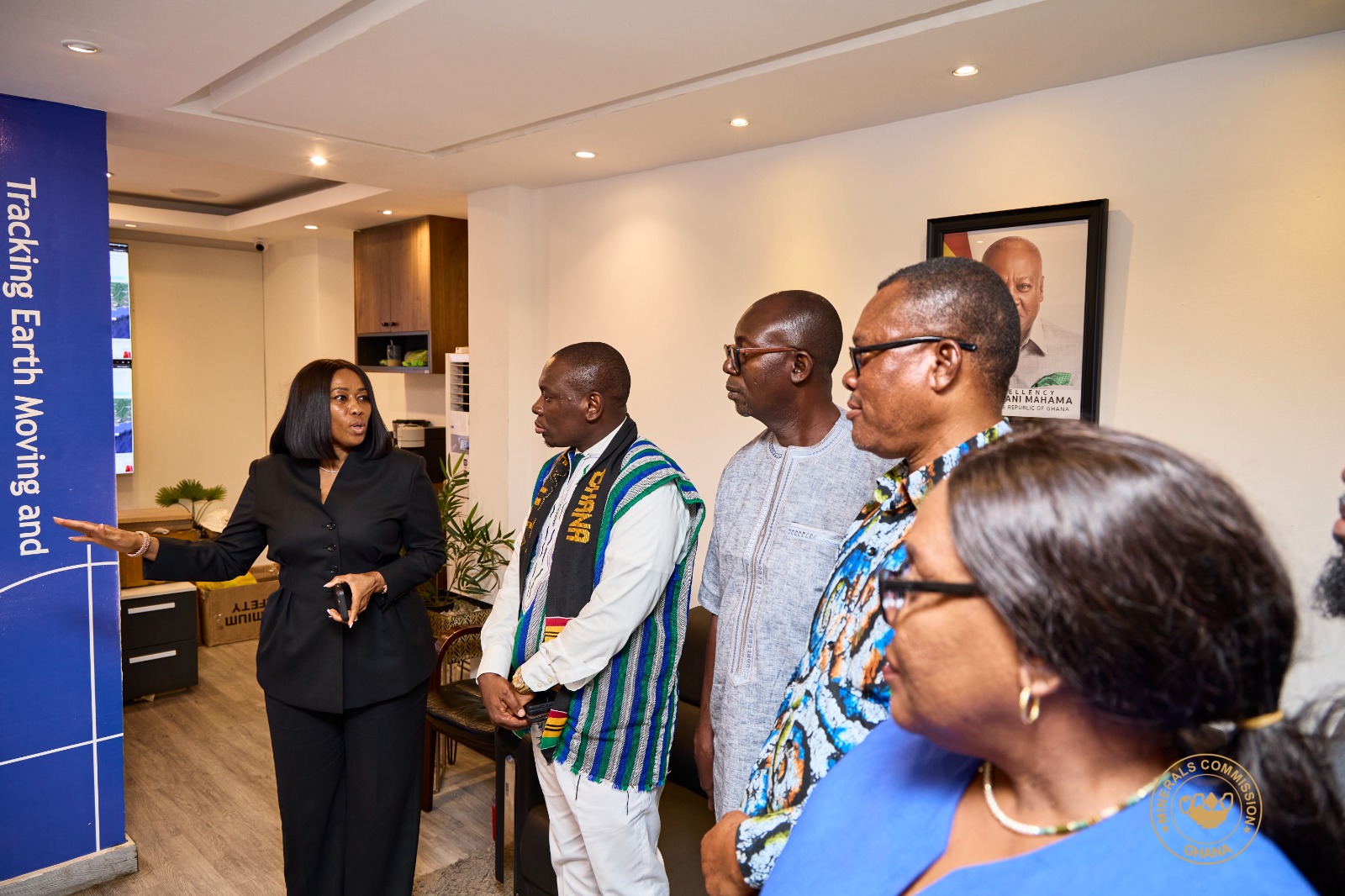
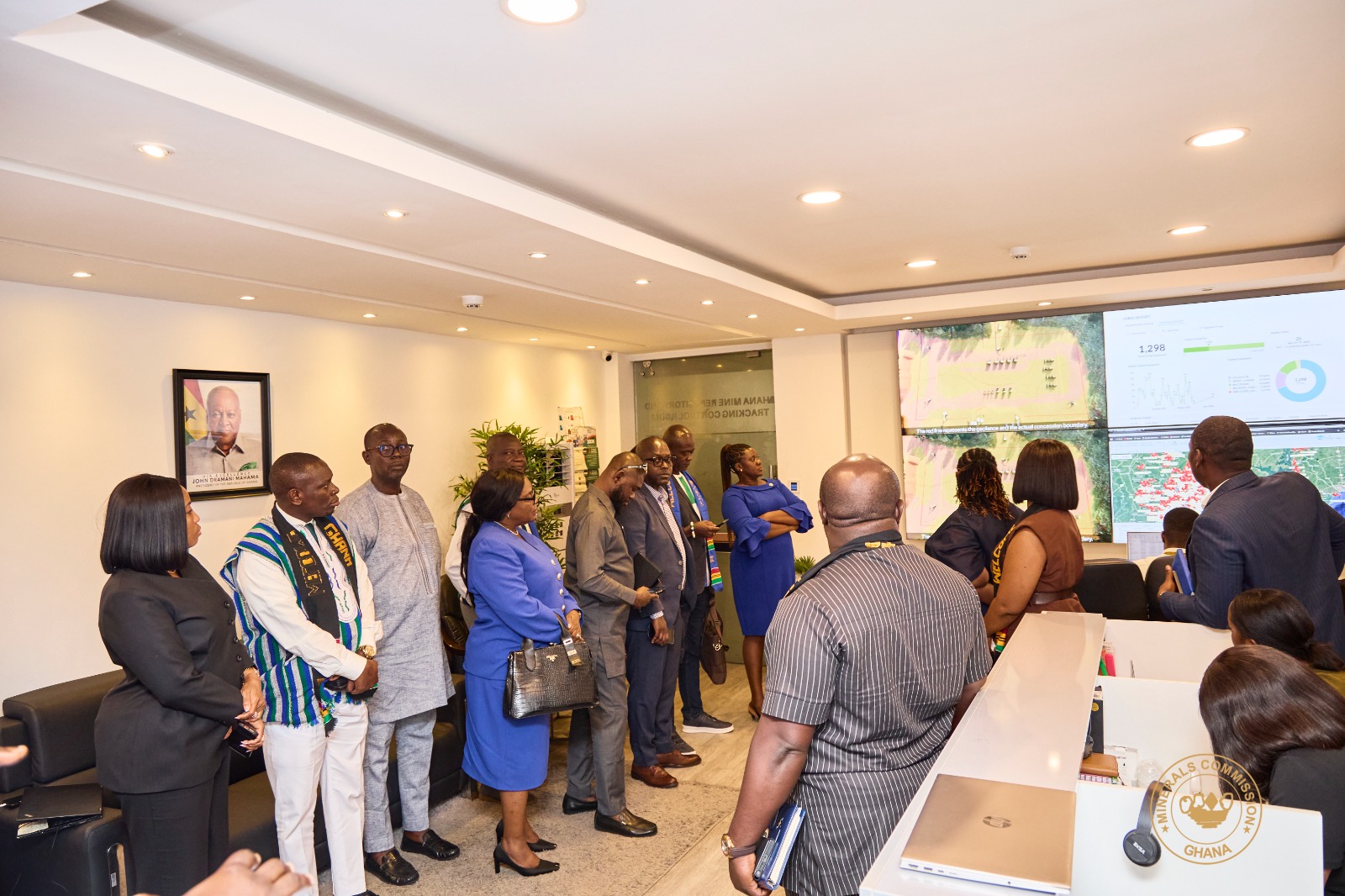
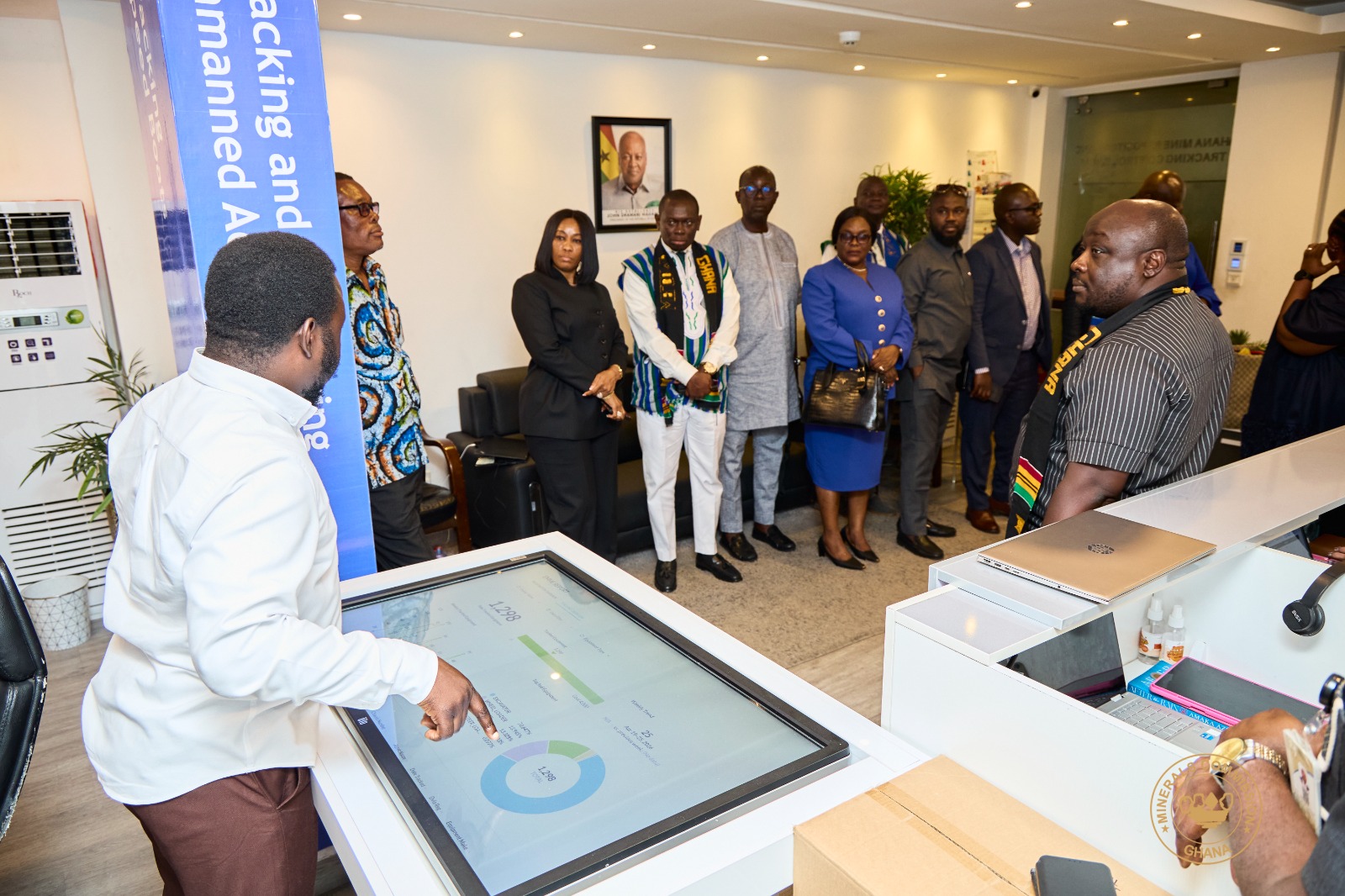
The delegation toured the Commission’s state-of-the-art control room, a 24/7 facility dedicated to tracking earth-moving equipment used in mining operations. The facility remotely monitors equipment through geo-fencing, ensuring machinery remains within designated concessions to prevent illegal activities and environmental degradation.
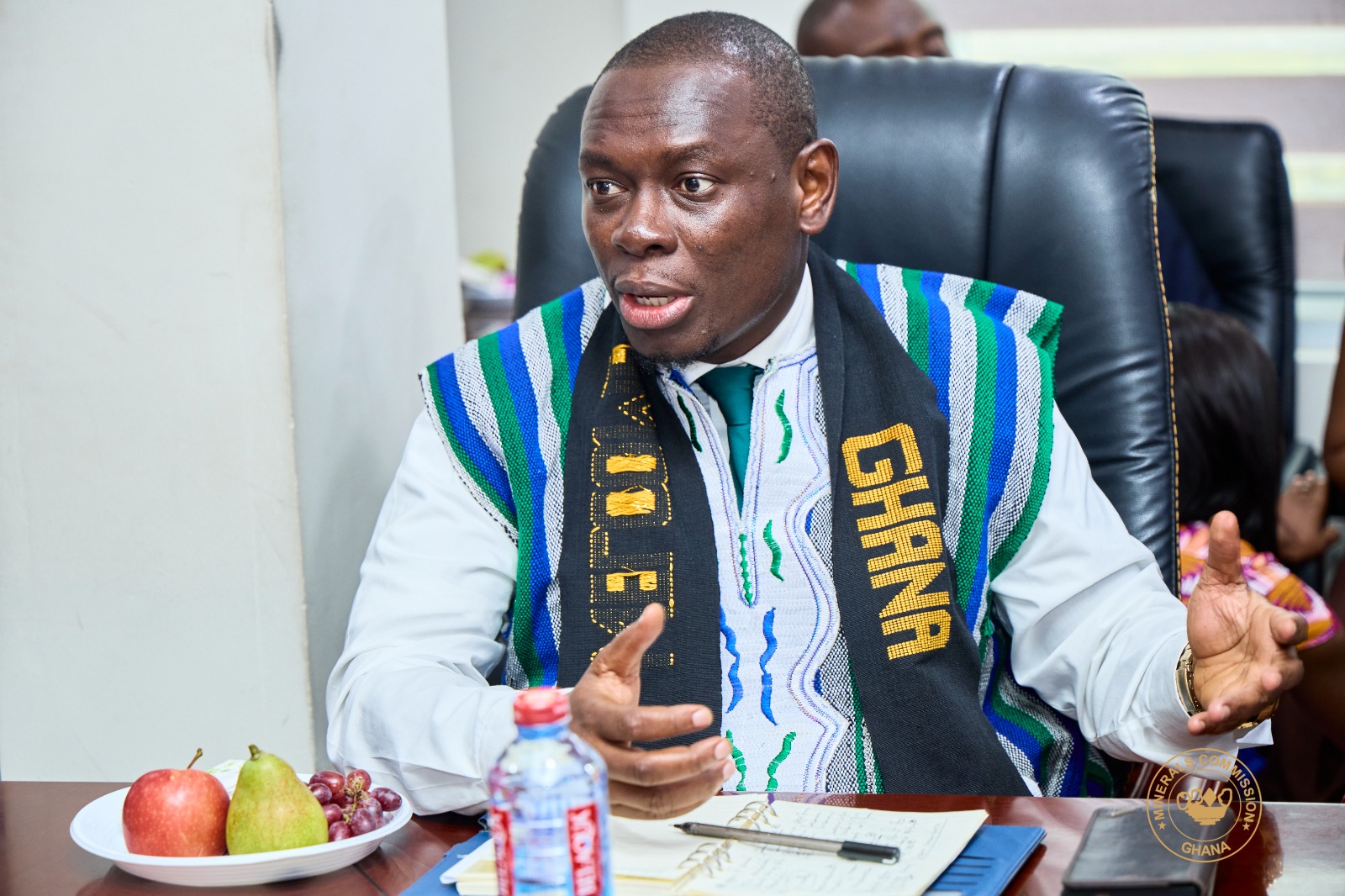
Delegation leader Mr. Sulaiman Phoray-Musa, Director of the Public Sector Reform Unit, Office of the President, expressed appreciation for the engagement. He noted that Sierra Leone is actively restructuring its public sector for greater efficiency, adding that Ghana’s model presents a proven pathway for transforming mineral wealth into sustainable national development. The PSRU’s focus on the Commission underscores growing recognition that administrative reform is the bedrock of resource sector integrity.
Beyond policy discussions, the tour includes a practical field component. The delegation will visit an active large-scale mining operation to gain firsthand insight into Ghana’s regulatory enforcement, environmental compliance, and community engagement models. The visit will conclude on April 28, 2026, with both nations committing to ongoing technical exchanges and joint capacity-building initiatives.
END
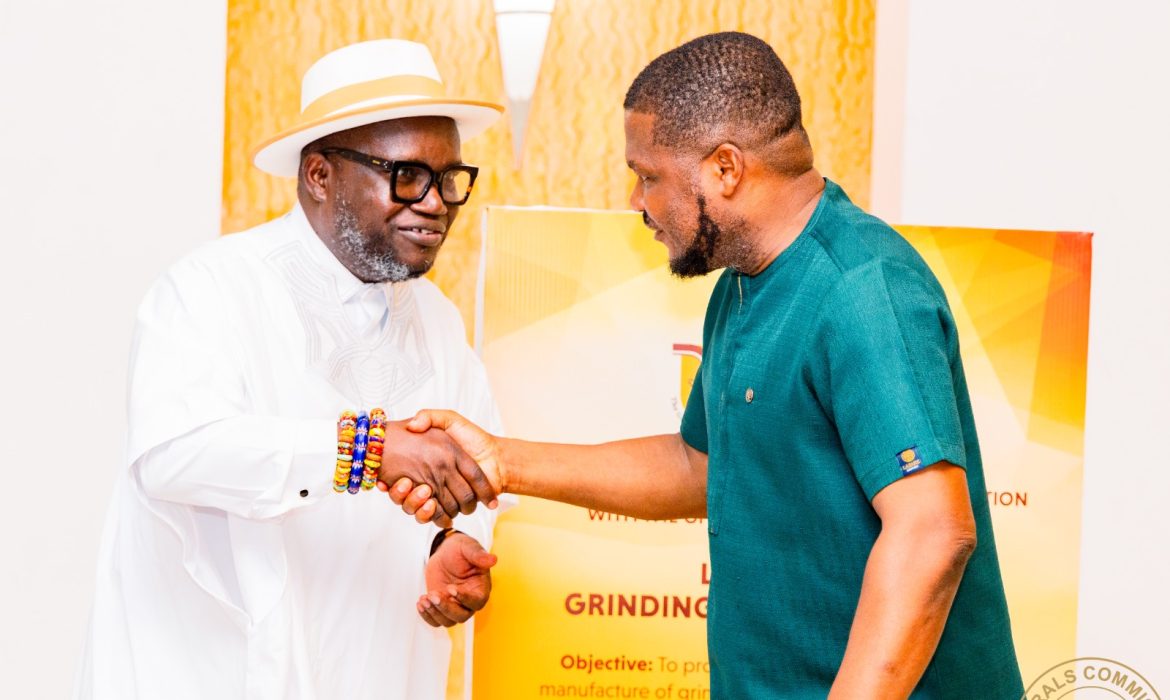
From Import Dependency to National Standards-Strengthening Ghana’s Mining Value Chain
From Import Dependency to National Standards: Strengthening Ghana’s Mining Value Chain
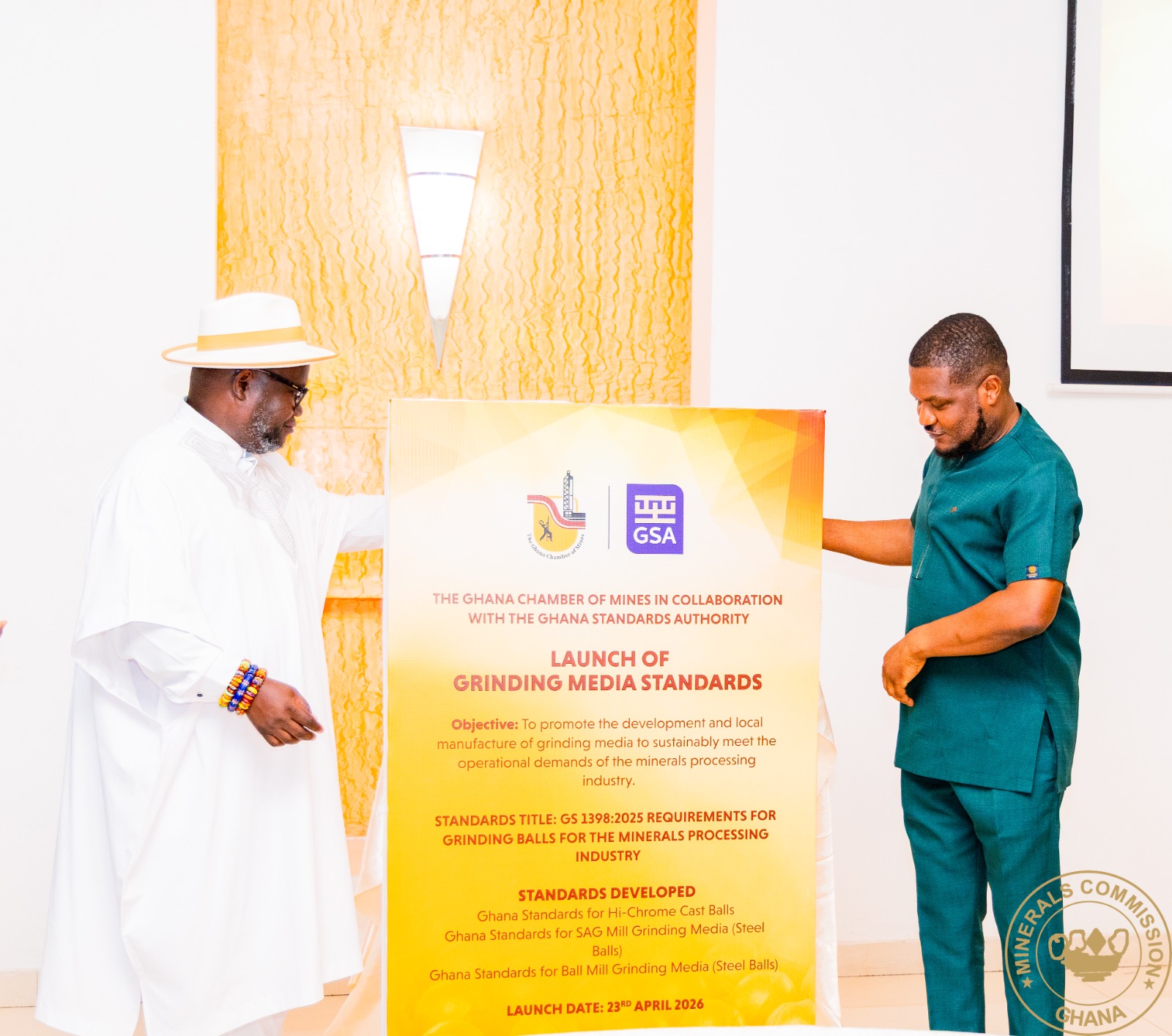
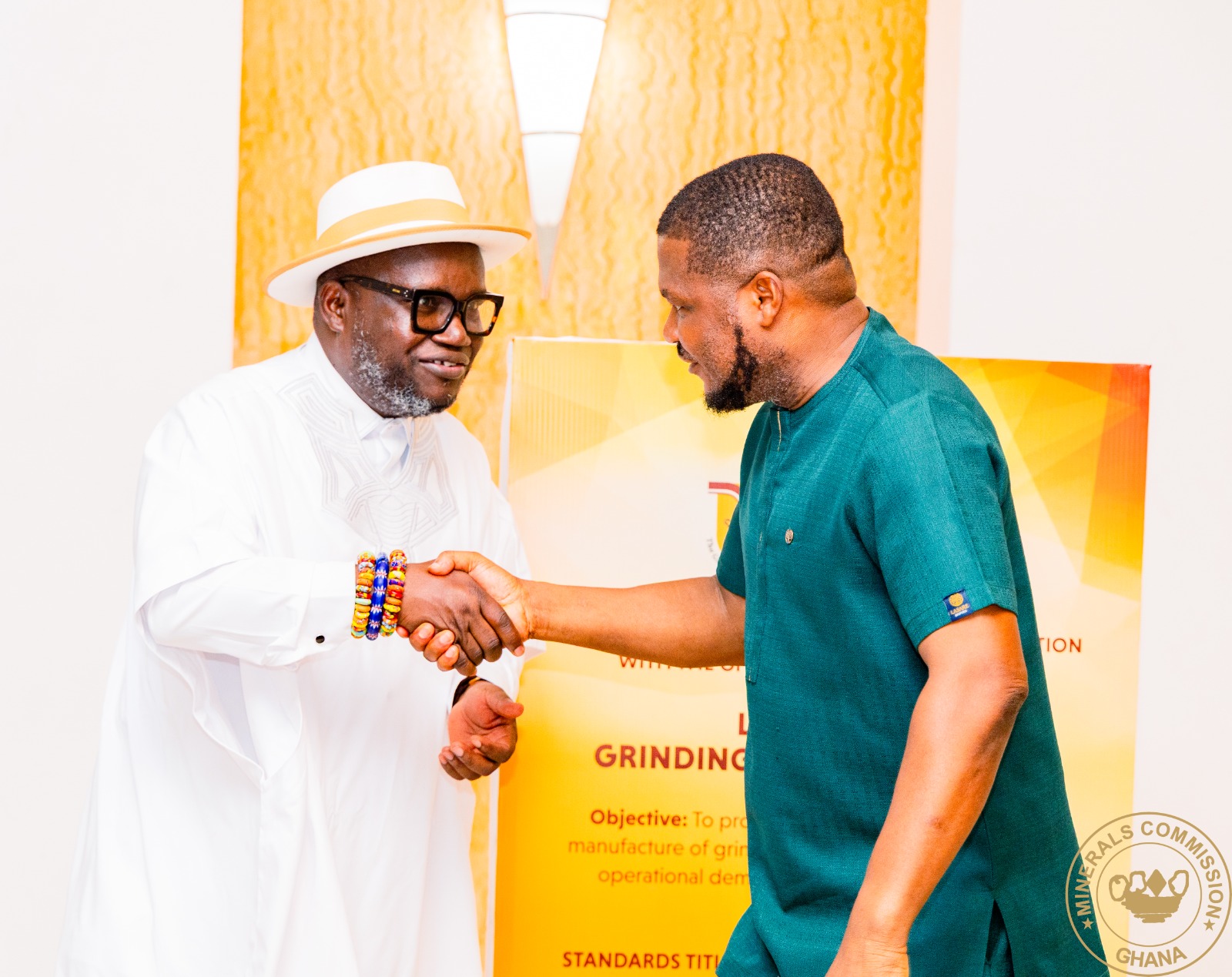
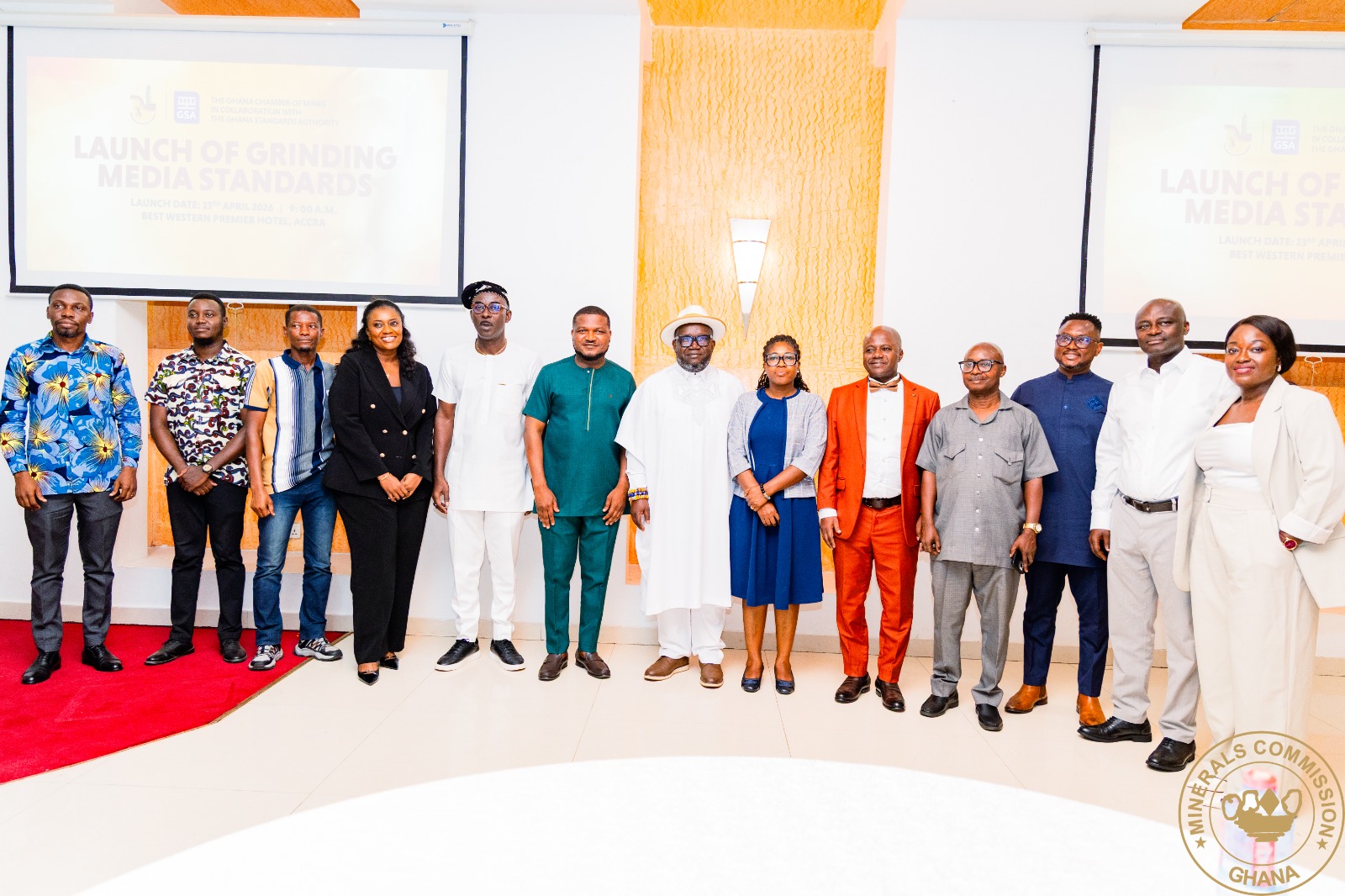
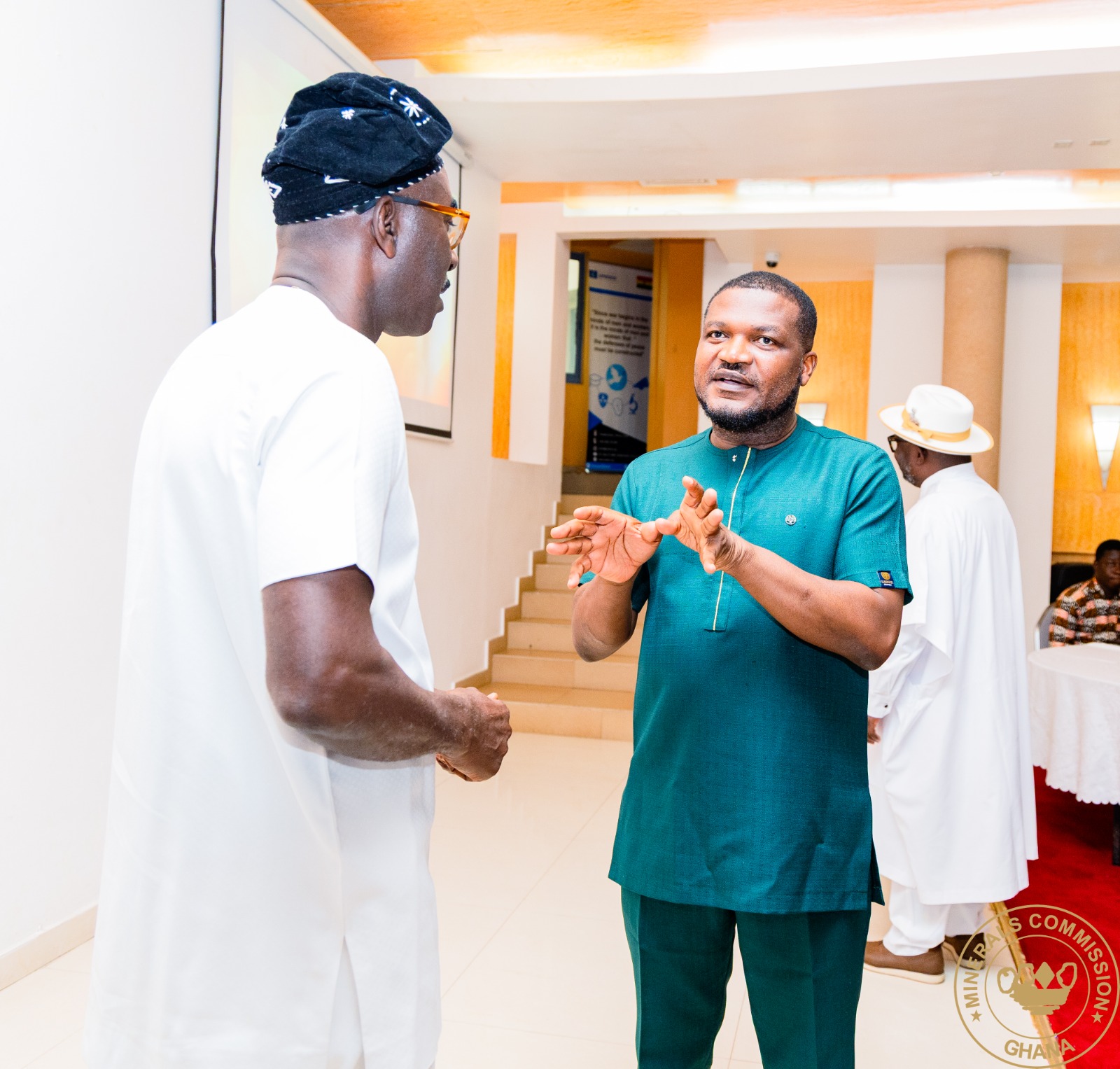
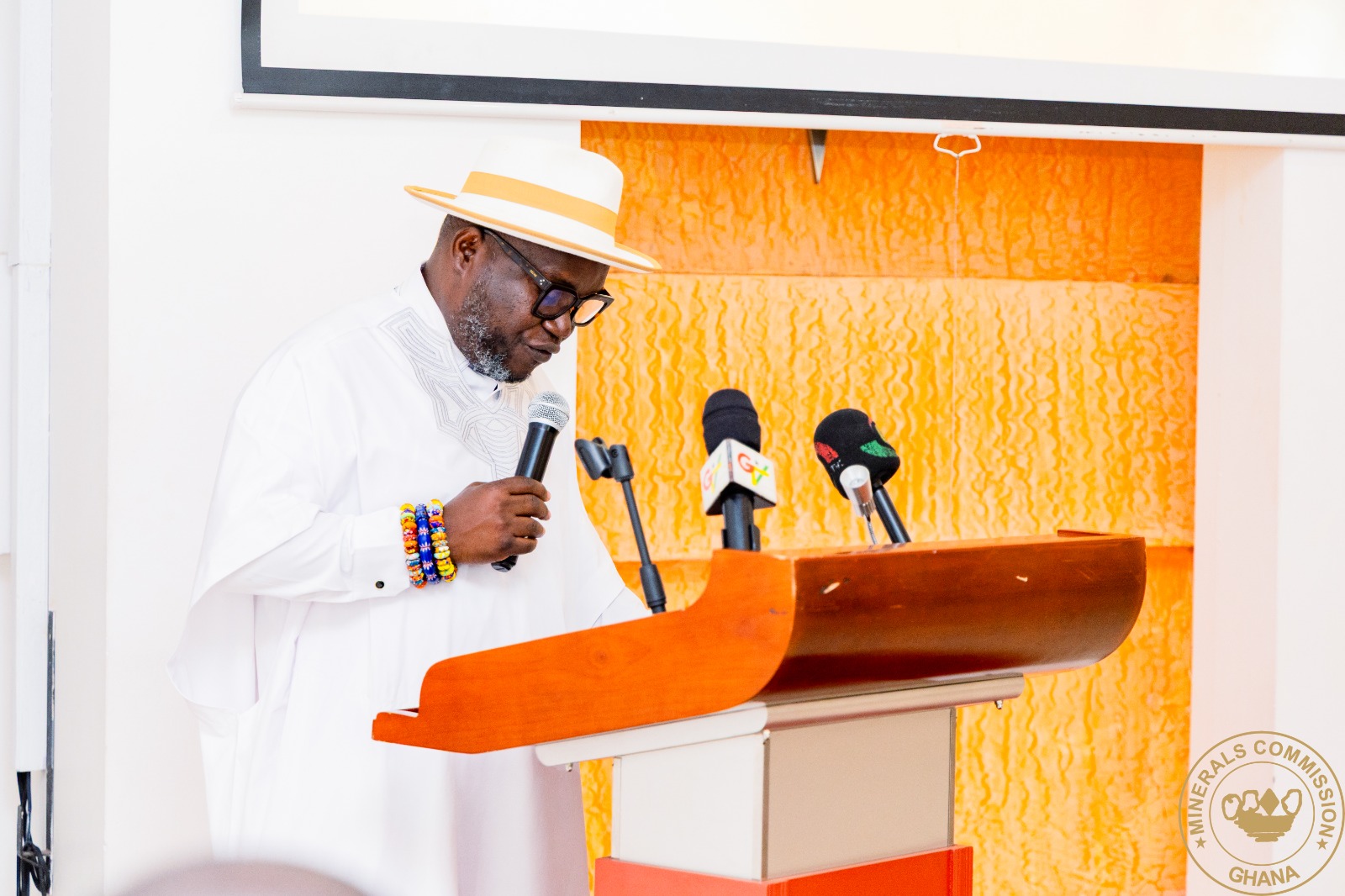
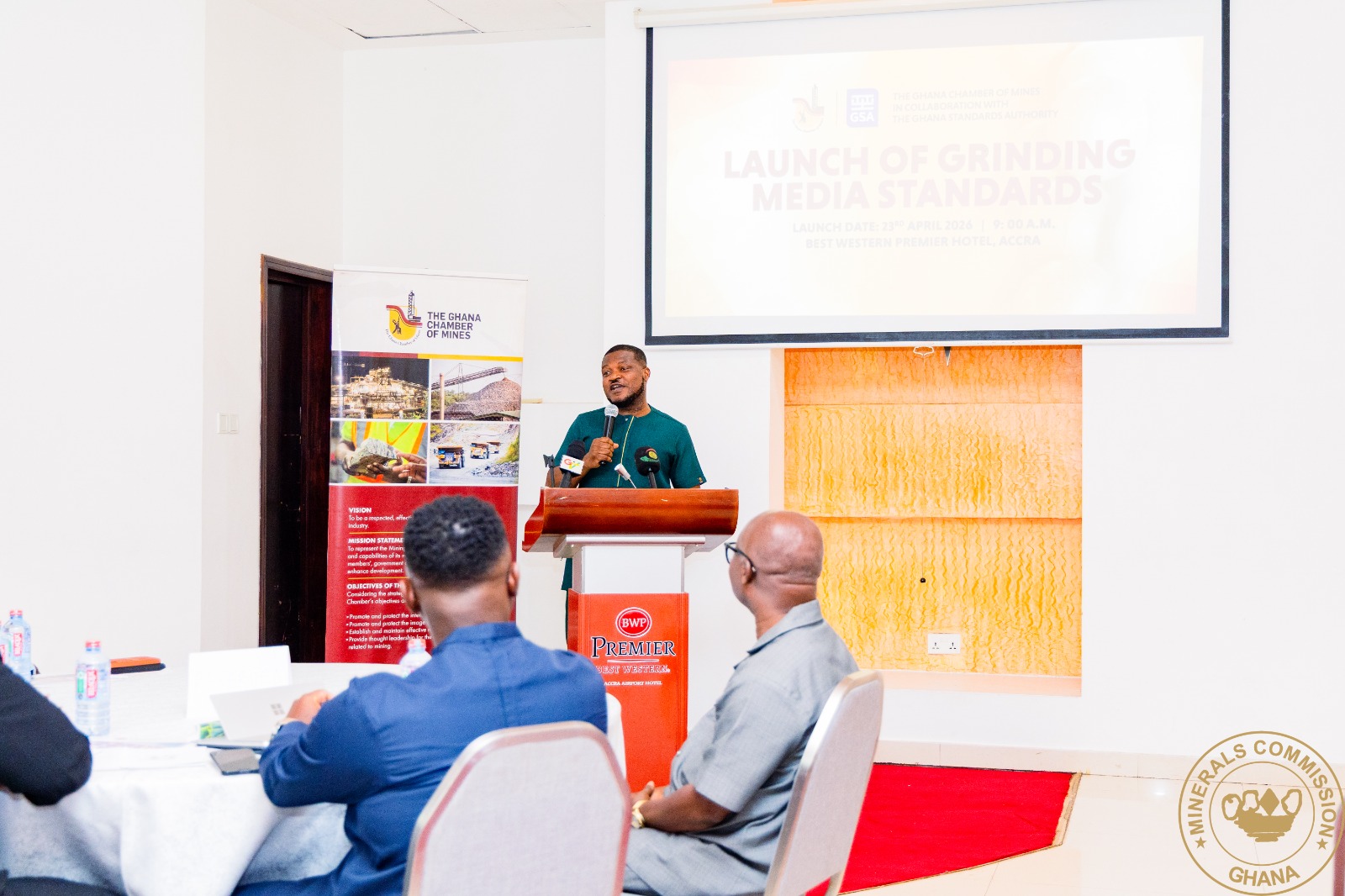
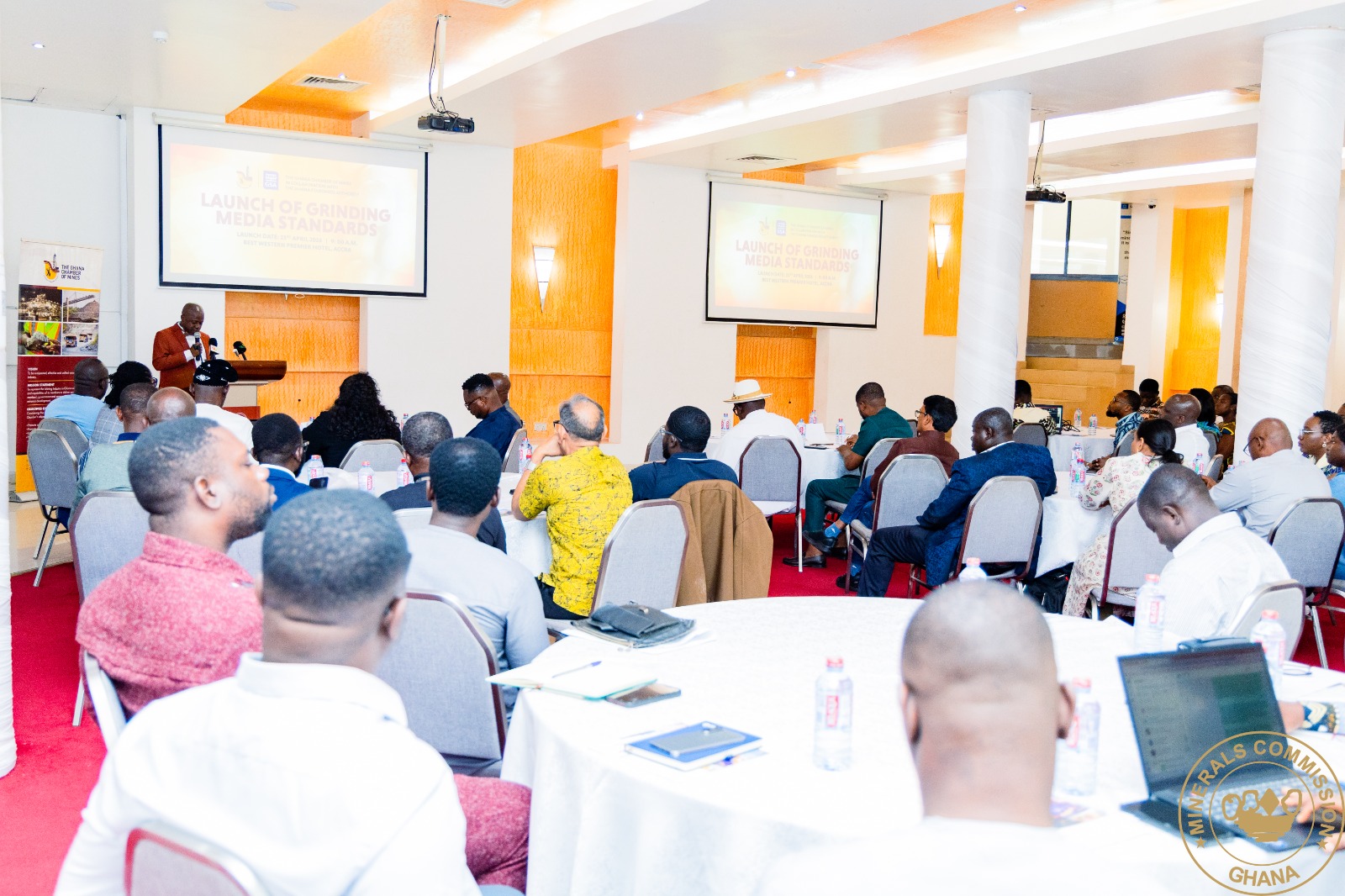
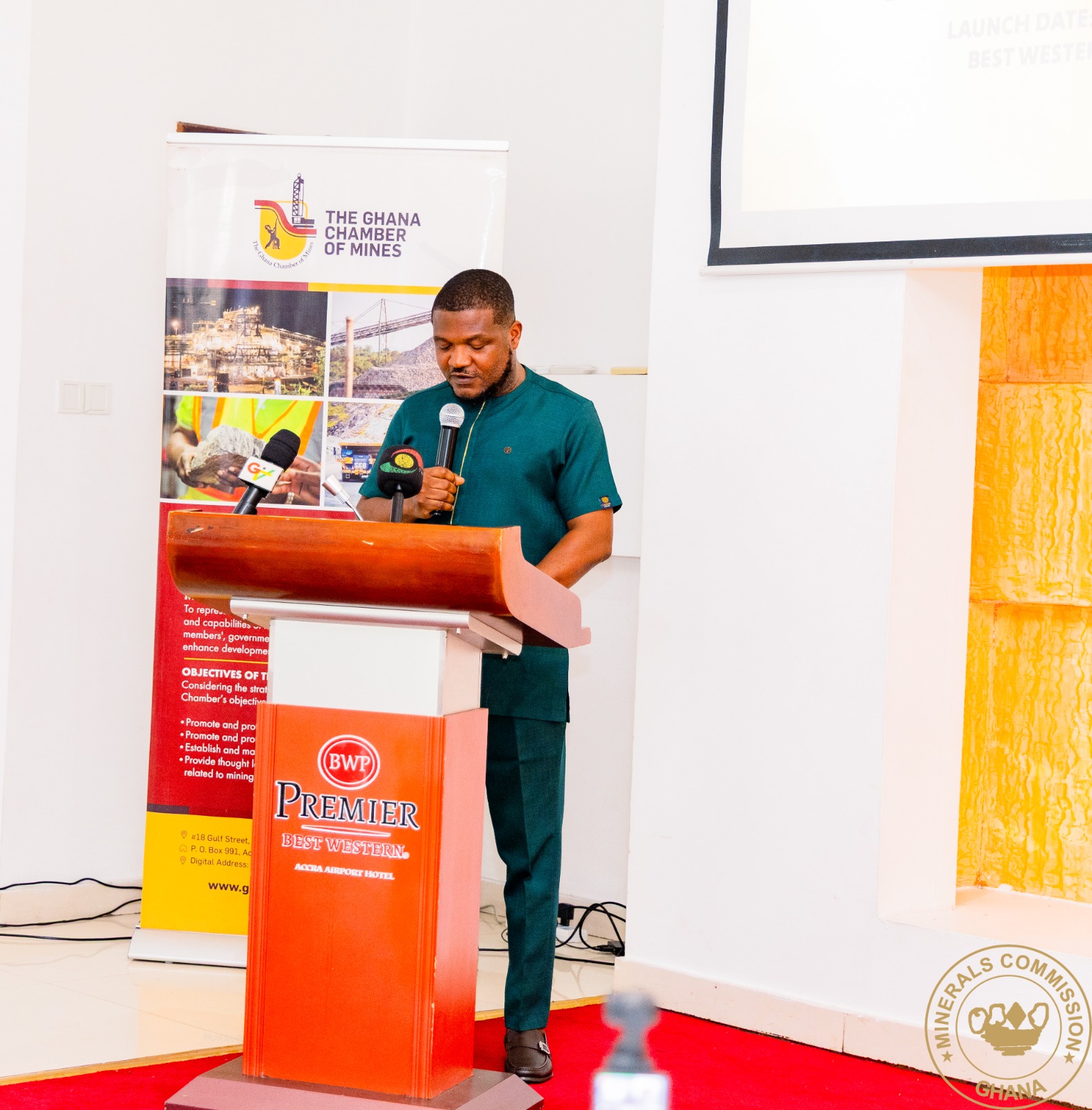
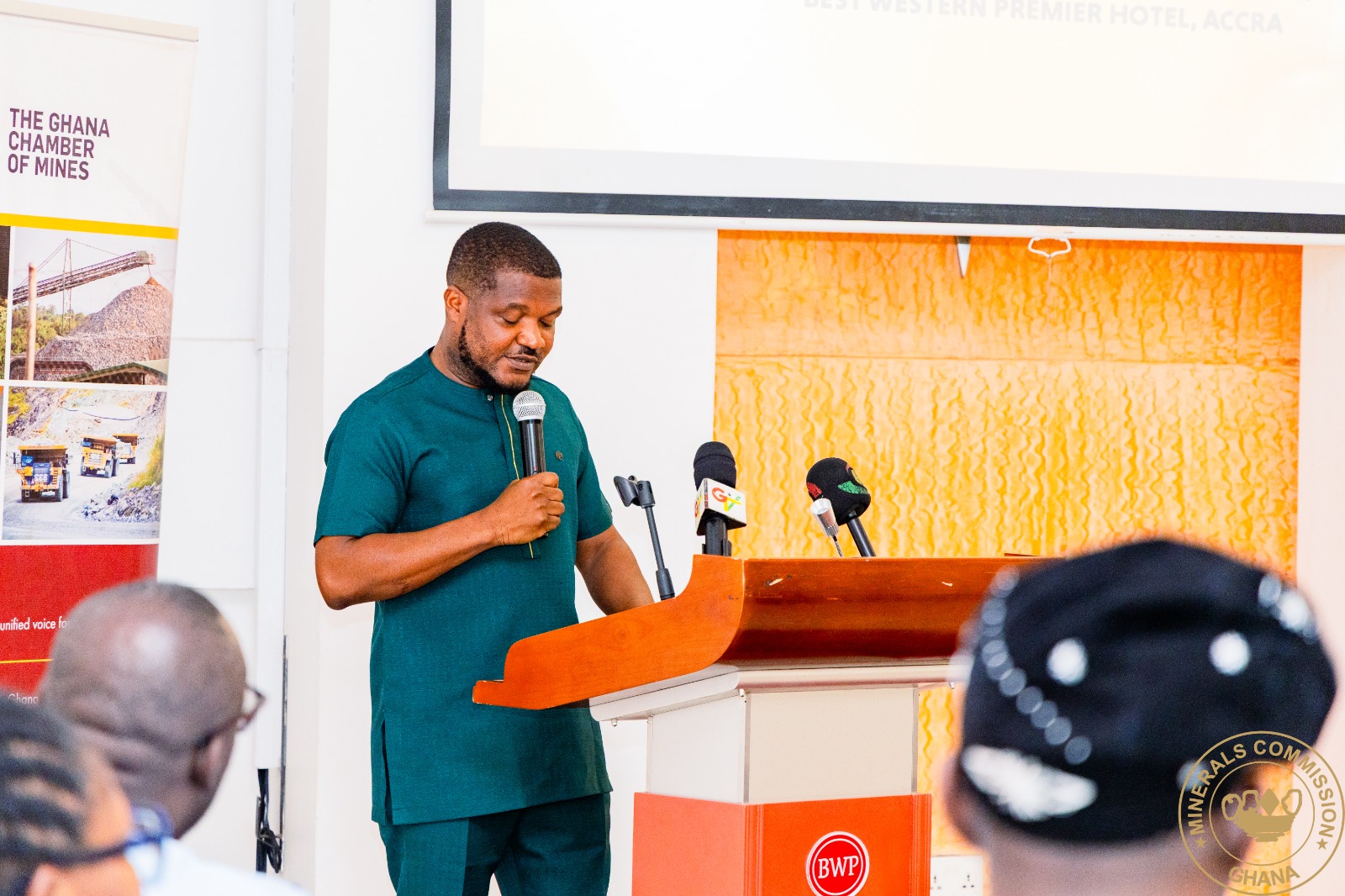
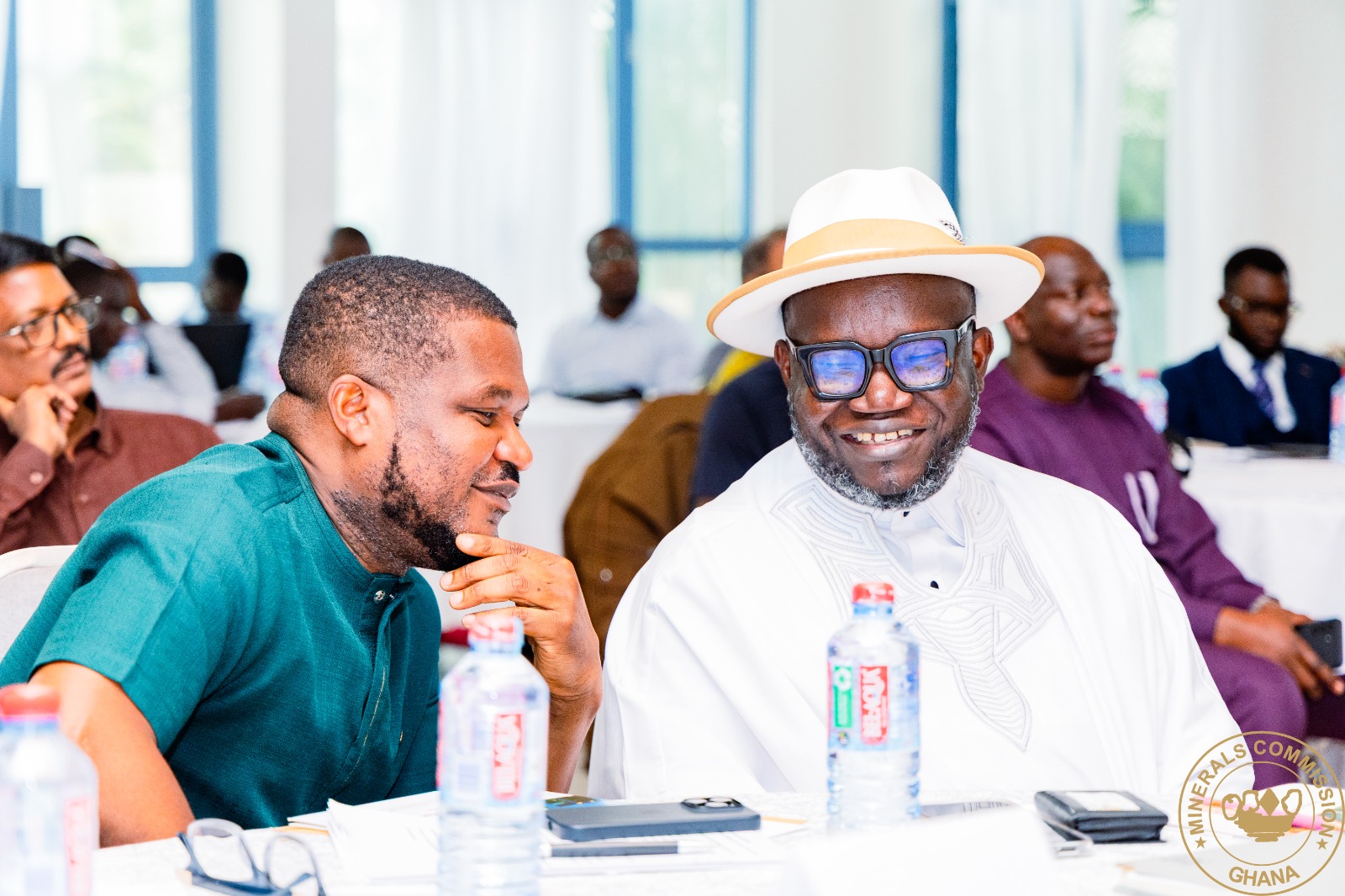
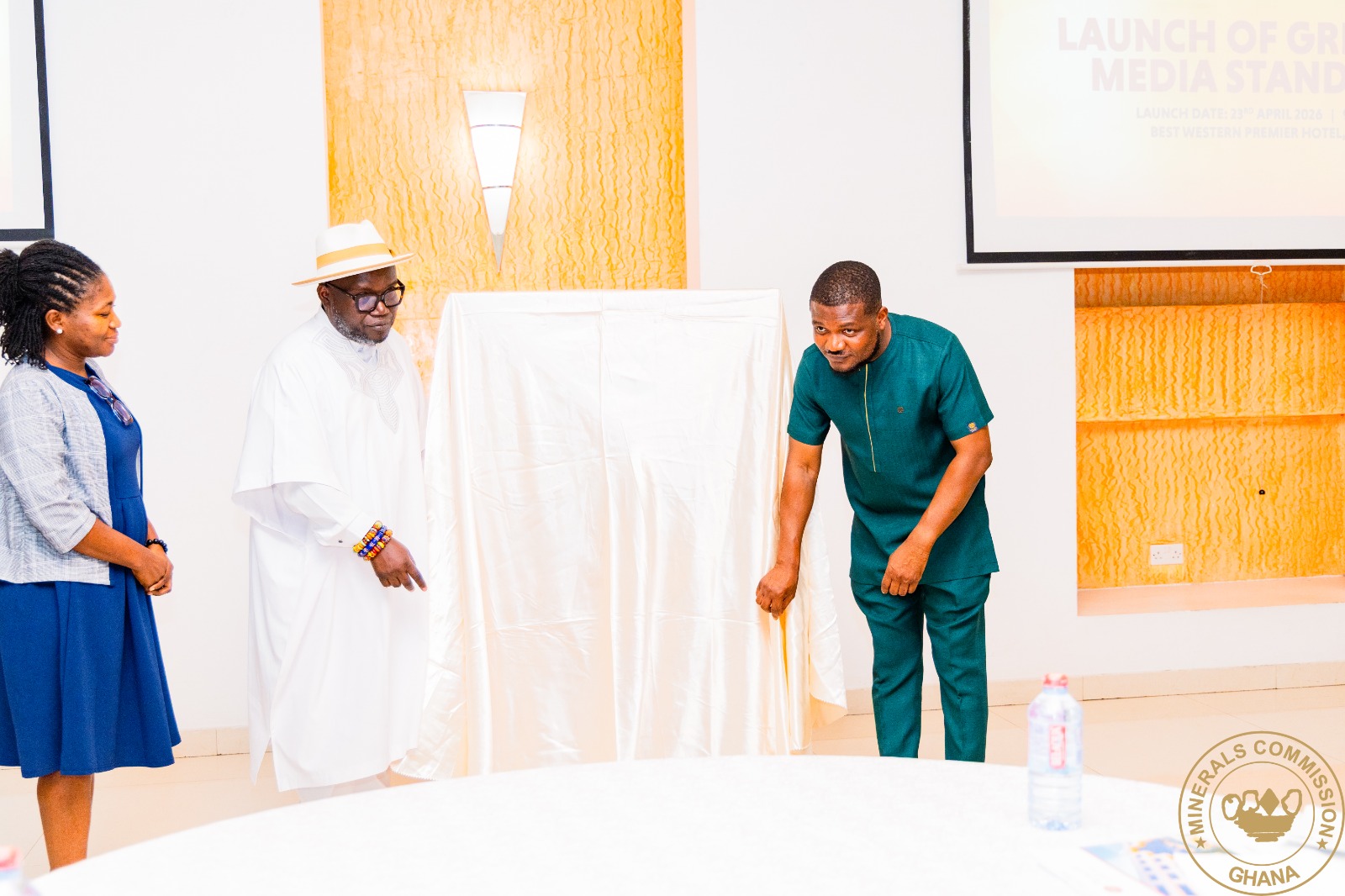
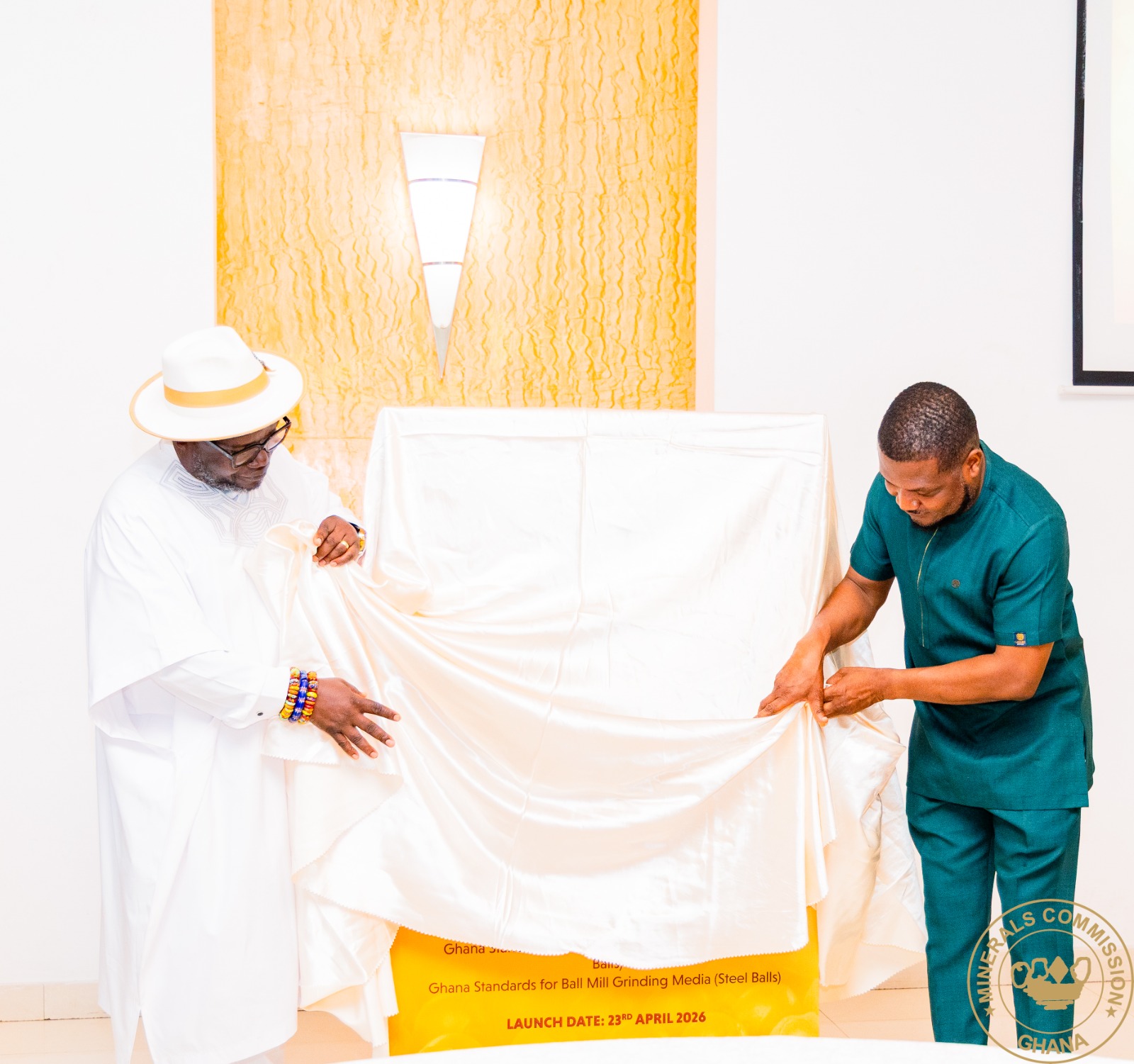
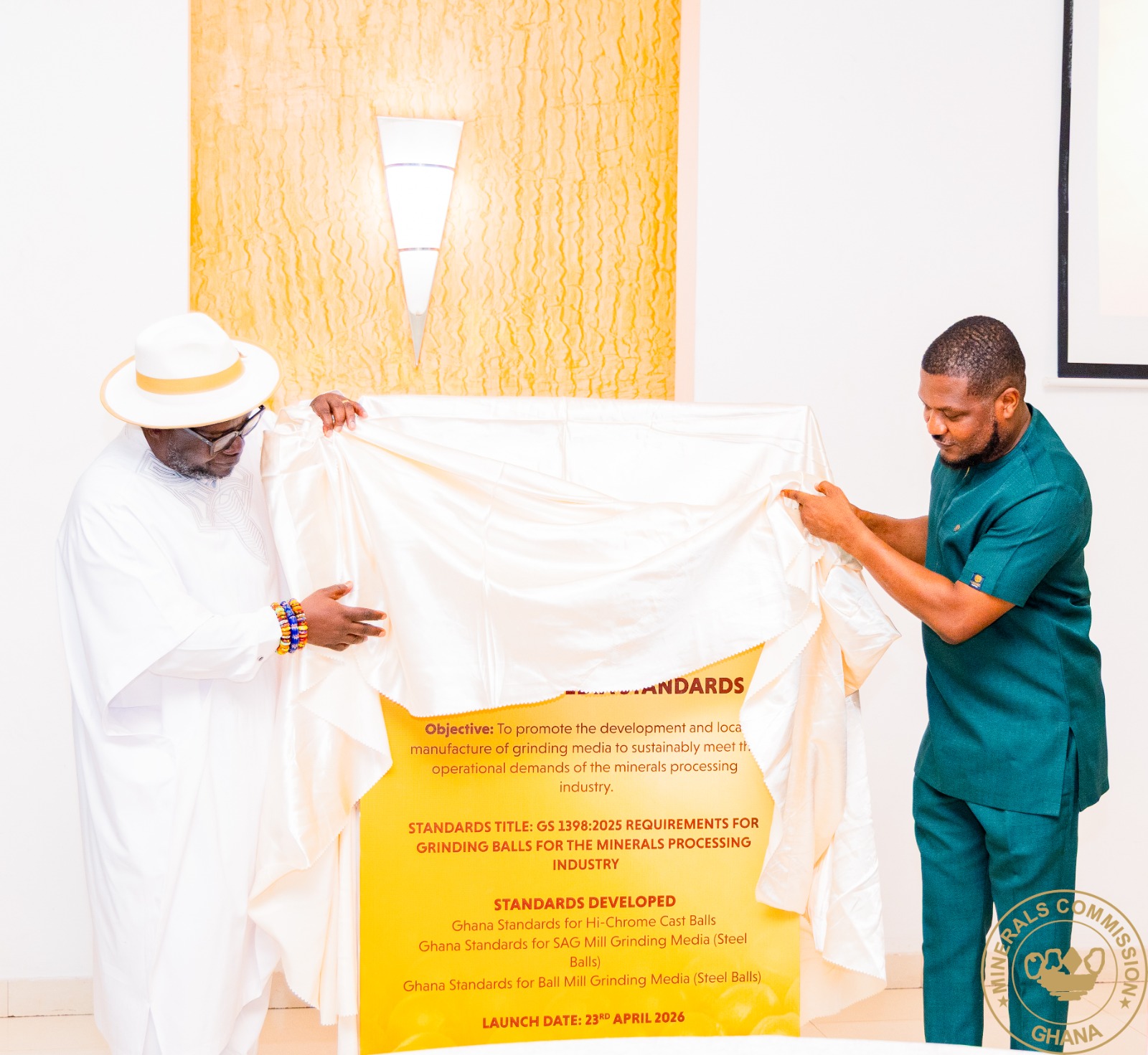
The Minerals Commission was duly represented by its Chief Executive Officer, Mr. Isaac Tandoh, at the official launch of the National Standards for Locally Manufactured Grinding Media, an initiative led by the Ghana Chamber of Mines. This milestone represents a significant advancement in Ghana’s mining sector, addressing a long-standing structural gap within the mineral processing value chain.
Grinding media is critical to ore comminution, operational efficiency, and cost optimization has historically been sourced from international markets, not due to a lack of domestic capability, but owing to the absence of a harmonised and verifiable quality framework. The introduction of these standards, which comprehensively define parameters such as chemical composition, hardness, dimensional accuracy, and impact performance, establishes a credible and globally aligned benchmark. It provides both a clear production target for local manufacturers and a reliable assurance mechanism for mining companies, thereby creating the conditions necessary for a competitive and trusted domestic supply ecosystem.
From a regulatory standpoint, this development significantly enhances the Commission’s ability to effectively discharge its mandate under the Minerals and Mining (Local Content and Local Participation Regulations), 2020 (L.I. 2431). The existence of a nationally recognised standard strengthens our capacity to enforce compliance, guide procurement practices, and promote the integration of local industry into the mining value chain without compromising operational performance or safety. It also enables the Commission to embed measurable quality benchmarks within licensing, permitting, and monitoring frameworks, ensuring that local content objectives are pursued with both rigor and accountability.
International experience from leading mining jurisdictions such as Australia and Chile demonstrates that well-structured local manufacturing ecosystems, supported by enforceable standards, can substantially reduce import dependence, stimulate industrial growth, and generate high-value employment. Ghana is strategically positioned to achieve similar outcomes, supported by a proactive regulator, a responsive industry, and an emerging base of capable manufacturers.
Notwithstanding this achievement, the Commission underscores that the true value of these standards will be realised through disciplined implementation and sustained industry adoption. We will, therefore, take deliberate steps to recognise and operationalise these standards within regulatory instruments, while actively encouraging mining companies to incorporate locally manufactured grinding media into their supply chains in a structured and performance-driven manner. Local manufacturers are expected to align their production systems with these benchmarks through continuous investment in technology, process optimisation, and quality assurance.
The Commission remains committed to providing a supportive yet firm regulatory environment, one that rewards compliance, enforces standards, and ensures that Ghana derives maximum value from its mineral resources. This milestone is a clear demonstration of what can be achieved through coordinated industry leadership, and it sets a strong foundation for advancing sustainable local content, industrial transformation, and long-term national development.
END.