The True Cost of Unsafe Mining is a Price No Nation Can Afford
The True Cost of Unsafe Mining Is a Price No Nation Can Afford: MinCom CEO Asserts
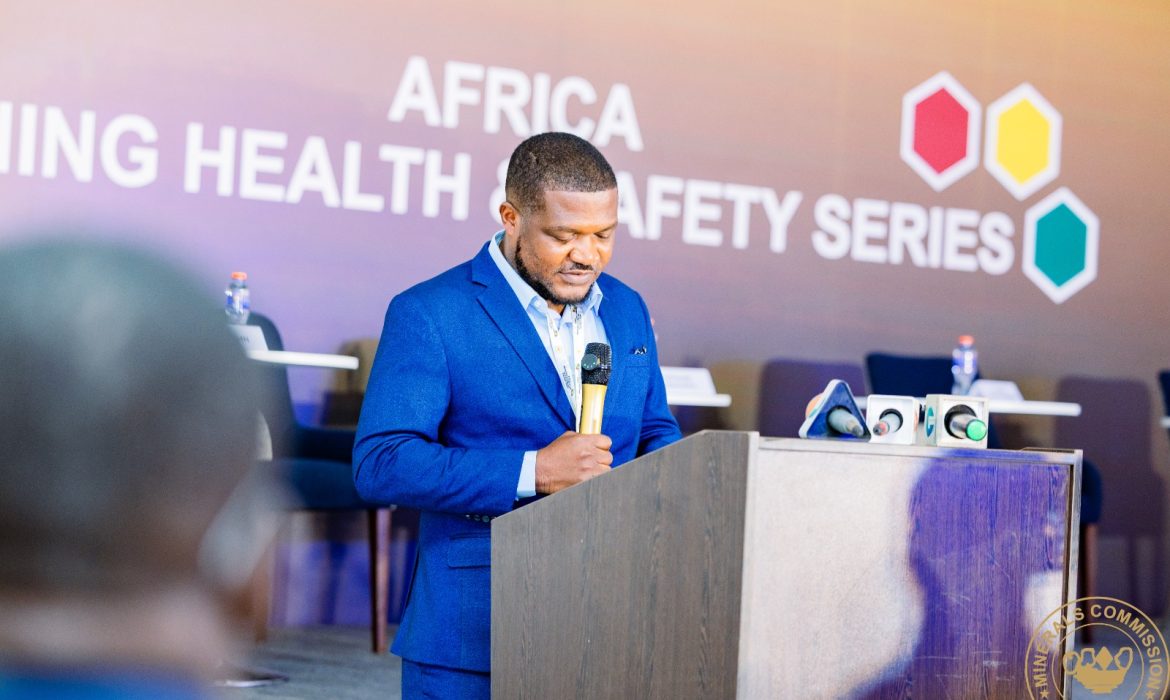
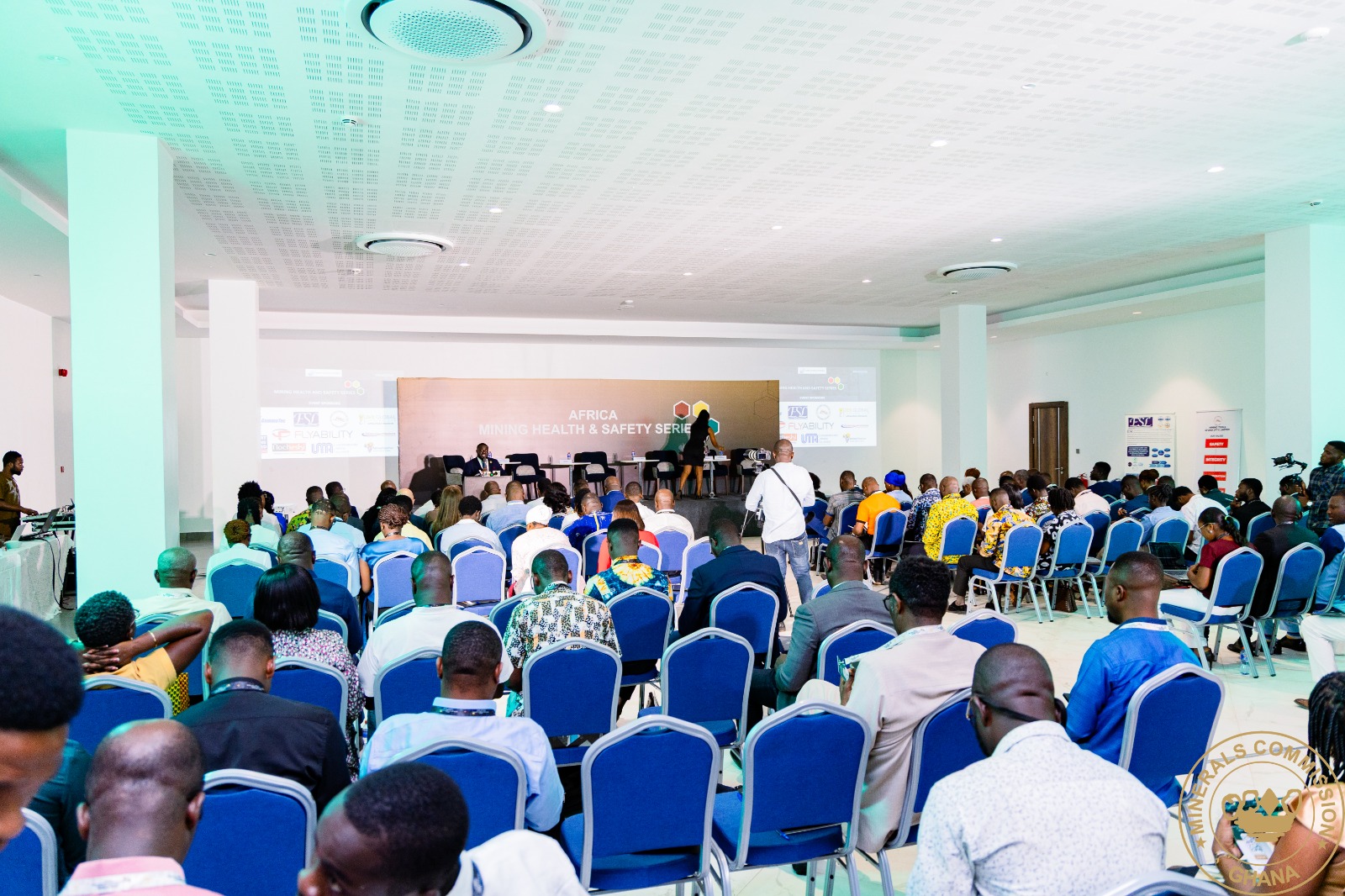
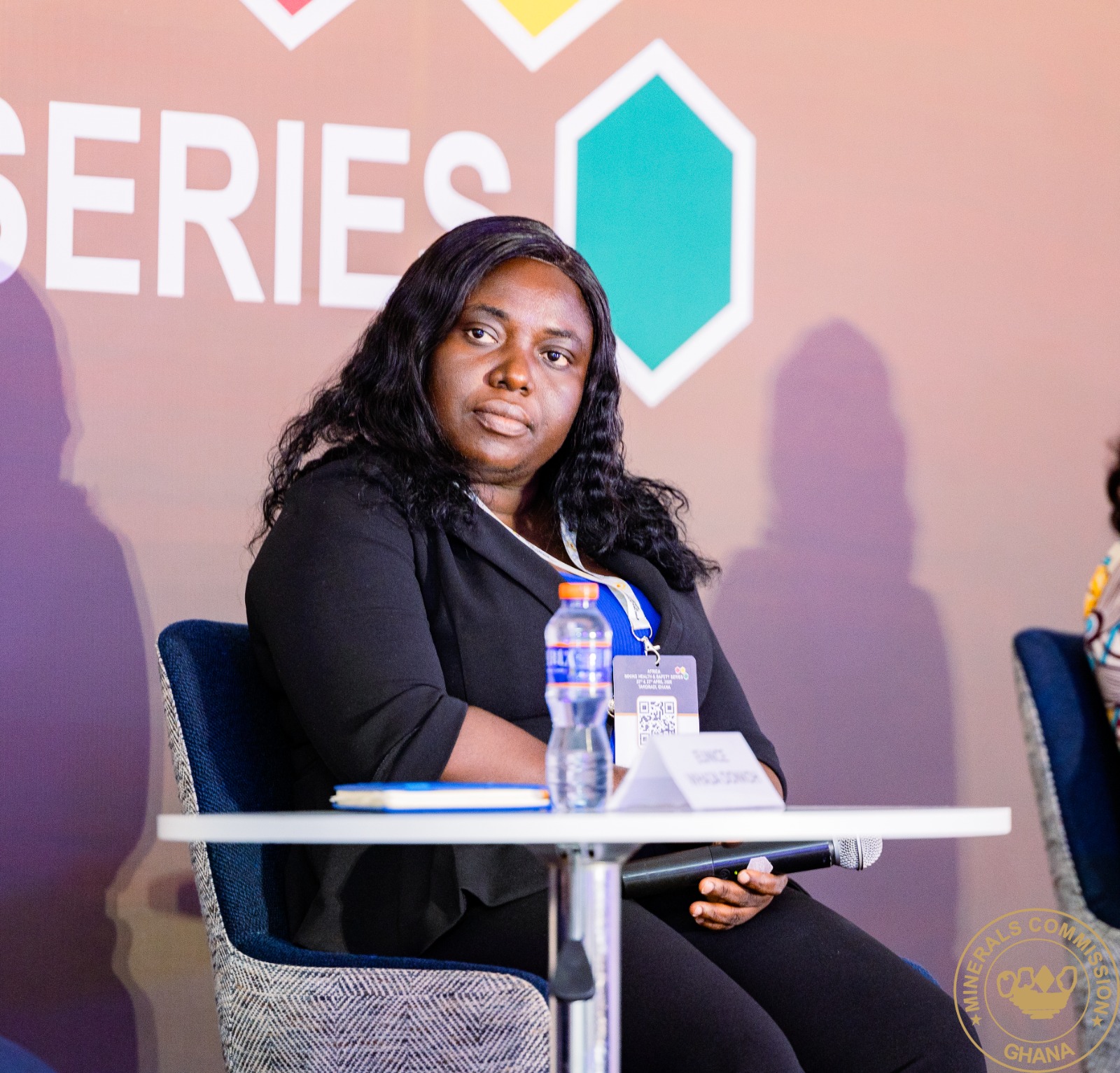
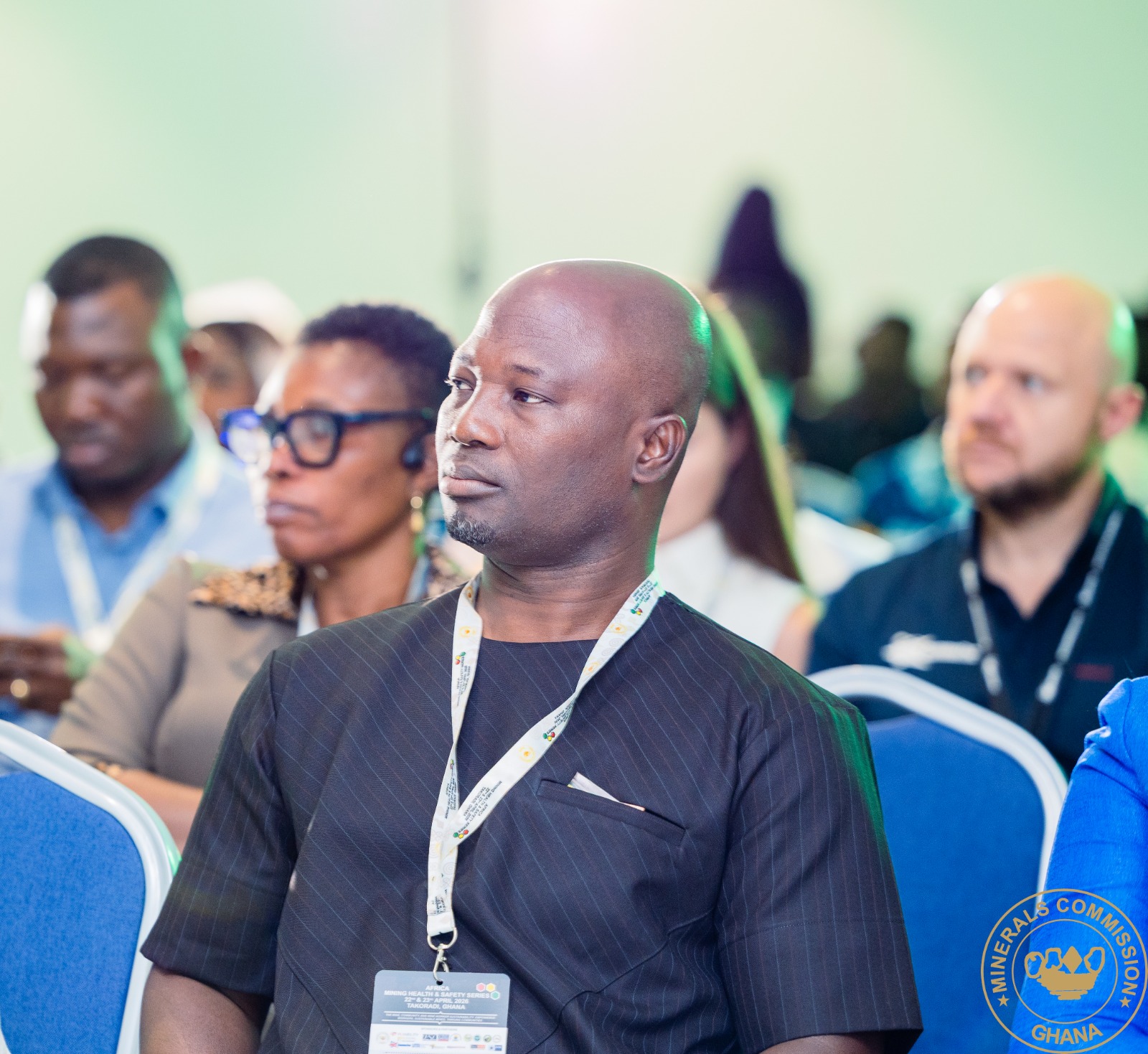
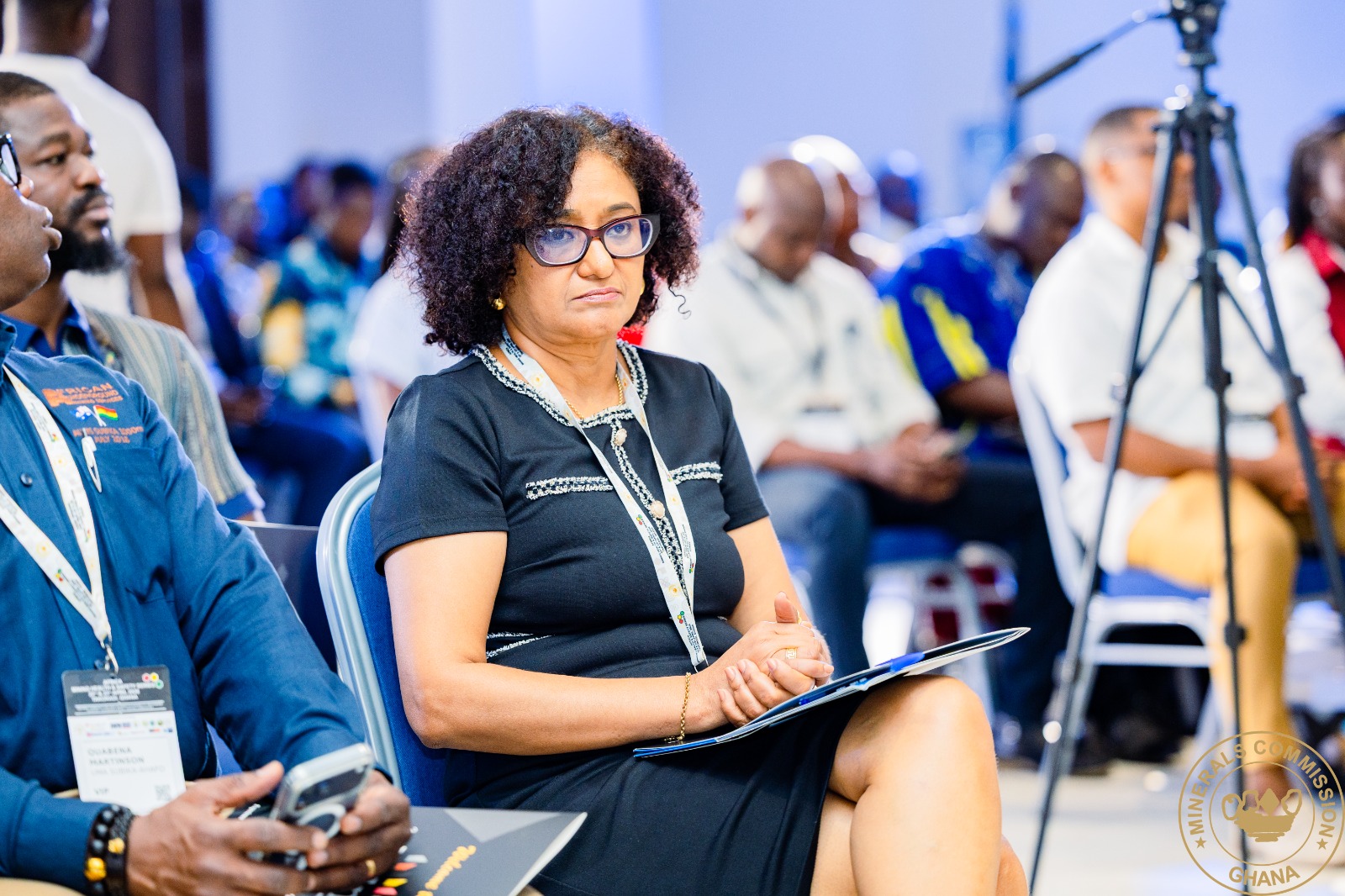
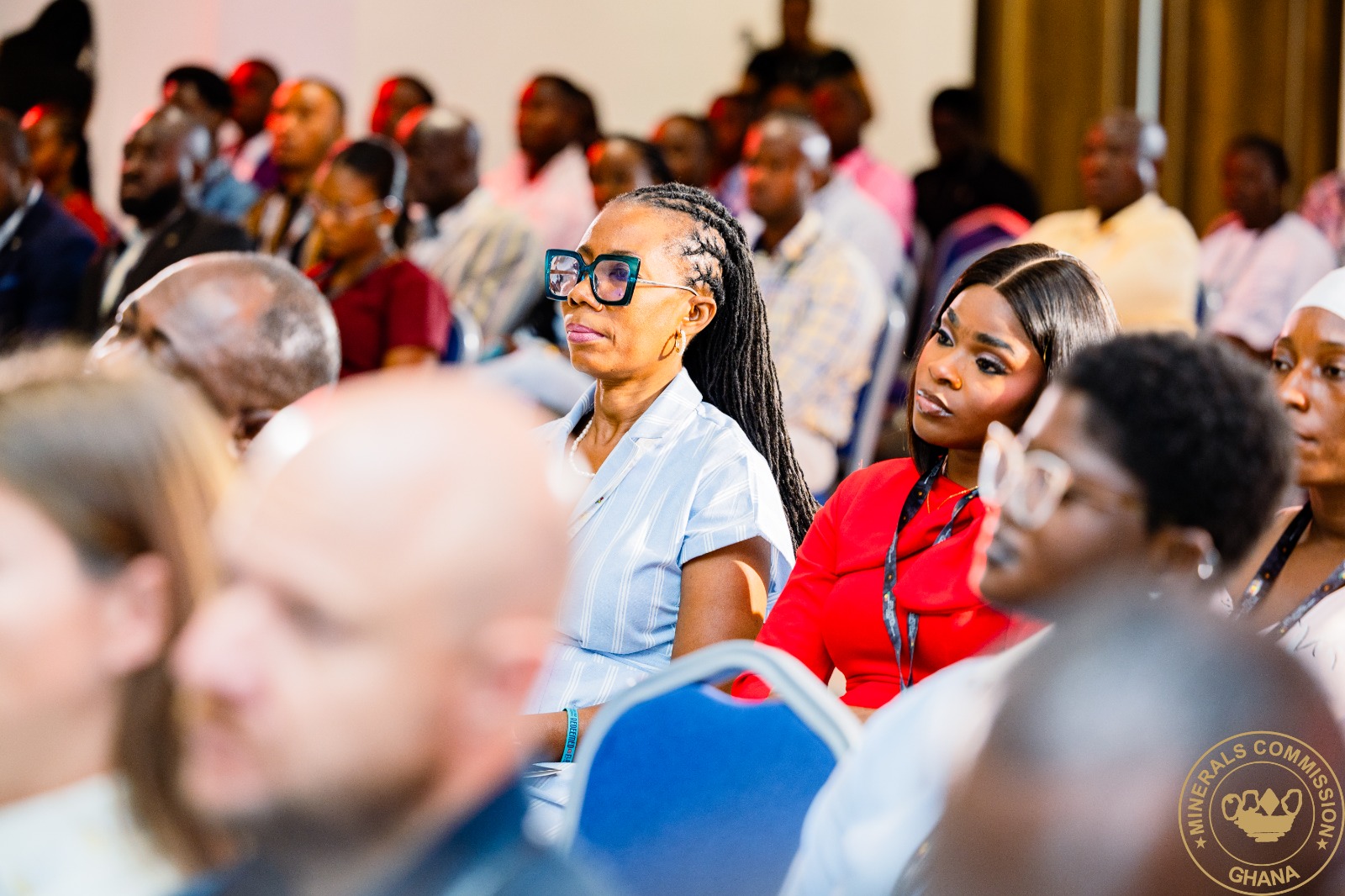
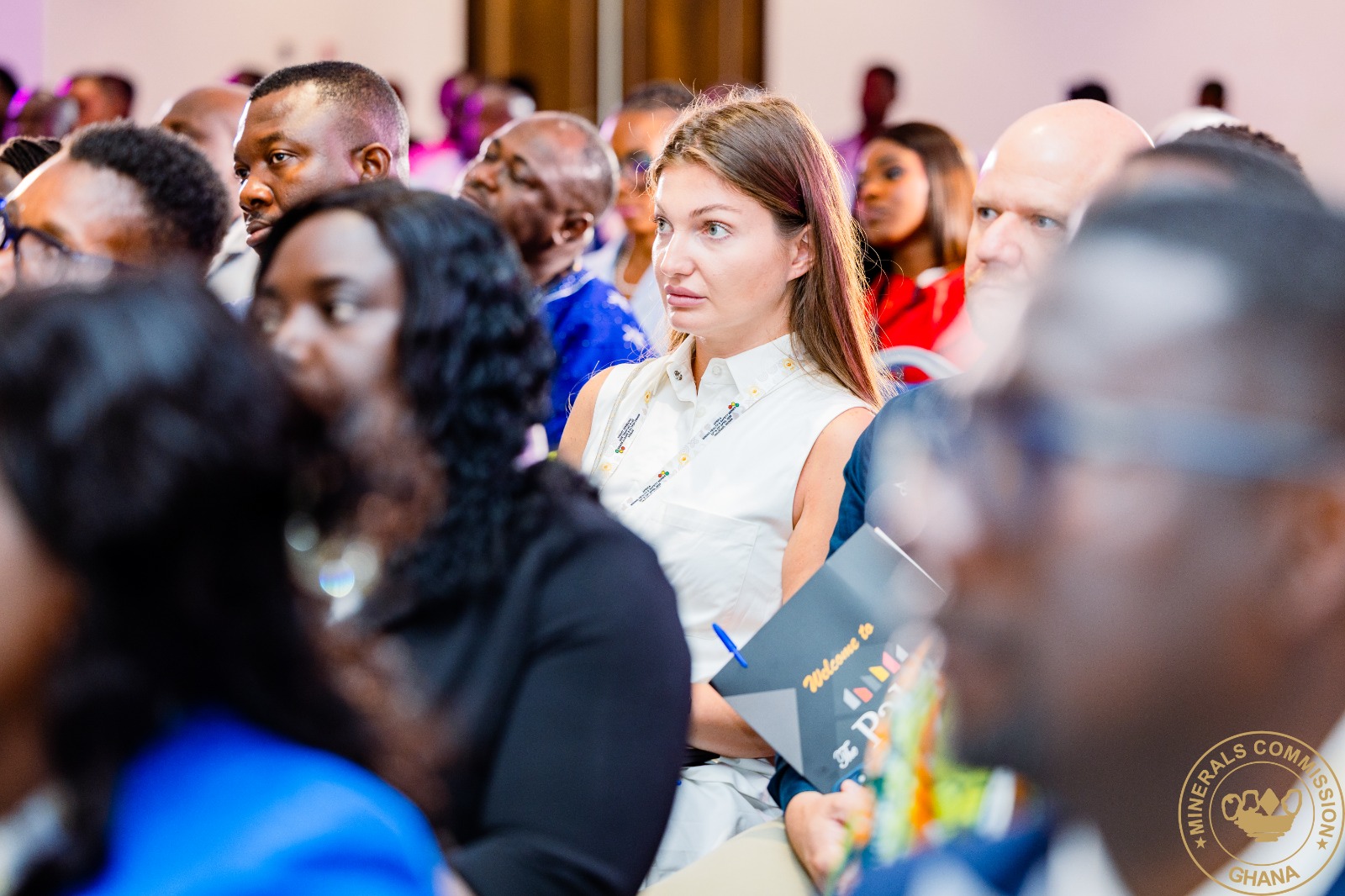
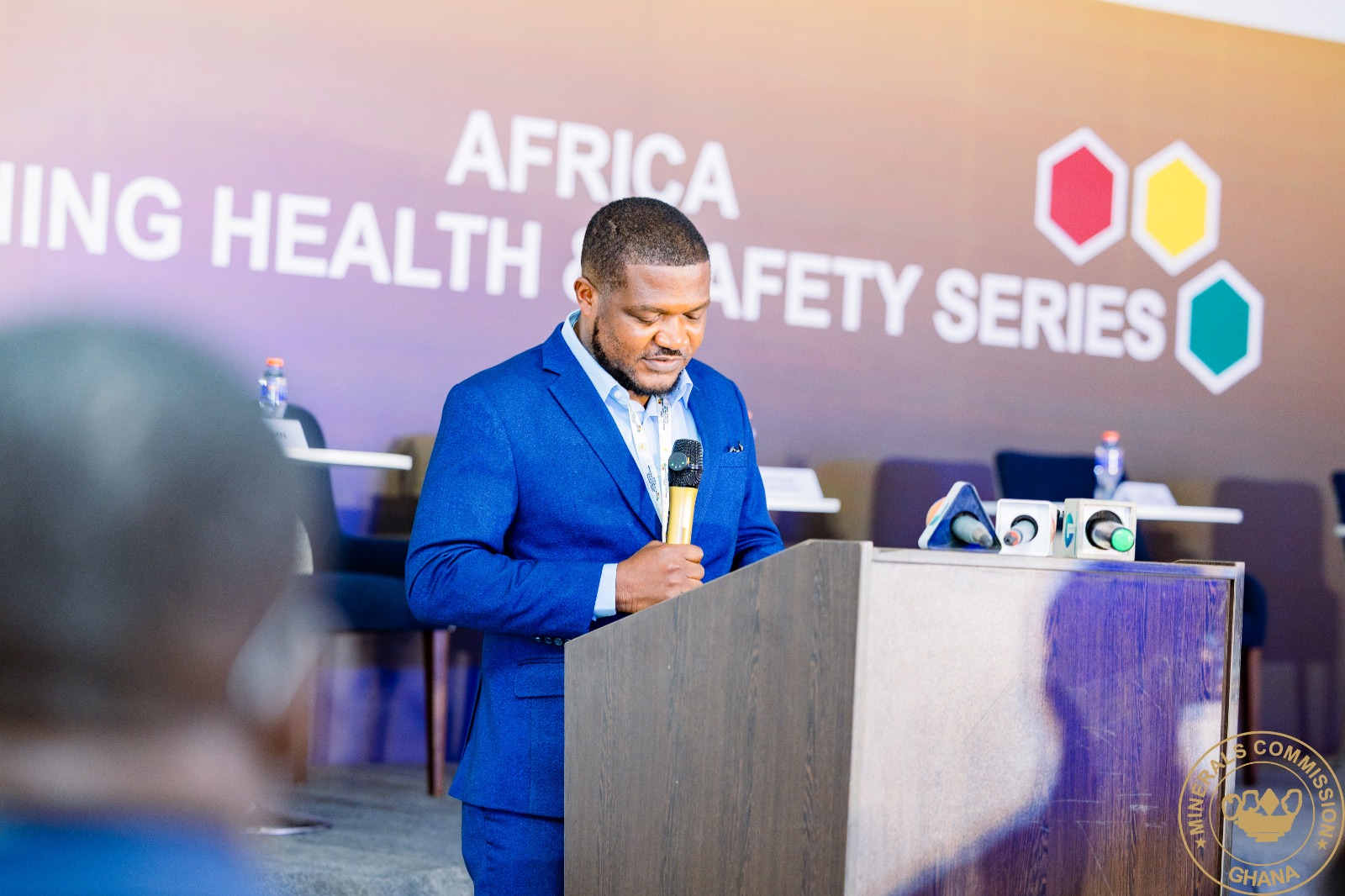
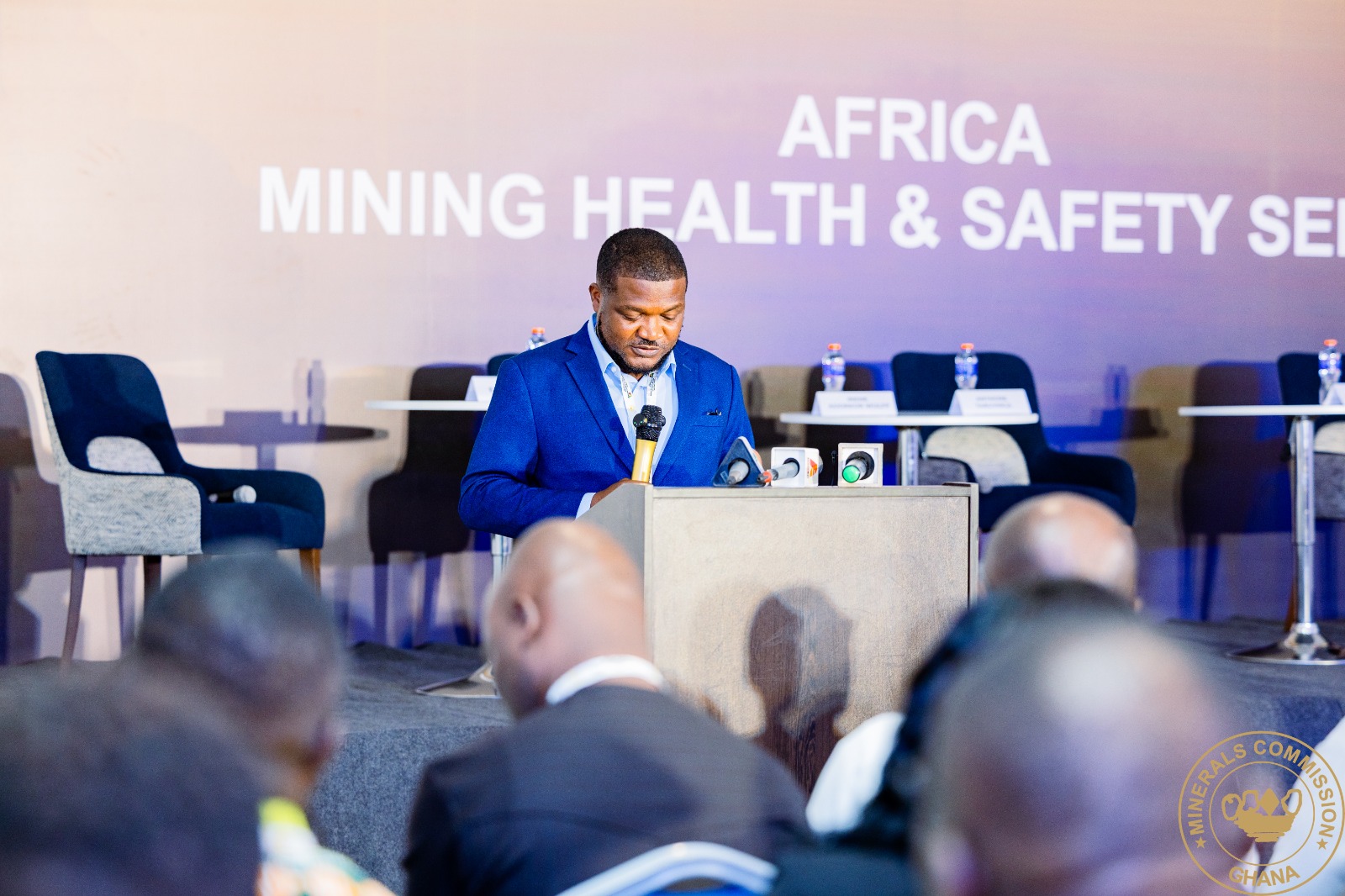
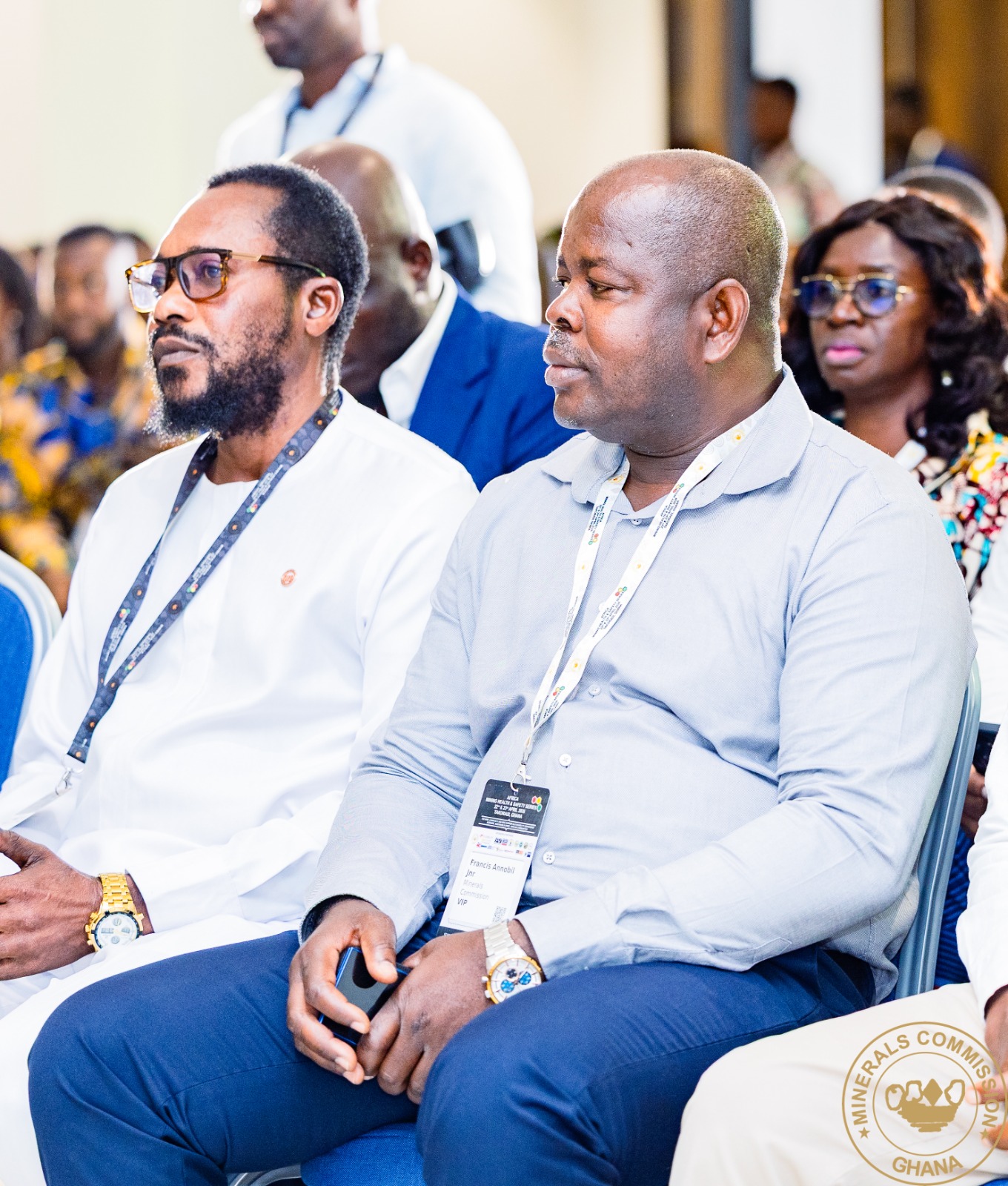
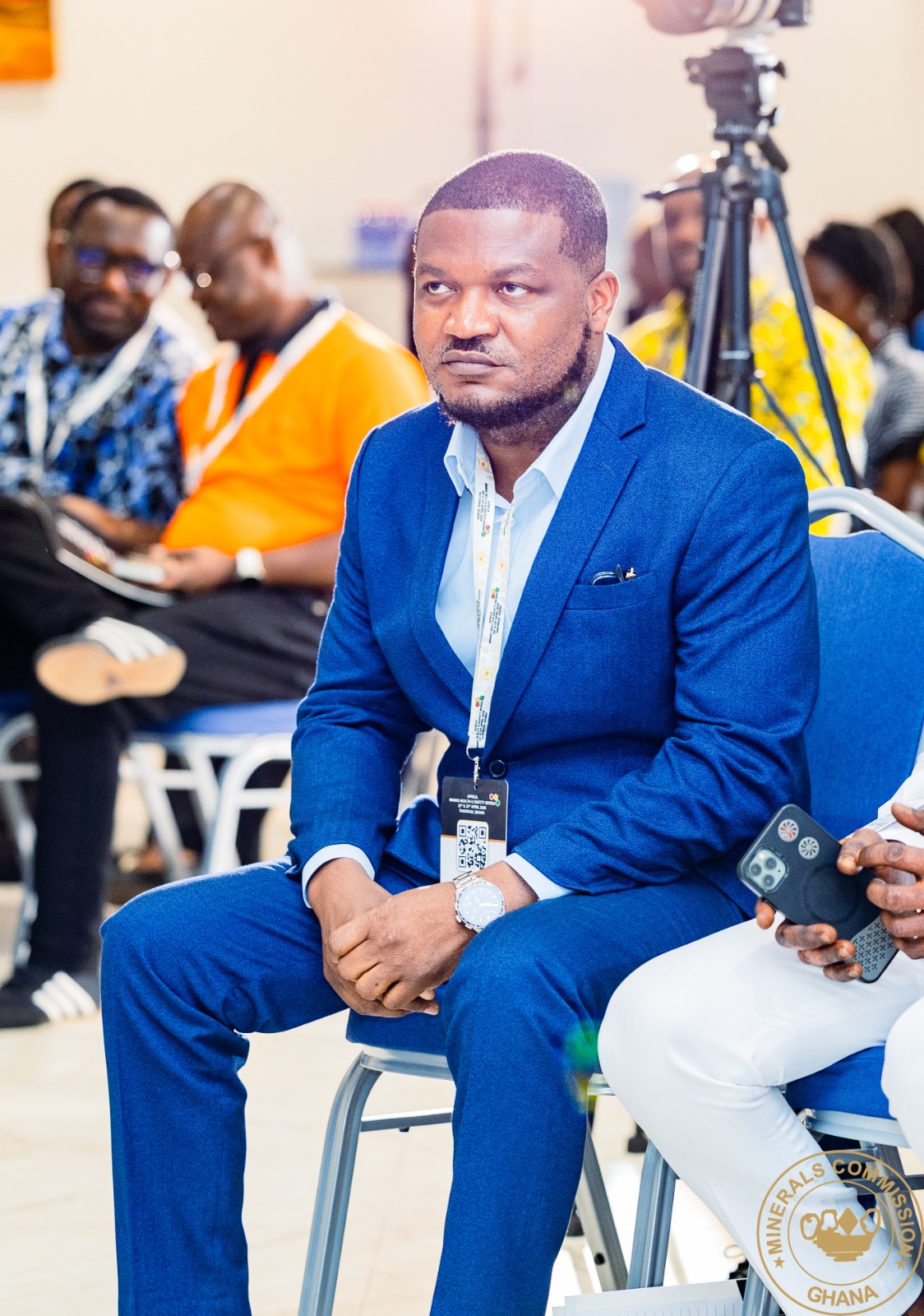
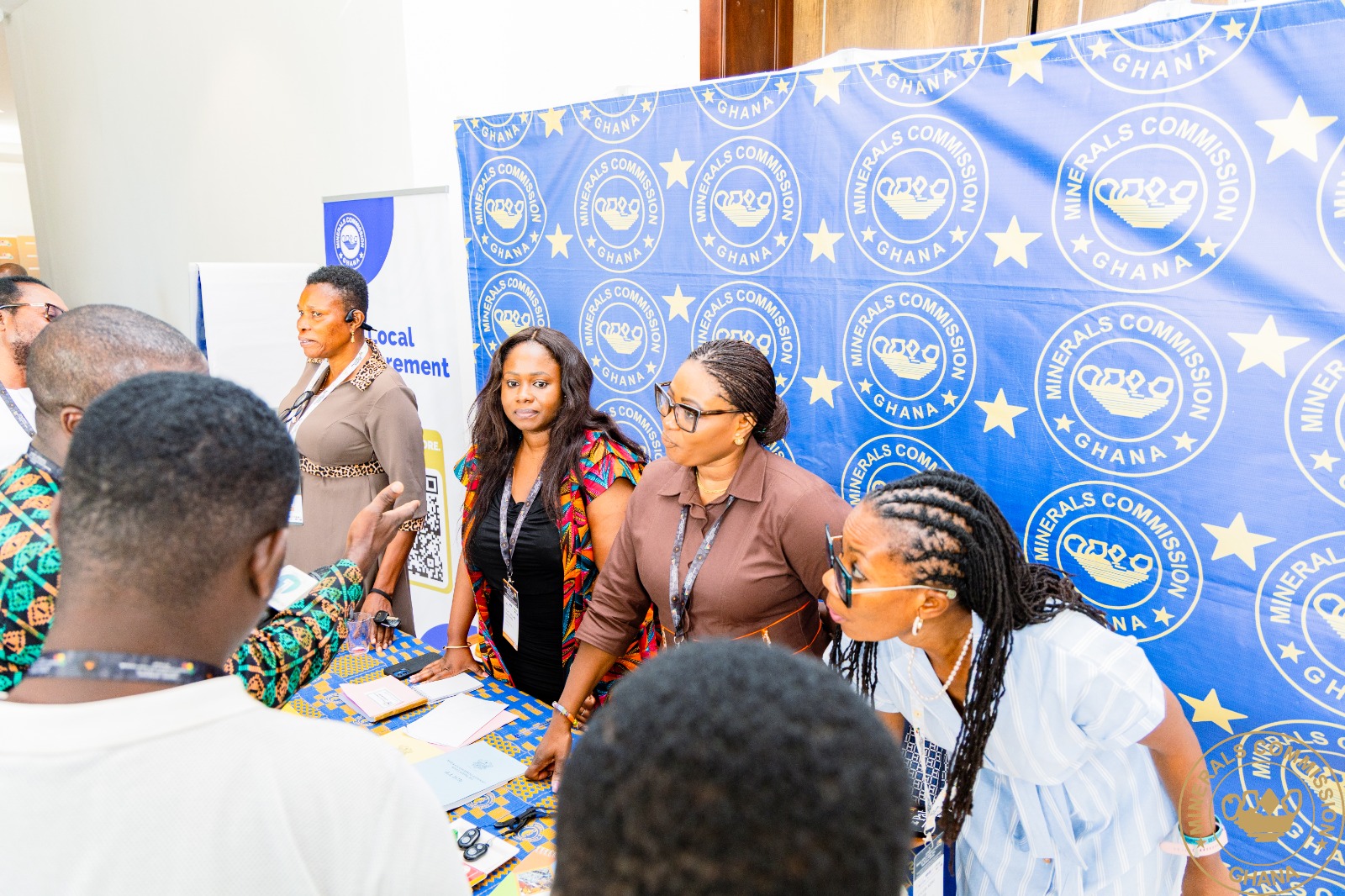
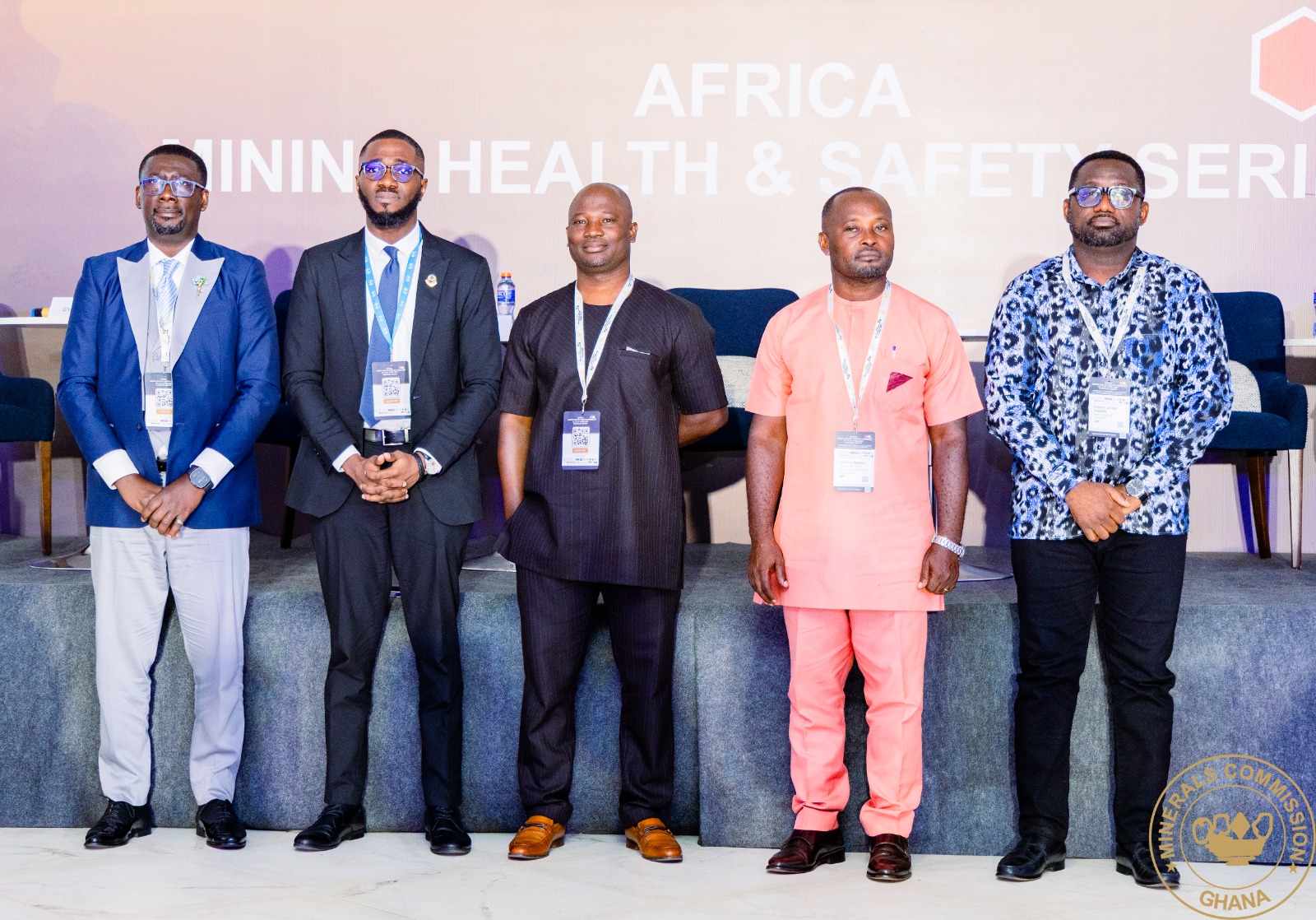
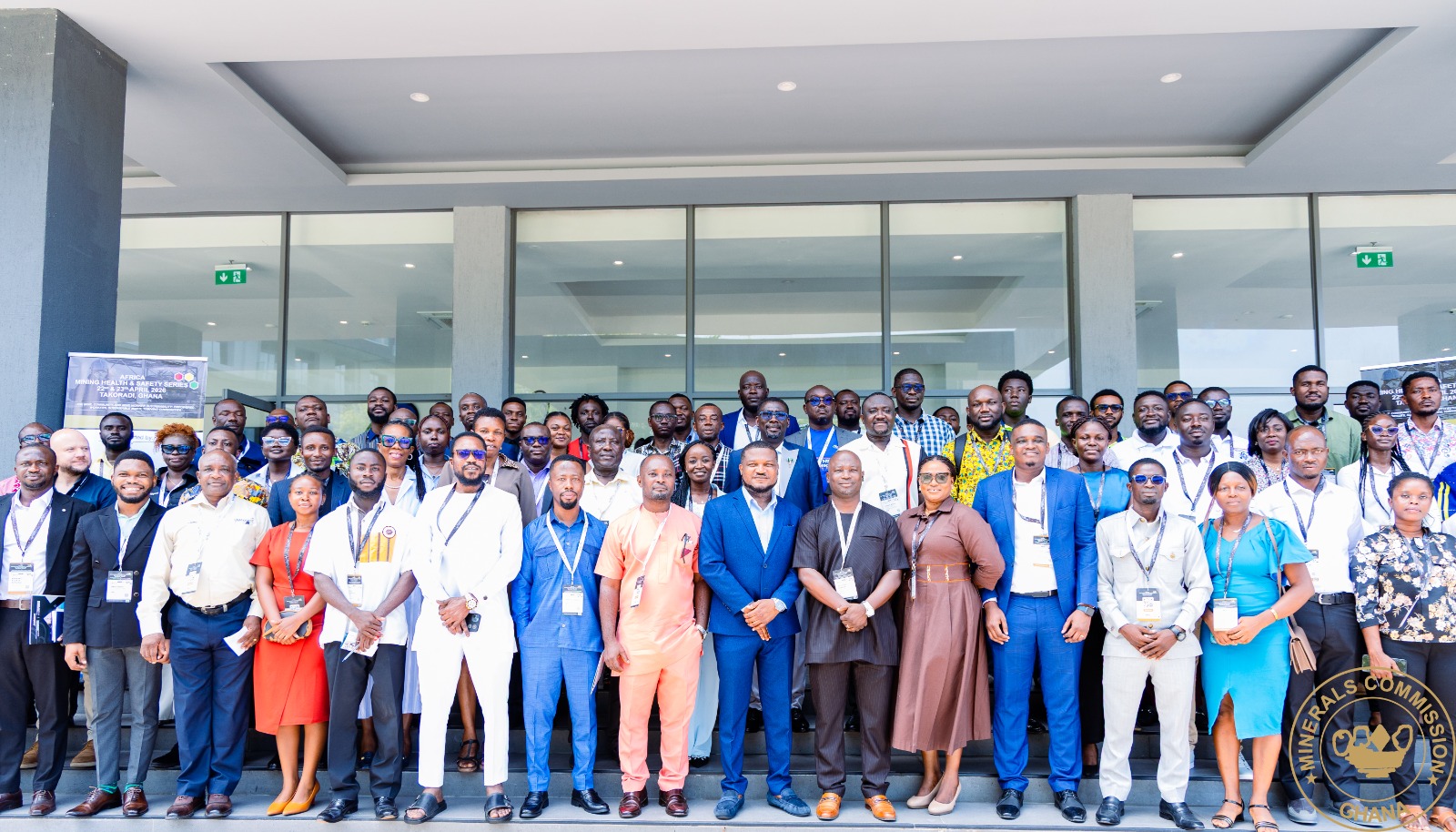
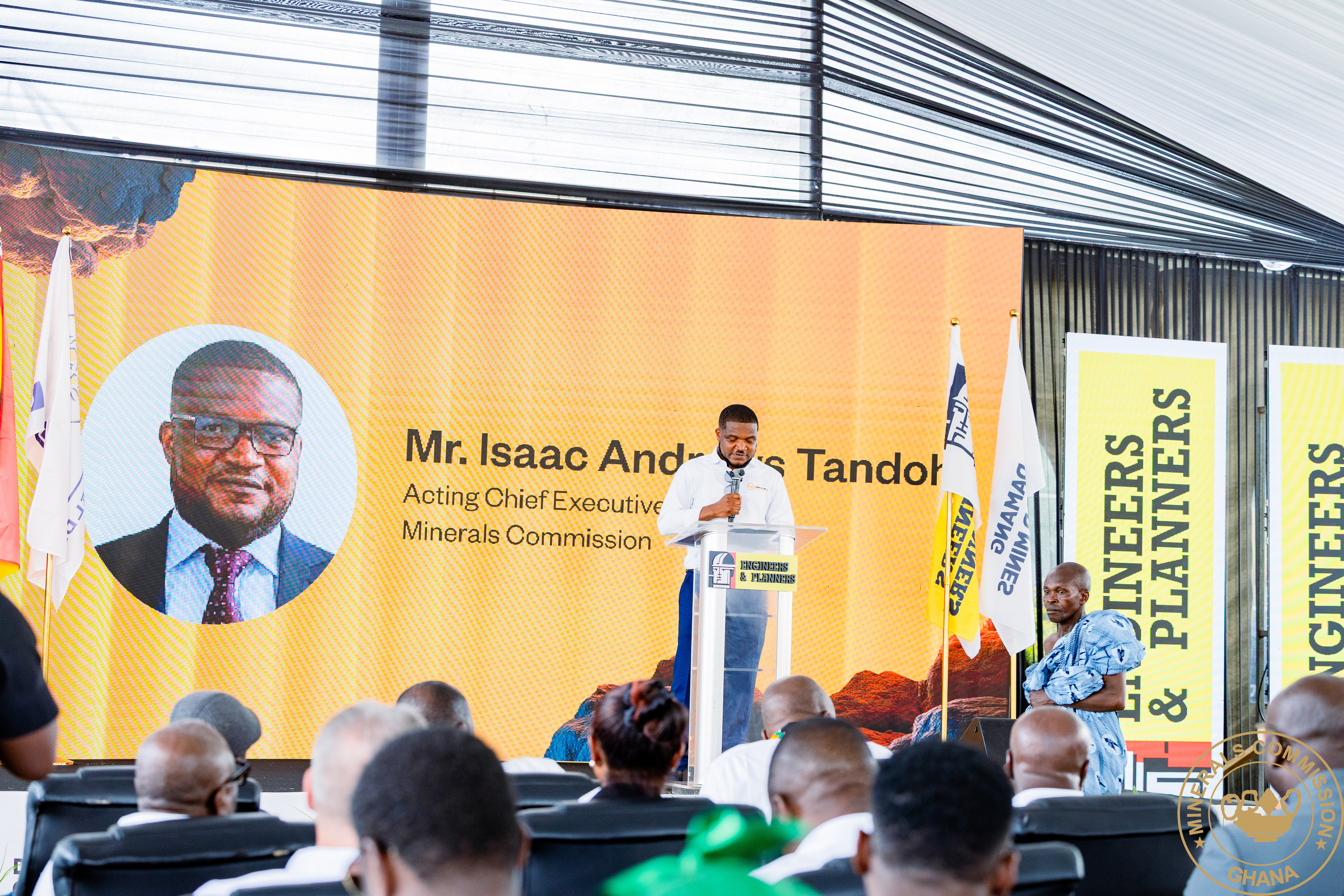
The Minerals Commission was proudly represented by the Chief Executive Officer, Mr. Isaac Tandoh, as a Guest of Honour at the Mining Health and Safety Series 2026, held under the theme:
“The Mine, Community and Mine Worker Sustainability: Empowered Workers, Sustainable Mines, Thriving Communities.”
The event convened captains of industry, traditional authorities, and health and safety professionals to address one of the most consequential challenges facing Africa’s mining sector. Mr. Tandoh set the tone with a powerful statement that as a Commission, our position is unambiguous such that Ghana must mine with its eyes fully open to the irreplaceable value of human life. In today’s global investment climate, the cost of negligence extends far beyond human tragedy a single catastrophic incident can erase decades of shareholder value, withdraw insurance coverage, and permanently damage a nation’s mining reputation. A clean, verifiable safety record is no longer optional; it is the most decisive licence to operate in the modern mining economy.
The Commission used this platform to reaffirm the regulatory position that defines our unwavering approach to health, safety, and environmental (HSE) stewardship. We are promoting shared data platforms so that when one mine learns from a near miss, every mine benefits. We are championing the adoption of proximity detection systems, real-time gas sensors, and wearable health monitoring technology not merely as compliance tools, but as instruments of a deeper cultural transformation in how our industry values human life. We also affirm that HSE standards do not dilute at the boundary of a contract licence holder, and the mining company bears full responsibility for every actor on their concession, and the Commission will apply the full weight of the law without exception. On environmental stewardship, we are resolute: abandoned pits and unmonitored tailings dams are not the inevitable by-products of mining they are the consequences of irresponsibility. Responsible mining demands closure planning from day one, leaving behind rehabilitated land, clean water, and communities built to thrive long after the last tone of ore has been hauled.
At the heart of the Commission’s mandate is the conviction that people are central to sustainable mining, from start to finish. An empowered worker is a trained, certified, and well-protected professional confident to speak up without fear and supported in both physical and mental wellbeing. Silica dust, heat stress, noise-induced hearing loss, and psychological trauma are not secondary concerns; they are primary, and we insist they be treated as such. The communities surrounding our mines are equally non-negotiable they are not bystanders to be managed but stakeholders whose trust, water, land, and livelihoods are directly shaped by how mining is conducted. When communities thrive, mines are secured; when they feel neglected, operations are endangered.
The Commission’s standard is clear, firm, and final: zero harm is not an aspiration; it is our baseline. Each morning, as Ghana’s miners descend into the earth, they place their trust in our regulations and our conscience. We are committed, without reservation, to being worthy of that trust.
#MineralsCommission #GhanaMining #MiningHealthAndSafety #MHS2026 #ZeroHarm #EmpoweredWorkers #SustainableMining #ThrivingCommunities #OccupationalHealth #ResponsibleMining #RegulatoryExcellence #GhanaIndustry
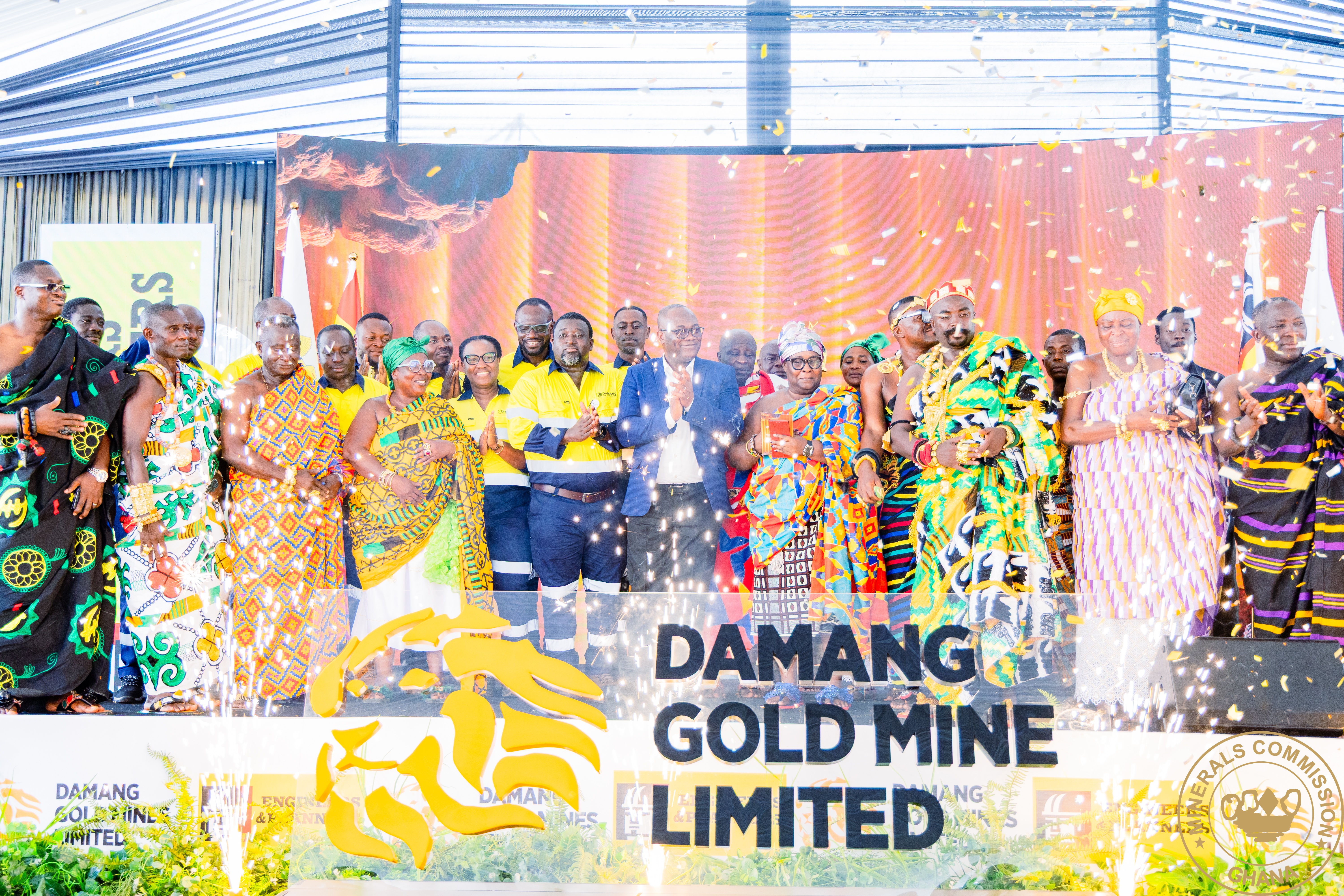
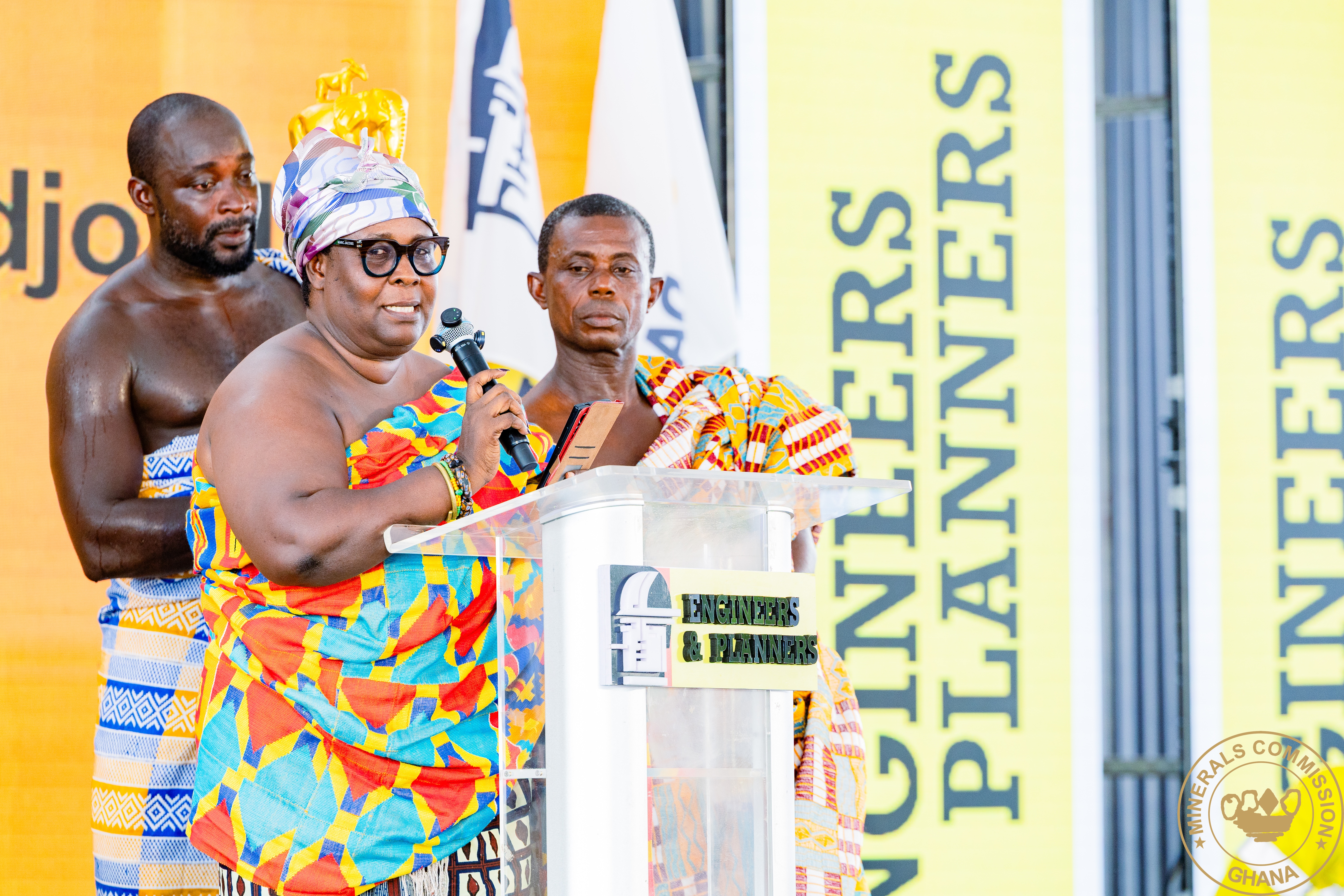
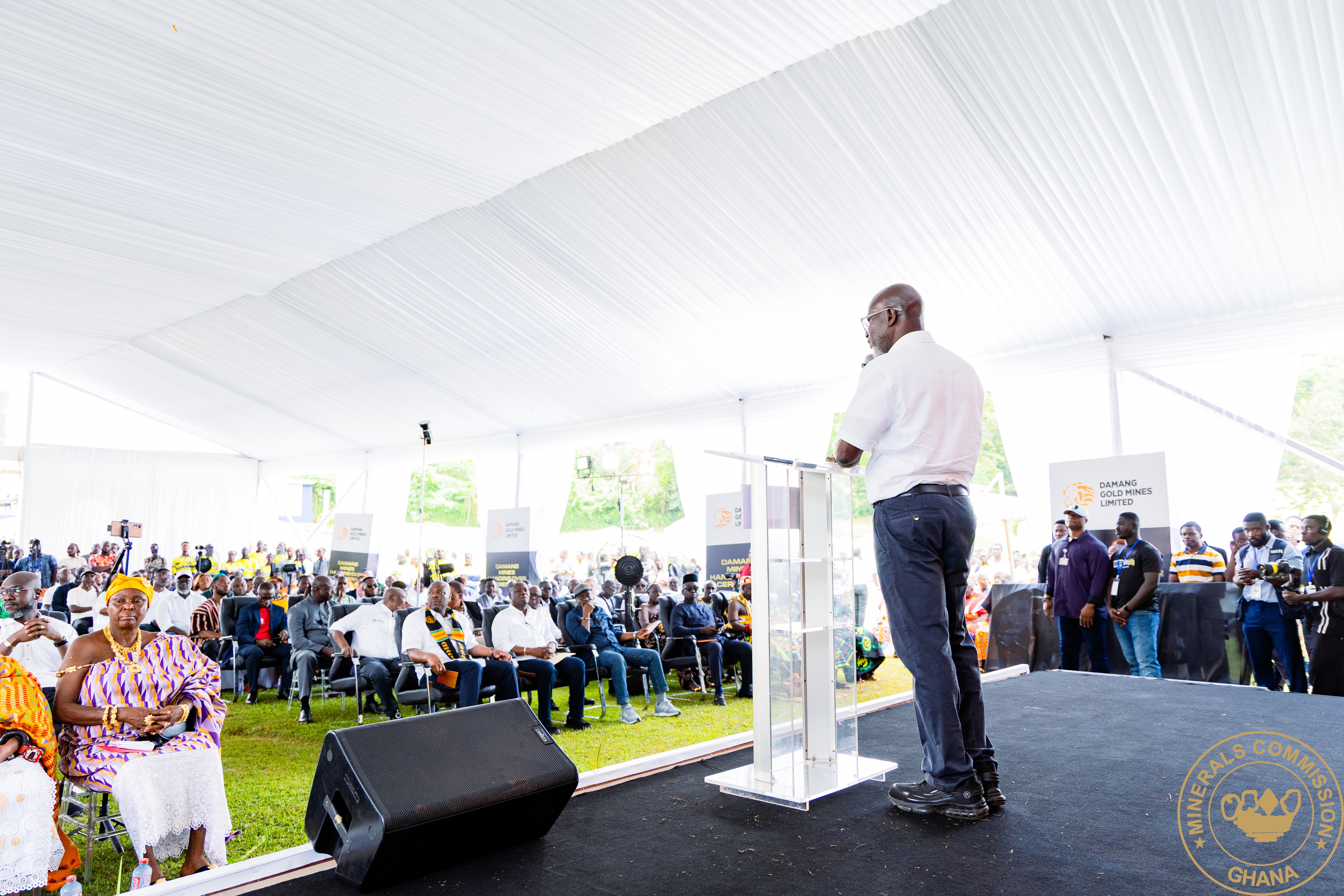
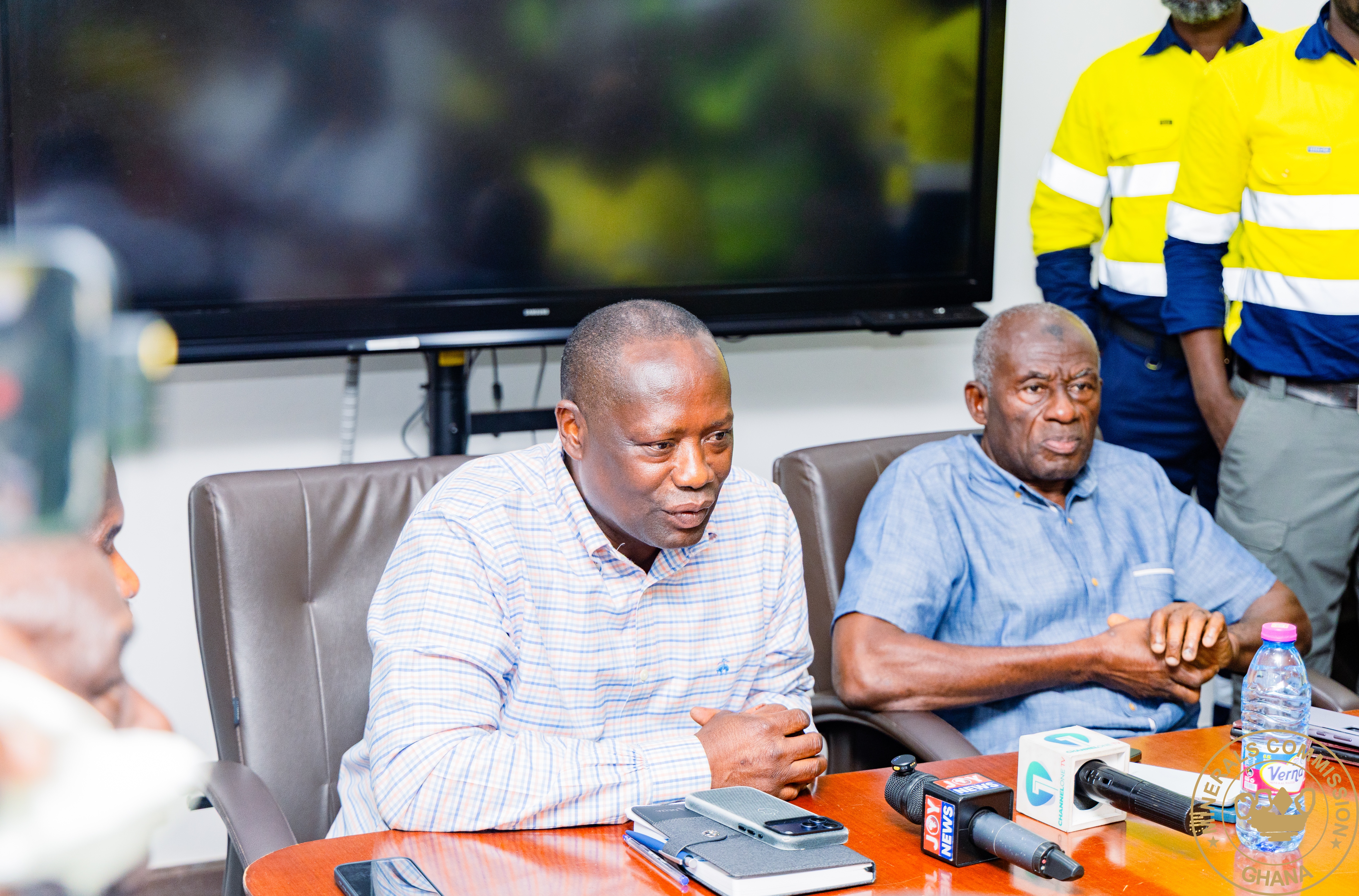
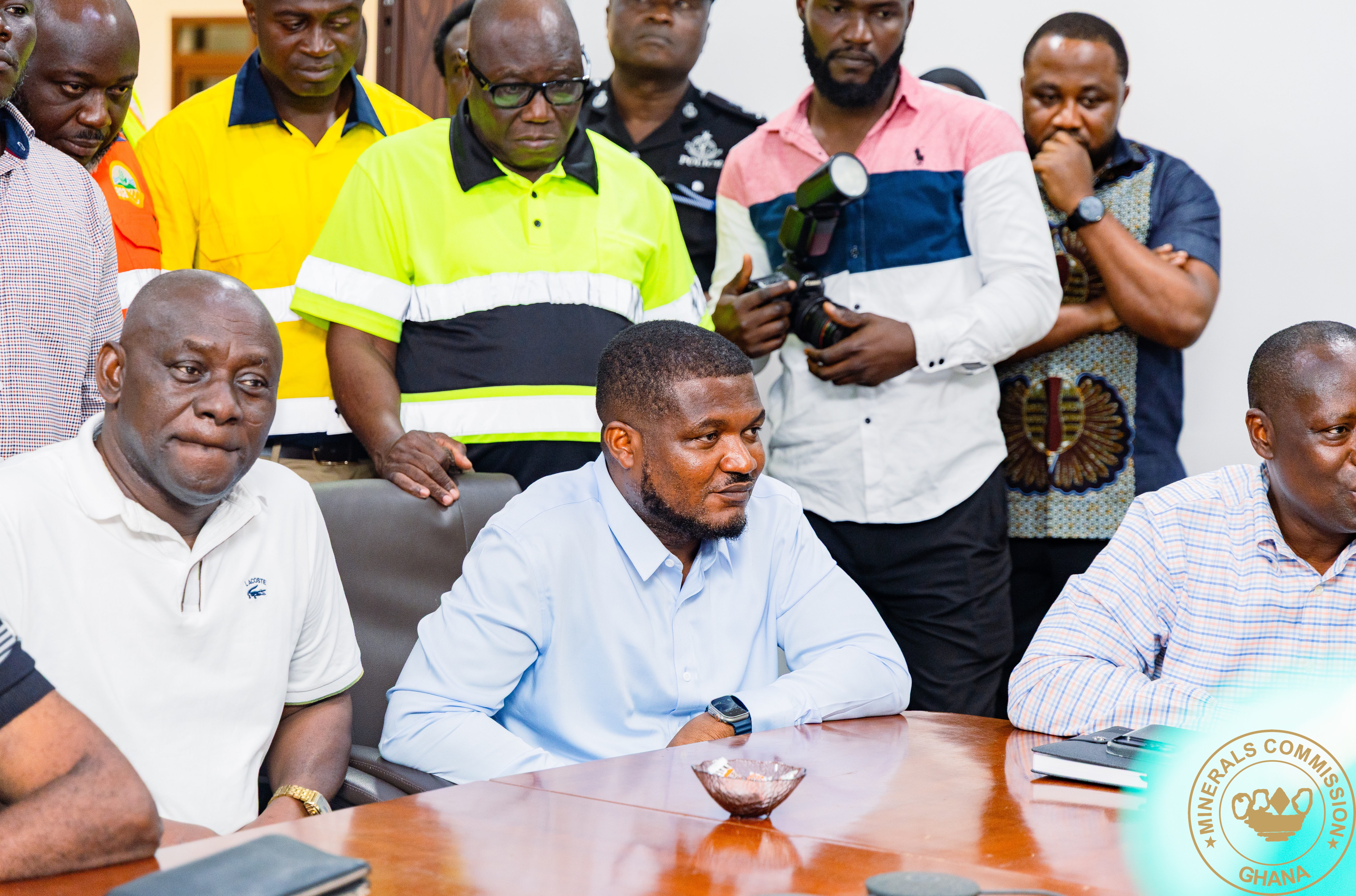
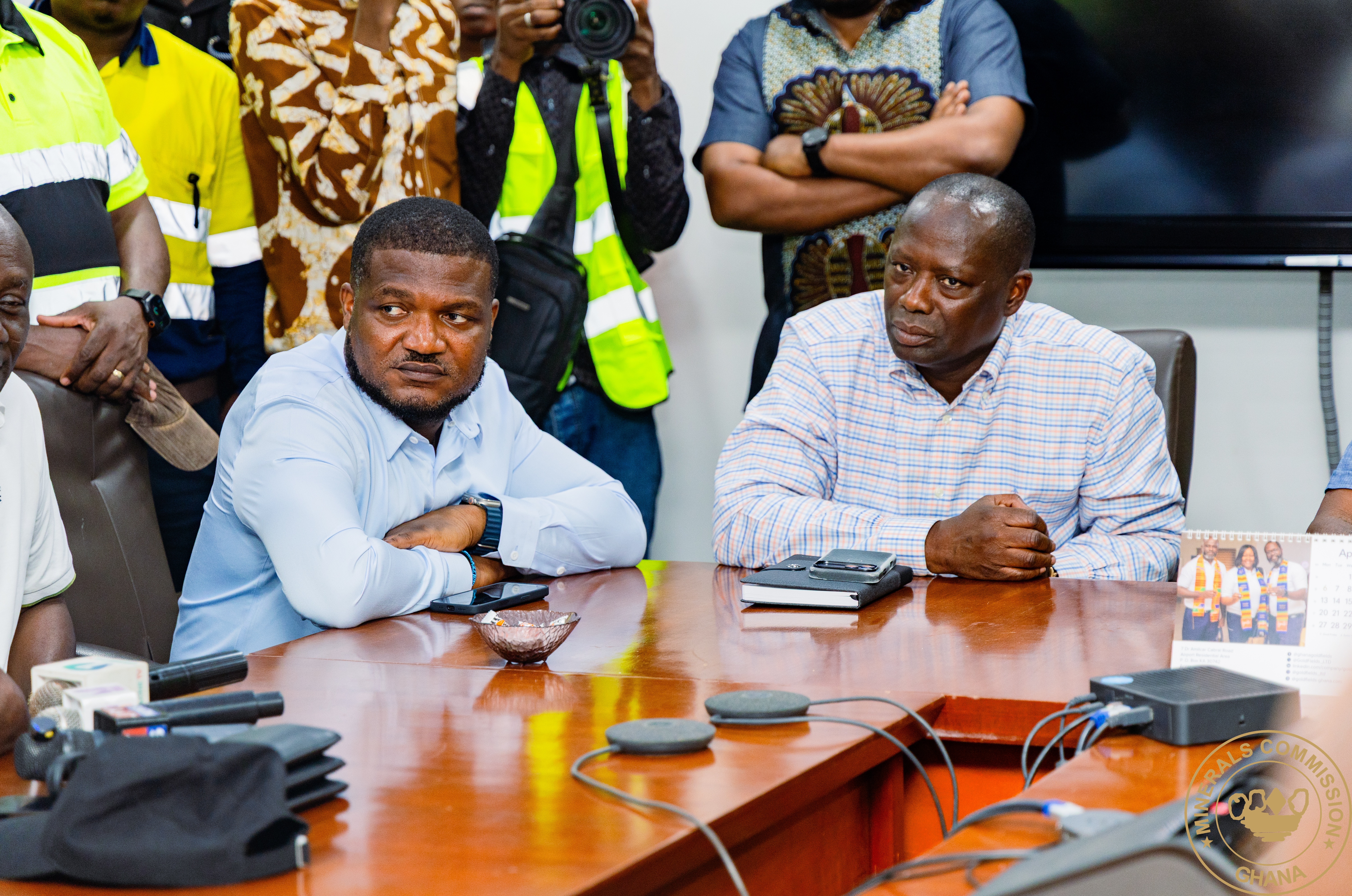
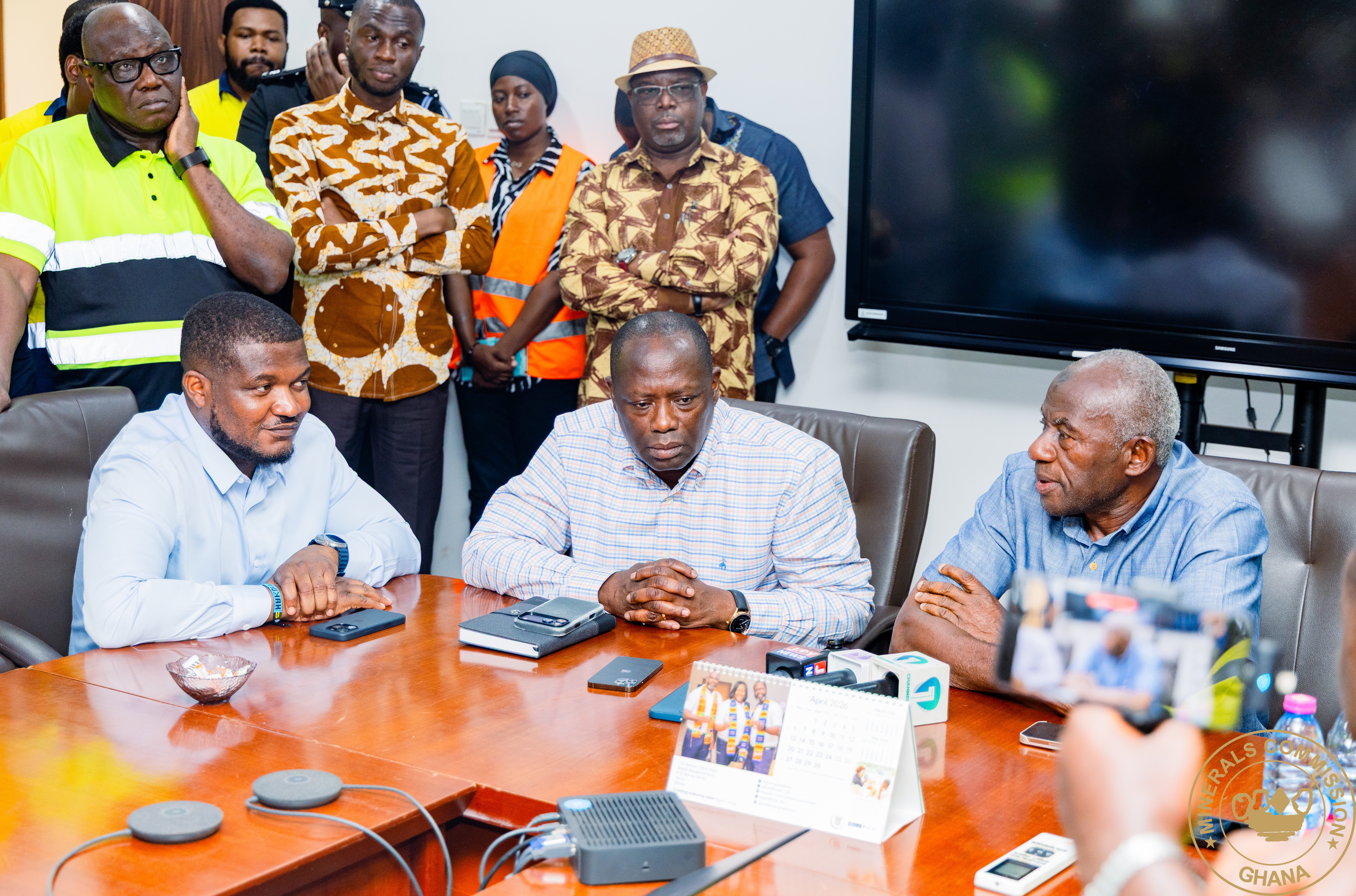
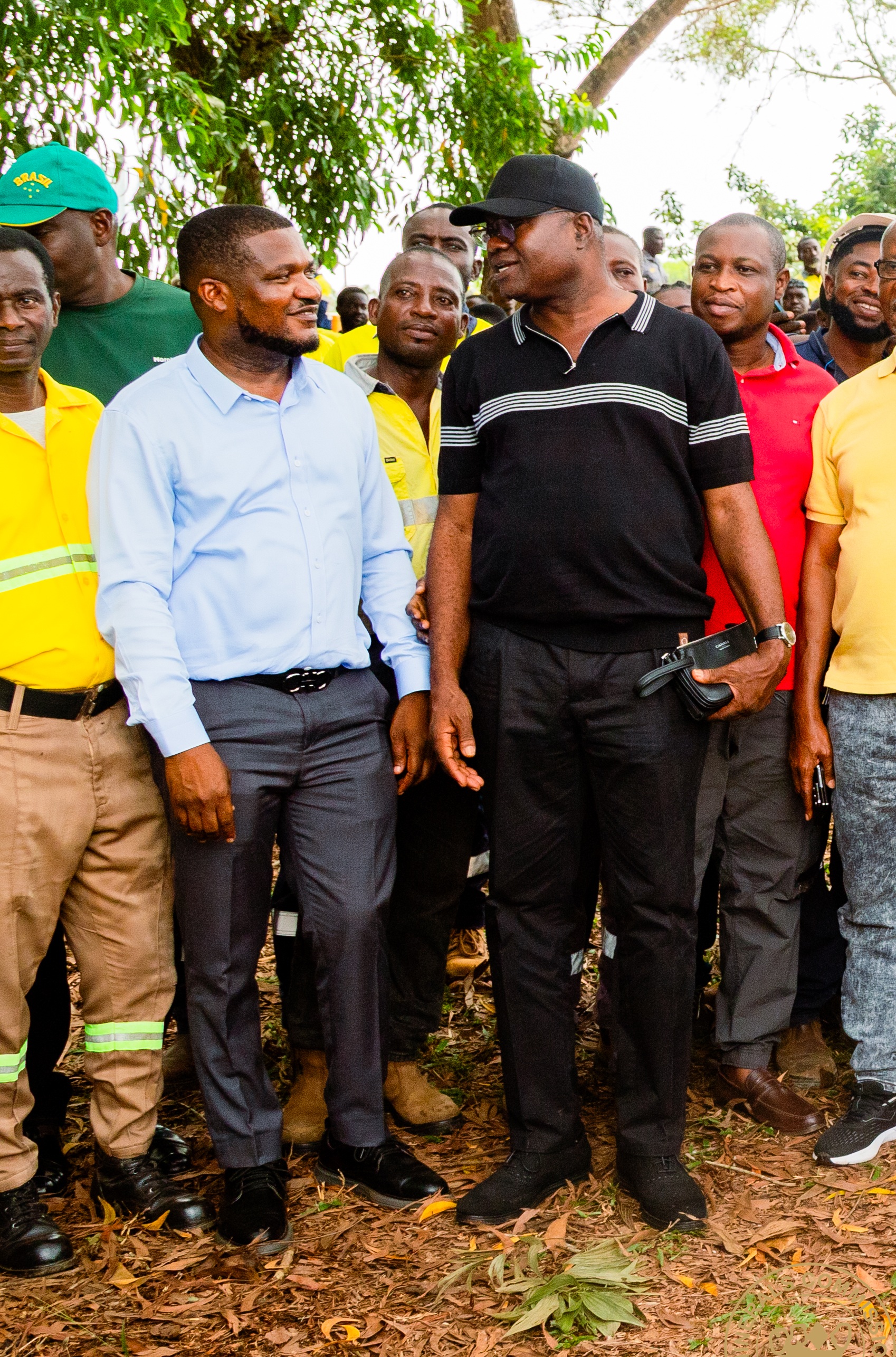
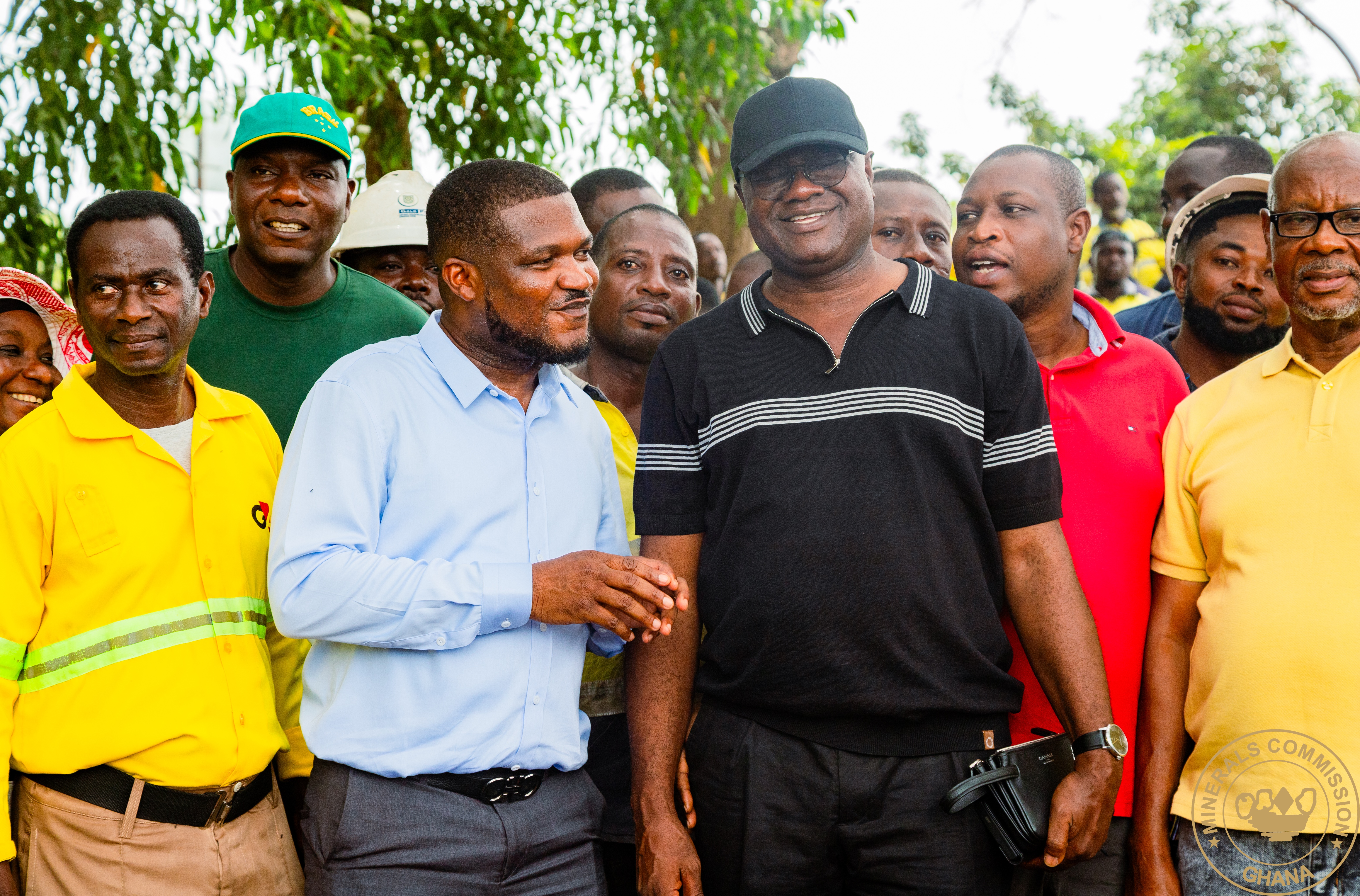
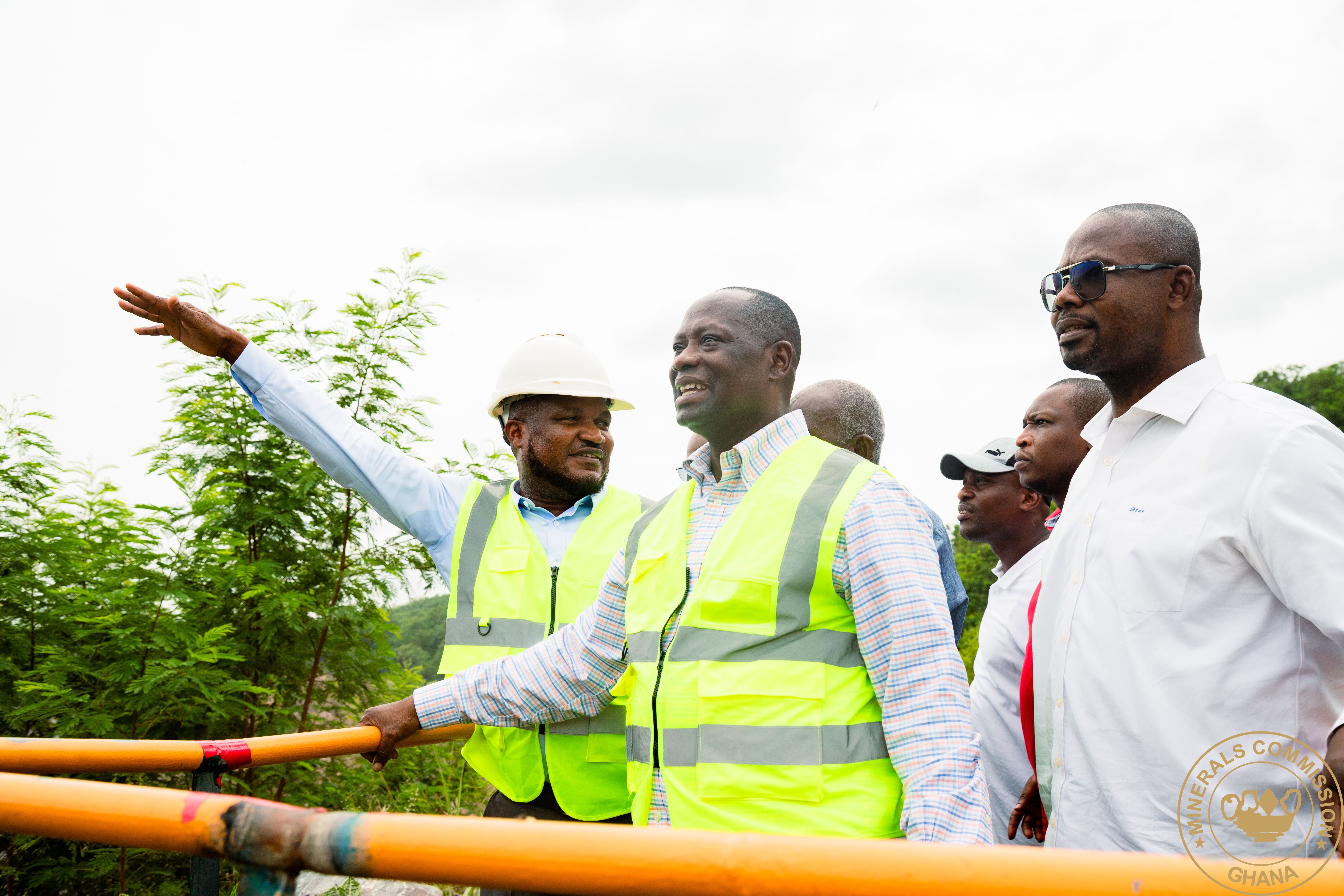
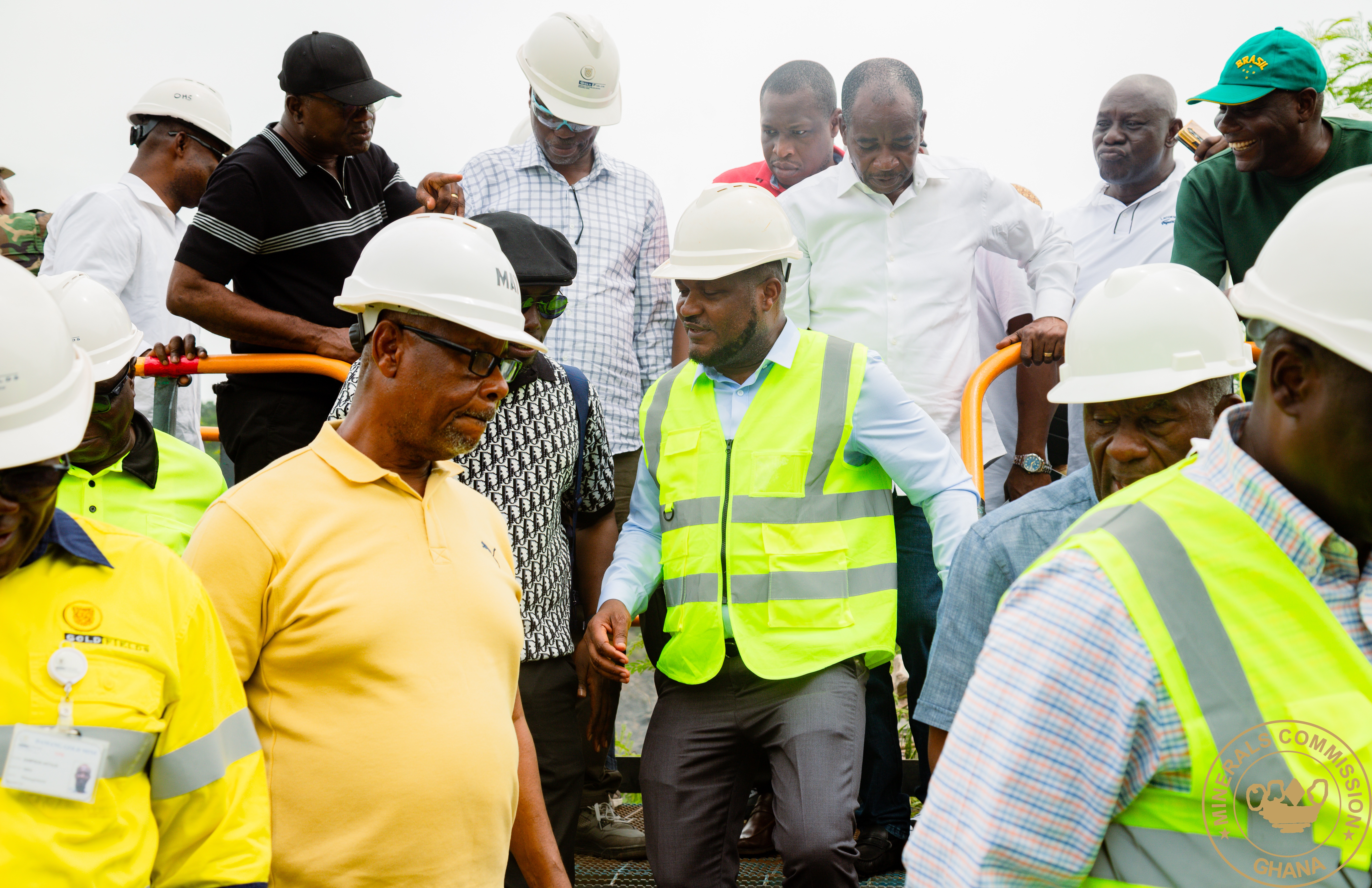
Damang Mine Handover
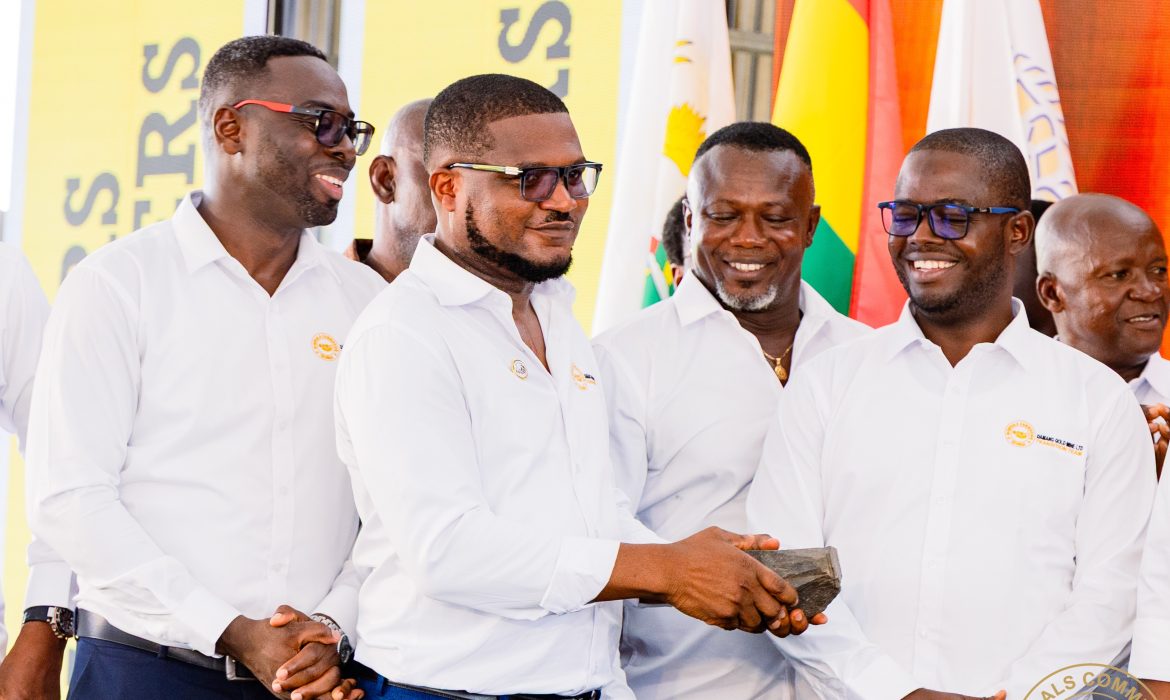
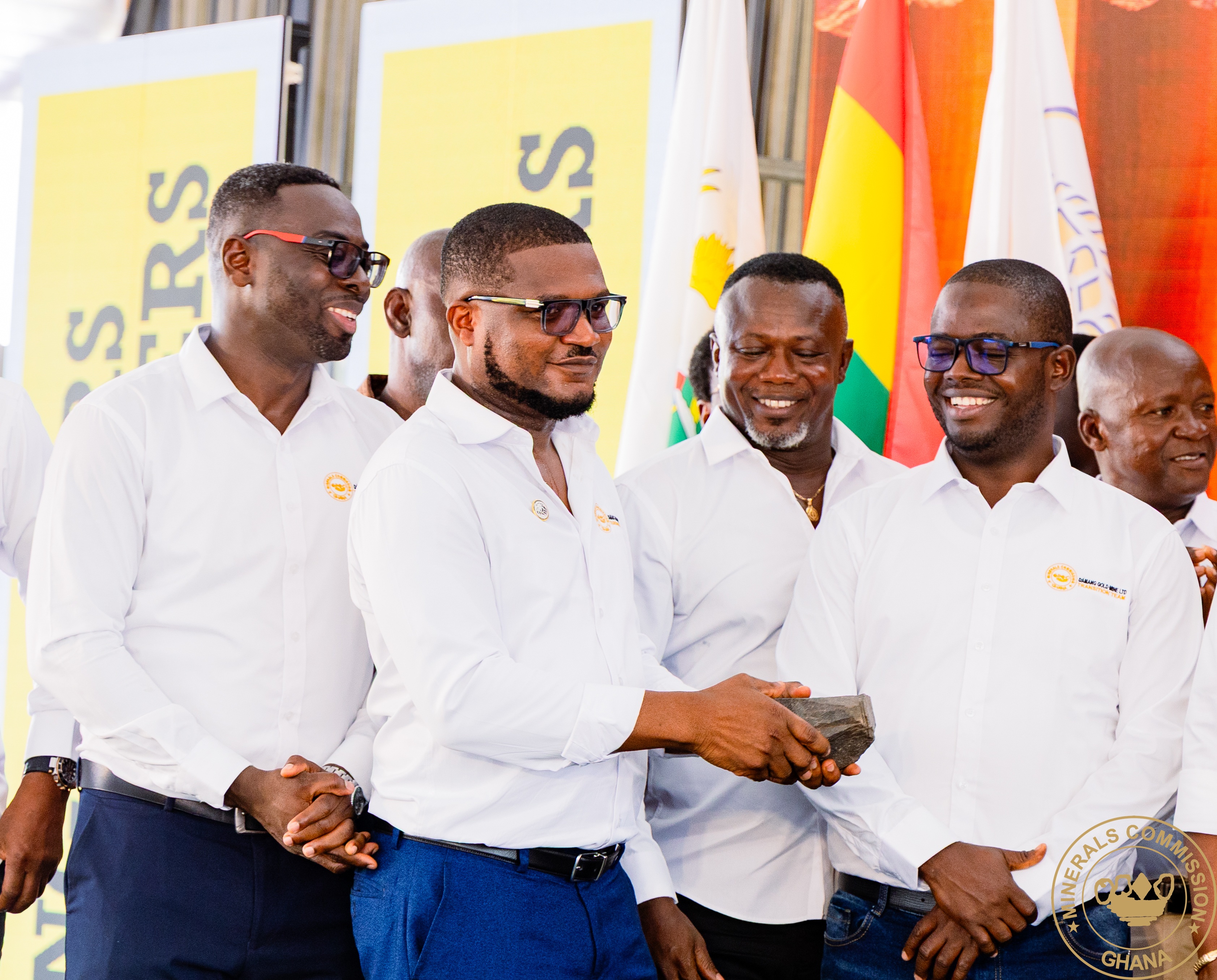
Damang Mine Handover: A Defining Moment for Regulatory Integrity and Local Participation in Ghana’s Mining Sector
The handover of the Damang Mine represents a significant milestone in Ghana’s mining sector, not merely as a transition of operatorship, but as a demonstration of a regulatory system functioning with integrity, transparency, and purpose. This moment reflects years of commitment to strengthening local participation within the industry, achieved through a structured and legally grounded process that reinforces confidence in Ghana’s institutional capacity to manage its mineral resources effectively.
At the core of this achievement is the unwavering mandate of the Minerals Commission to ensure that all mining activities are conducted strictly within the framework of the law. Throughout the transition, the Commission maintained its role as an impartial regulator, applying the same level of scrutiny and diligence to all stakeholders. This consistency is fundamental to building a credible and sustainable mining sector, where compliance is not selective but universally enforced.
As the Damang Mine enters a new phase under local operatorship, the Commission’s responsibility remains clear and uncompromised. It will continue to oversee environmental performance, enforce safety standards, monitor investment commitments, and ensure adherence to reporting obligations. The Commission’s approach remains firm to support where there is compliance and to act decisively where there are breaches, reinforcing the principle that accountability underpins sustainable resource management.
Ultimately, this milestone highlights the importance of collaboration between government, industry players, and regulatory institutions in advancing national development objectives. It also reaffirms the Commission’s commitment to protecting the interests of the Ghanaian people ensuring that mining activities deliver long-term value while safeguarding communities, workers, and the environment. As the sector evolves, the Minerals Commission remains vigilant, proactive, and dedicated to upholding the highest standards of regulation beyond this historic moment.
Ayeeko and congratulations to the stakeholders that supported in making this historic moment a success.
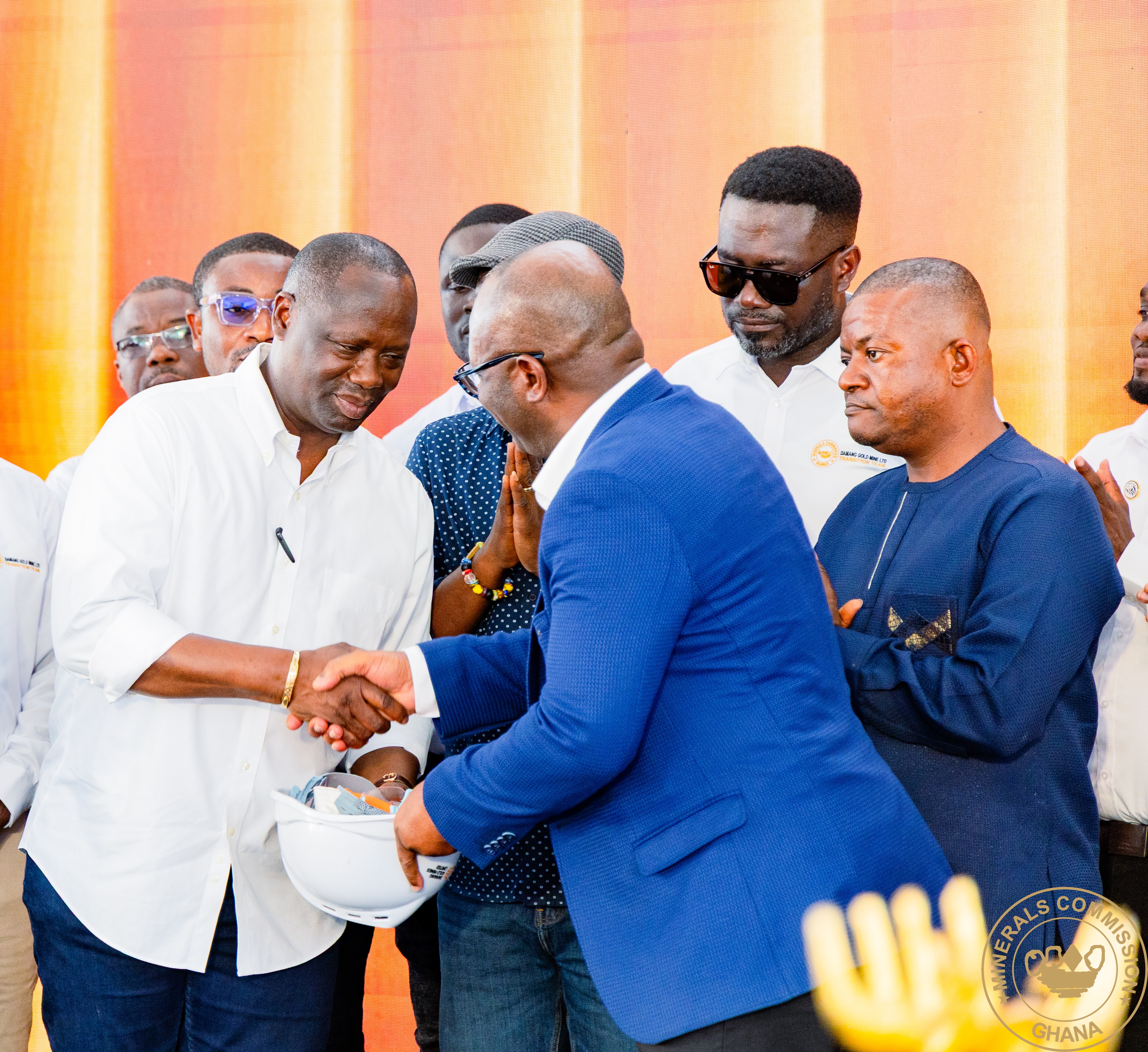
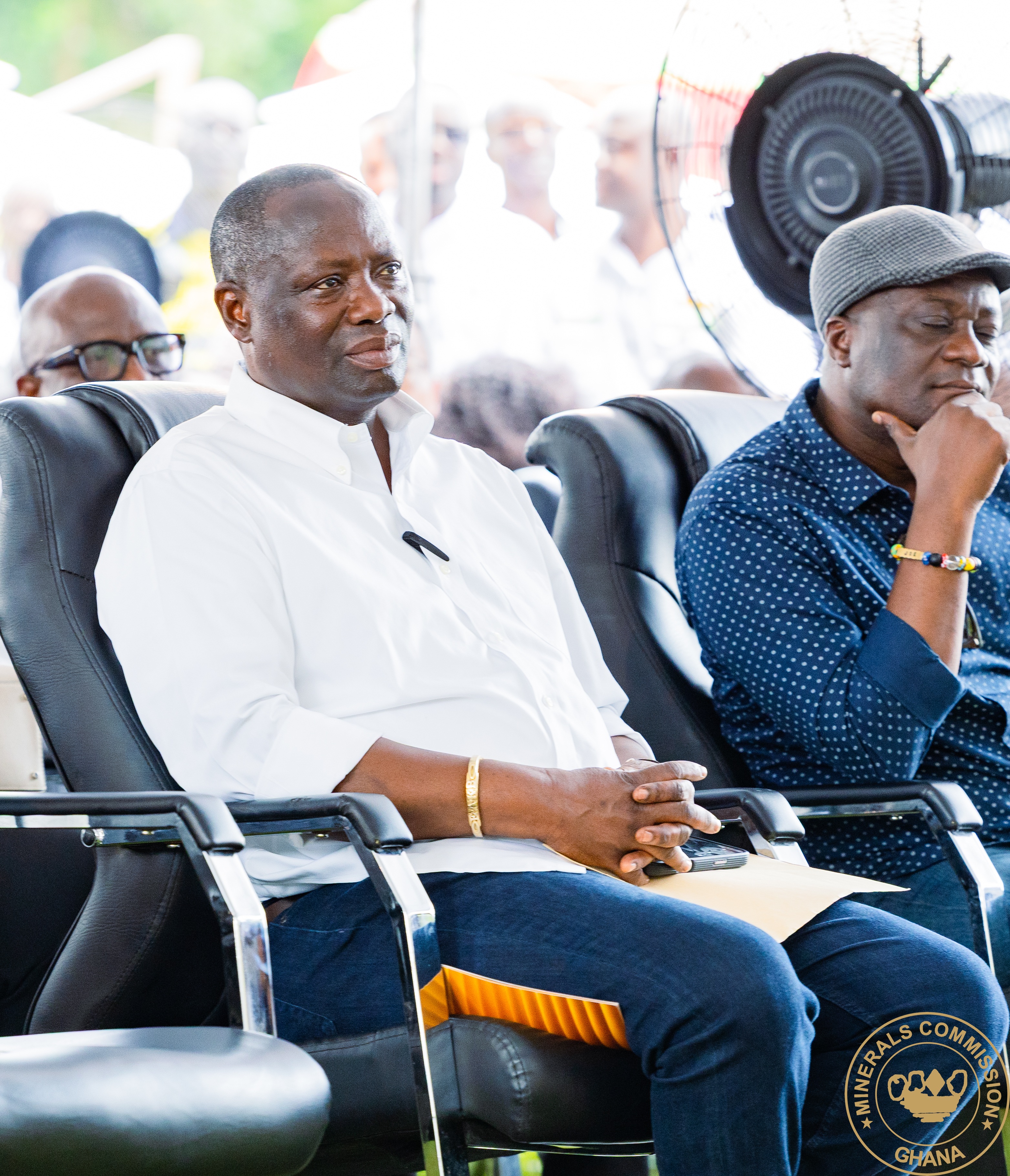
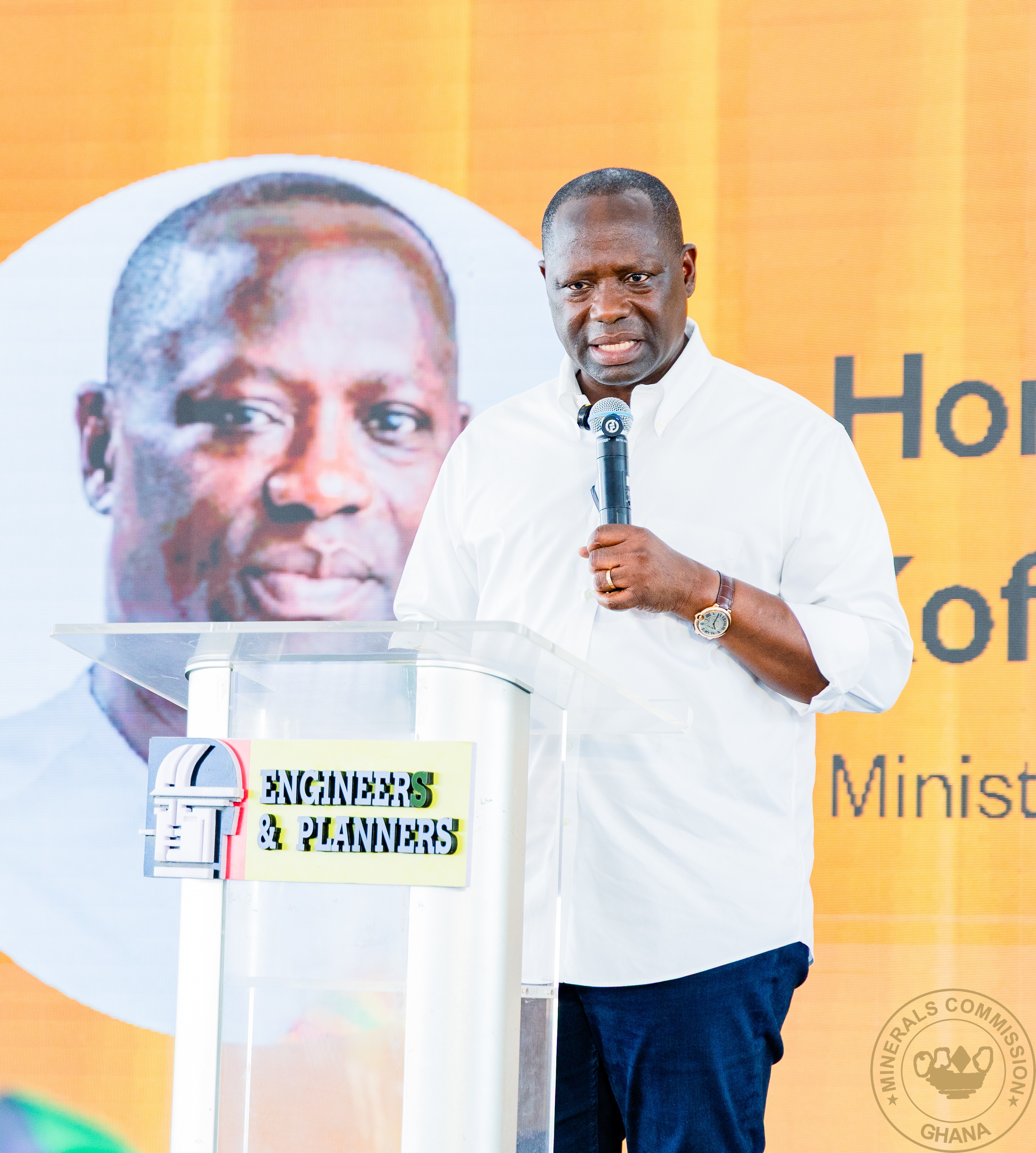
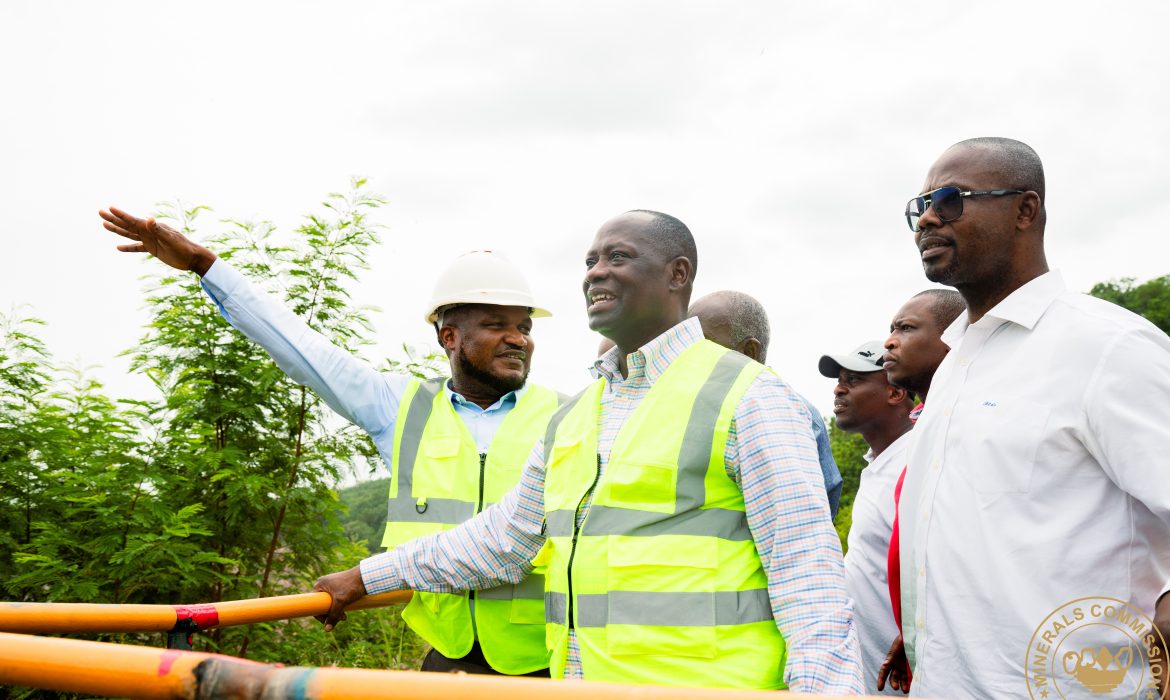
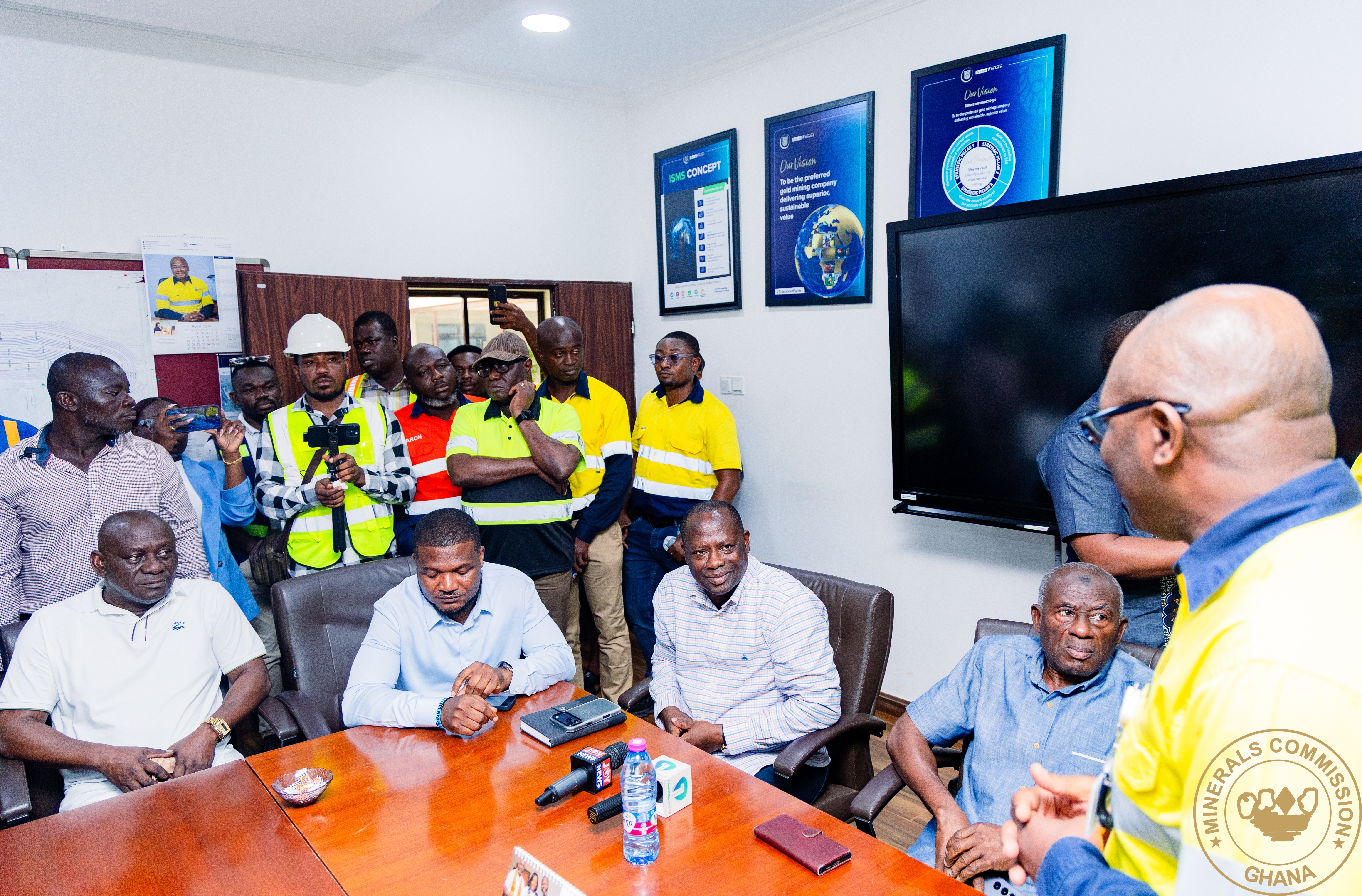
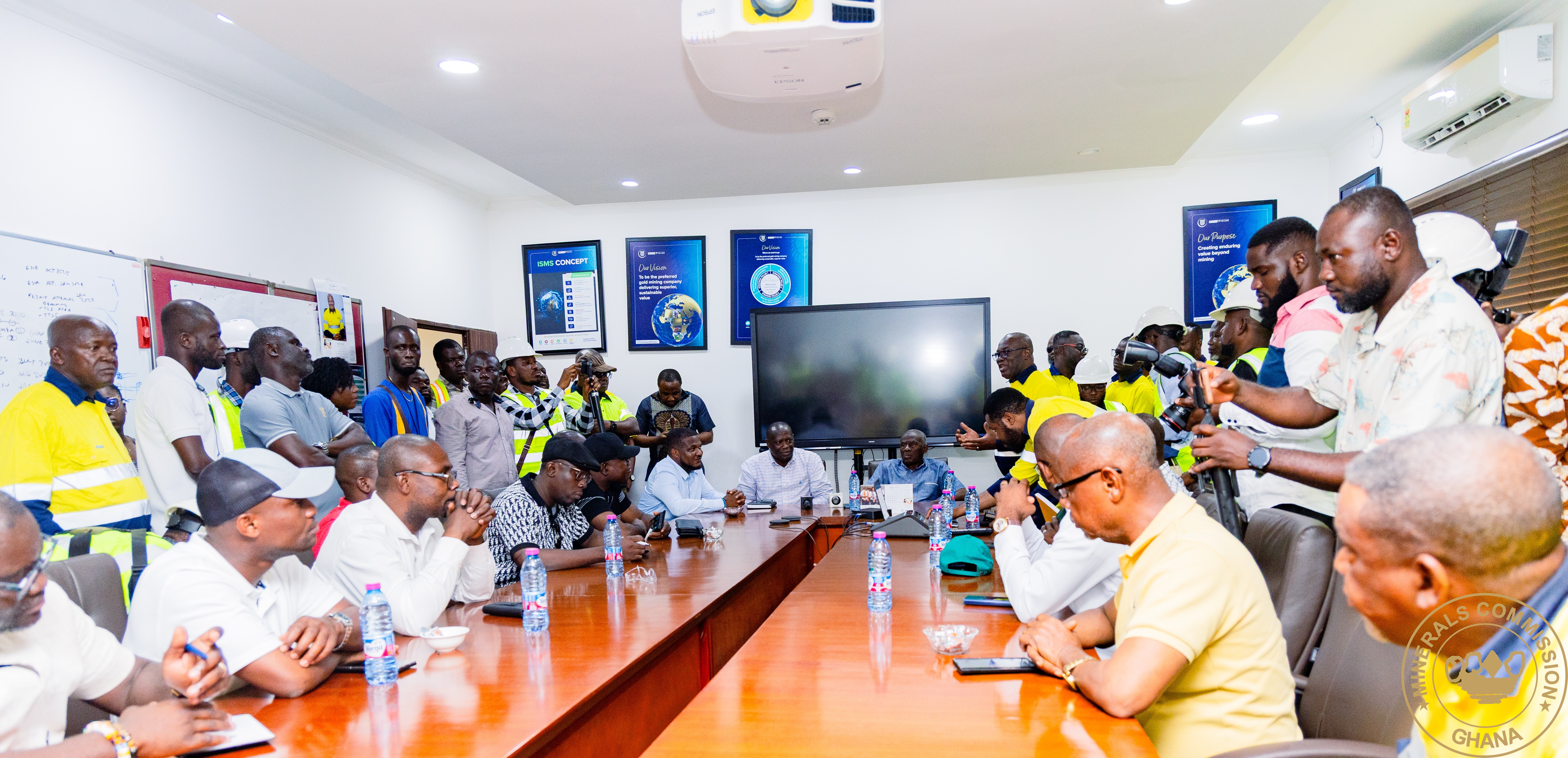
Minerals Commission Assures Stability, Regulatory Oversight in Damang Mine Operations
Minerals Commission Assures Stability, Regulatory Oversight in Damang Mine Operations
The Minerals Commission is taking proactive steps to ensure the long-term operational vitality of the Damang Mine as the current mining lease held by Gold Fields Limited nears its expiration.
Working in close collaboration with the Ministry of Lands and Natural Resources, the Commission is overseeing a seamless succession process designed to protect the livelihoods of all personnel and maintain the mine’s contribution to the national economy.
Central to this process is an unwavering commitment to job preservation. In line with the policy direction of the Minister for Lands and Natural Resources, Hon. Emmanuel Armah-Kofi Buah (MP), the Commission assures all stakeholders that this change in mine ownership will not result in job losses.
This assurance extends to every individual contributing to the mine’s success, including both direct employees and contract workers. The Commission recognizes that the skills and dedication of the Damang workforce are the mine’s greatest assets.
Protecting these livelihoods is a priority to ensure the continued economic health of the local communities that rely on the mine’s large-scale operations.
As the sector regulator, the Commission is managing every step of this succession in strict accordance with Ghana’s legal and regulatory frameworks to ensure operational continuity.
The Commission will ensure that any incoming operator meets the most stringent technical, financial, and environmental benchmarks.
A key requirement for any future investor will be a proven commitment to local content, community development, and responsible mining practices that deepen value within the Ghanaian mining chain.
The Commission is utilizing a transparent and competitive process to identify a highly competent investor capable of sustaining and expanding production levels.
The goal is to attract a responsible partner who will not only maintain current employment but also create new opportunities for socio-economic development.
The Commission remains a steadfast steward of Ghana’s mineral wealth, ensuring that the future of the Damang Mine serves as a global model for balancing investor confidence with the welfare of the Ghanaian people.
—End—
Board Charter for the Governing Board of Minerals Commission December 2025
Board Charter for the Governing Board of Minerals Commission December 2025
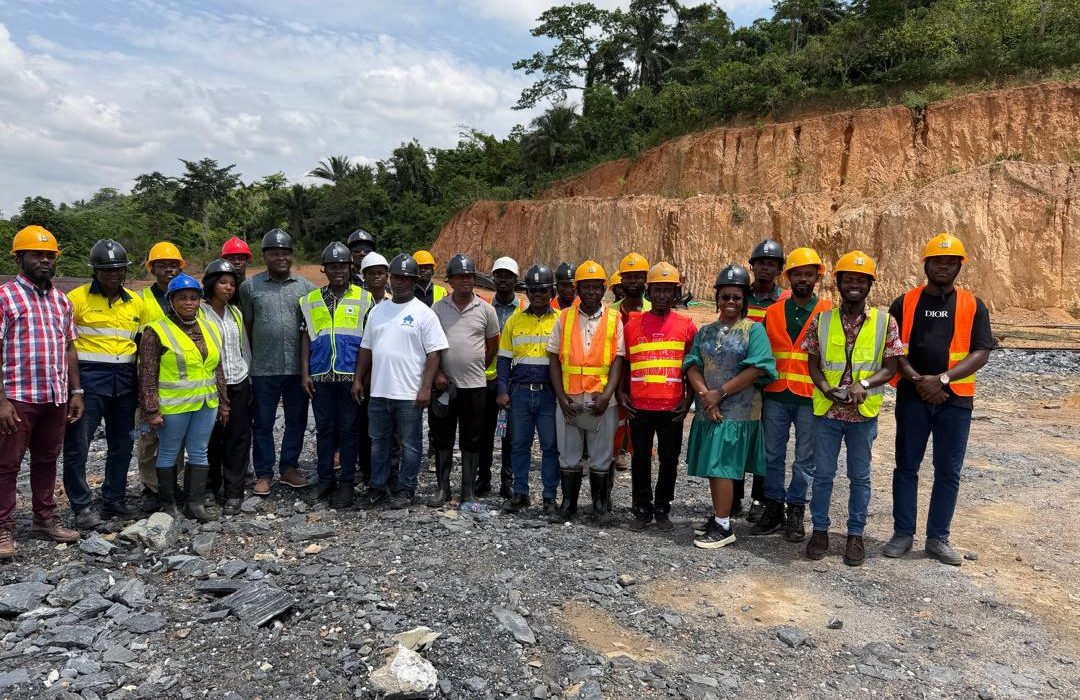
Minerals Commission Delegation Tours Ashanti Region, Engages Traditional Leaders, and Visits Model Small‑Scale Mining Operations
Minerals Commission Delegation Tours Ashanti Region, Engages Traditional Leaders, and Visits Model Small‑Scale Mining Operations
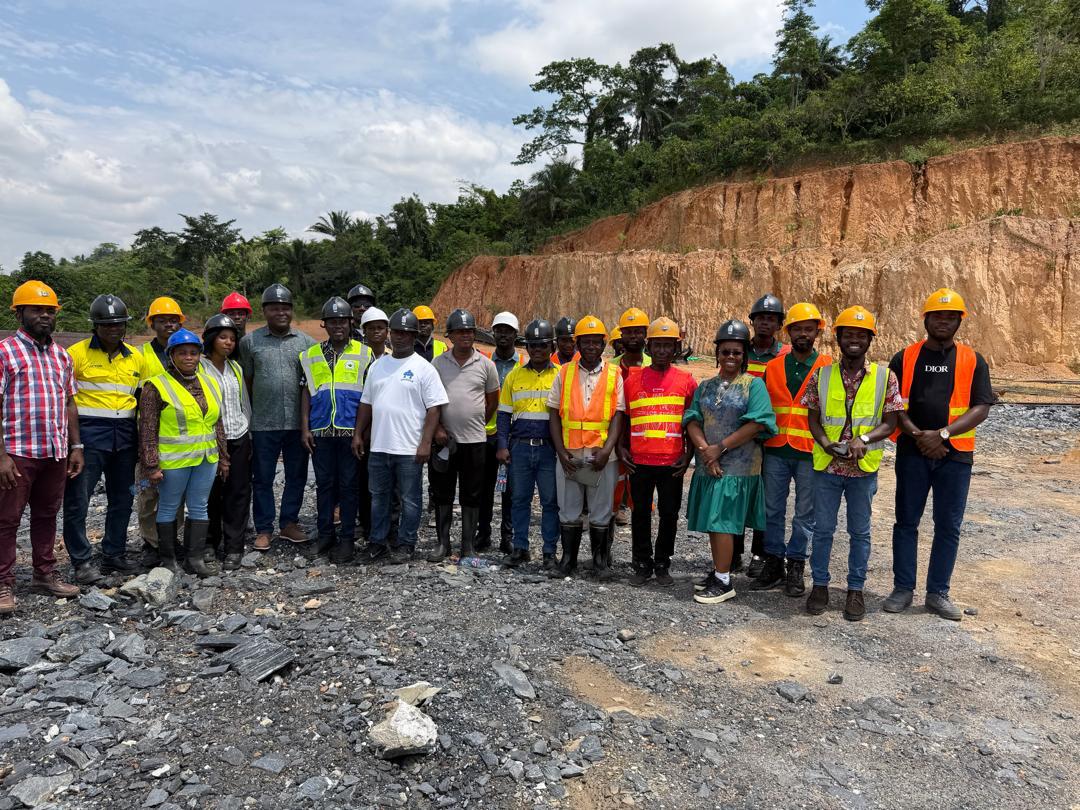
A high‑level 25-member delegation from the Minerals Commission, led by the Deputy Chief Executive Officer for Small‑Scale and Industrial Minerals, Mr. Maxwell Y. A. Klu, undertook a two‑day working visit to the Ashanti Region from March 25-26, 2026.
The visit forms part of the Commission’s ongoing efforts to strengthen collaboration with traditional authorities and promote responsible, formalized small‑scale mining across the country.
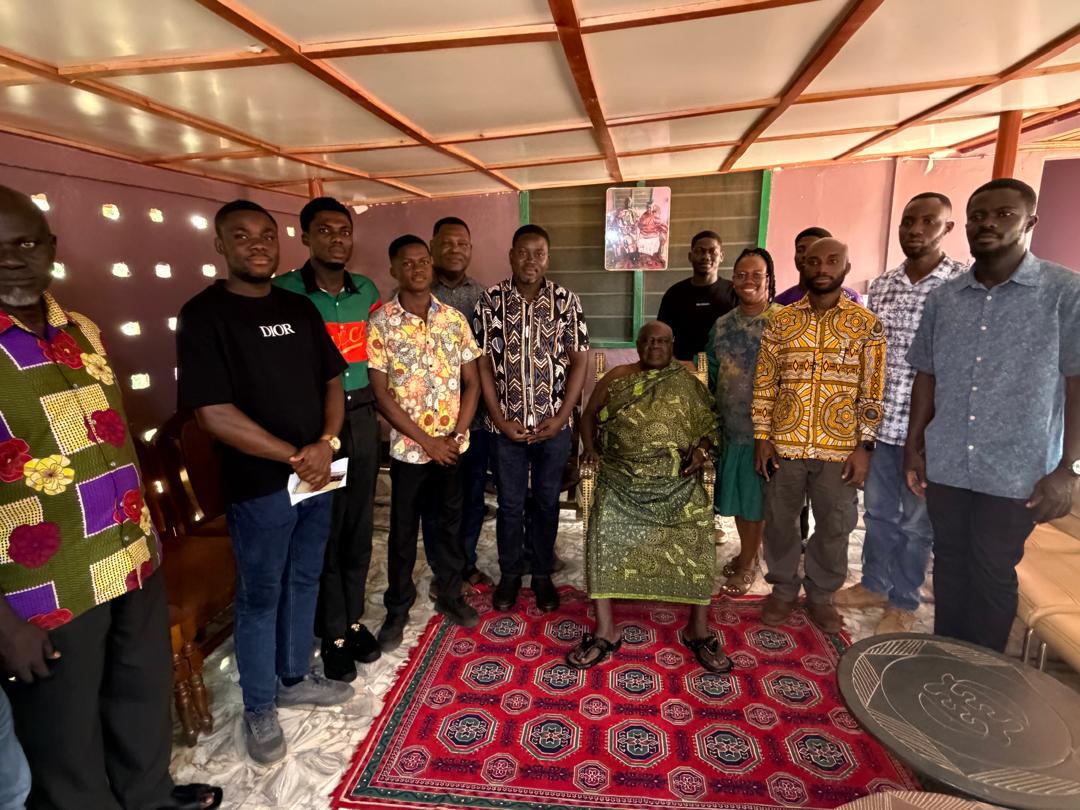
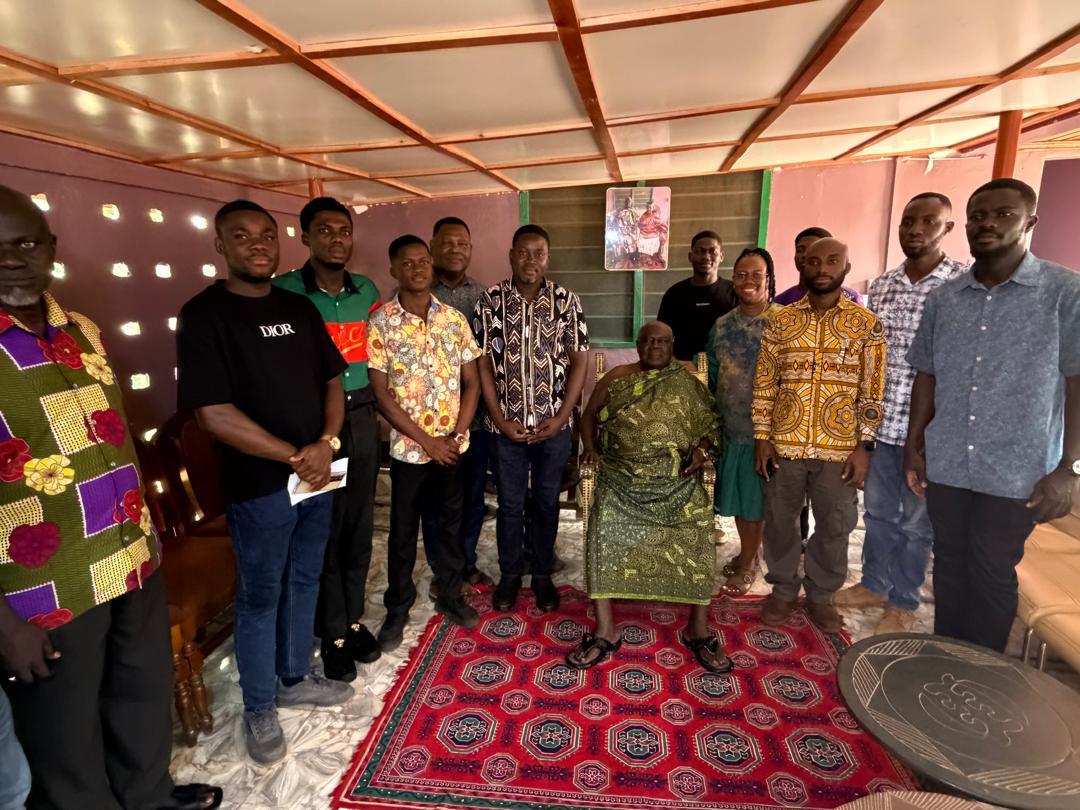
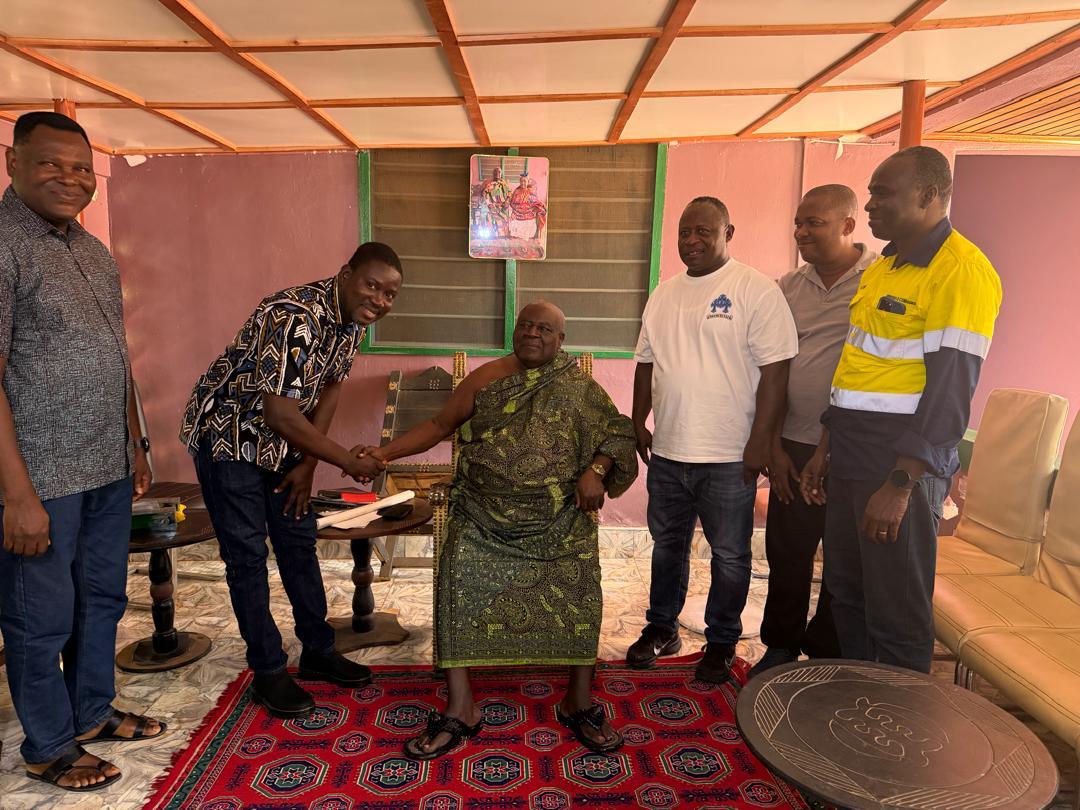
The delegation paid a courtesy call on Nana Osei Kwadwo II, Chief of Bekwai, and his elders. The Chief expressed concerns about inadequate involvement of traditional authorities in mining-related decision‑making.
Mr. Klu assured the Traditional Council that the Commission is implementing mechanisms to improve the participation of chiefs in licensing and regulatory processes. He emphasized that the Minerals Commission remains committed to building stronger partnerships with traditional leaders to ensure sustainable mineral resource management.
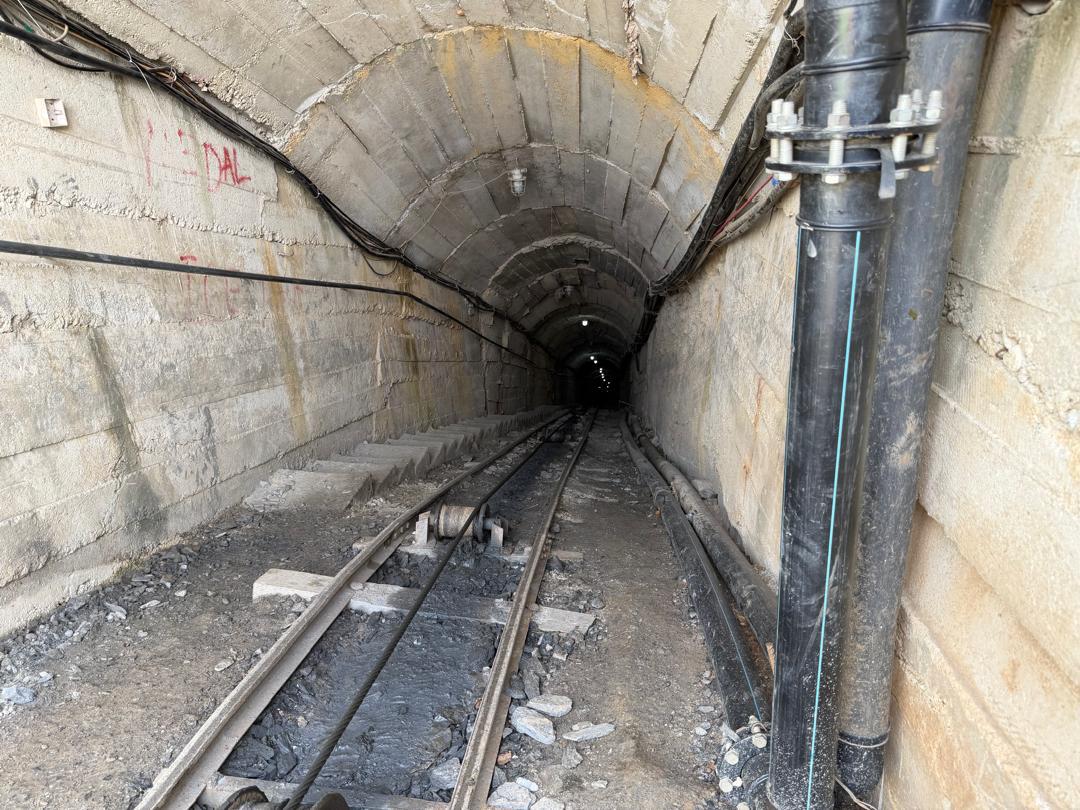
The team also toured the Akatekyieso Cooperative Mining site, operated by Mr. Michael Owusu. The site, which has transitioned from informal operations into a fully compliant underground mining facility, was praised for its job creation efforts and adherence to regulatory requirements.
Mr. Klu encouraged management to properly document their achievements and corporate social responsibility initiatives to position the mine as a model for responsible small‑scale operations. Mr. Owusu expressed appreciation to the Commission and called for continued technical and regulatory support.
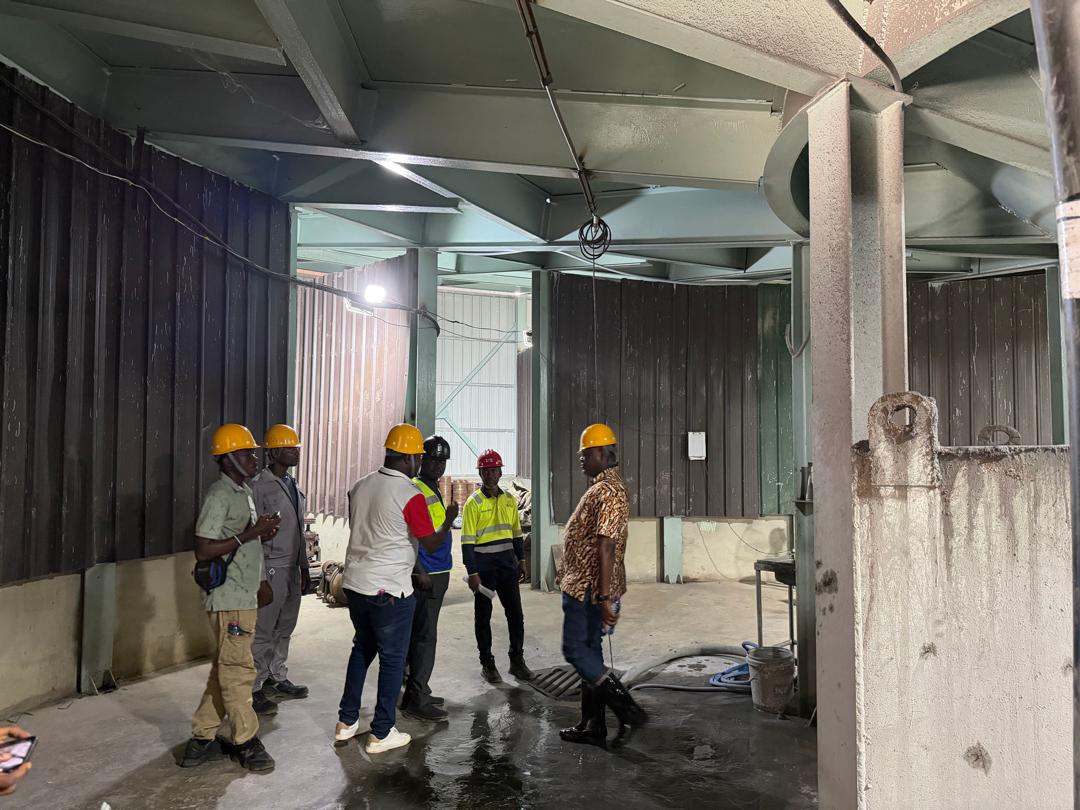
At Geocentric Mining Limited, the delegation was welcomed by Mr. Kendo Yeboah, the Manager, who highlighted the company’s recent progress. Formerly a small‑scale operation, Geocentric has expanded through the development of two new operational shafts and the commissioning of a modern processing plant last year.
Mr. Klu commended the company for maintaining responsible mining practices, stressing the need for technical competence and strict adherence to legal and environmental standards. He noted that sustainable mining principles apply to both small‑scale and large‑scale operators.
The two‑day tour reinforced the Commission’s dual commitment to deepening collaboration with traditional authorities, and promoting responsible, formalized small‑scale mining operations.
By engaging with cooperatives miners and licensed mining companies, the Commission continues to forge a sustainable pathway for the growth and transformation of Ghana’s mining sector.
—END—
Minerals Commission Commends Rabotec Asanko Partnership as Milestone for Local Content and Sustainable Mining in Ghana
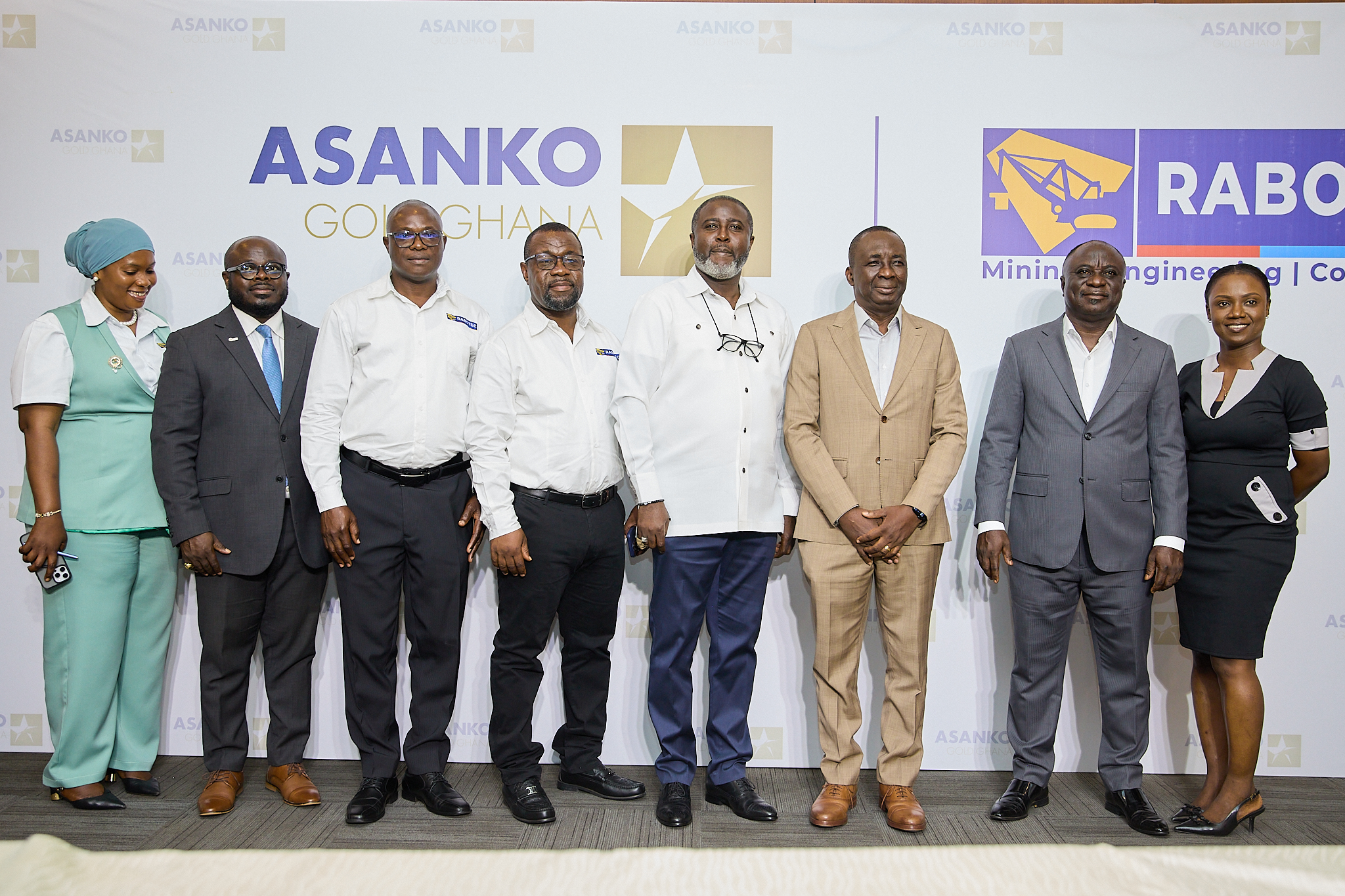
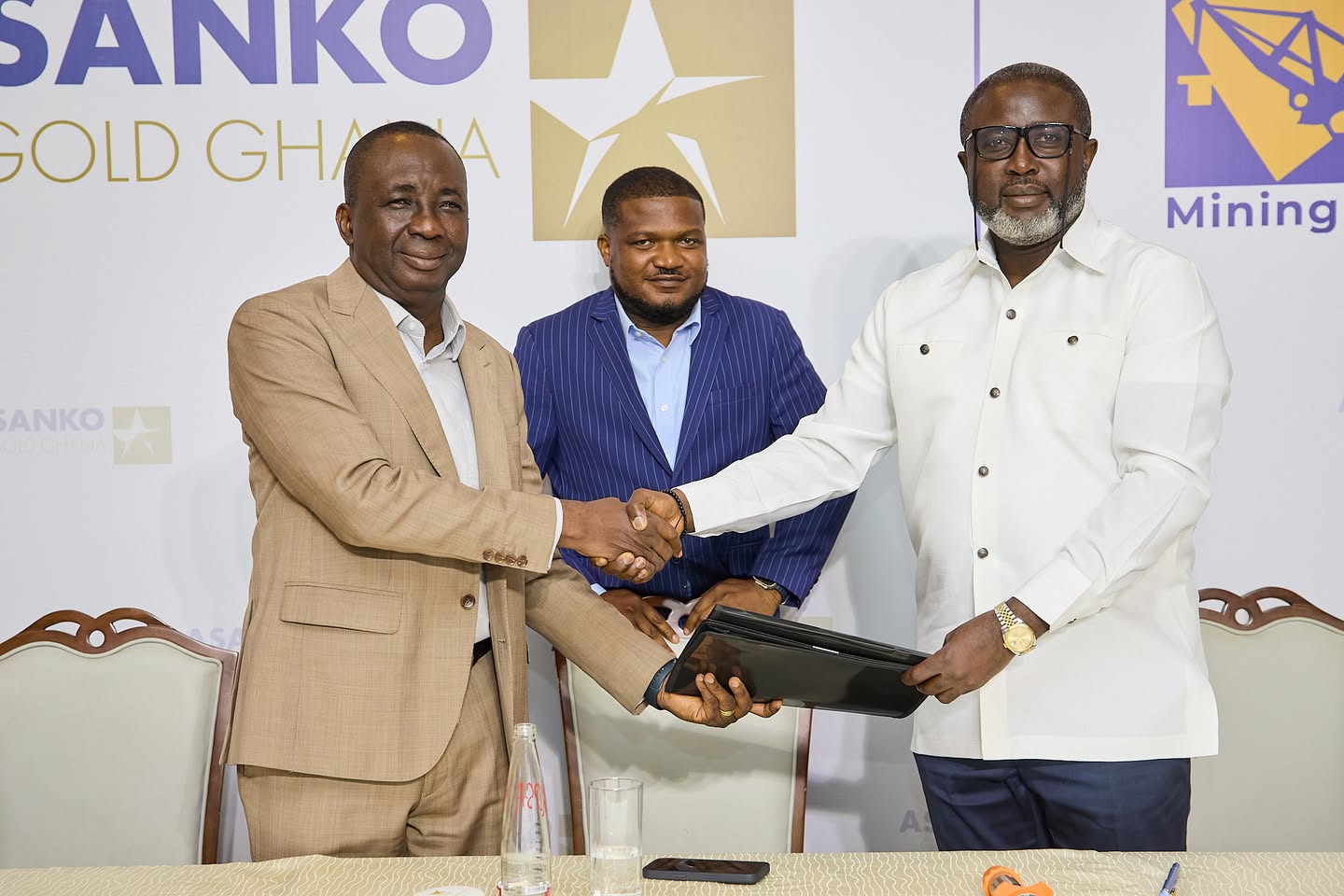
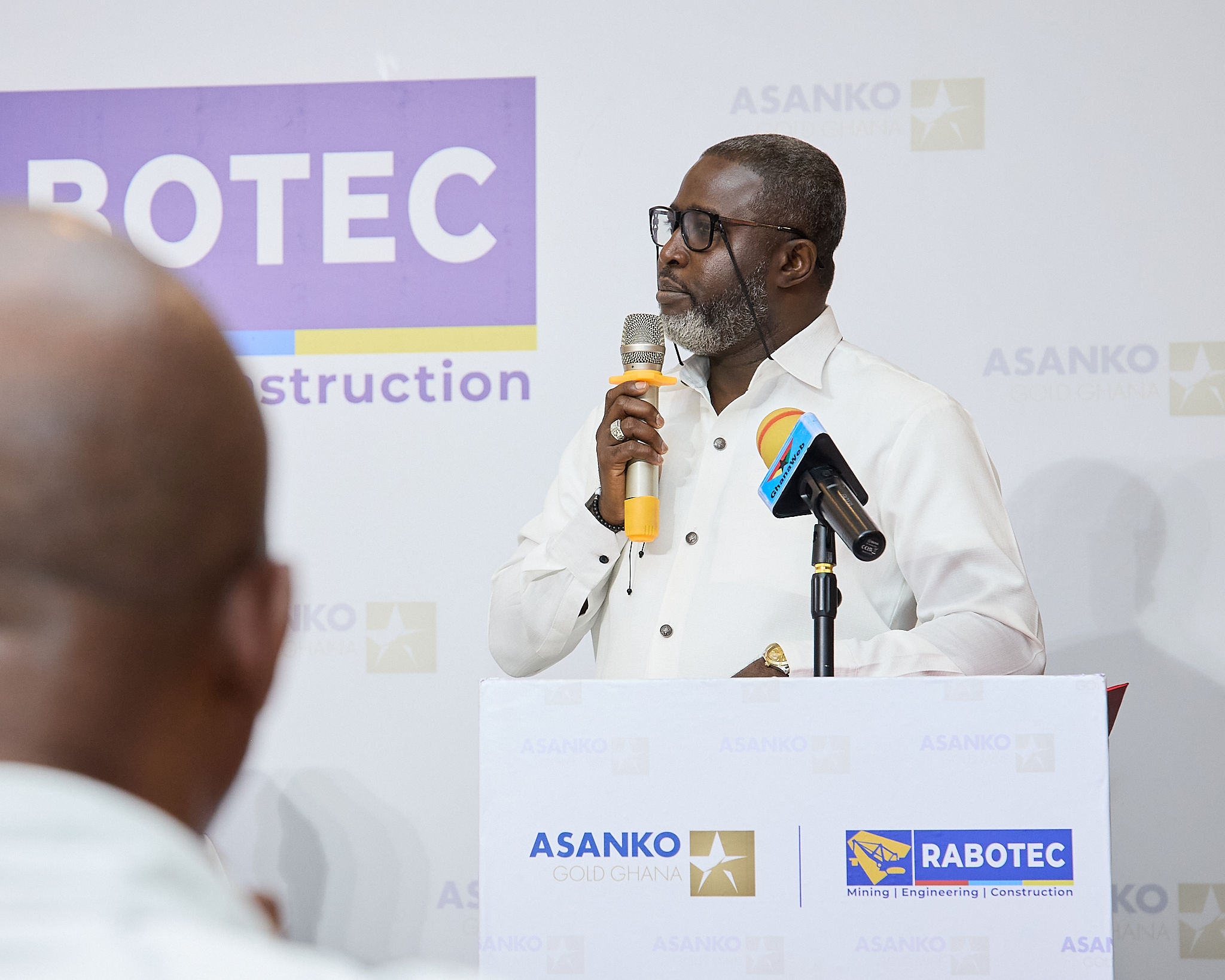
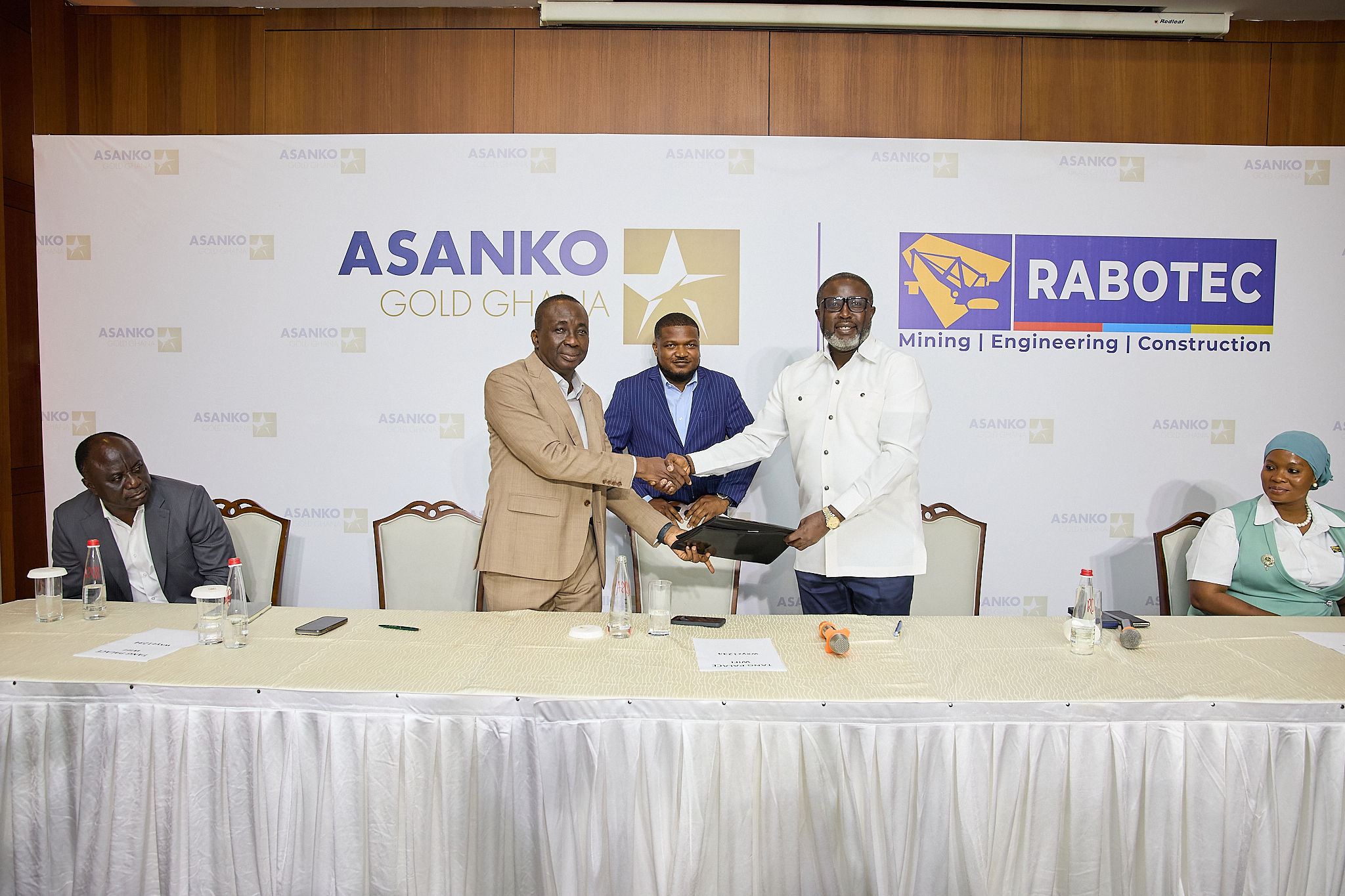
Minerals Commission Commends Rabotec–Asanko Partnership as Milestone for Local Content and Sustainable Mining in Ghana.
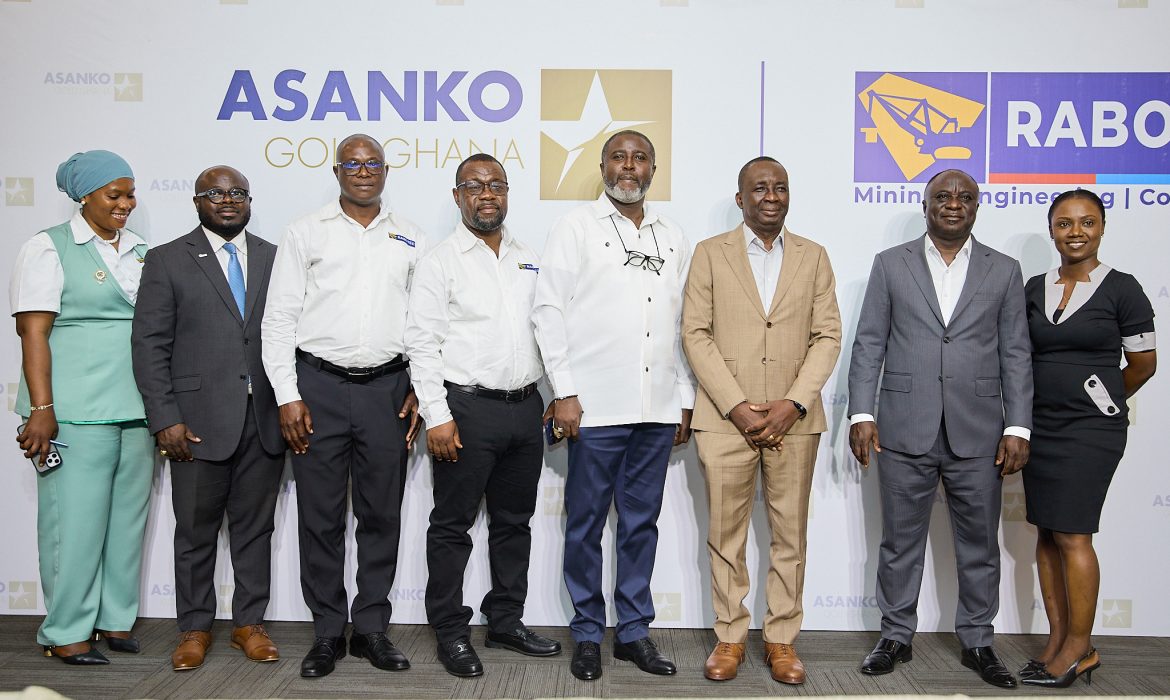
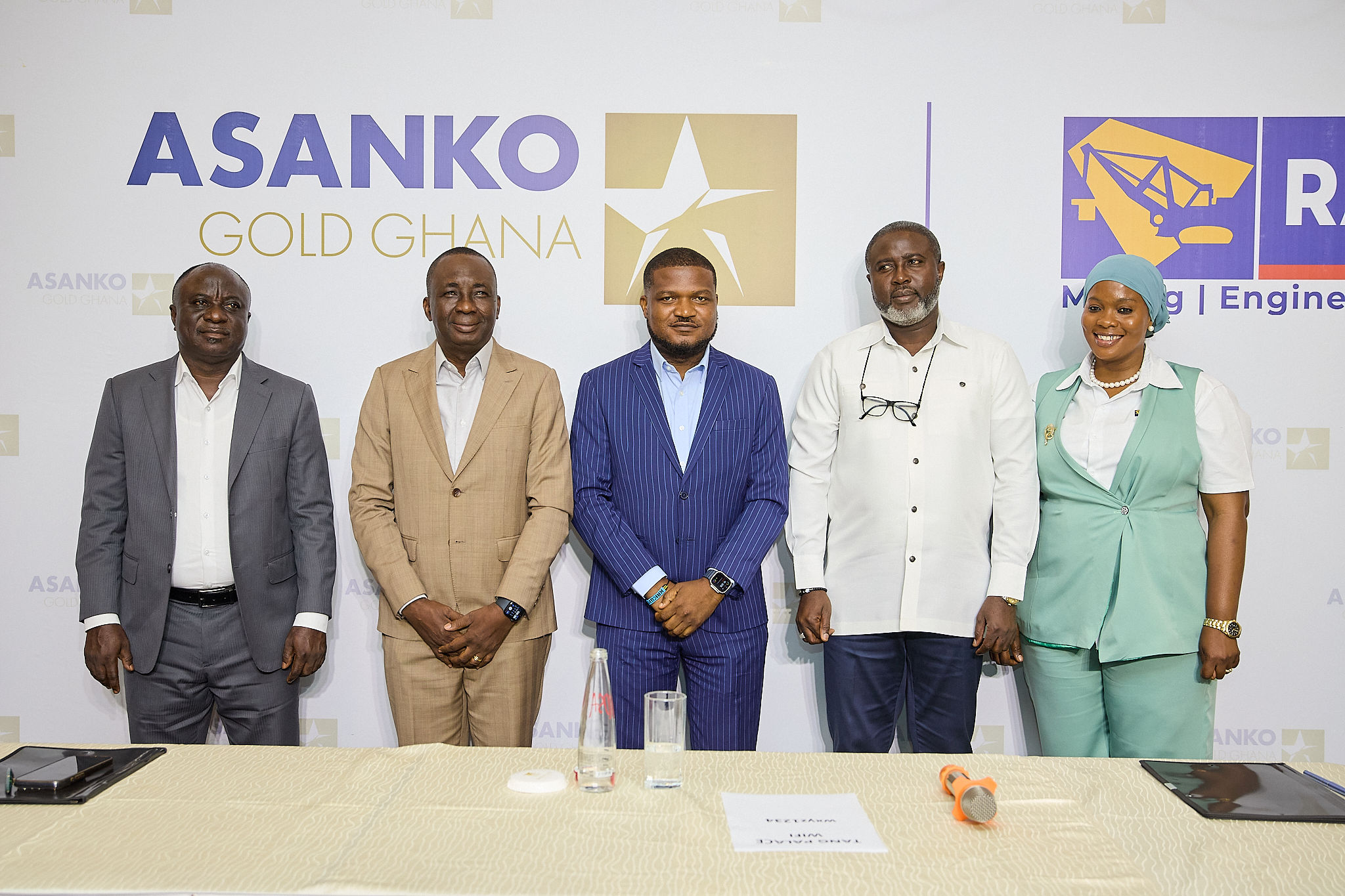
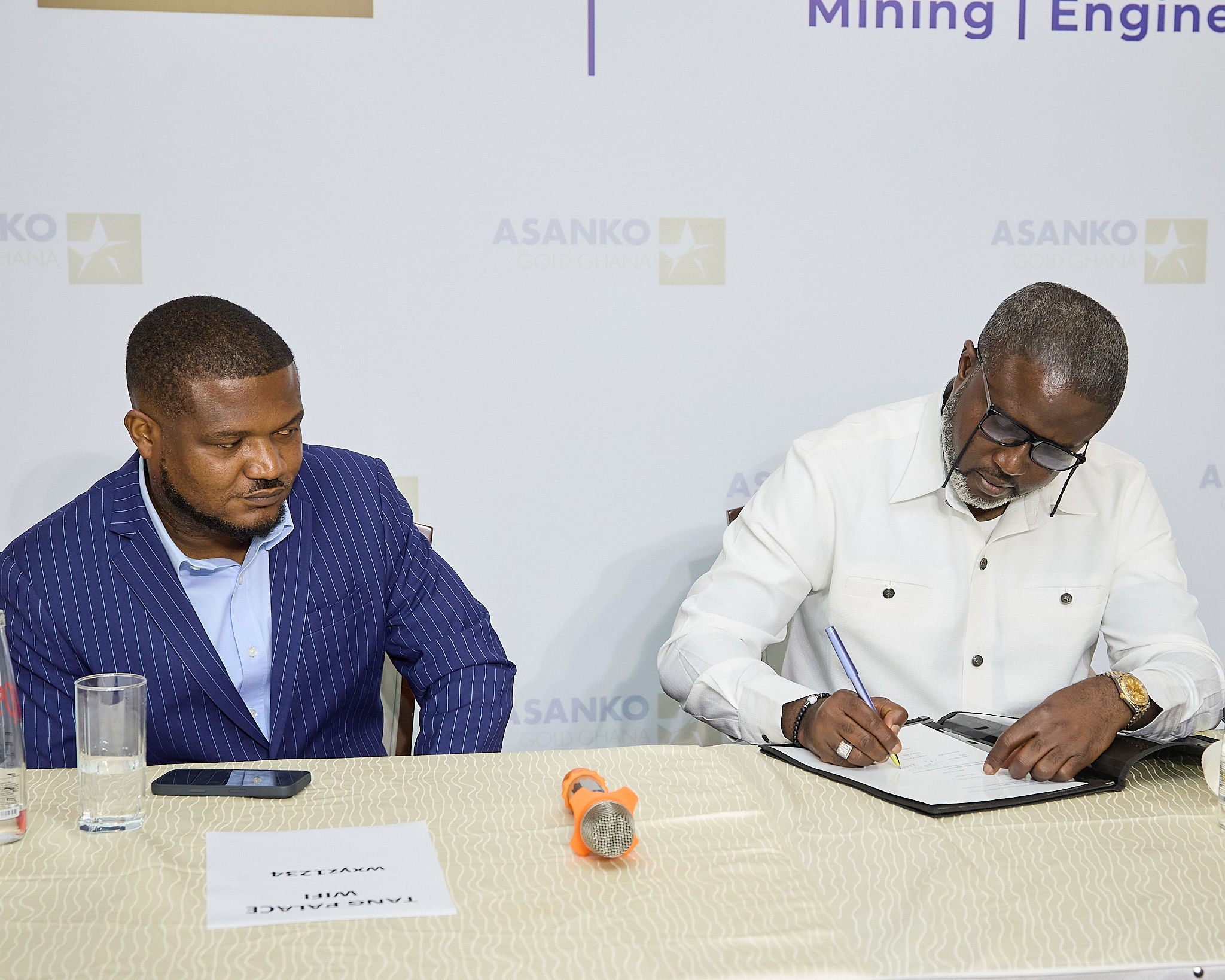
The Minerals Commission has welcomed the landmark partnership between Rabotec Ghana Limited and Asanko Gold Ghana Limited, describing it as a significant step forward in advancing Ghana’s local content agenda and strengthening sustainable investment within the mining sector.
The agreement, valued at approximately $400 million over a four-year period, is expected to deepen indigenous participation in mining operations while driving employment, skills development, and value retention within the local economy. Industry stakeholders note that the partnership reflects a deliberate shift toward empowering Ghanaian-owned companies to operate at globally competitive standards, while ensuring that the benefits of mineral resource exploitation are more broadly shared across the country.
Speaking on the development, the Chief Executive Officer of the Minerals Commission, Mr. Isaac Tandoh, underscored the Commission’s strong commitment to policies that promote local content and local participation, emphasizing that such strategic collaborations are critical to building a resilient and inclusive mining sector. The deal is projected to generate approximately 3,000 direct jobs and 5,000 indirect jobs, while also strengthening local supply chains and enhancing technical capacity among Ghanaian firms.
Mr. Tandoh noted that the partnership aligns with the government’s broader vision of ensuring that Ghana’s mineral wealth translates into sustainable socio-economic development. He highlighted that beyond job creation, the agreement represents a long-term investment in human capital development, positioning Ghanaians to take on increasingly complex roles across the mining value chain.
The CEO of the Commission further commended both companies for prioritizing local participation and maintaining high operational standards, stressing that the success of Ghana’s mining industry depends not only on resource extraction but also on the deliberate development of local expertise and enterprise. The collaboration is also expected to stimulate economic activity in host communities, reinforcing the link between responsible mining and community development.
Reaffirming its regulatory mandate, the Commission pledged continued support for initiatives that enhance local content, promote environmental sustainability, and ensure strict compliance with industry regulations. The Commission stressed that partnerships of this nature serve as a model for future investments in which economic growth, job creation, and responsible resource management are pursued in tandem.
The Rabotec-Asanko agreement ultimately signals a strong vote of confidence in Ghana’s mining sector and its policy direction, positioning the country as a leading destination for sustainable mining investment in Africa.
END.
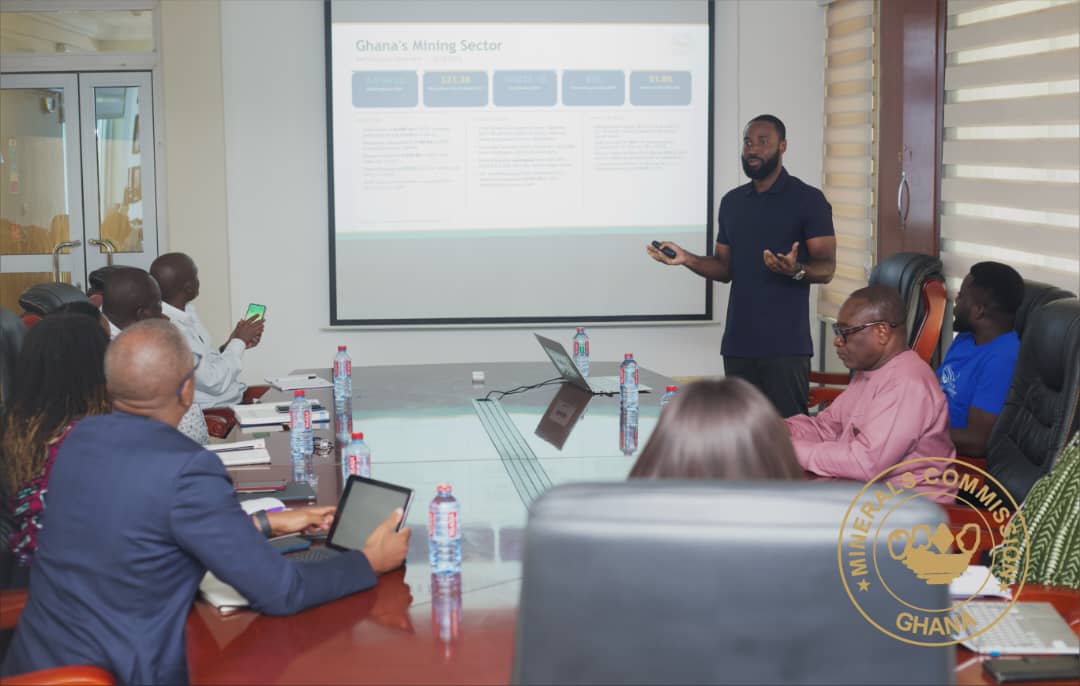
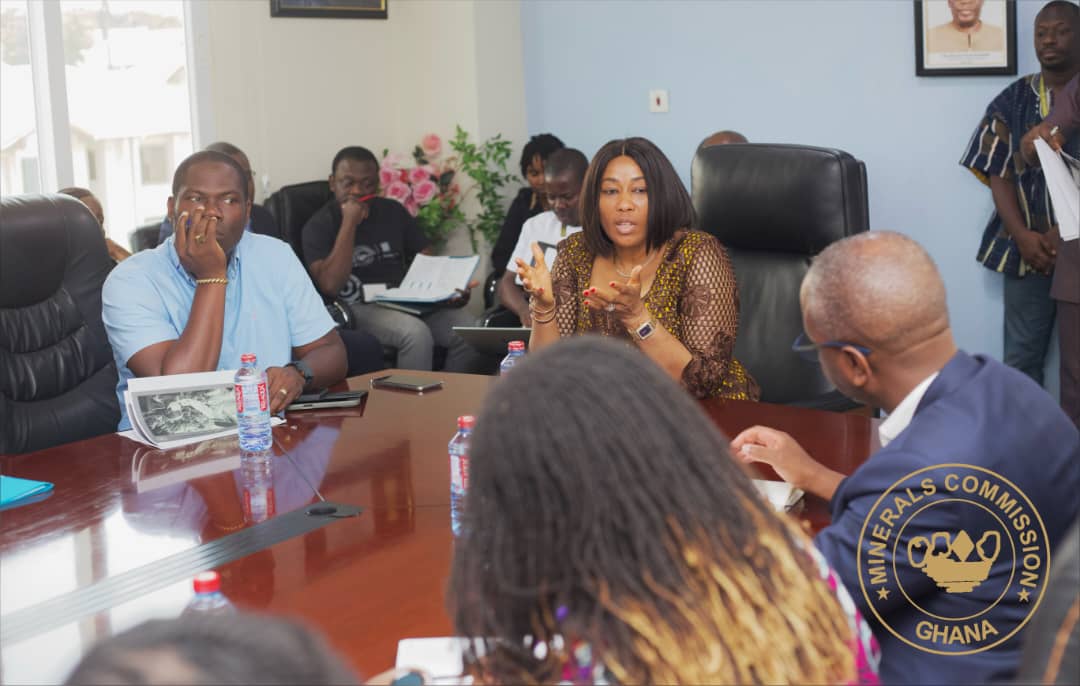
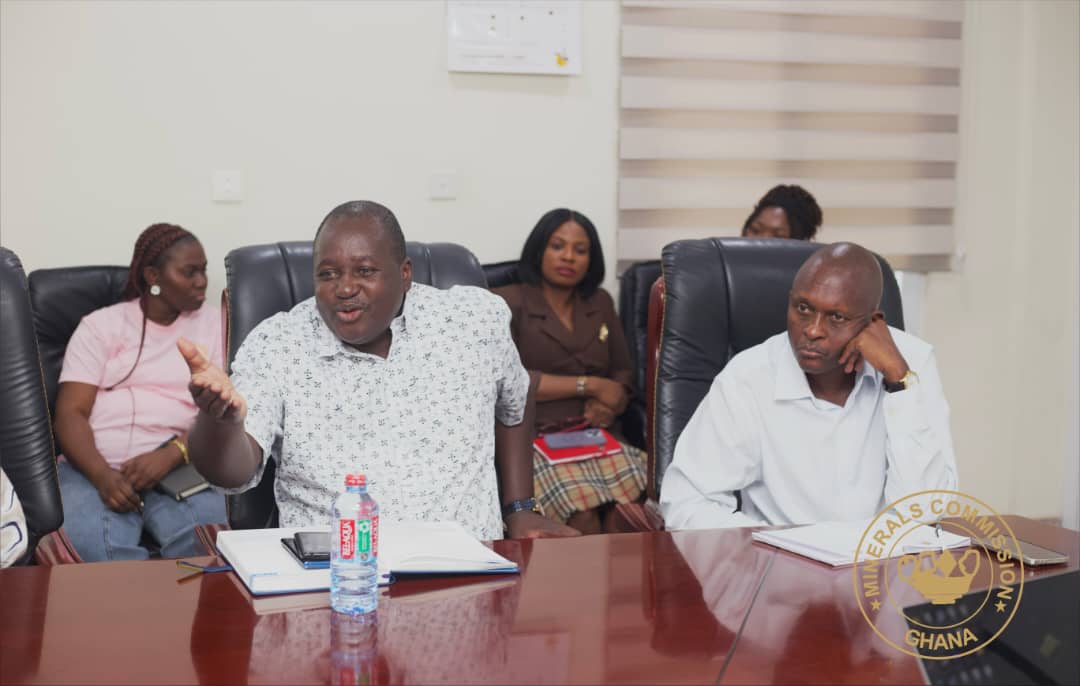
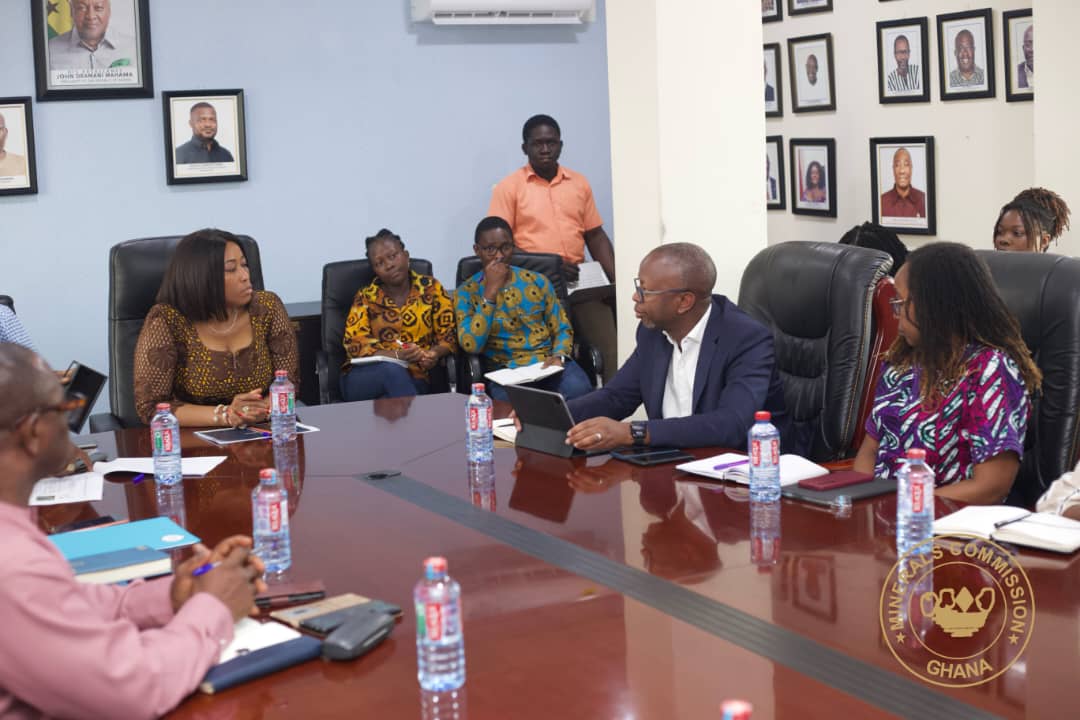
Minerals Commission Hosts Central Bank of Kenya Delegation on Study Visit
Minerals Commission Hosts Central Bank of Kenya Delegation on Study Visit
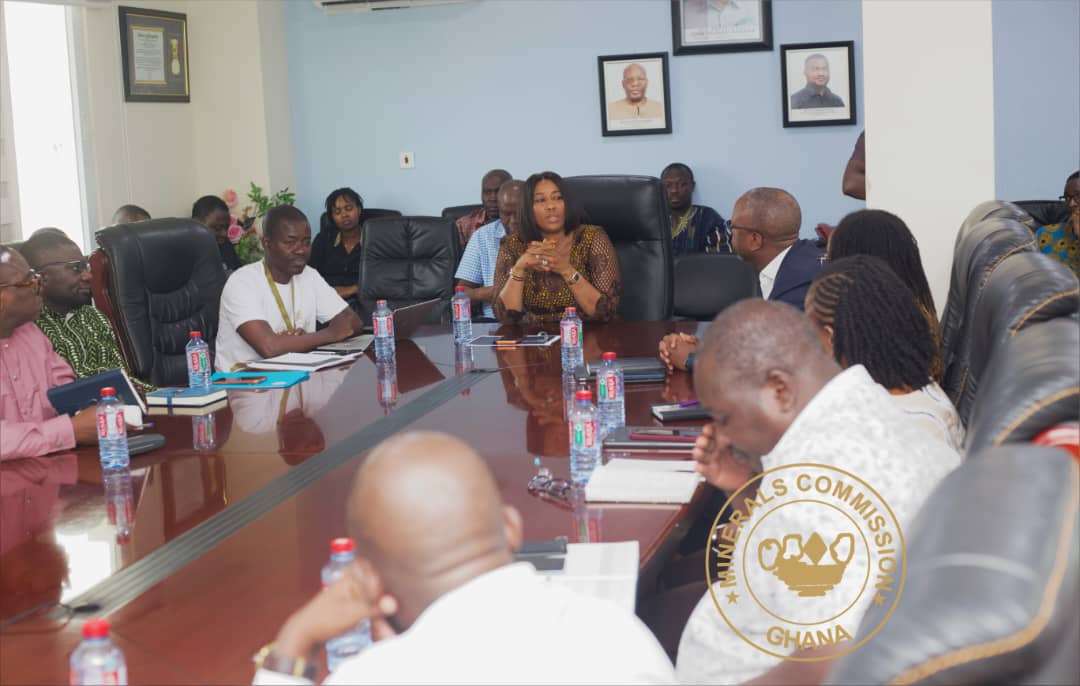
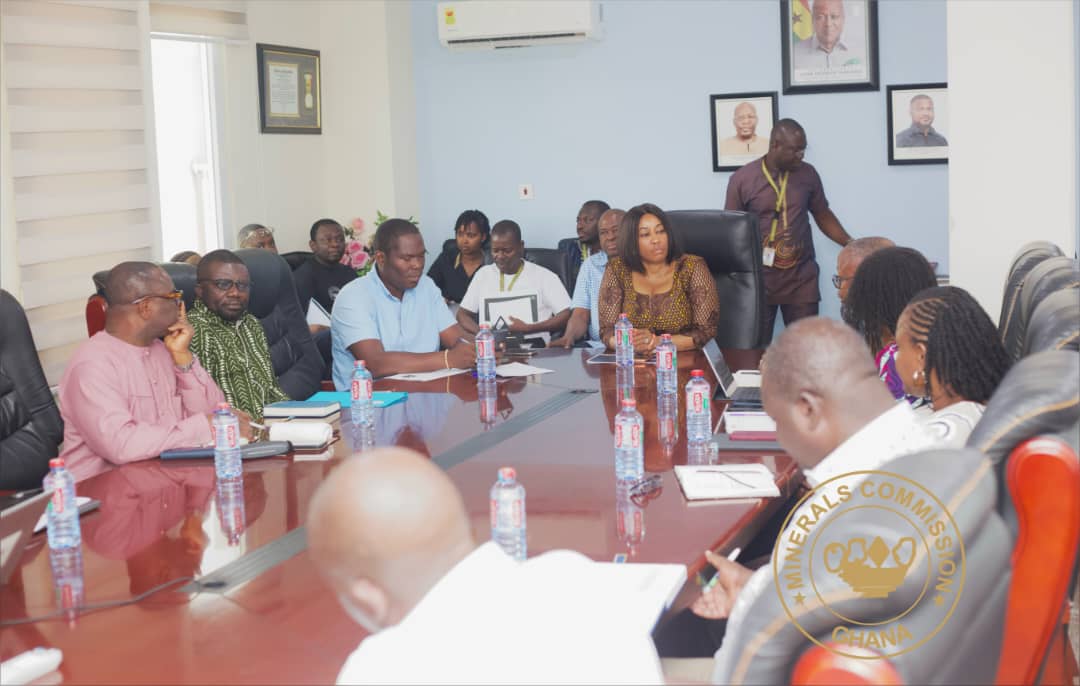
Accra, March 27, 2026 – The Minerals Commission of Ghana welcomed a nine-member delegation from the Central Bank of Kenya (CBK), led by Mr. David Luusa, Director of Financial Markets, to its head office in Accra for a study visit focused on Ghana’s minerals regulatory framework and its support for the Domestic Gold Purchase Programme (DGPP).
Facilitated through the Bank of Ghana’s Gold Management Office, the visit was initiated at the request of the CBK to gain deeper insight into the operational structures, regulatory mechanisms, and institutional collaboration underpinning Ghana’s gold purchase and management system.
During the engagement, Madam Victoria Awuni, Deputy Chief Executive Officer in charge of Policy Planning, Mineral Titles, and Local Content, led discussions on the Commission’s mandate, licensing procedures, monitoring and compliance systems, and its partnership with the Bank of Ghana in strengthening the DGPP. The dialogue also highlighted reforms aimed at promoting responsible mining, enhancing transparency, and maximizing the mineral sector’s contribution to national development.
The CBK’s visit underscores growing regional recognition of Ghana’s innovative gold management framework, which has contributed to improved foreign reserve stability and greater formalization within the artisanal and small-scale mining value chain.
The Commission reaffirmed its commitment to advancing cooperation with regional partners and expressed readiness to support Kenya’s efforts to enhance its minerals governance and gold reserves strategy.
tender notice for selection of strategic investor for the lease and operation of the damang gold mine
TENDER NOTICE FOR SELECTION OF STRATEGIC INVESTOR FOR THE LEASE AND OPERATION OF THE DAMANG GOLD MINE
TENDER APPLICATION FORM
APPLICABLE FEE-TENDER NOTICE
Caution to the General Public on Fraudulent Emails and Impersonation
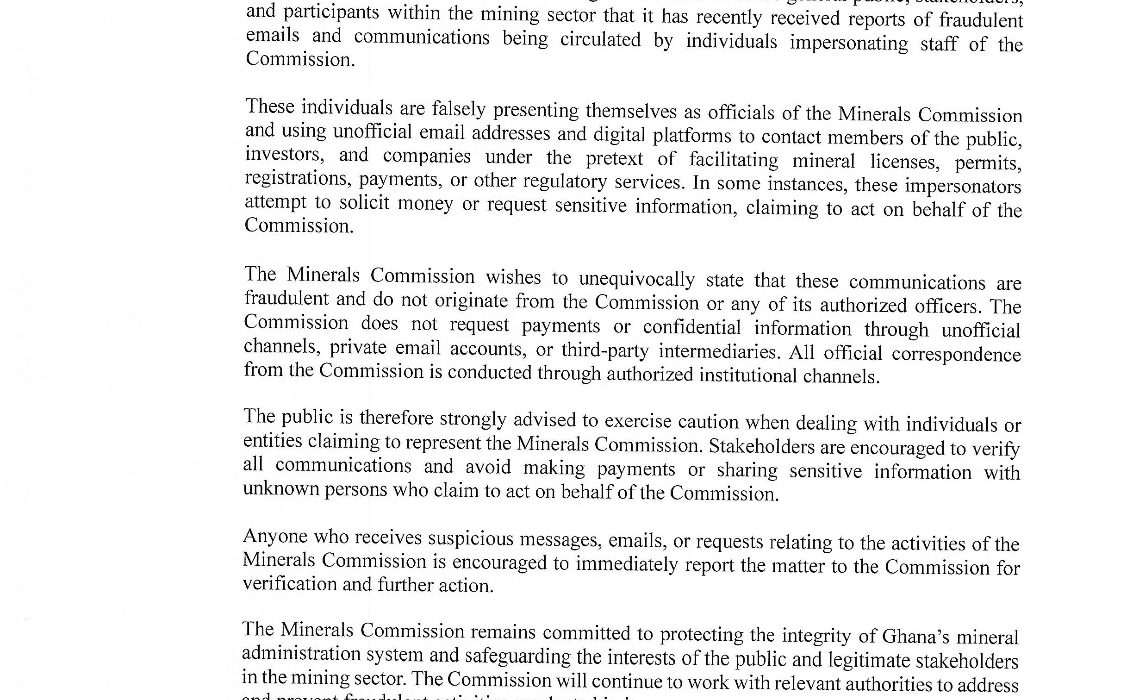
CAUTION TO THE GENERAL PUBLIC ON FRAUDULENT EMAILS AND IMPERSONATION
The Minerals Commission has issued an urgent public notice regarding individuals impersonating staff to solicit money and sensitive information for mining licences and permits.
Stakeholders are strictly advised that all official business is conducted only through authorized institutional channels, never via private emails or third-party intermediaries.
The public should exercise extreme caution, verify all communications, and immediately report any suspicious requests to the Commission.
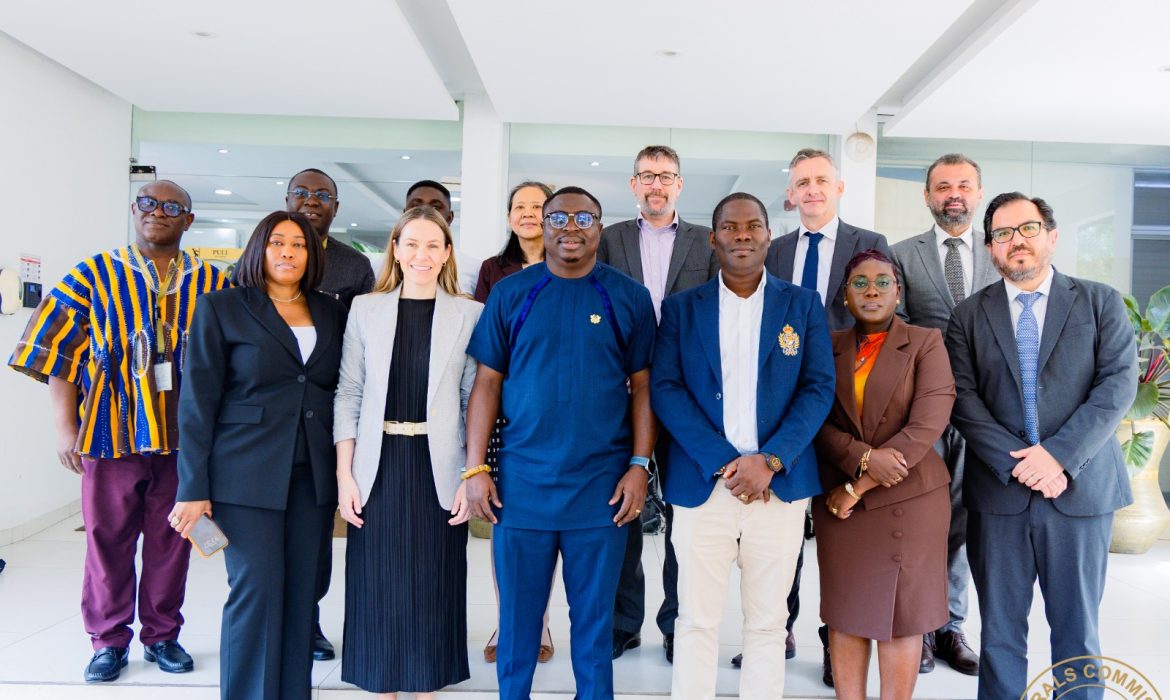
Minerals Commission Engages IMF Mission to Strengthen Transparency and Accountability in Ghana’s Mining Sector
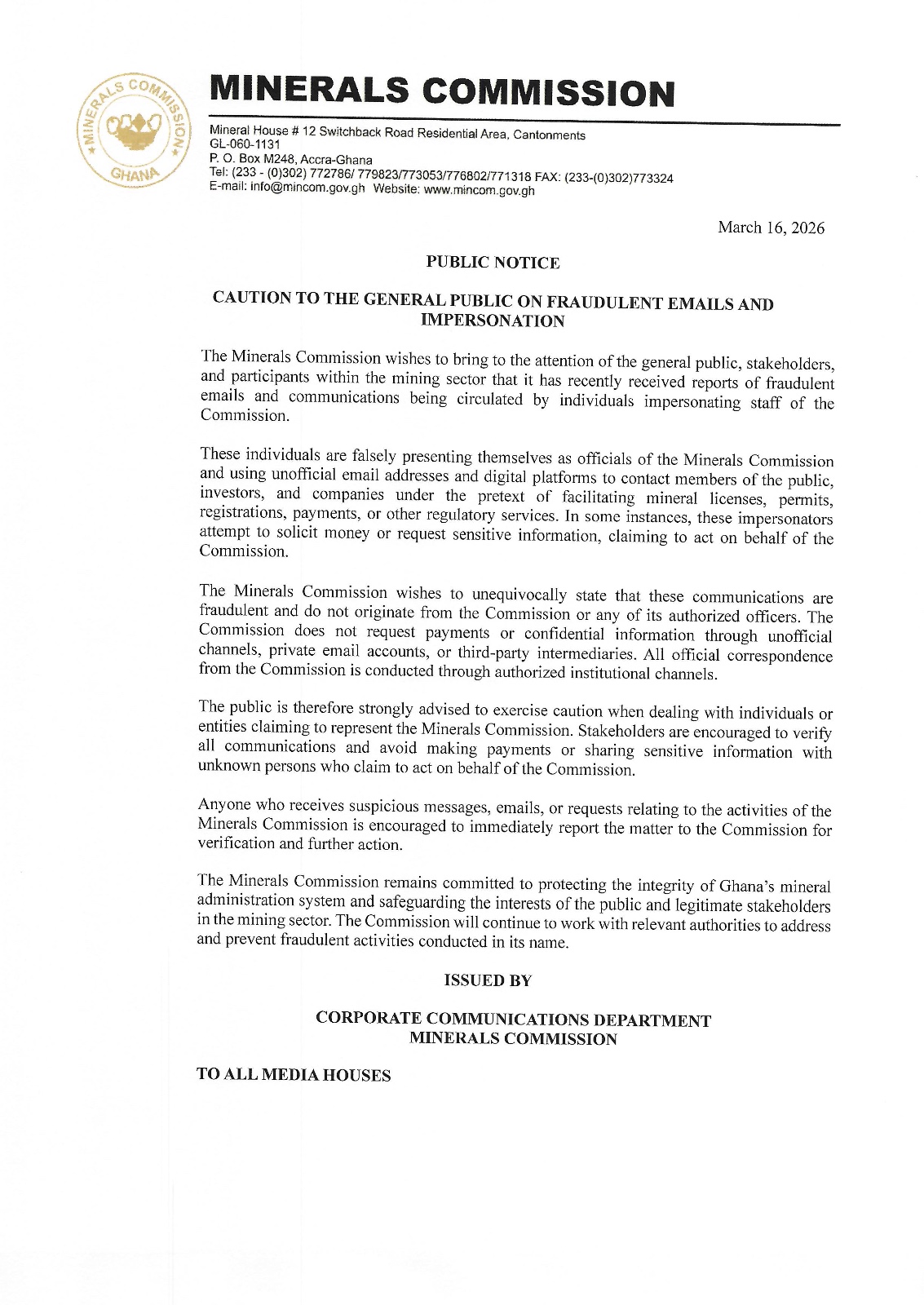
Minerals Commission Engages IMF Mission to Strengthen Transparency and Accountability in Ghana’s Mining Sector
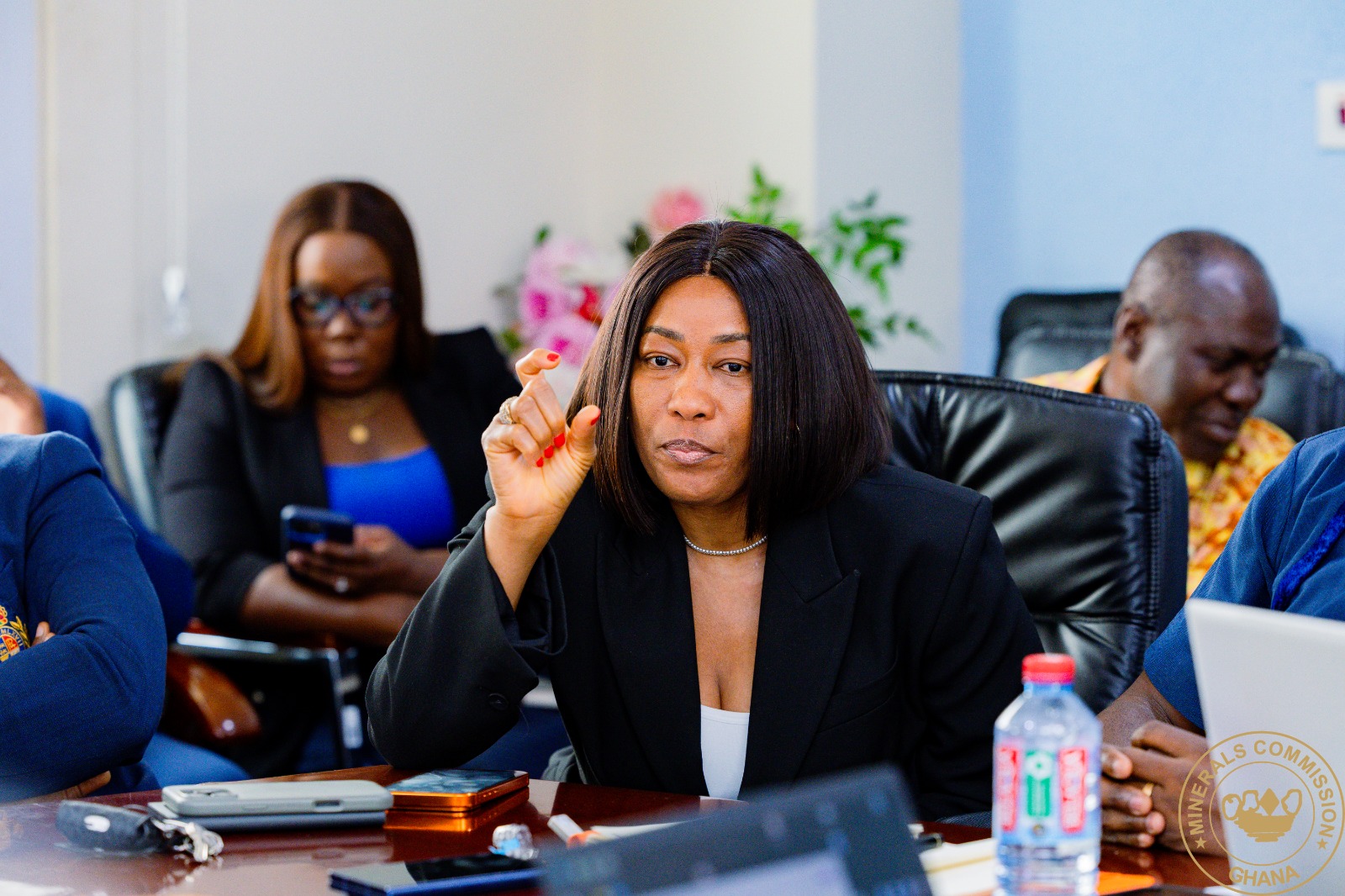
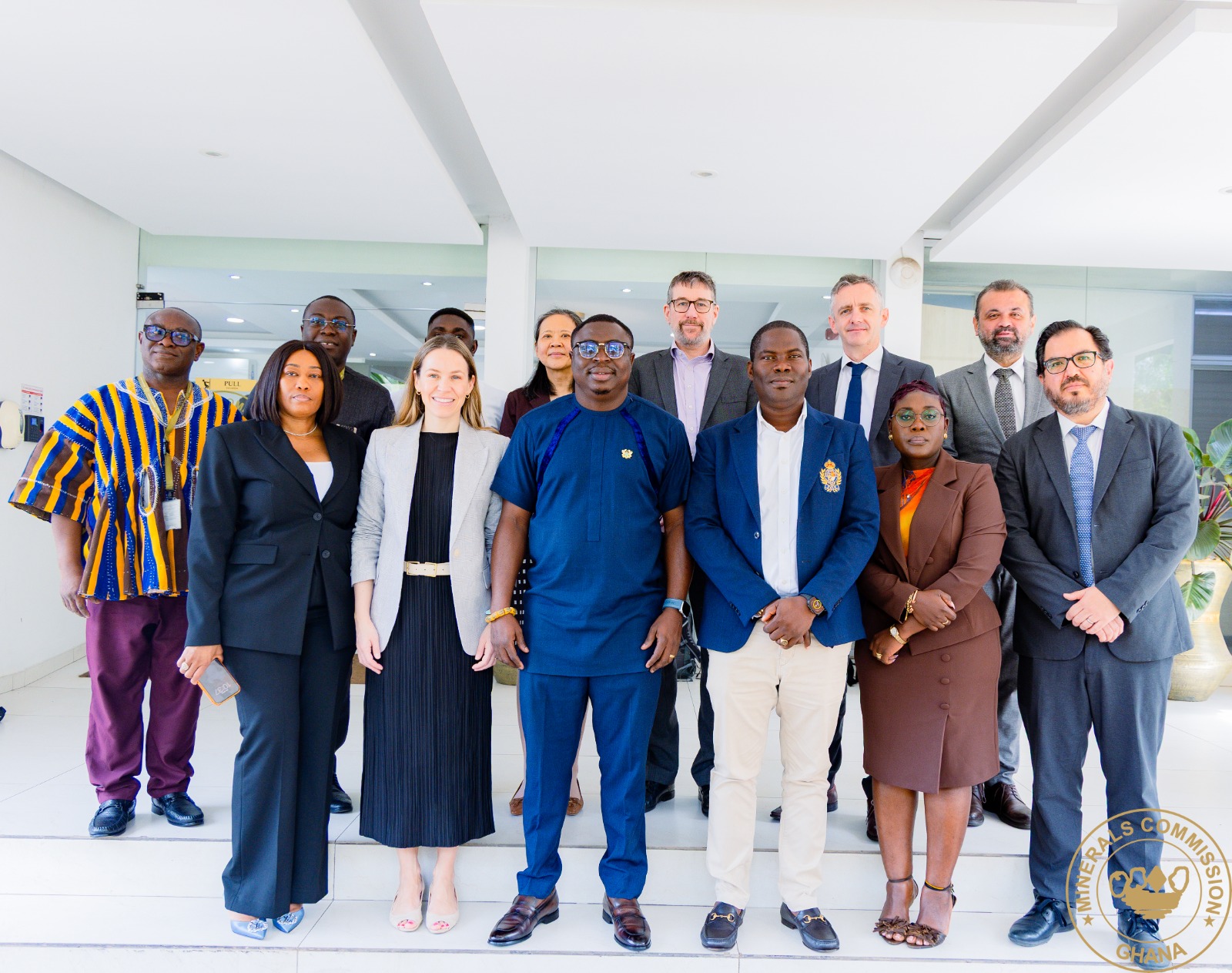
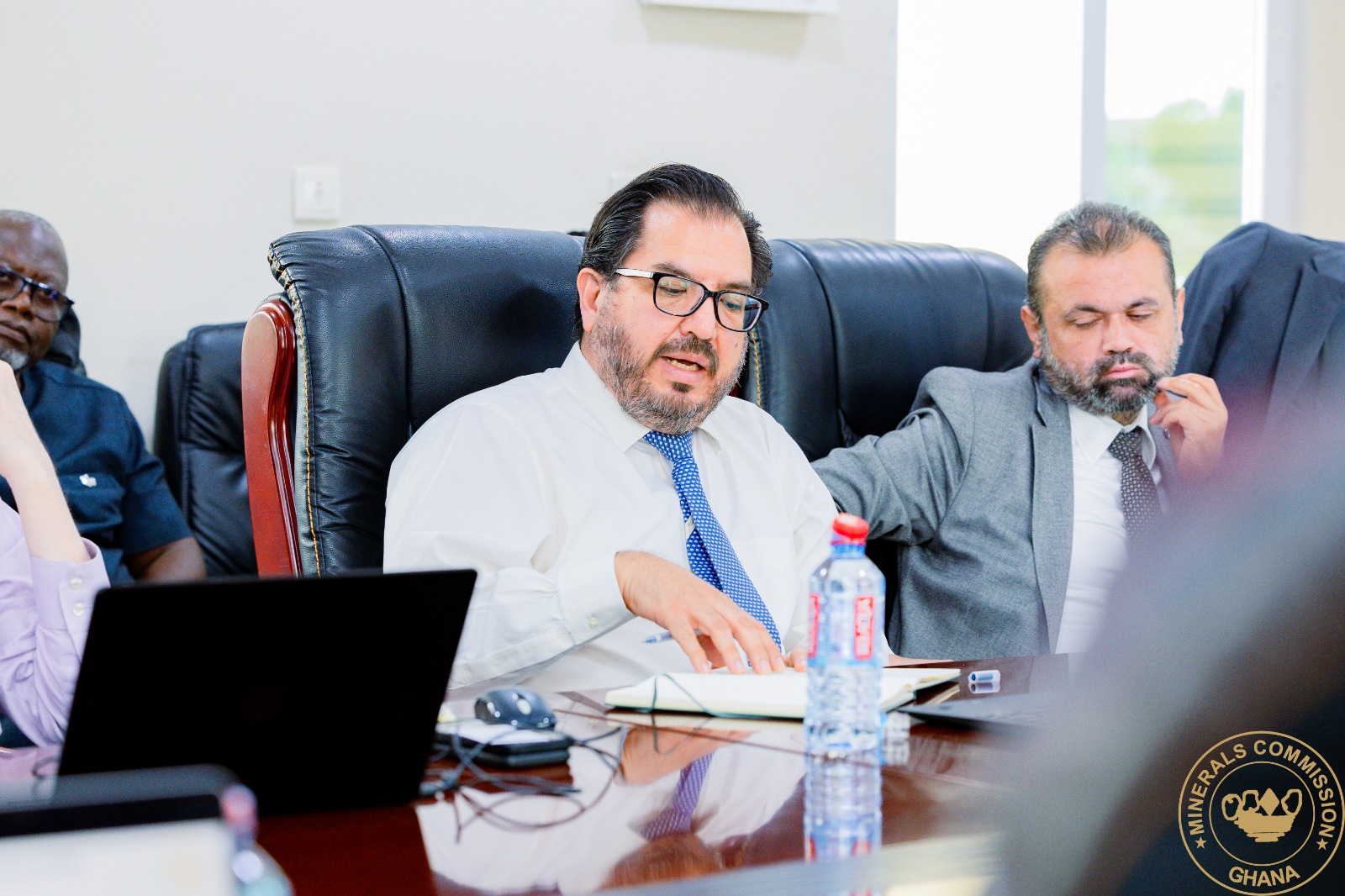
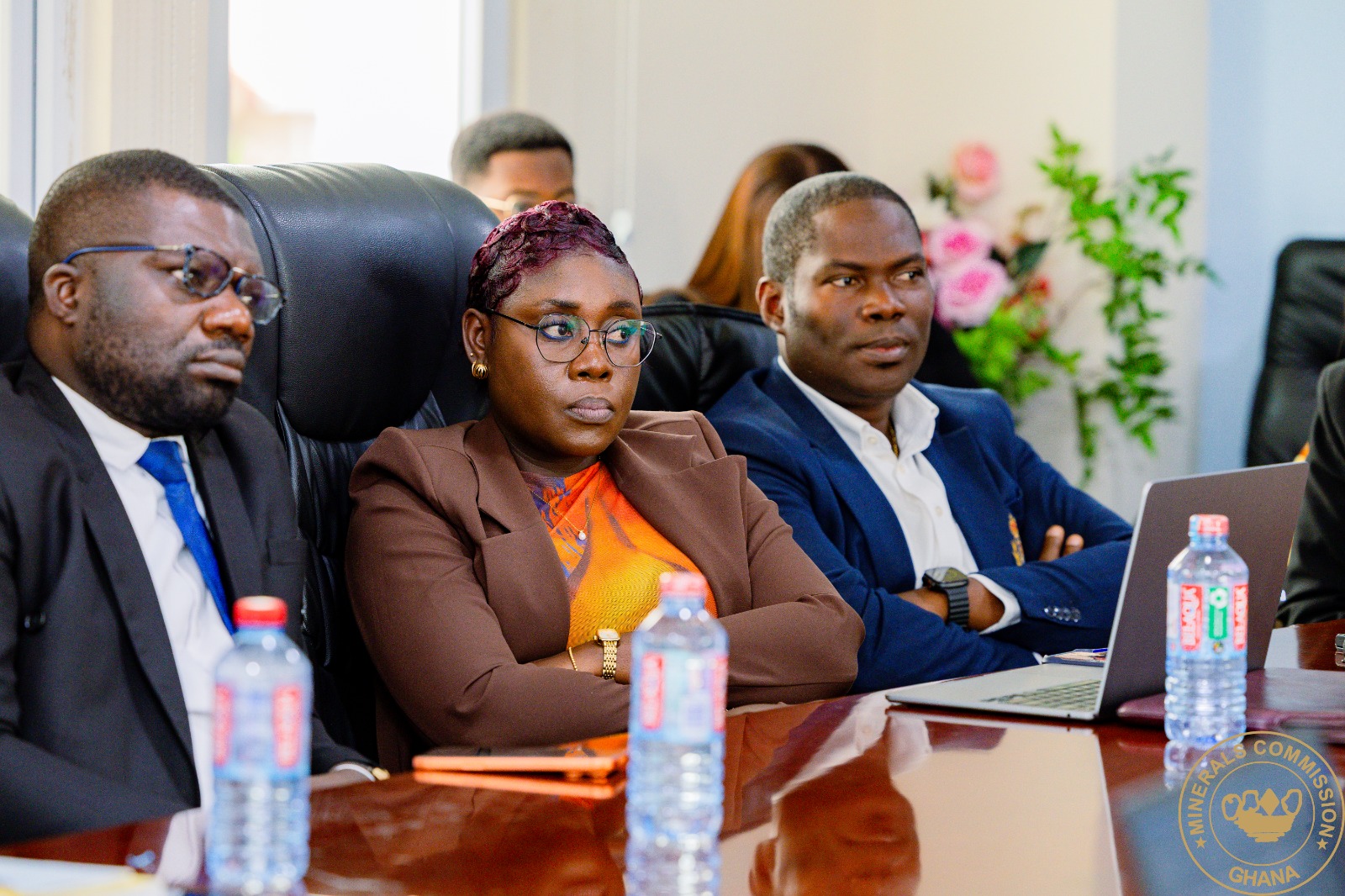
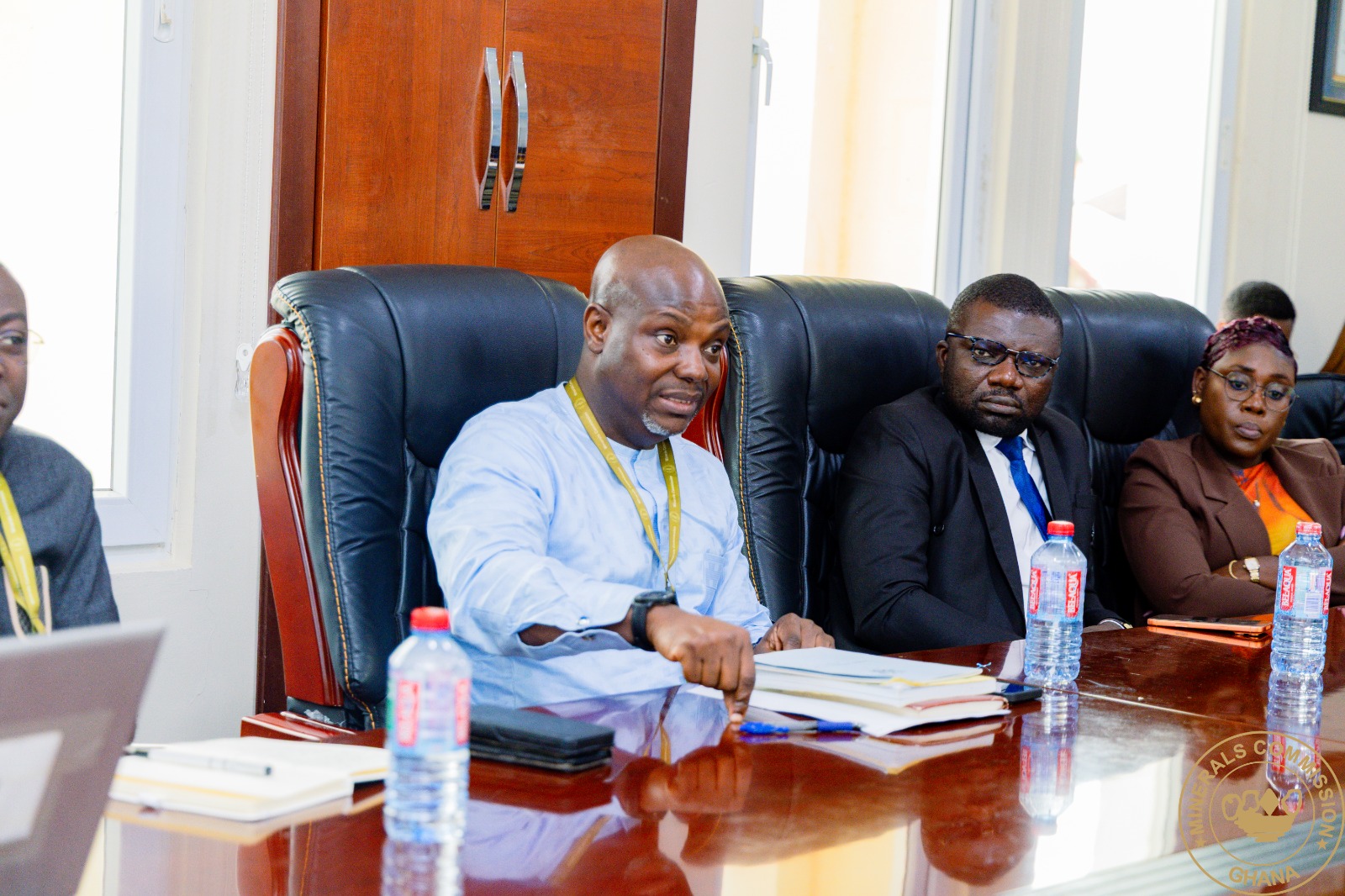
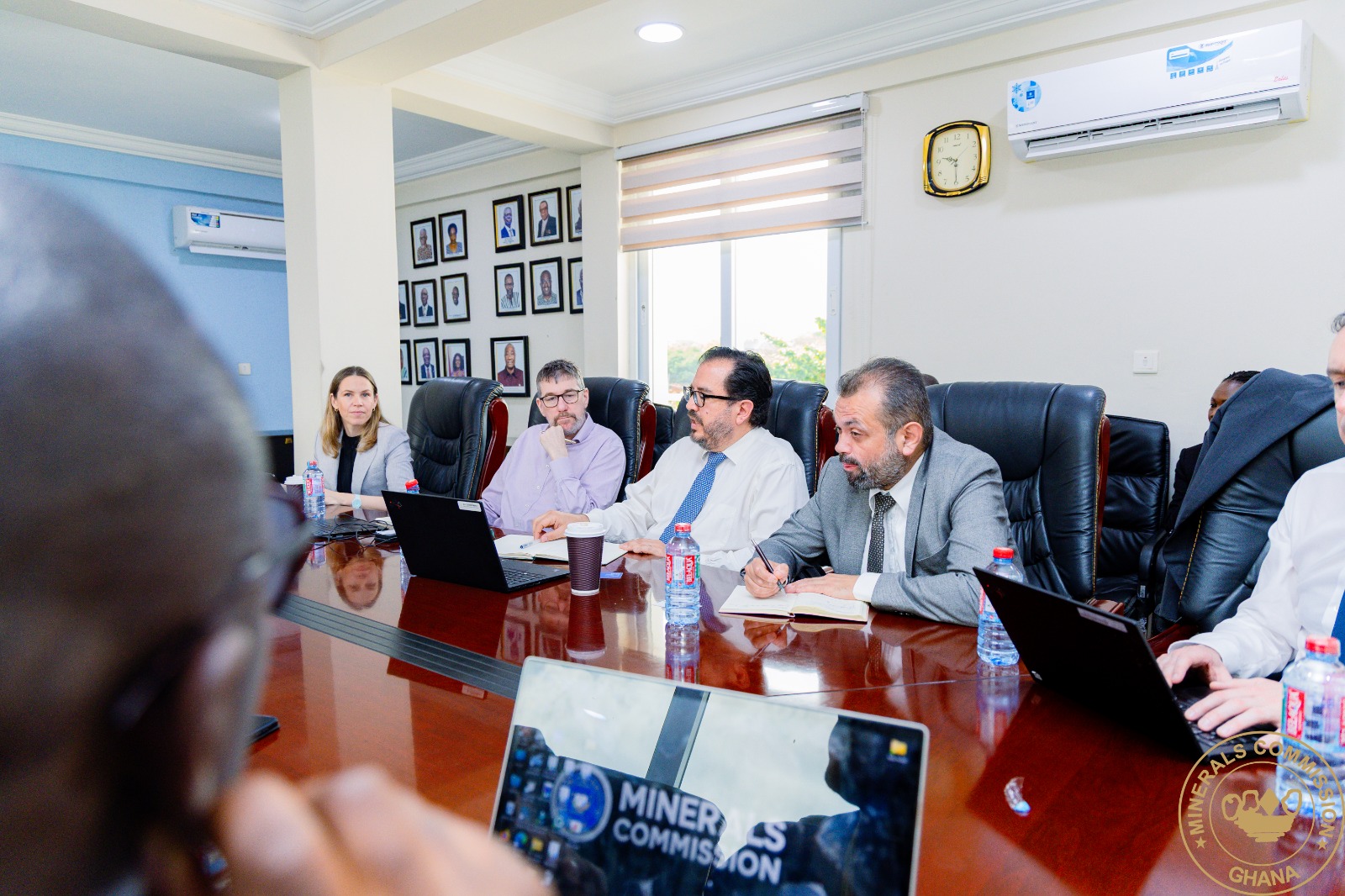
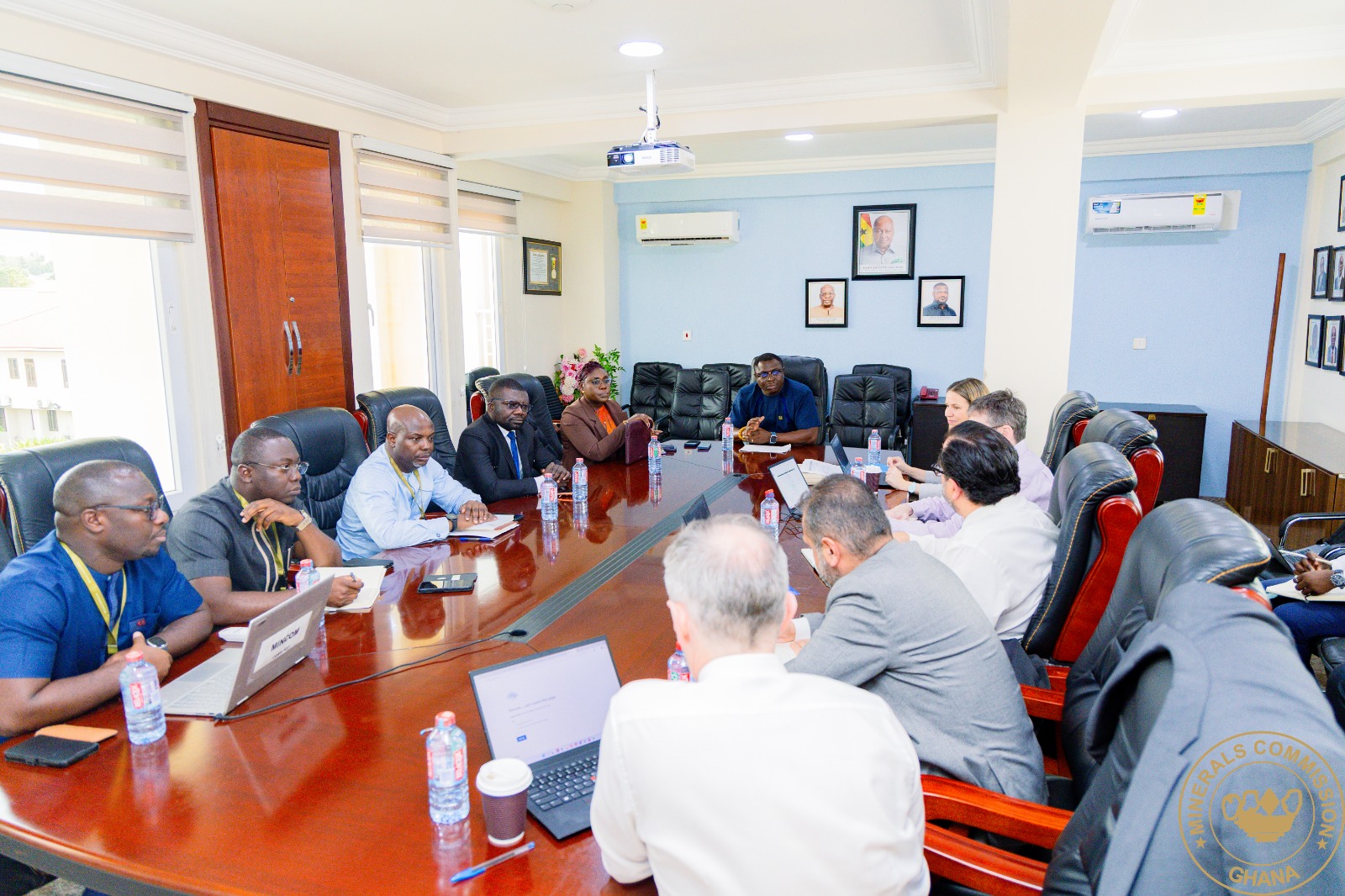
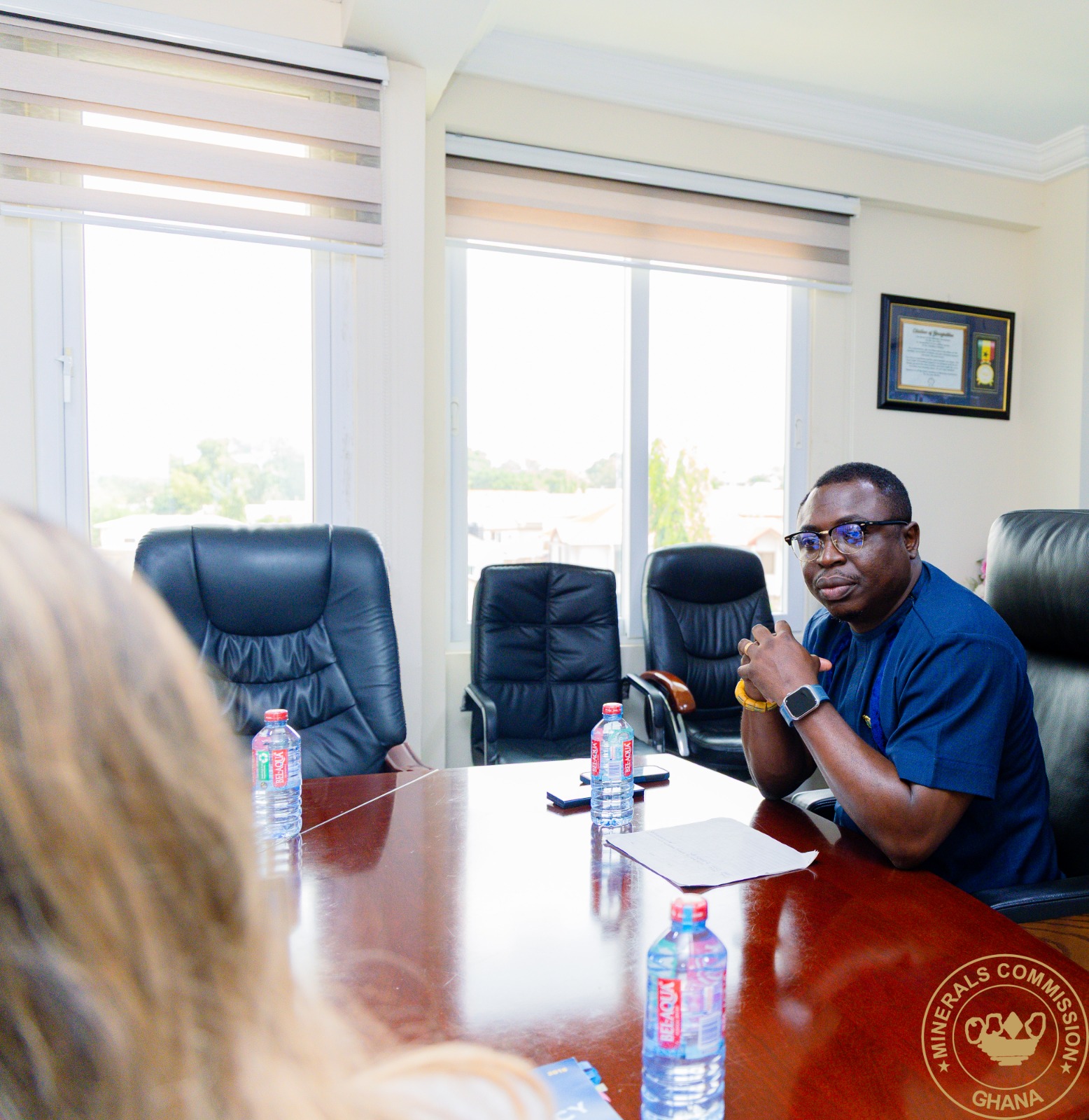
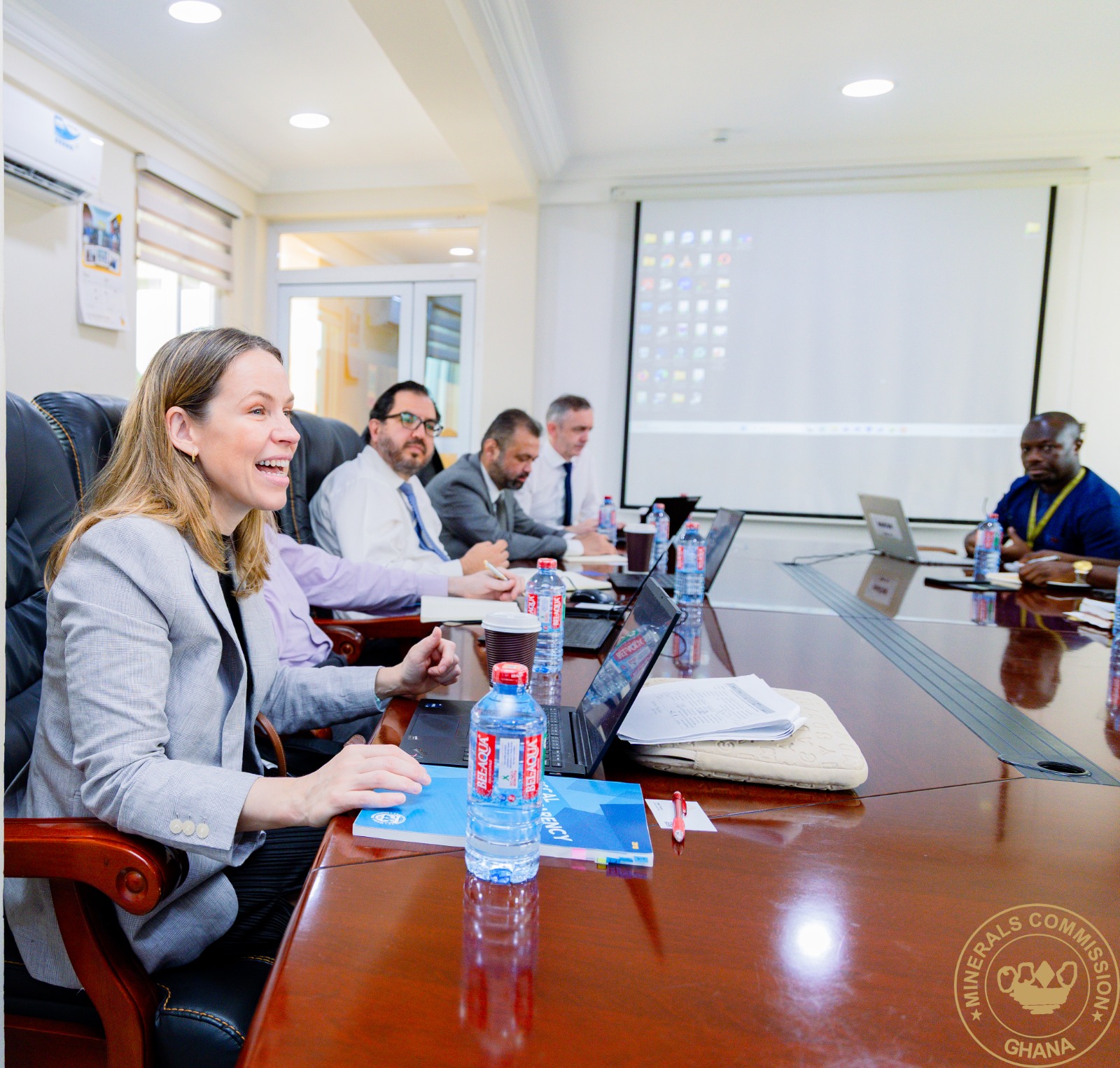
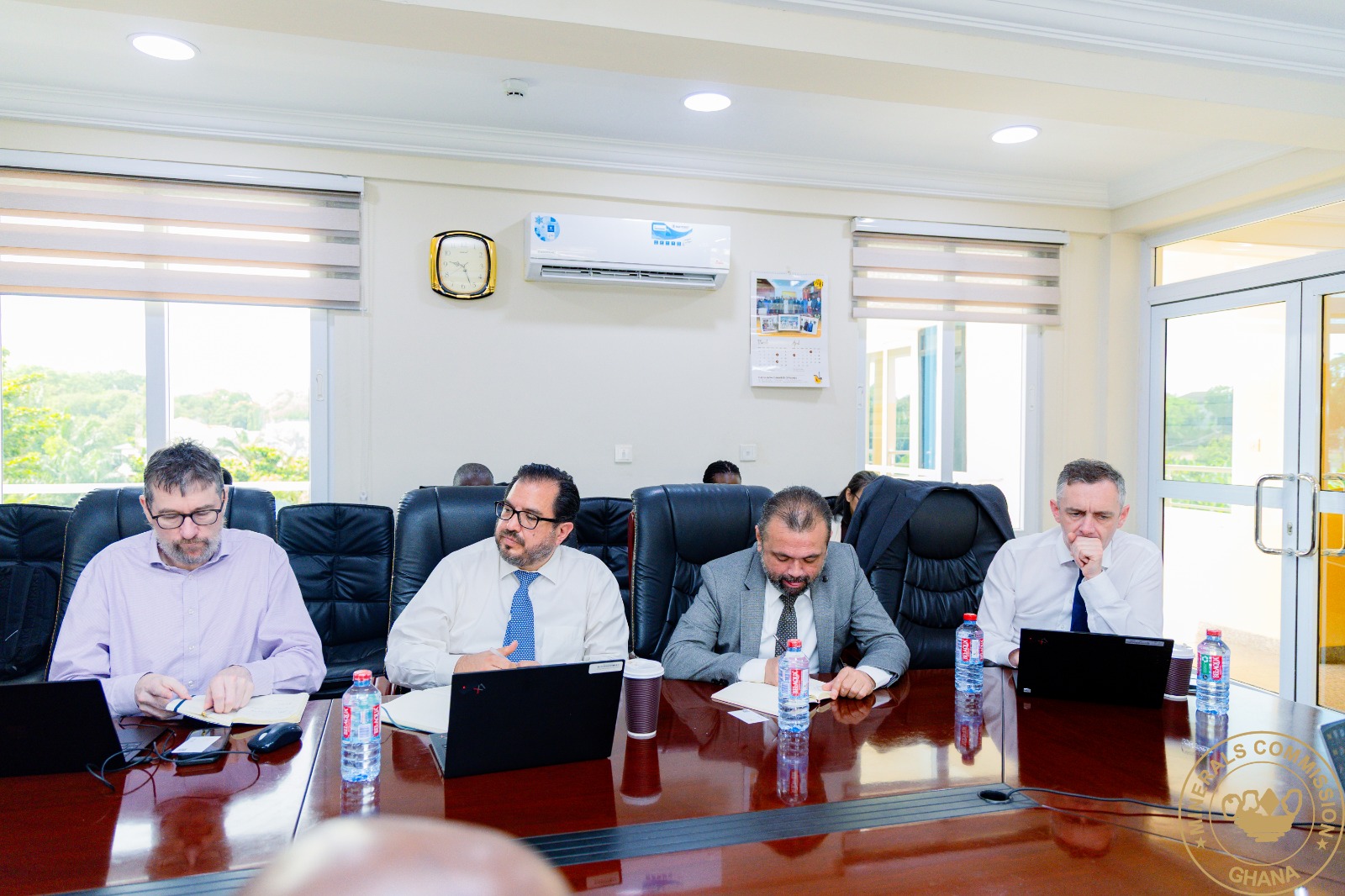
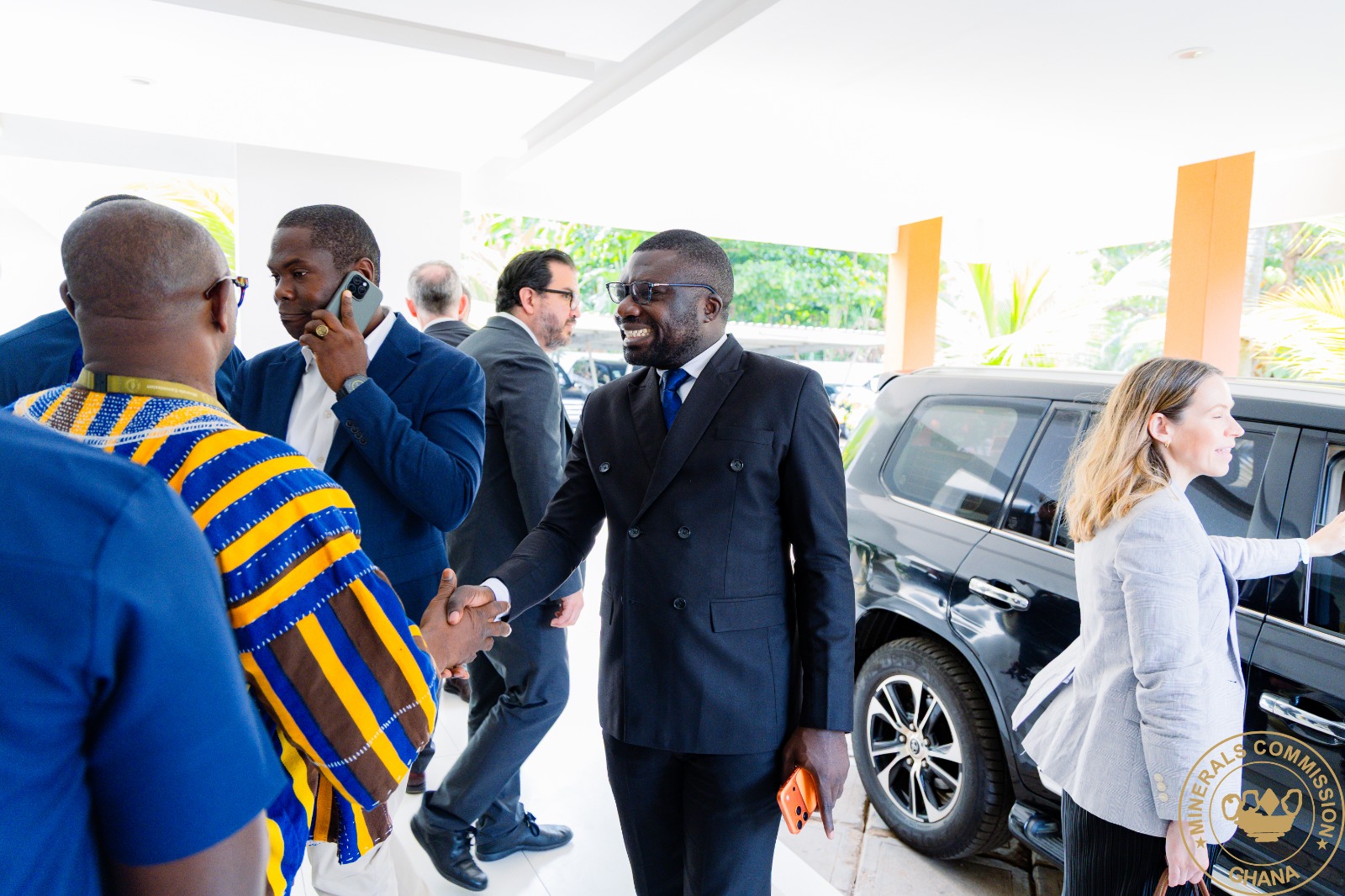
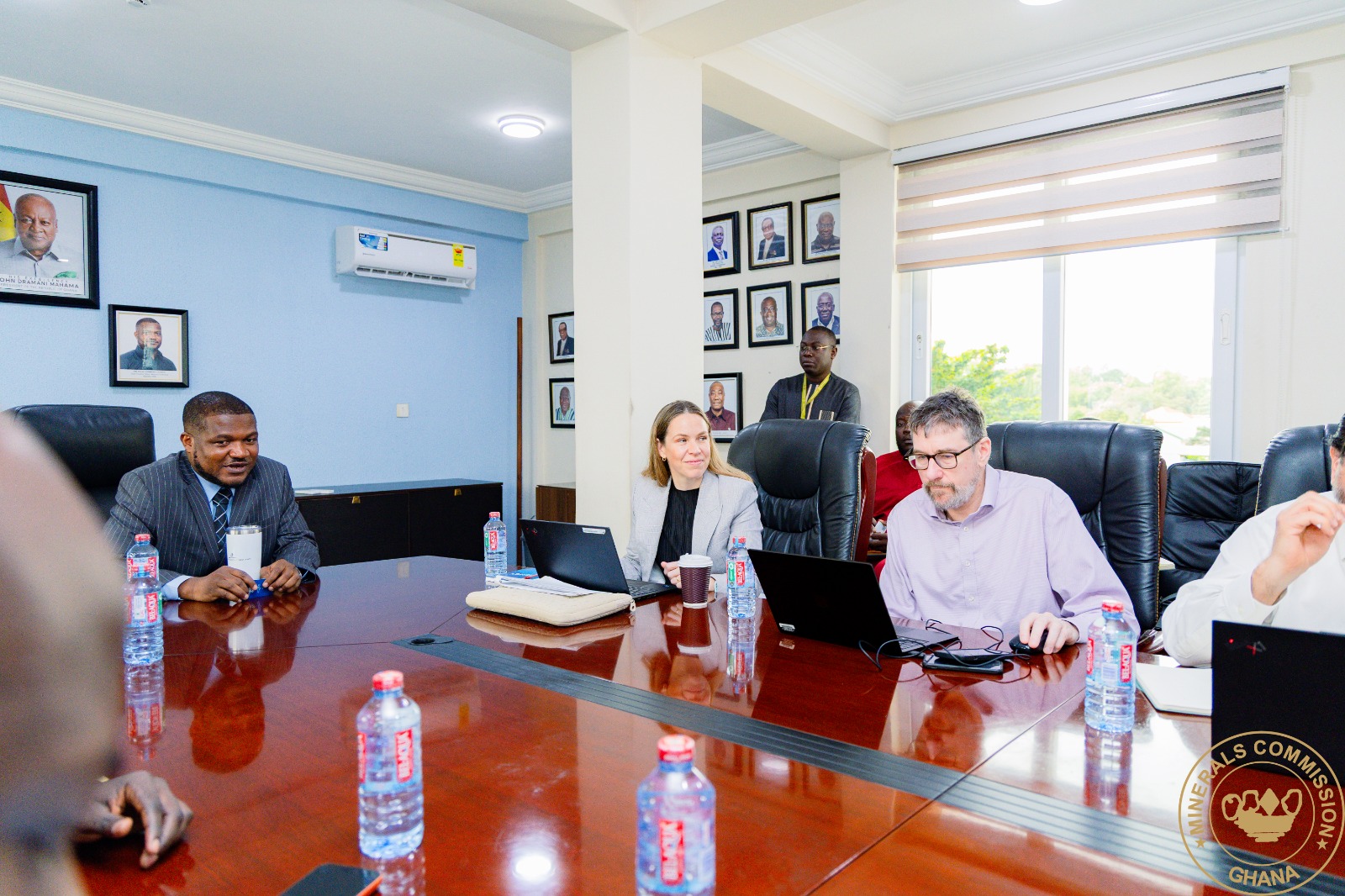
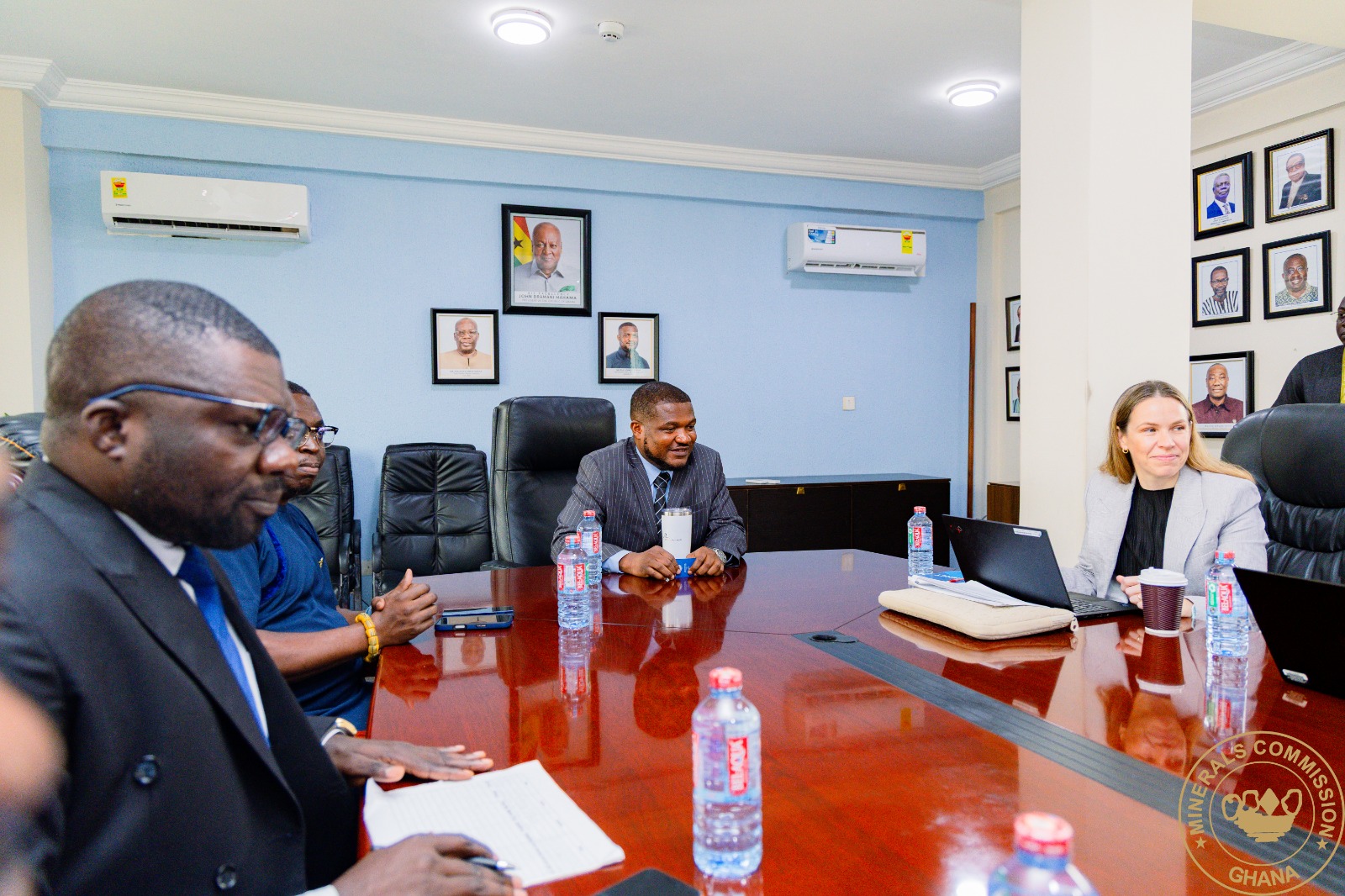
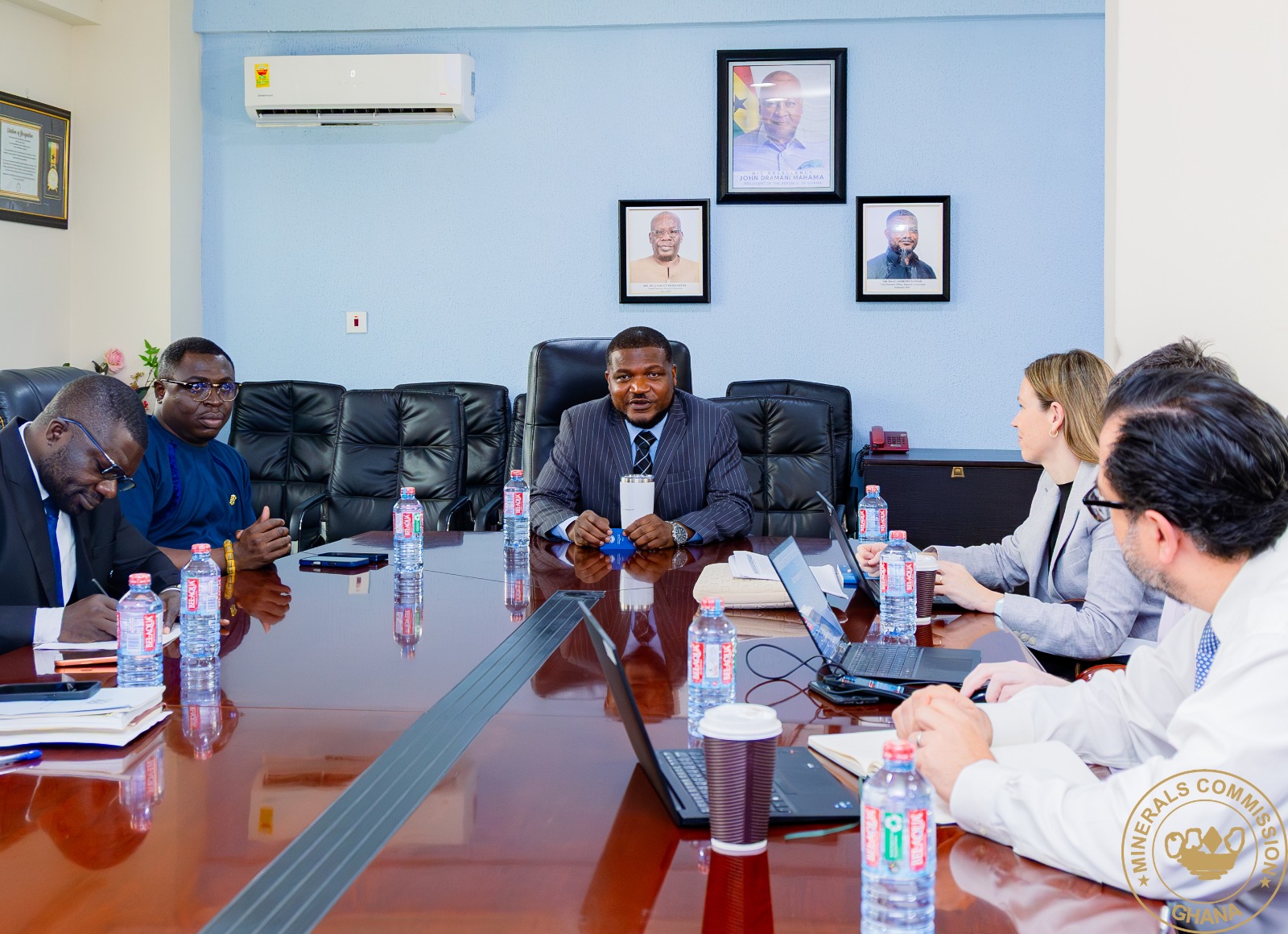
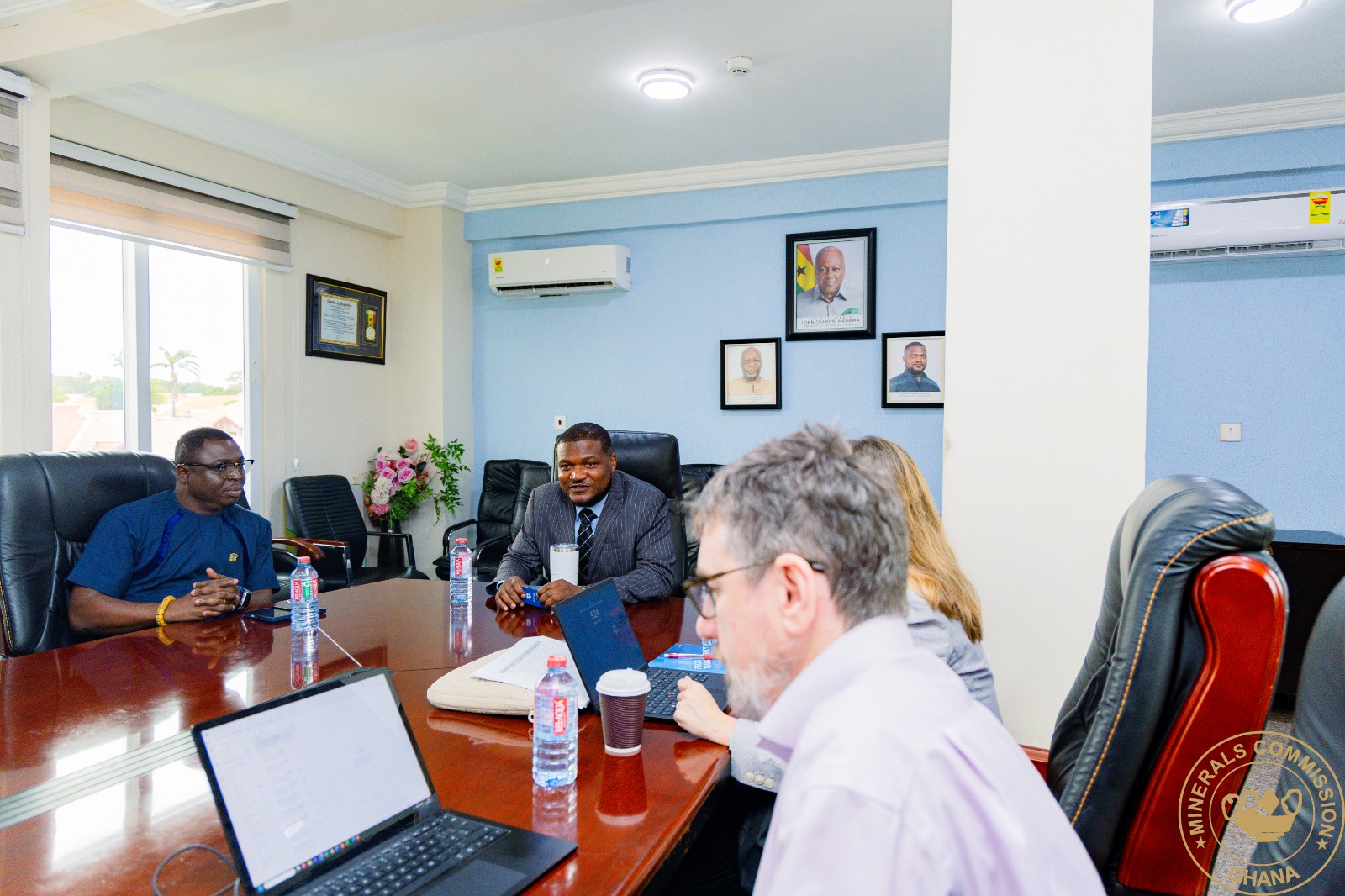
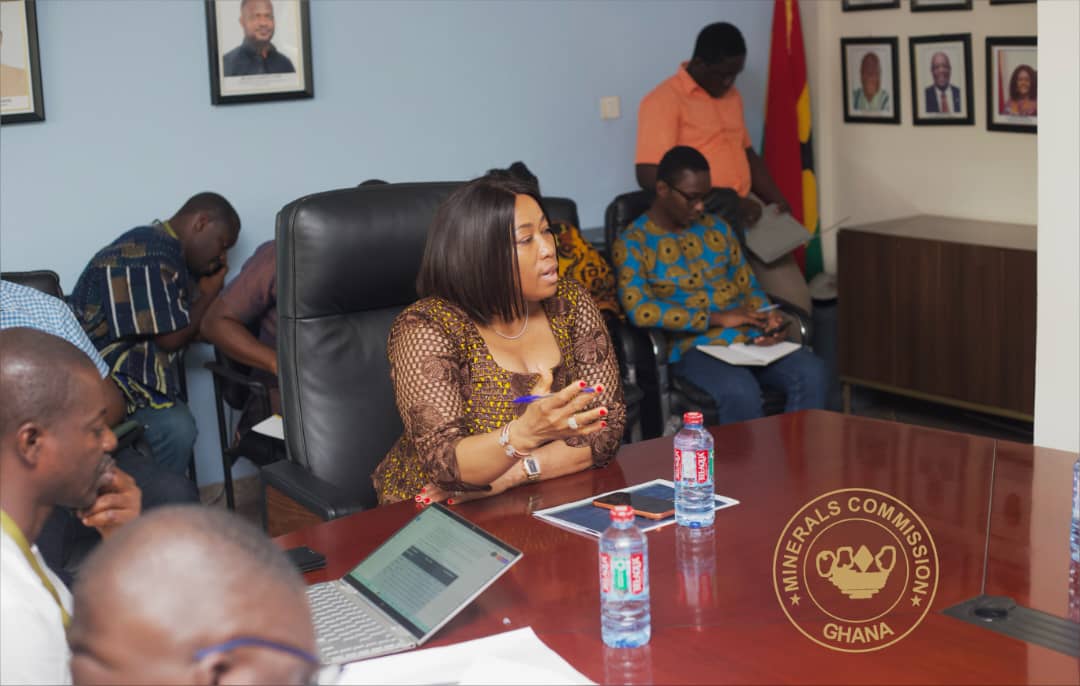
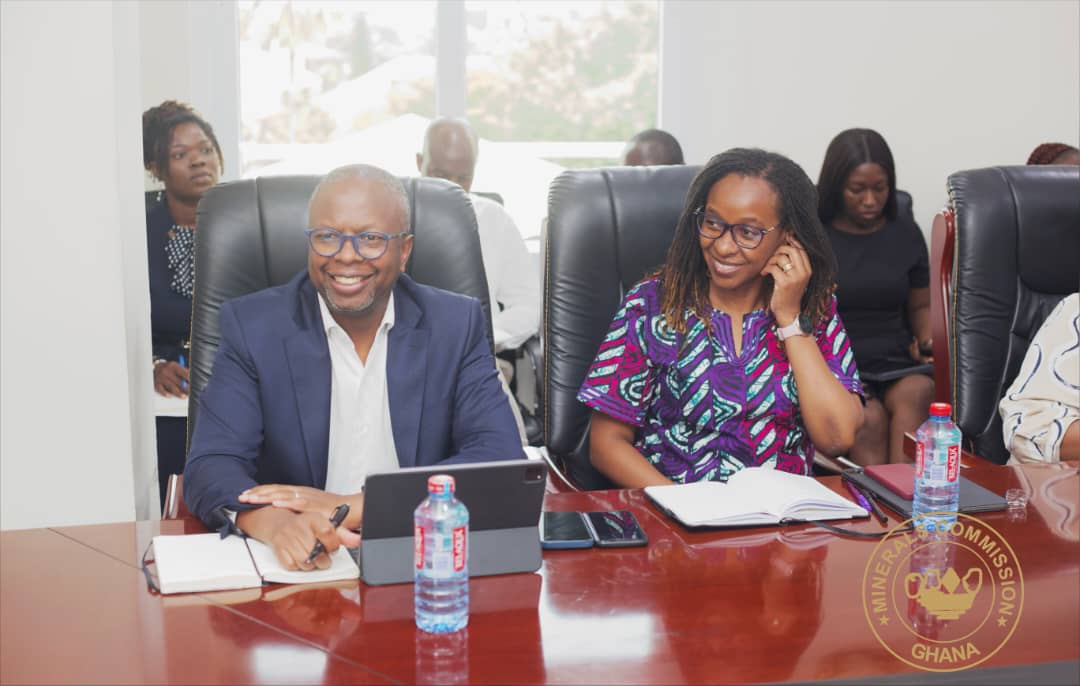
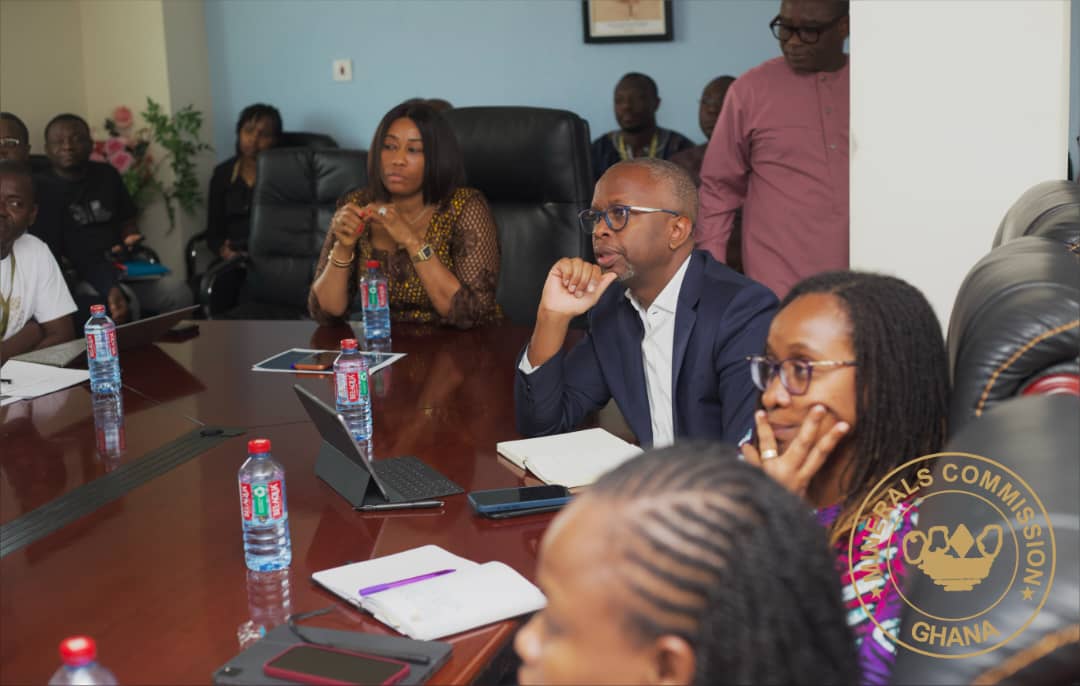
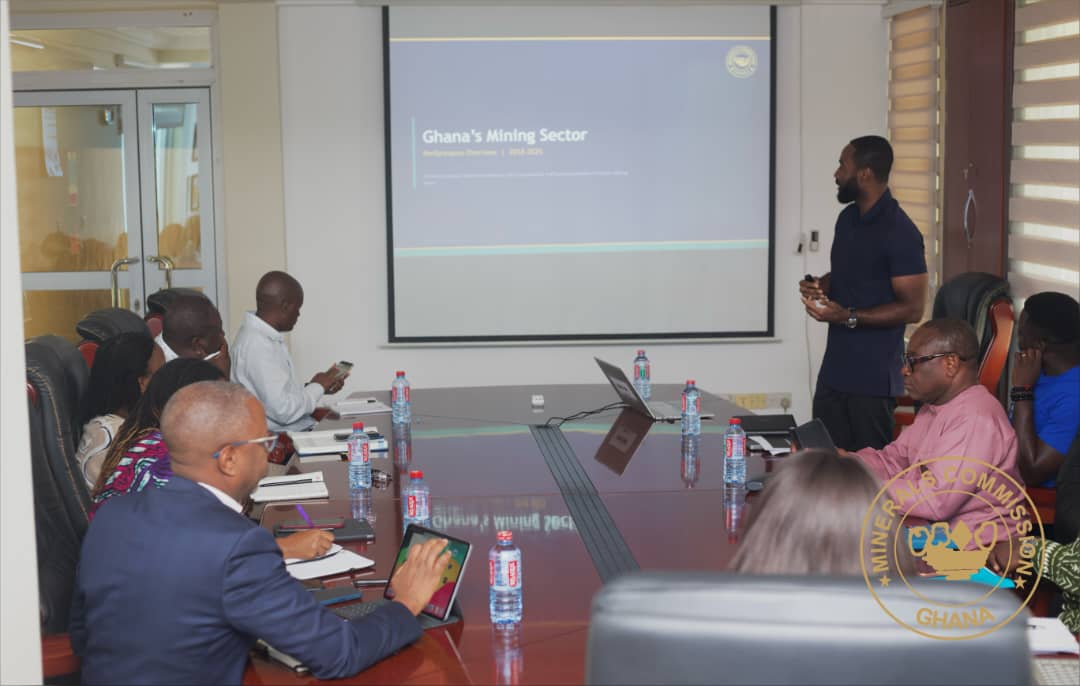
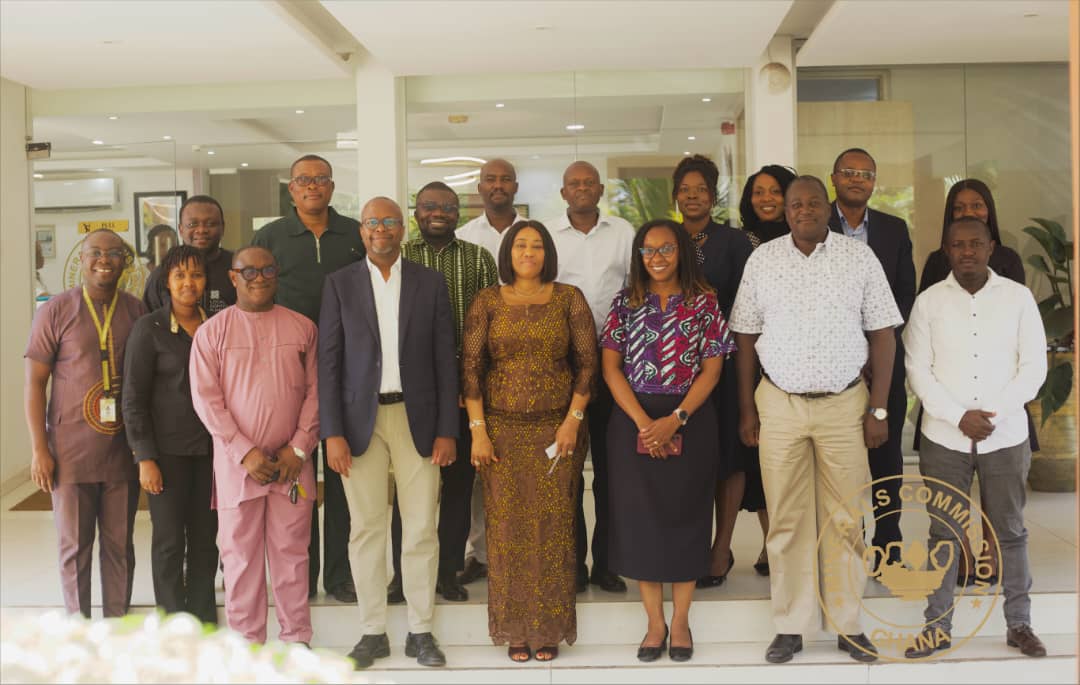
Accra, March 16, 2026 – The Minerals Commission has held a high-level meeting with an International Monetary Fund (IMF) Fiscal Transparency Evaluation Mission led by Almudena Fernandez, to review and enhance transparency and accountability frameworks within the country’s mining sector. The engagement, which took place at the Commission’s head office, brought together senior officials led by the CEO, Mr. Isaac Tandoh, who welcomed the team, and the Deputy CEO for Support Services, Mr. Emmanuel Kwamena Anyimah, who led the technical discussions.
During the meeting, the Commission presented a detailed overview of Ghana’s mineral licensing architecture, emphasizing distinctions between Exploration and Exploitation rights and the statutory processes governing each category. Officials highlighted the importance of legal clarity, regulatory compliance, and transparent procedures in strengthening governance and reinforcing public confidence in the administration of mineral rights.
A significant focus of the engagement was beneficial ownership transparency. The Commission reaffirmed that new mining legislation will mandate the declaration of beneficial owners for all mineral rights holders. It also noted that since 2019, large-scale mining companies and mining support service providers have been required to disclose their beneficial ownership information, while small-scale mining licences remain strictly reserved for Ghanaian citizens. The IMF team was further briefed on statutory processing timelines, including the 90-day period for reviewing and recommendation of mineral right applications by the Commission and the 60-day Ministerial approval window.
The discussions also covered fiscal accountability and revenue flows within the sector. The Commission underscored that royalties are administered by the Ghana Revenue Authority and the Minerals Income Investment Fund in line with approved frameworks, and reaffirmed its commitment to publishing production, labour, health, and safety data to promote transparency. Both parties concluded the meeting with a shared commitment to strengthening Ghana’s mining governance in alignment with international best practices and supporting sustainable national development.
Other senior officials present included Madam Victoria Awuni, Deputy CEO for Policy Planning, Mineral Titles and Local Content; Mr. Joseph Frimpong, Acting Chief Inspector of Mines; Ing. Frank Asare, Director of Mineral Titles; Mr. Josef Iroko, Acting Director, Legal; and Mr. Ernest Brakohiapa, Assistant Manager, Mineral Titles, among others.
END.